Okay, fellow travellers down the magnetic tape memory lane, settle in. Sometimes, nestled amongst the action hero blowouts and neon-drenched sci-fi epics on the video store shelves, you’d find something quieter, something that lingered long after the VCR clicked off. Today, we're revisiting one such unexpected treasure: the 1994 Italian film Il Postino, or as most of us knew it from that worn-out rental box, The Postman.
### More Than Just Delivering Mail
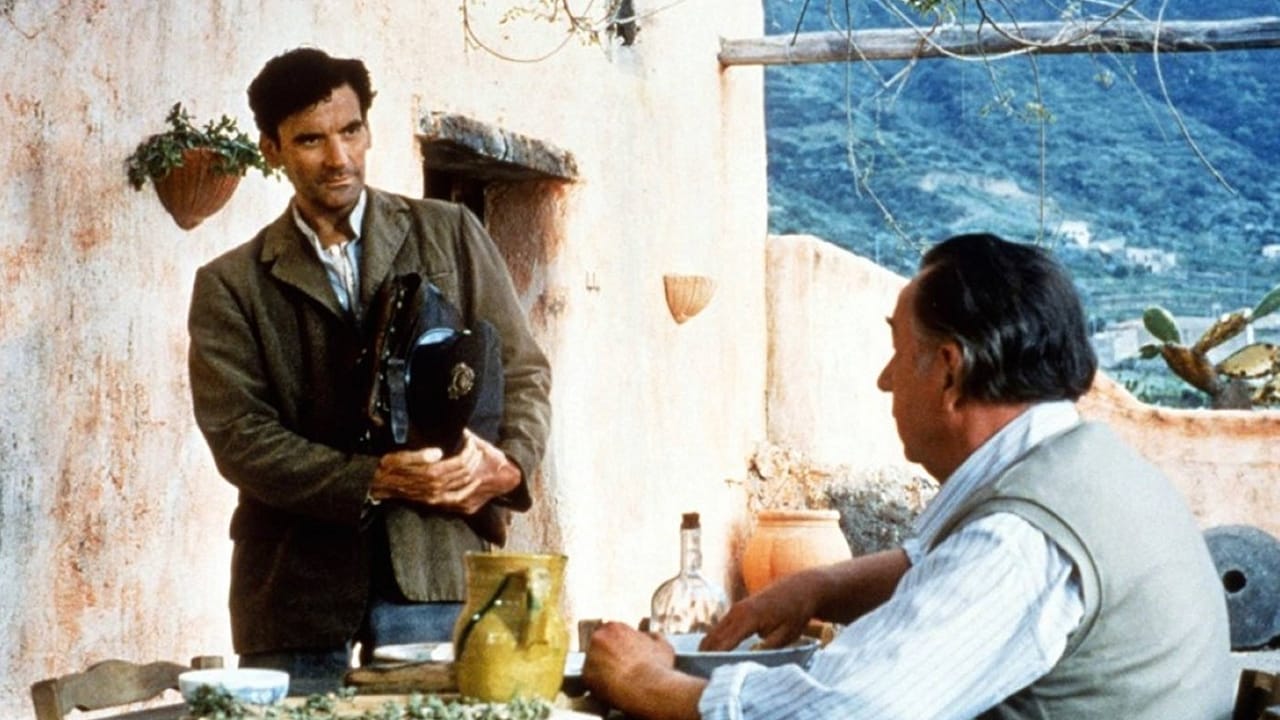
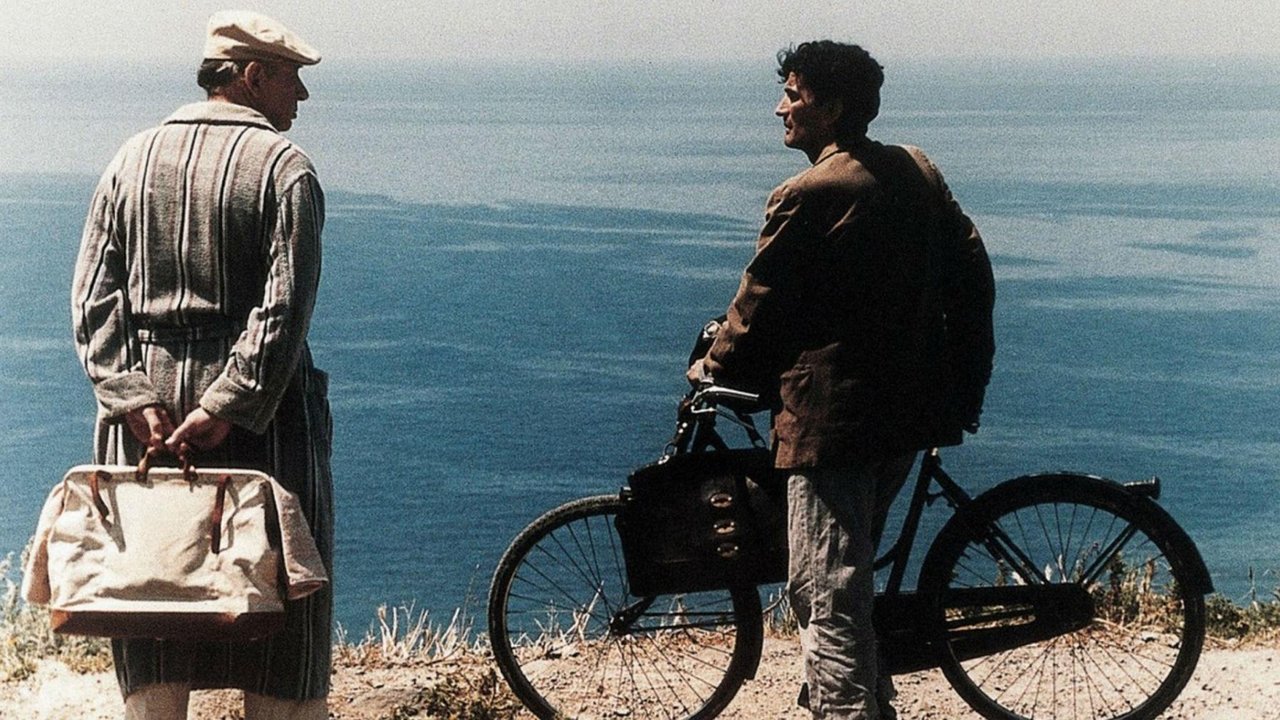
What stays with you most, perhaps, isn't a grand plot twist or a dazzling special effect, but the quiet, almost hesitant smile on Massimo Troisi's face as Mario Ruoppolo. The film drifts into view gently, like the Mediterranean tide lapping against the shores of the small Italian island where it's set. We meet Mario, a simple man, son of a fisherman, who lands a job requiring minimal exertion: delivering mail to the island's only temporary resident of note, the exiled Chilean poet Pablo Neruda, played with understated grace by Philippe Noiret. It’s a premise simple enough to fit on the back of the VHS sleeve, yet it blossoms into something profoundly moving.
### The Poetry of Connection
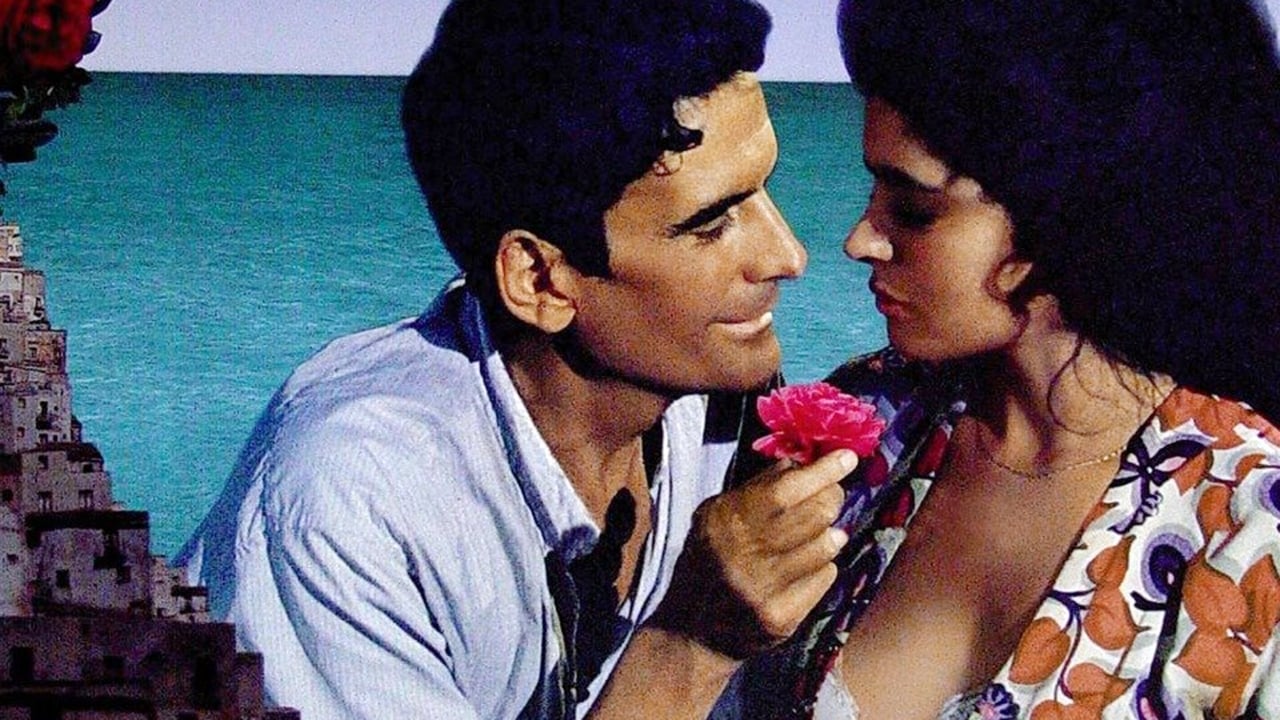
This isn't a film driven by intricate plotting; its heart beats within the burgeoning friendship between two vastly different men. Mario, initially star-struck and awkward, becomes captivated not just by Neruda the famous figure, but by the power of his words – specifically, his metaphors. How does poetry work? How can words capture the essence of the sea, the sky, or the beauty of Beatrice Russo (Maria Grazia Cucinotta), the woman who steals Mario’s heart? Their conversations, tentative at first, then growing richer, form the core of the film. Michael Radford directs with a beautiful sense of restraint, allowing the stunning island scenery and, more importantly, the actors' faces, to tell much of the story. The cinematography often feels like a watercolour painting, soft-edged and evocative, perfectly mirroring the film’s gentle, melancholic tone.
The film explores the idea that poetry isn't just for intellectuals; it's a way of seeing and feeling the world, accessible even to a humble postman. Mario’s attempts to woo Beatrice using borrowed and then self-discovered poetic observations are both endearingly funny and genuinely touching. It speaks volumes about finding your own voice, even when you feel utterly ordinary.
### A Performance Etched in Time
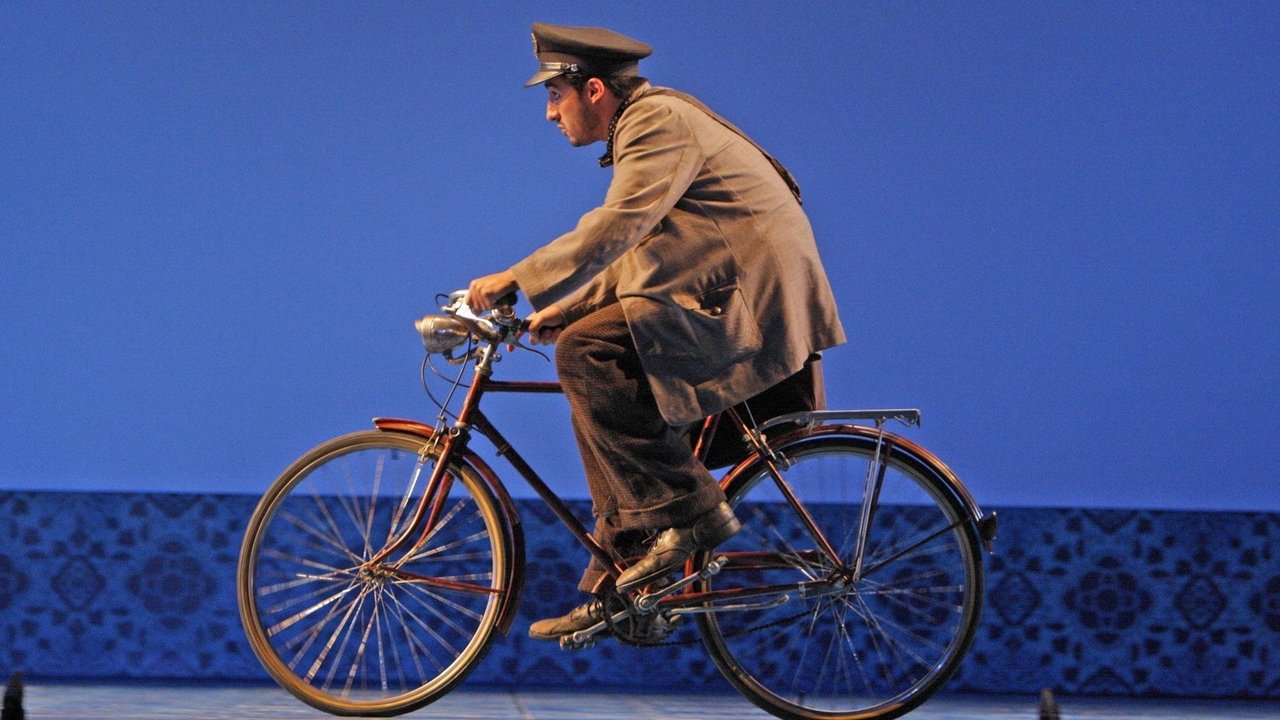
It's impossible to discuss The Postman without focusing on Massimo Troisi. His portrayal of Mario is simply unforgettable – a masterclass in subtle expression. Every shy glance, every hesitant gesture, every flicker of understanding or confusion across his face feels utterly authentic. He embodies a profound yearning, a desire for something more than his simple life offers, awakened by the magic of language.
And here, the film’s poignancy deepens considerably when you learn the context. Troisi, a beloved comedian and actor in Italy, suffered from a serious heart condition. He famously postponed crucial heart surgery to complete this passion project. The physical toll is subtly visible on screen, lending an almost unbearable fragility to his performance. Tragically, Massimo Troisi passed away from a heart attack just 12 hours after filming wrapped. Knowing this transforms the viewing experience; Mario’s gentleness, his quiet observations, his very presence feels infinitely precious. The film is dedicated to him, and it stands as a stunning final testament to his talent. His performance wasn't just acting; it felt like he was pouring the last of his life force into the character, and it resonates deeply. It earned him a posthumous Academy Award nomination for Best Actor, a rare and deserved honour.
Alongside Troisi, Philippe Noiret (perhaps known to some from Cinema Paradiso) is wonderful as Neruda. He avoids caricature, presenting the poet as world-weary but capable of warmth and genuine affection for his unlikely pupil. Their chemistry is the film's anchor, a quiet dance of mentorship and mutual respect.
### Echoes of a Quiet Gem
Remember finding films like this back then? Maybe tucked away in the "Foreign Films" section, often overlooked? The Postman felt like a discovery. It wasn't loud, it wasn't flashy, but it resonated. It earned five Oscar nominations, including Best Picture – quite something for a small Italian film in the mid-90s – and won for Luis Bacalov's hauntingly beautiful score, which perfectly captures the film's bittersweet mood. Its success felt like a quiet victory for heartfelt storytelling. Based on Antonio Skármeta's novel Ardiente Paciencia, the filmmakers shifted the setting from Chile to Italy, creating this specific, sun-drenched yet melancholic atmosphere that feels unique to the film. Even the fact that Noiret delivered his lines in French and was dubbed into Italian (a common practice then) doesn't detract, thanks to the sheer expressiveness of his performance.
This film asks gentle but profound questions: Can art change a life? What is the nature of inspiration? How do we express the deepest stirrings of our hearts? It doesn’t offer easy answers, preferring instead to let the emotions wash over you.
Rating: 9/10
Justification: The Postman is a near-perfect jewel. Its power lies in its deceptive simplicity, the depth of its themes, Radford's sensitive direction, and above all, the unforgettable, heartbreakingly authentic performances, particularly Troisi's final, luminous turn. The score is sublime, and the film’s gentle melancholy stays with you. It only falls short of a perfect score perhaps due to a slightly idealized portrayal of island life, but this is a minor quibble in the face of its overwhelming humanity.
Final Thought: Long after the VCR whirs to a stop, The Postman lingers – a quiet reminder of the beauty in small connections, the power of words, and the profound ache of love and loss, delivered with unforgettable grace. A truly special film from the era.