Okay, fellow travelers in time and tape, let's dim the lights, imagine the satisfying clunk of a VHS engaging, and settle in. Today, we’re pulling a title from the late 80s shelf that might spark a flicker of recognition, even if the details are a little hazy: 1989’s Gross Anatomy. It sits somewhere between the high-stakes drama of later medical shows and the campus comedies of its era, offering a surprisingly thoughtful look at the crucible that is the first year of medical school.
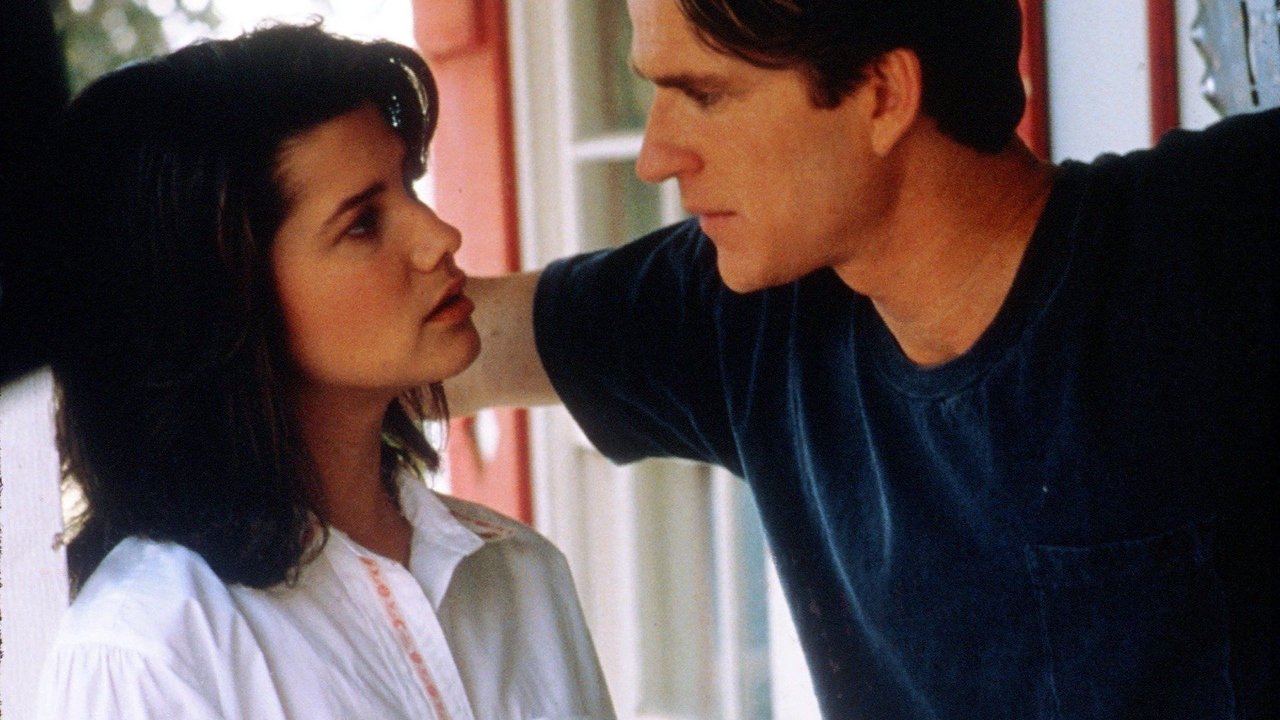
Does anyone else remember that specific kind of pressure cooker environment depicted in films from this time? That feeling of being thrown into the deep end, expected to swim or sink based purely on intellect and sheer willpower? Gross Anatomy taps directly into that vein, focusing less on intricate medical mysteries and more on the human toll of relentless academic competition.
Navigating the Human Condition, One Cadaver at a Time
At its core, the film explores the journey of Joe Slovak (Matthew Modine), a gifted but deeply non-conformist student who treats the rigid structure of medical school with the same casual disdain he applies to most rules. Modine, coming off more intense roles like Private Joker in Stanley Kubrick's demanding Full Metal Jacket (1987), brings a compelling, almost restless energy here. Slovak isn't just lazy; he's resistant, questioning the system, often relying on charm and innate intelligence to skate by where others grind. You see the potential, but you also see the self-sabotage, and it’s a tension Modine navigates with considerable skill. Does his rebellious streak hide a deeper fear of failure, or perhaps a fear of truly committing to the immense responsibility the profession demands?
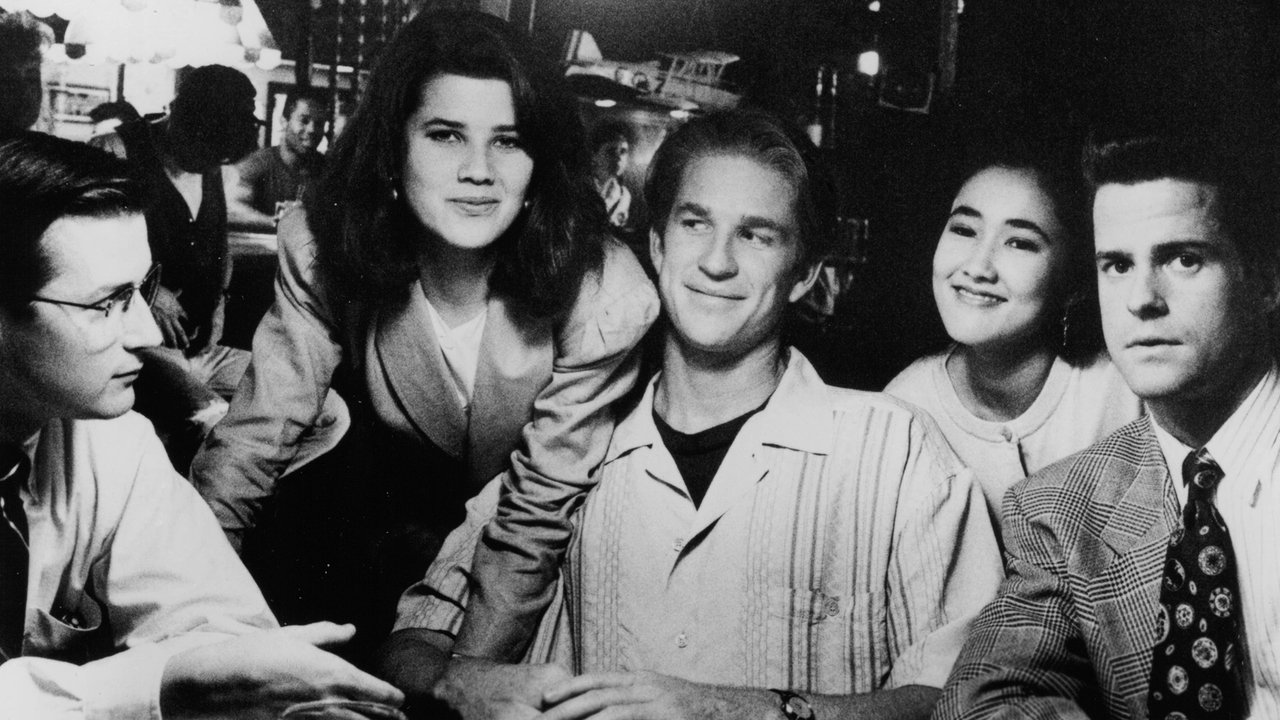
Opposite him is Laurie Rorbach (Daphne Zuniga), the archetypal driven, rule-following student. Zuniga, familiar to many from Rob Reiner’s The Sure Thing (1985) or as Princess Vespa in Spaceballs (1987), embodies the anxiety and determination of someone who has sacrificed everything to be here. Her character could easily have been a one-note foil, but Zuniga imbues Laurie with a vulnerability beneath the perfectly organised notes and disciplined study habits. The film wisely uses their dynamic – the clash between Slovak’s improvisational brilliance and Rorbach’s methodical dedication – to explore different paths through the same demanding gauntlet.
The Heartbeat of the Film: Mentorship and Realism
Where Gross Anatomy truly finds its footing, however, is in the presence of Dr. Rachel Woodruff, played with weary wisdom and profound empathy by the great Christine Lahti. Lahti’s performance is the film’s anchor. As the demanding gross anatomy professor, she’s tasked with not just teaching the intricate structures of the human body, but with forcing these students to confront the mortality and humanity inherent in their work. Her scenes crackle with authenticity. There's a weight to her words, a sense that she has seen countless students like Slovak flame out and countless like Rorbach buckle under the pressure. It's through her guidance, often tough but always rooted in a deep respect for the profession and the lives it touches, that the film finds its most resonant moments. Remember those teachers who saw more in you than you saw in yourself? Lahti perfectly captures that energy.
Interestingly, the film was penned by Ron Nyswaner (along with Mark Spragg), who would later write the powerful and poignant script for Philadelphia (1993). While Gross Anatomy operates in a much lighter register, you can perhaps see early glimmers of Nyswaner's interest in characters grappling with difficult truths and institutional pressures. Director Thom Eberhardt, known to cult film fans for the wonderfully quirky Night of the Comet (1984), handles the material with a steady hand, balancing the dramatic elements with the lighter, character-focused moments without succumbing entirely to campus movie clichés.
Retro Fun Facts: Beneath the Surface
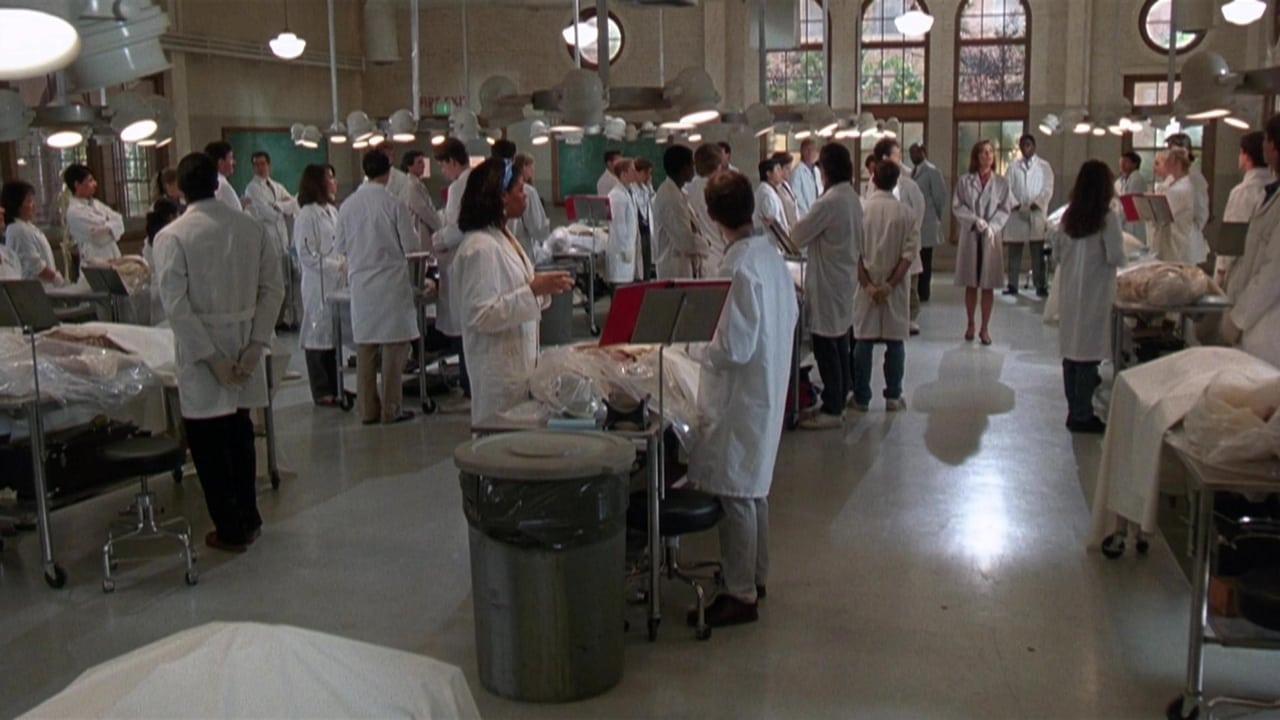
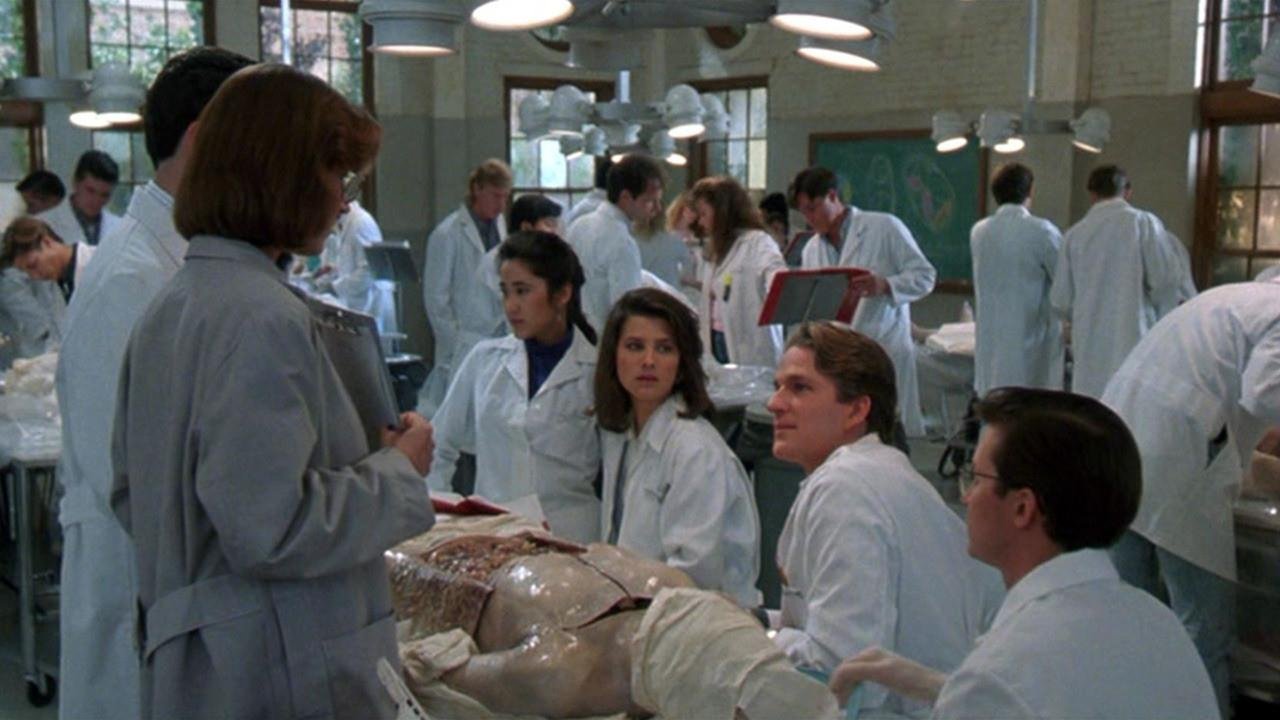
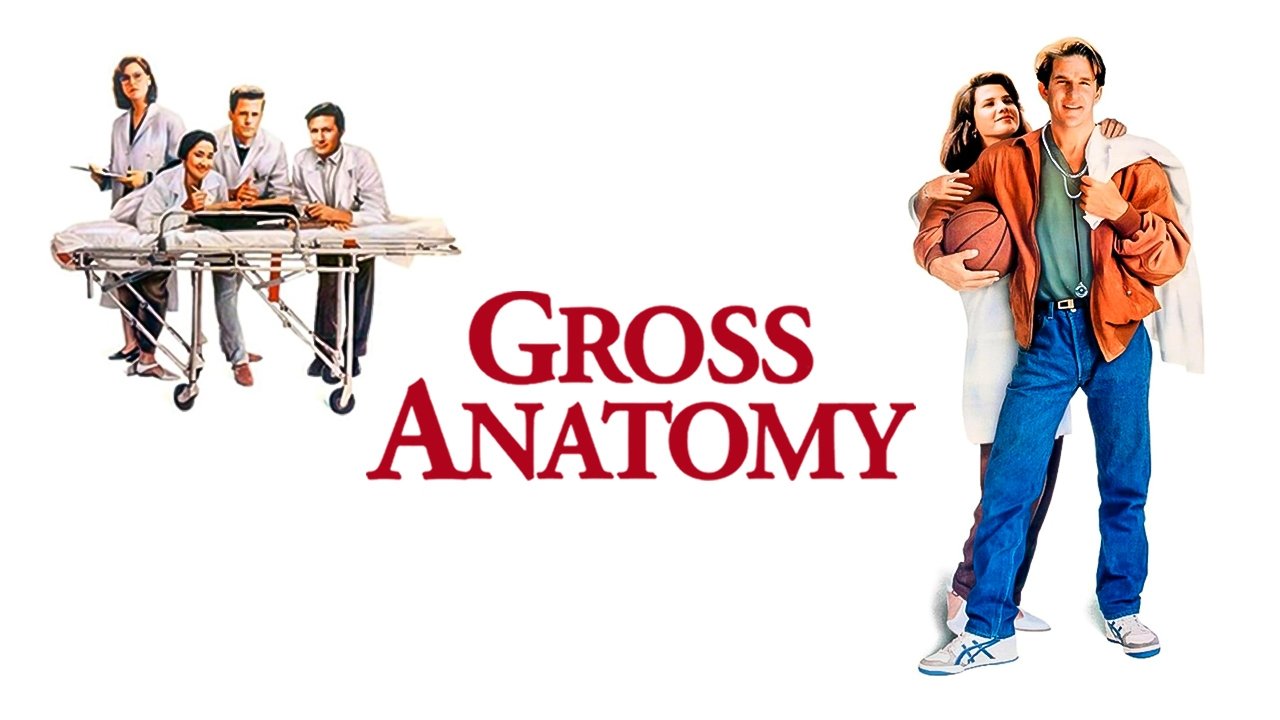
Digging into the making of Gross Anatomy reveals some details that enrich the viewing. Much of it was filmed on location at actual universities (USC and Occidental College stand in for the fictional medical school), lending a tangible sense of place often missing in studio-bound productions. There was also a concerted effort to make the anatomy lab scenes feel authentic – a choice that likely presented unique challenges for the actors, grounding the sometimes-heightened drama in a stark reality. While not a box office behemoth (earning around $11.5 million against its budget), Gross Anatomy definitely found its audience on home video – I certainly remember seeing its distinctive cover art frequently lining the shelves at my local rental store. It became one of those reliable weekend rentals, a solid character piece nestled amongst the action blockbusters and broader comedies.
The Pressure and the Payoff
Does the film follow some familiar narrative beats? Absolutely. The underdog finding his way, the opposites-attract romance, the tough-but-fair mentor – these aren't revolutionary tropes. Yet, Gross Anatomy executes them with sincerity. It avoids easy answers and allows its characters moments of genuine doubt and ethical quandary. What does it truly mean to dedicate your life to medicine? Can you maintain your individuality within such a demanding system? The film doesn't preach, but it certainly asks the questions.
The atmosphere feels distinctly late 80s – the fashion, the earnestness, the particular blend of ambition and anxiety that seemed to permeate many films about young people finding their way. Watching it now evokes a certain nostalgia, not just for the era, but for a time when character-driven dramas like this felt like a staple of the cinematic diet.
Final Diagnosis
Gross Anatomy might not be groundbreaking cinema, but it’s a well-acted, thoughtfully constructed film that explores the pressures of ambition and the human side of medicine with sincerity. The performances, particularly from Modine and the exceptional Lahti, elevate the familiar material. It captures a specific time and feeling, that intense period of forging an identity under immense pressure. It doesn't shy away from the difficulty, but it also retains a core optimism.
Rating: 7/10 - A solid and engaging character drama elevated by strong performances, especially Lahti's. It navigates its familiar territory with sincerity and a welcome dose of realism, making it a worthwhile revisit for fans of late 80s cinema and anyone who appreciates a story about finding your footing when the pressure is on.
It leaves you pondering not just the rigors of medical school, but the universal challenge of reconciling who we are with who we aspire to become. And sometimes, a film that makes you reflect like that is exactly what the doctor ordered.