### Civilized Squabbles Under the African Sun
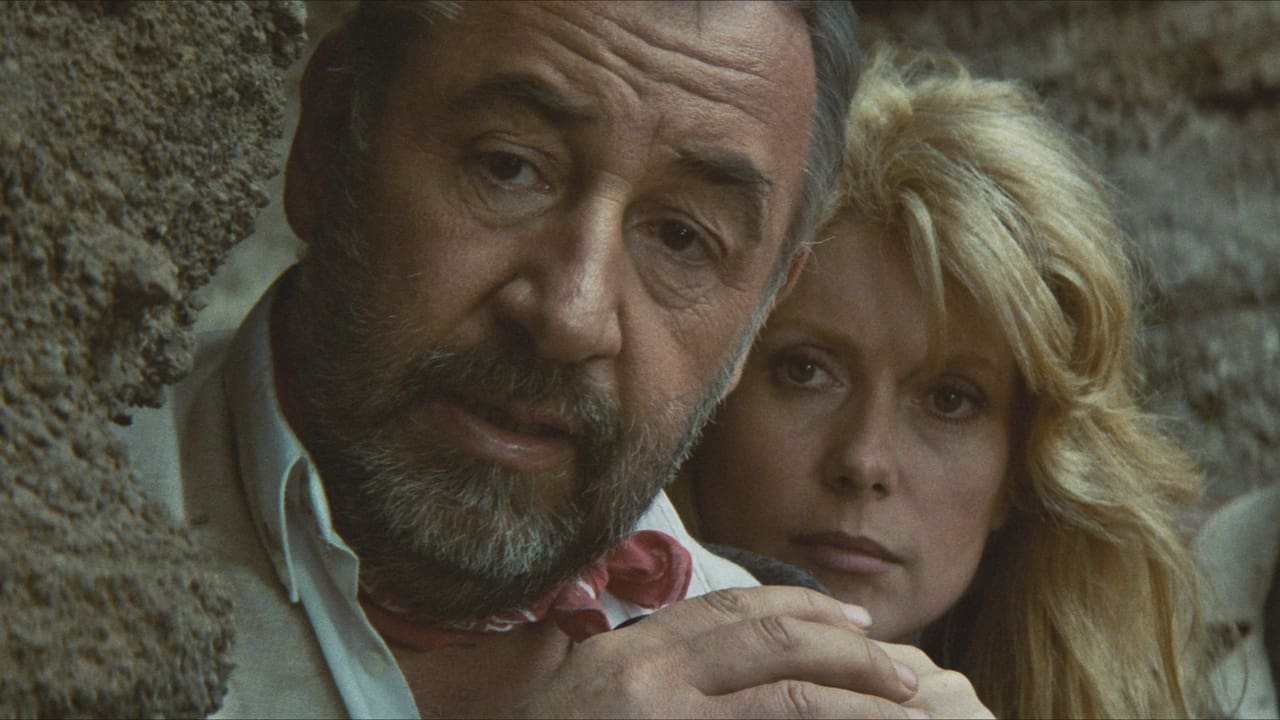
There’s a particular kind of charm reserved for those 80s European co-productions that occasionally washed up on our video store shelves, often nestled between the mainstream blockbusters and the straight-to-video action flicks. L'Africain (1983), directed by the effortlessly stylish Philippe de Broca, is precisely that kind of film – a cinematic postcard from another time and place, carried by the sheer magnetism of its legendary leads. Forget the frantic pacing of Hollywood adventures; this is a film that moves to the rhythm of a sputtering bush plane engine and the leisurely cadence of continental wit.
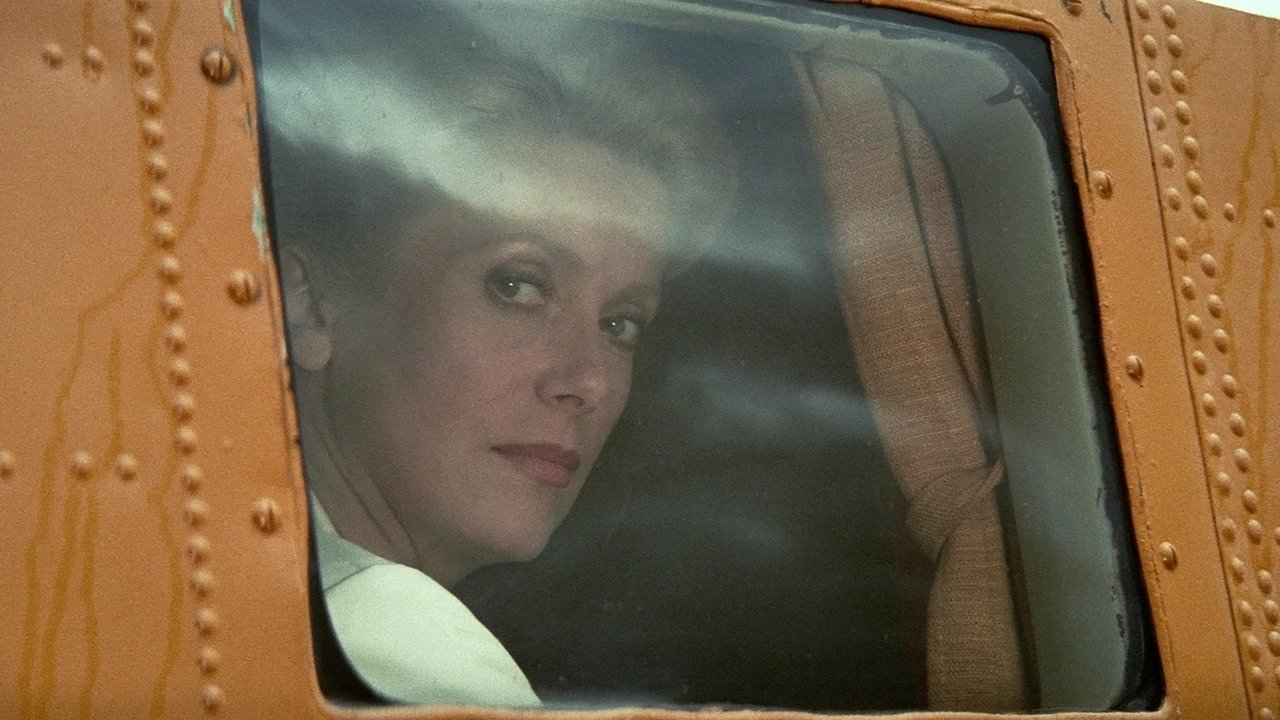
The premise itself feels comfortably familiar, almost archetypal: Charlotte (Catherine Deneuve), a chic Parisian magazine editor, arrives unexpectedly in East Africa. Her mission? To finalize her divorce from Victor (Philippe Noiret), a wonderfully grumpy, seen-it-all bush pilot who has carved out a quiet, self-sufficient life far from the complexities she represents. He’s running a modest tourist operation, content with his routine and the company of his local friends and co-pilot, Planchet (Jean-François Balmer). Charlotte's arrival, however, isn't just about signatures on paper; she brings news of a potential luxury hotel development that threatens Victor's beloved wilderness, forcing an uneasy truce and a shared journey into the stunning, unpredictable landscape.
### When Titans (Gently) Clash
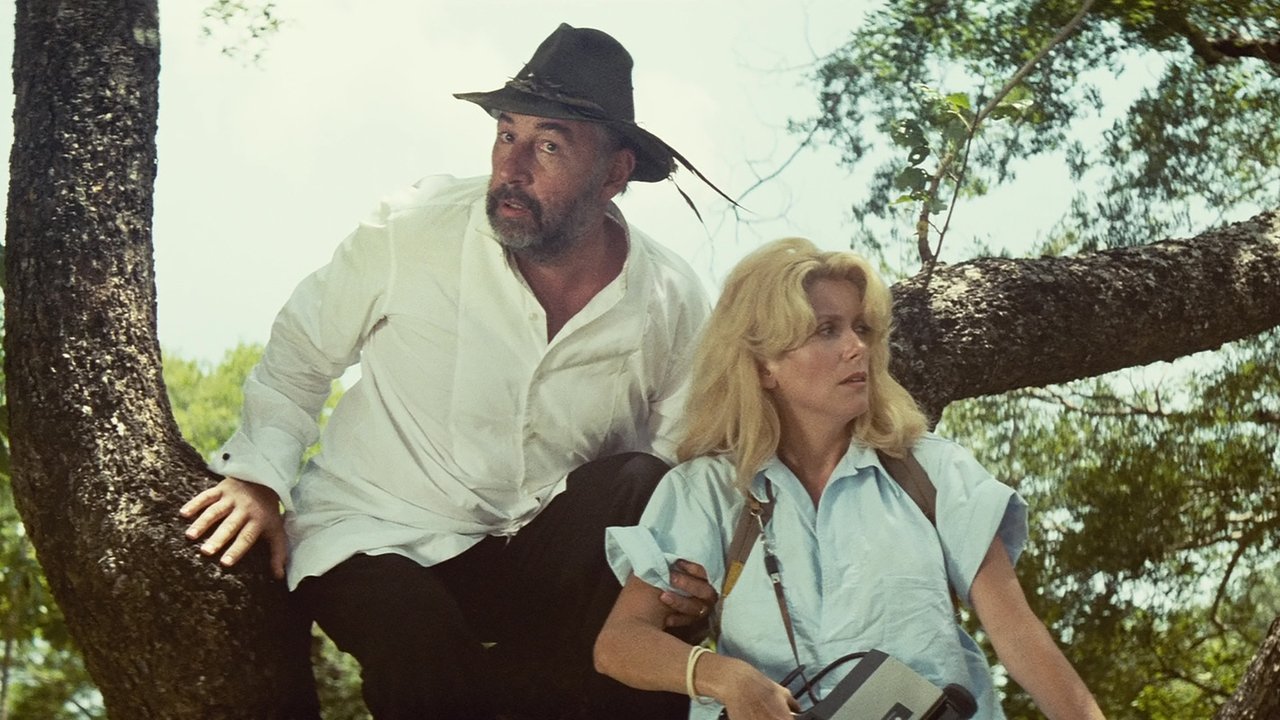
What truly elevates L'Africain beyond a simple fish-out-of-water comedy is the reunion of Deneuve and Noiret. Having previously sparred and sparked in Jean-Paul Rappeneau's Le Sauvage (1975) – another tale of sophisticated Europeans finding friction in exotic locales – their chemistry here feels lived-in, comfortable even in its antagonism. Deneuve, the epitome of French cool, doesn't attempt to hide Charlotte's initial discomfort and faint condescension towards Victor's life, yet she imbues the character with an underlying intelligence and resilience that prevents her from becoming a mere caricature. You see the wheels turning behind those impeccable eyes, calculating, adapting, and perhaps rediscovering something lost.
Noiret, on the other hand, is simply magnificent as Victor. Few actors could convey such profound world-weariness and stubborn integrity with a mere sigh or a raised eyebrow. His Victor isn't an action hero; he's a man who has found peace in simplicity and fiercely guards it. The humour arises not from slapstick, but from the clash of their fundamentally different worlds and personalities – his pragmatic gruffness against her sophisticated exasperation. Their dialogue, penned by de Broca and frequent collaborator Gérard Brach (whose eclectic credits also include writing for Roman Polanski – talk about range!), crackles with the quiet fire of old arguments reignited and unspoken affections resurfacing. It’s a joy to watch these two veterans navigate their characters’ complex history against the backdrop of the Kenyan savanna, where the film was largely shot on location.
### De Broca's Lighter Touch
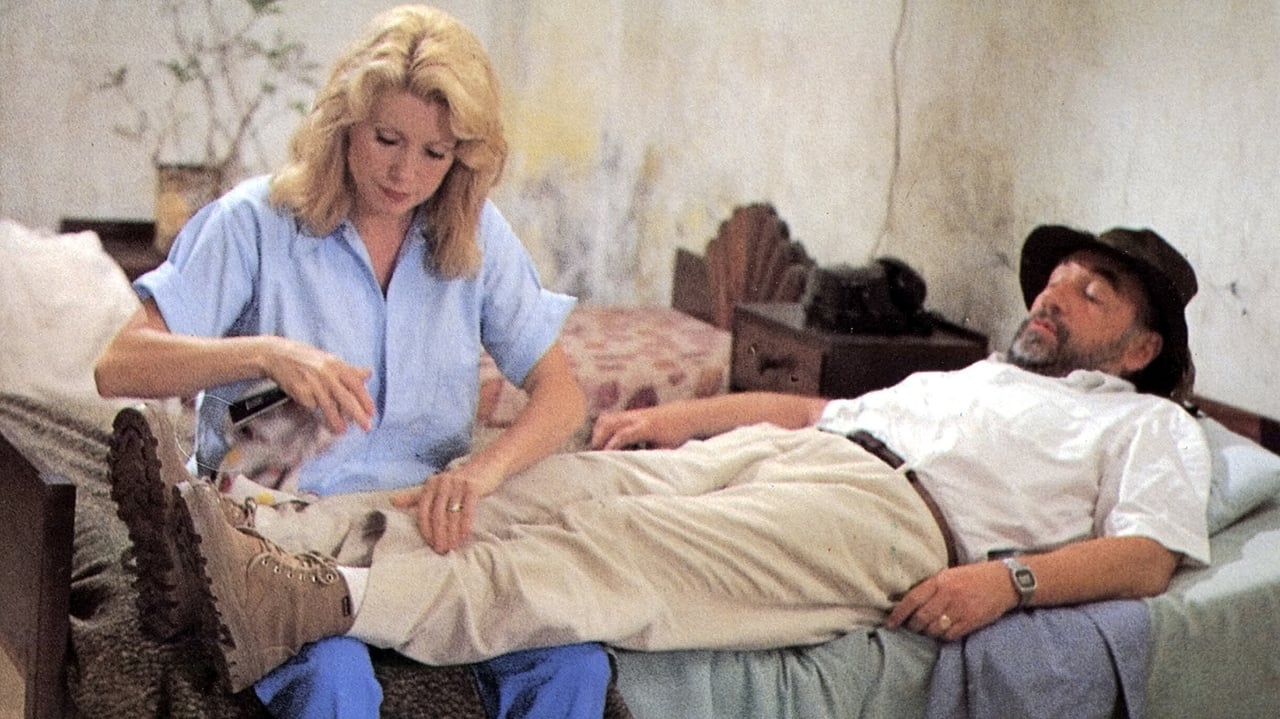
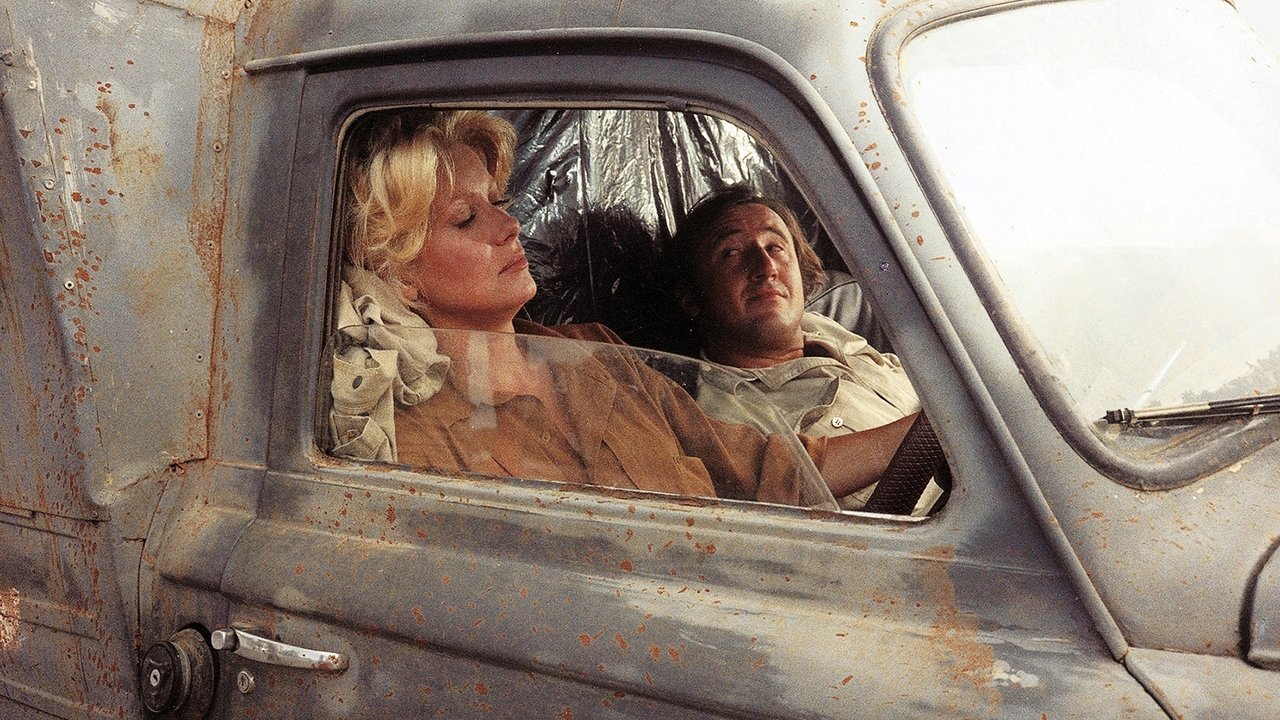
Philippe de Broca, known for his breezy, often Belmondo-led adventures like That Man from Rio (1964) and Cartouche (1962), brings his signature touch of light-hearted escapism to L'Africain. While the stakes involve potential environmental disruption and the rekindling (or final extinguishing) of a marriage, the tone remains largely optimistic and focused on character interaction. The film cost around 25 million French Francs (roughly $3.5 million USD back then, maybe $10-11 million today – modest even for the time), and de Broca makes the most of the stunning locations. You can almost feel the heat haze and smell the dust kicked up by the Land Rover.
Don't expect high-octane thrills or intricate plotting. This isn't Raiders of the Lost Ark (1981). The "adventure" is more about navigating cultural misunderstandings, logistical hiccups (like Victor's perpetually unreliable plane), and the internal landscapes of the characters. One charming detail often missed is how Victor's plane, a Stampe SV.4 biplane, almost becomes a character itself – temperamental, aging, but ultimately dependable, much like its pilot. The supporting cast, including the ever-reliable Jean-François Balmer as the loyal co-pilot, adds texture without distracting from the central duo. There’s a gentle humanism at play, a respect for the local culture presented without overt exoticism, which feels quite refreshing compared to some contemporary Hollywood depictions.
### Echoes on the VHS Tape
Watching L'Africain today evokes a specific kind of nostalgia. It reminds me of those times browsing the foreign film section of the video store, picking up a tape based solely on the familiar faces on the cover – Deneuve and Noiret were guarantees of quality, even if the film itself was unknown. Sometimes these tapes had slightly wonky English dubs that added an unintentional layer of charm (though seeking out a subtitled version is always recommended!). It wasn't a film that made huge waves internationally, certainly not in the US market, but it found its audience in France and among cinephiles who appreciated its unhurried pace and star power.
It’s a film that feels decidedly European in its sensibilities – more concerned with conversation than confrontation, more invested in atmosphere than action set-pieces. Does the plot feel a little thin sometimes? Perhaps. Are some elements dated? Certainly. But the pleasure lies in the execution, the effortless charisma of the leads, and the beautiful cinematography capturing the Kenyan landscape. It's a reminder that not all adventures need to involve explosions and treasure maps; sometimes, the greatest discoveries happen during a quiet conversation under a vast, foreign sky.
---
Rating: 7/10
Justification: L'Africain earns a solid 7 primarily on the strength of its legendary leads. The chemistry between Catherine Deneuve and Philippe Noiret is undeniable, elevating a somewhat standard "opposites attract/clash" narrative. Philippe de Broca's direction provides charming, light-hearted escapism, beautifully capturing the Kenyan locations. While the plot is somewhat leisurely and lacks high stakes, the witty dialogue and character interactions make it a thoroughly pleasant watch. It’s a well-crafted, enjoyable piece of 80s European cinema, perfect for fans of the stars or those seeking a gentler adventure film.
Final Thought: It lingers not as a pulse-pounding adventure, but as a warm, slightly wistful character piece – a reminder that sometimes the most foreign territory we navigate is the human heart, especially one we once shared.