It drifts into memory like a ghost ship on a foggy sea – the sheer, almost baffling existence of Roman Polanski's Pirates (1986). Here was a director synonymous with claustrophobic tension and psychological darkness (Rosemary's Baby (1968), Chinatown (1974)), suddenly at the helm of a sprawling, sun-drenched, incredibly expensive swashbuckler. And starring... Walter Matthau? Pulling this tape off the shelf back in the day felt less like choosing a movie and more like accepting a dare. What strange treasure, or perhaps what watery grave, awaited inside that plastic clamshell?
A Galleon of Ambition
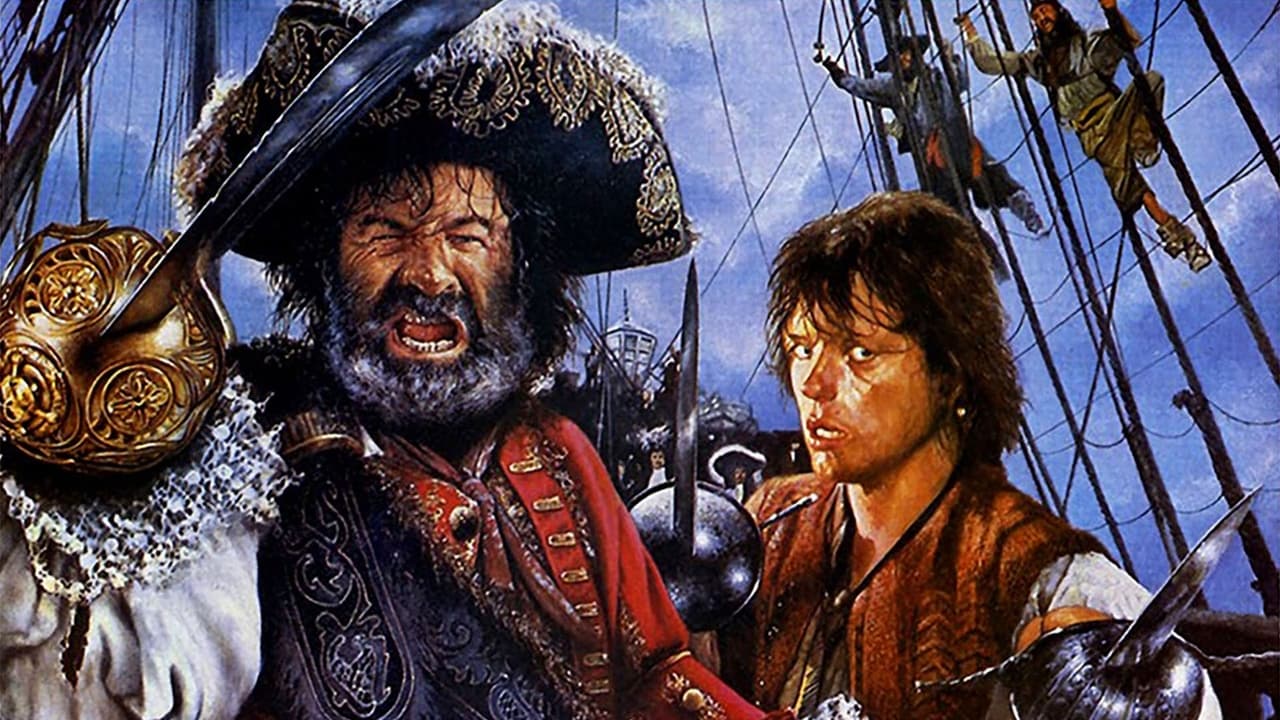
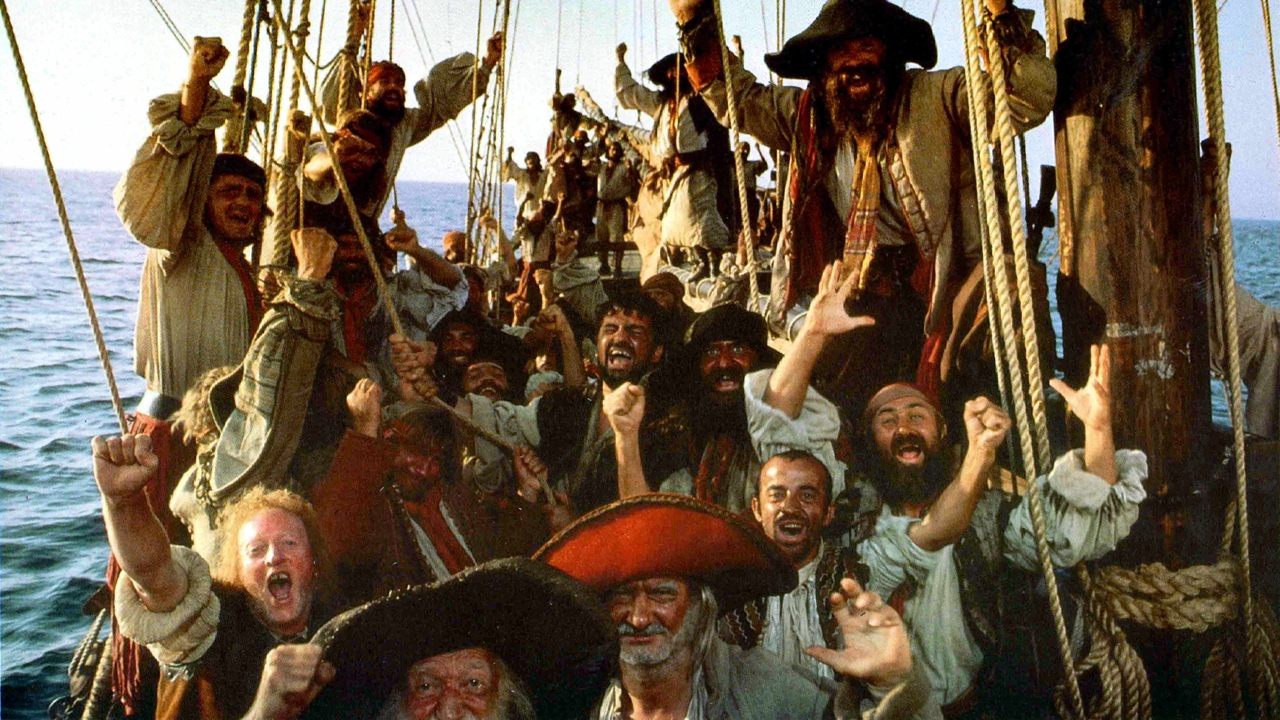
You cannot discuss Pirates without first acknowledging the Neptune. The full-scale, operational Spanish galleon constructed for the film wasn't just a set piece; it was the heart of the production, a tangible symbol of Polanski's decades-long obsession with bringing a grittier, muck-and-ale vision of piracy to the screen. Built in Tunisia at a staggering cost (reportedly upwards of $8 million of the film's eye-watering $40 million budget – that's around $110 million today!), the ship is undeniably magnificent. Seeing it crest the waves, teeming with Matthau's scurvy crew, feels authentic in a way that CGI rarely captures. Polanski clearly reveled in the practical scale, the texture of weathered wood and salt-stained canvas. This wasn't the clean, romanticized deck Errol Flynn swashbuckled across; this felt damp, dangerous, and likely riddled with splinters. The film’s lone Oscar nomination, for Anthony Powell's Costume Design, further speaks to this commitment to tangible, detailed world-building.
Matthau Swabs the Deck
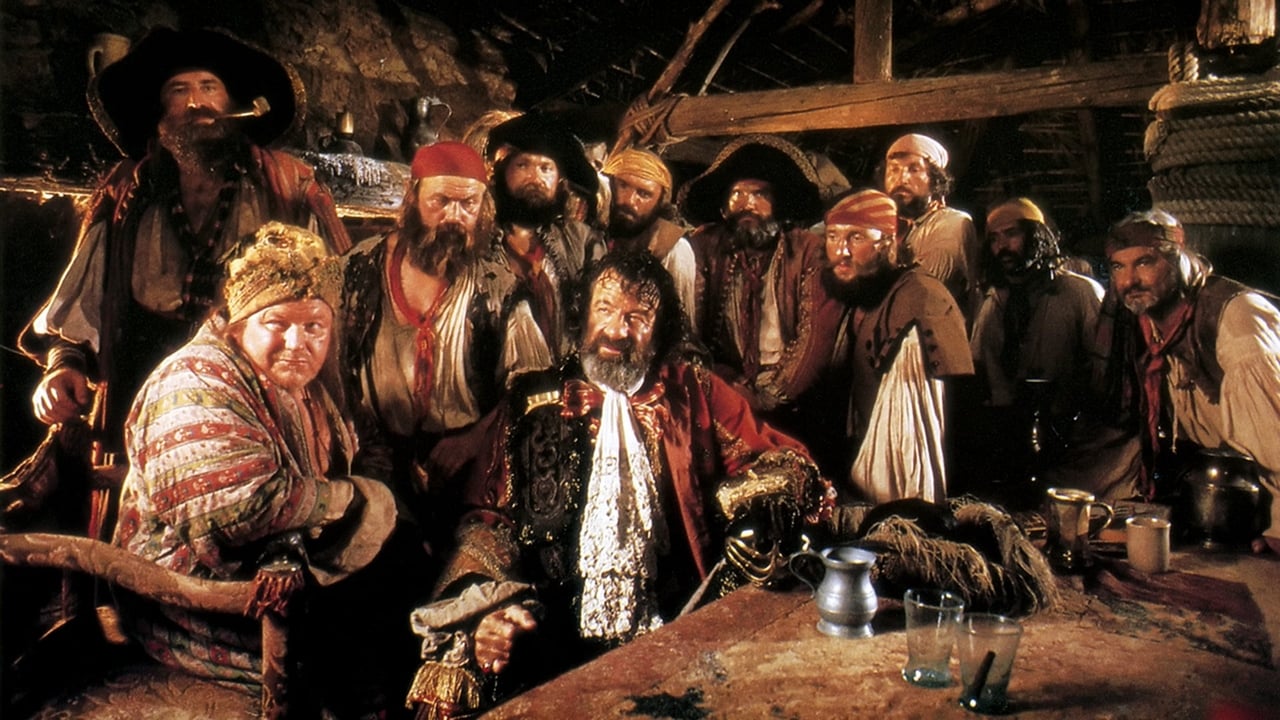
At the center of this spectacle is Walter Matthau as the one-legged Captain Thomas Bartholomew Red. It's a performance that remains fascinatingly off-kilter. Matthau, the master of hangdog urban comedy, doesn't exactly disappear into the role. Instead, he bends Captain Red to his own inimitable persona – perpetually grumpy, scheming, cynical, yet possessed of a surprising, almost Vaudevillian physicality. His peg-legged gait, his bellowing commands, his undisguised avarice... it's less a traditional pirate captain and more Walter Matthau as a pirate captain. Does it entirely work? That’s debatable. There are moments where his comedic timing feels slightly out of sync with the attempted realism elsewhere, but it's never less than watchable. His relationship with his young French captive-turned-protégé, Jean-Baptiste, aka "The Frog" (played with wide-eyed earnestness by Cris Campion), provides the film's narrative spine, a shaky alliance built on mutual desperation and Captain Red’s relentless desire for a hidden Aztec throne.
Navigating Troubled Waters
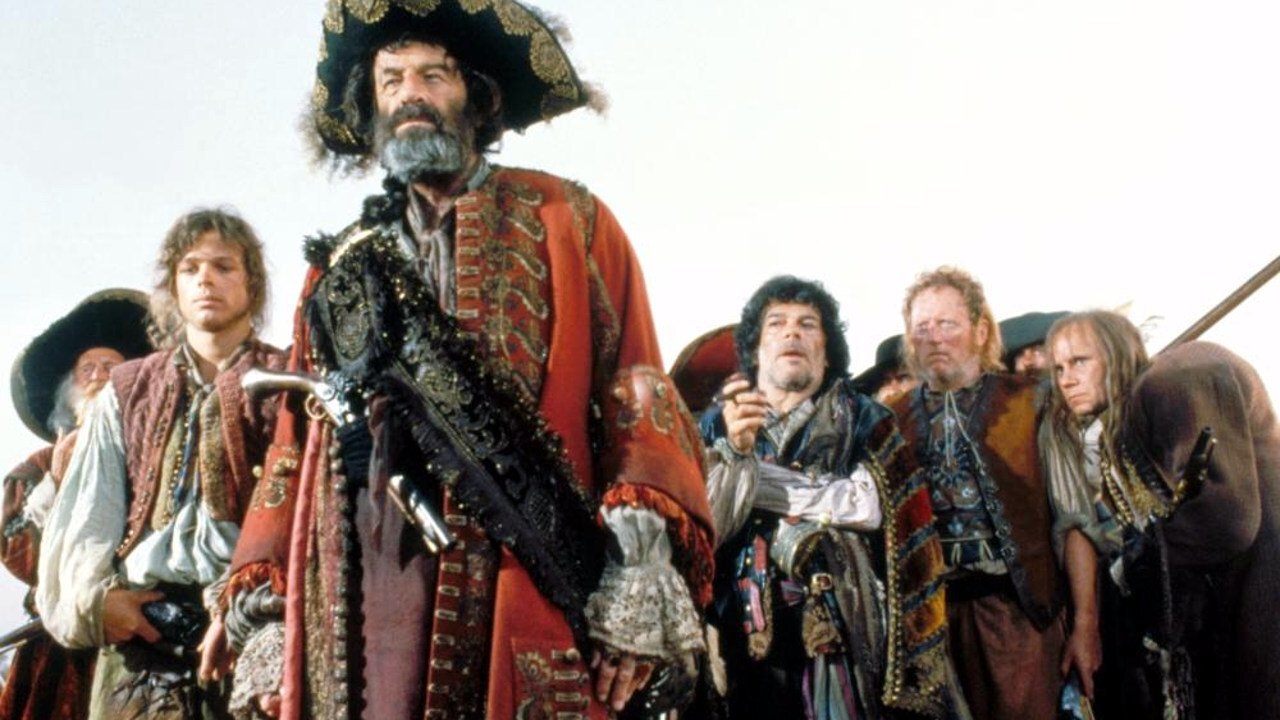
Polanski's ambition, however, proved both the film's strength and its potential undoing. This was a passion project nurtured since the 70s, originally envisioned perhaps with Jack Nicholson in the lead. The long gestation and eventual massive scale led to a famously troubled production and a spectacular box office shipwreck (grossing a mere fraction of its cost). Watching it now, you can sense the strain. The pacing often feels uneven, meandering between slapstick comedy, brutal violence (it's surprisingly grim at times), and attempts at grand adventure. The tone wobbles – is it a farce? A realistic pirate procedural? A cynical adventure yarn? It tries to be all three, succeeding fully at none. The script, co-written by Polanski and his frequent collaborator Gérard Brach, feels episodic, lacking a truly propulsive narrative drive beyond the hunt for treasure. Supporting characters, like the haughty Spanish officer Don Alfonso (Damien Thomas), often feel more like archetypes than fully fleshed-out individuals.
More Than Just a Curiosity?
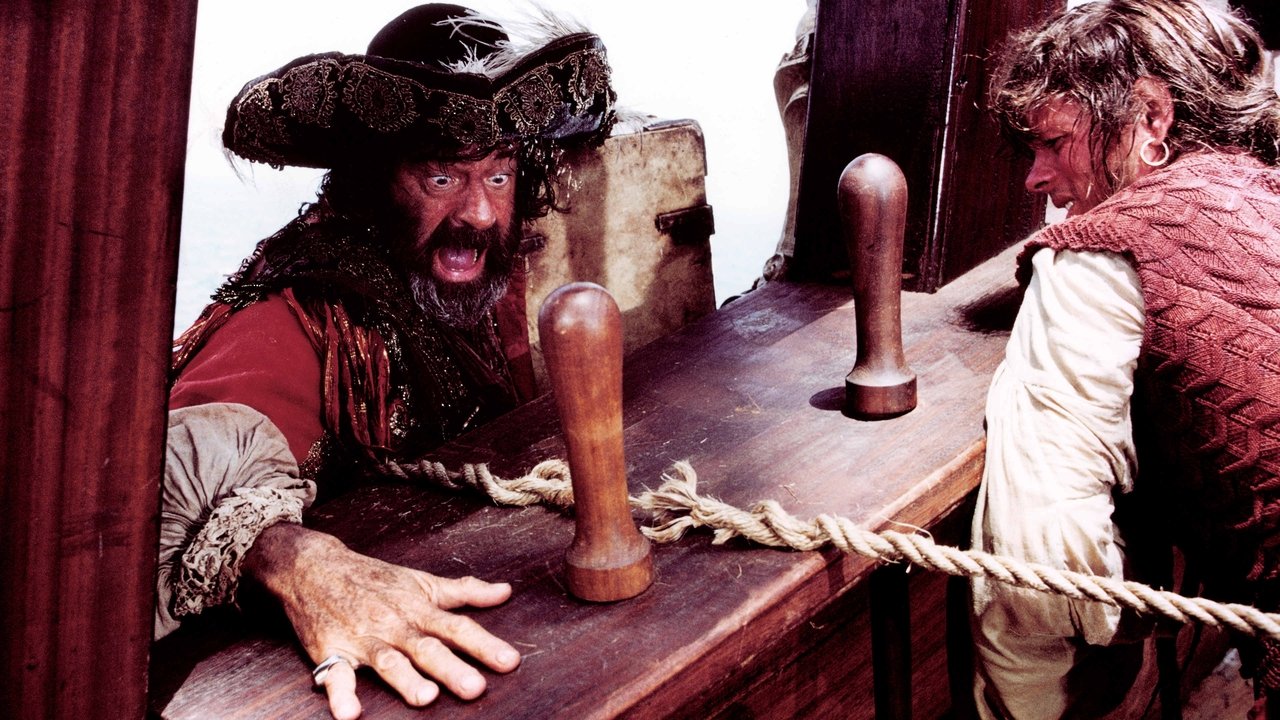
So, what lingers after the credits roll and the sound of lapping waves fades? Pirates isn't a forgotten masterpiece, nor is it simply "so bad it's good." It's something stranger – a colossal folly, perhaps, but one crafted with undeniable skill and a peculiar vision. Polanski's eye for composition is still evident, even amidst the chaos. The sheer physicality of the production, the commitment to practical effects and real locations (like Tunisia and Malta), gives it a weight often missing from modern blockbusters. And Matthau, bless his salty heart, delivers a performance that is, if nothing else, utterly unique in the annals of pirate cinema. You certainly won't mistake him for Captain Jack Sparrow.
I remember finding the oversized VHS box for Pirates almost intimidating on the rental store shelf. It promised something epic, and in terms of sheer production scale, it delivered. The story itself might have been lost at sea, but the voyage itself? Unforgettable. It’s a testament to a time when a director’s singular, perhaps slightly mad, vision could command such enormous resources, even if the final map didn't quite lead to box office gold.
Rating: 6/10
The score reflects the film's undeniable technical achievements, the impressive production design (especially the Neptune), and Matthau's bizarrely compelling central performance. Points are deducted for the inconsistent tone, meandering plot, and overall feeling that the immense effort didn't quite coalesce into a satisfying whole. It’s a fascinating, flawed artifact of big-budget 80s ambition.
Pirates remains a curious case: a cinematic leviathan that ultimately capsized, yet its sheer audacity and the strangeness of its star turn ensure it stays afloat in the memory, a unique oddity bobbing in the vast ocean of 80s cinema.