Okay, pull up a comfy chair, maybe pour yourself something warm. Let's talk about a film that feels carved from granite and ice: José Giovanni's 1983 adventure-drama, Le Ruffian (often simply known as The Ruffian stateside). There's a particular flavour to these European co-productions from the era, isn't there? A certain ruggedness, a lack of Hollywood gloss that often makes them feel more grounded, more tangible, even when dealing with stolen gold and desperate measures.
Against the Frozen Expanse
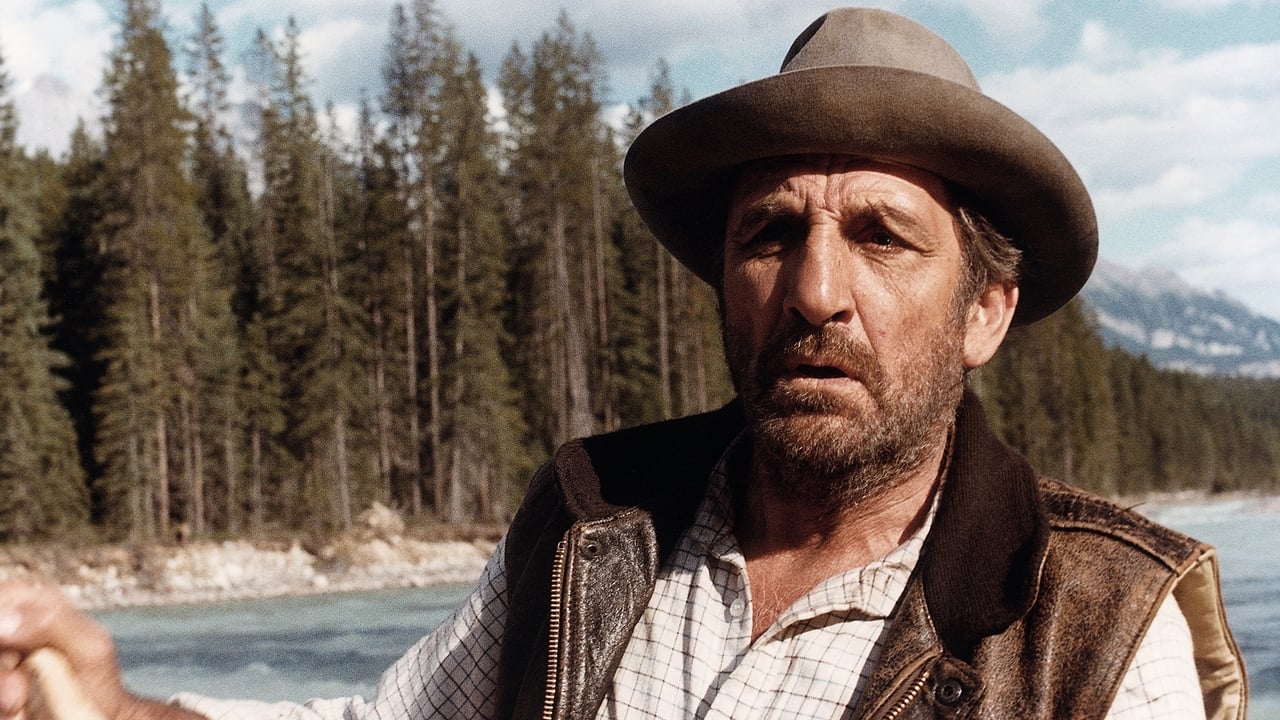
What strikes you first about Le Ruffian is the sheer, imposing presence of its setting. The film plunges us into the stark, snow-choked landscapes of the Canadian North, a place where survival is a daily battle against the elements, long before human antagonists even enter the picture. It’s here that Aldo (Lino Ventura), a man whose face seems etched with the map of a hard life, pulls off a daring heist, liberating a fortune in gold dust from a mining company. His escape, however, hinges on a small plane piloted by the younger, perhaps more reckless John (Bernard Giraudeau), and when disaster strikes, leaving John paralyzed, Aldo finds himself bound by an unexpected, almost grudging sense of loyalty. This isn't just a heist flick; it swiftly morphs into a story of survival, interdependence, and the lengths one might go to for a chance at a different life – or simply to honour a debt.
A Trio Forged in Hardship
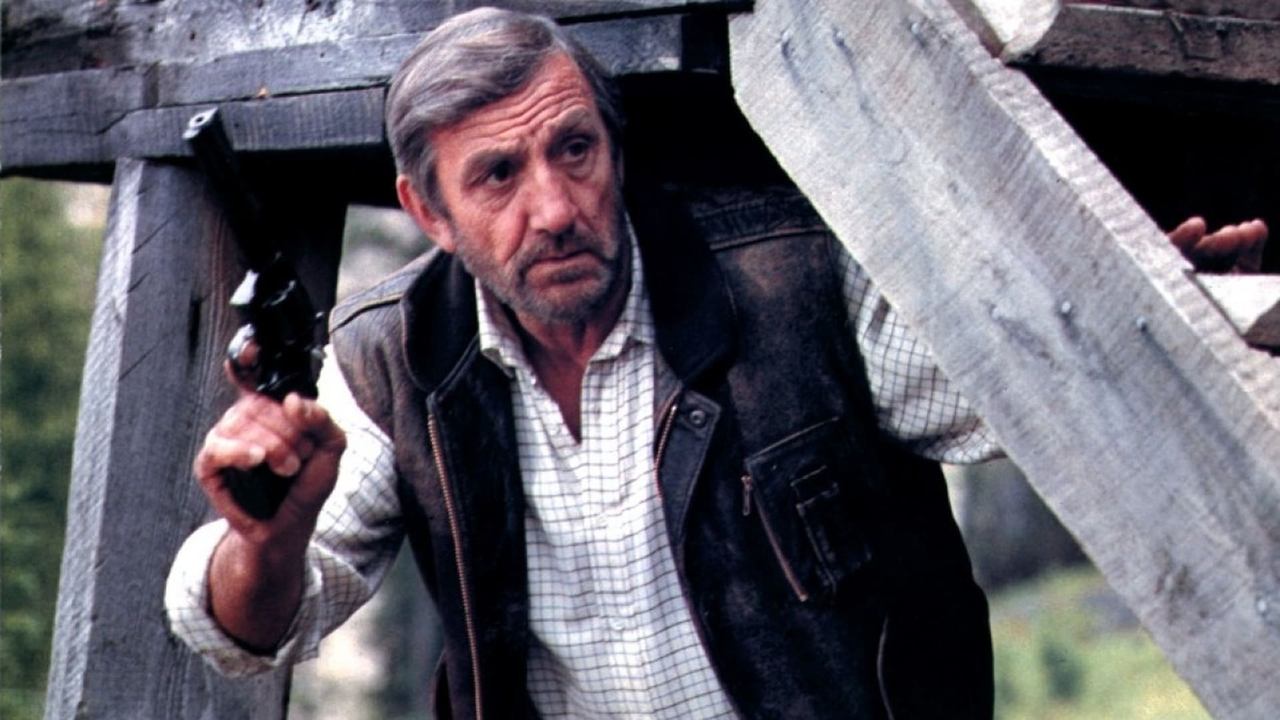
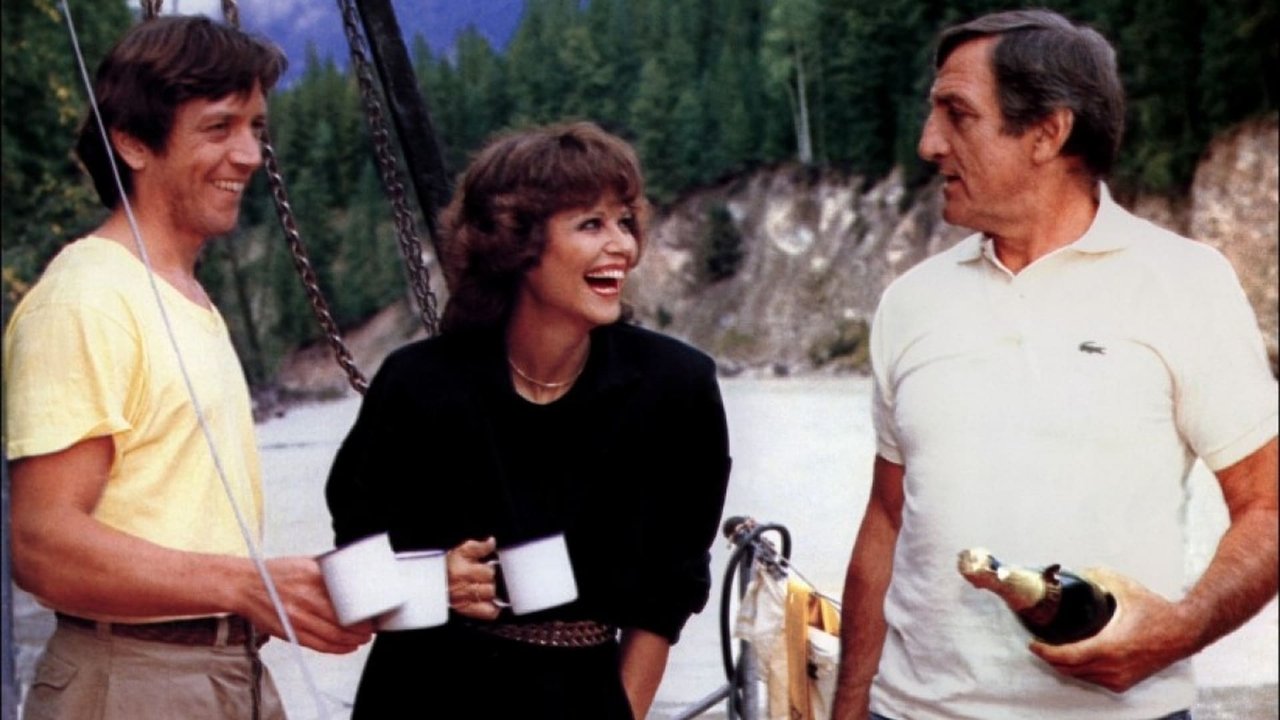
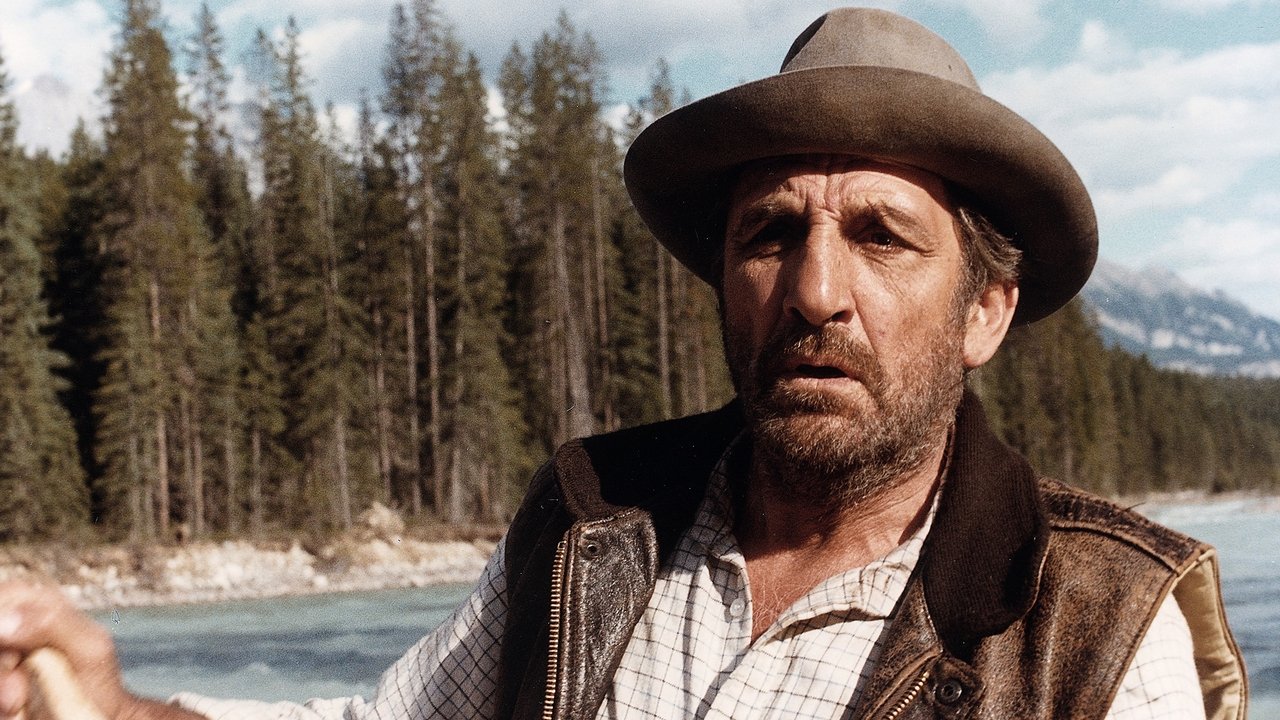
The heart of the film lies not just in the quest to retrieve the hidden gold, but in the evolving dynamic between Aldo, John, and Eleanor (Claudia Cardinale), the pragmatic owner of a remote truck stop who becomes their unlikely partner. Ventura, a true icon of French cinema often seen in gritty crime thrillers like Classe tous risques or Le clan des Siciliens, is perfectly cast. He embodies Aldo with a world-weary gravitas, a man of few words whose actions speak volumes. His stoicism isn't coldness, but a shield forged by experience. You believe this man could survive almost anything, yet you also see the flicker of conscience that drives him to help John.
Bernard Giraudeau, who sadly left us far too soon, gives a powerful performance as John. He masterfully conveys the frustration, despair, and ultimately, the fierce determination of a man suddenly stripped of his physical freedom but not his spirit. The film doesn't shy away from the harsh realities of his condition, making his participation in the perilous journey to recover the gold feel both fraught and inspiring. And Claudia Cardinale, a screen legend in her own right (think Once Upon a Time in the West), brings a grounded strength to Eleanor. She’s no mere love interest or passive bystander; she’s weathered her own storms and approaches the dangerous proposition with clear-eyed pragmatism, becoming an essential part of their fragile alliance.
Giovanni's Imprint and Retro Realism
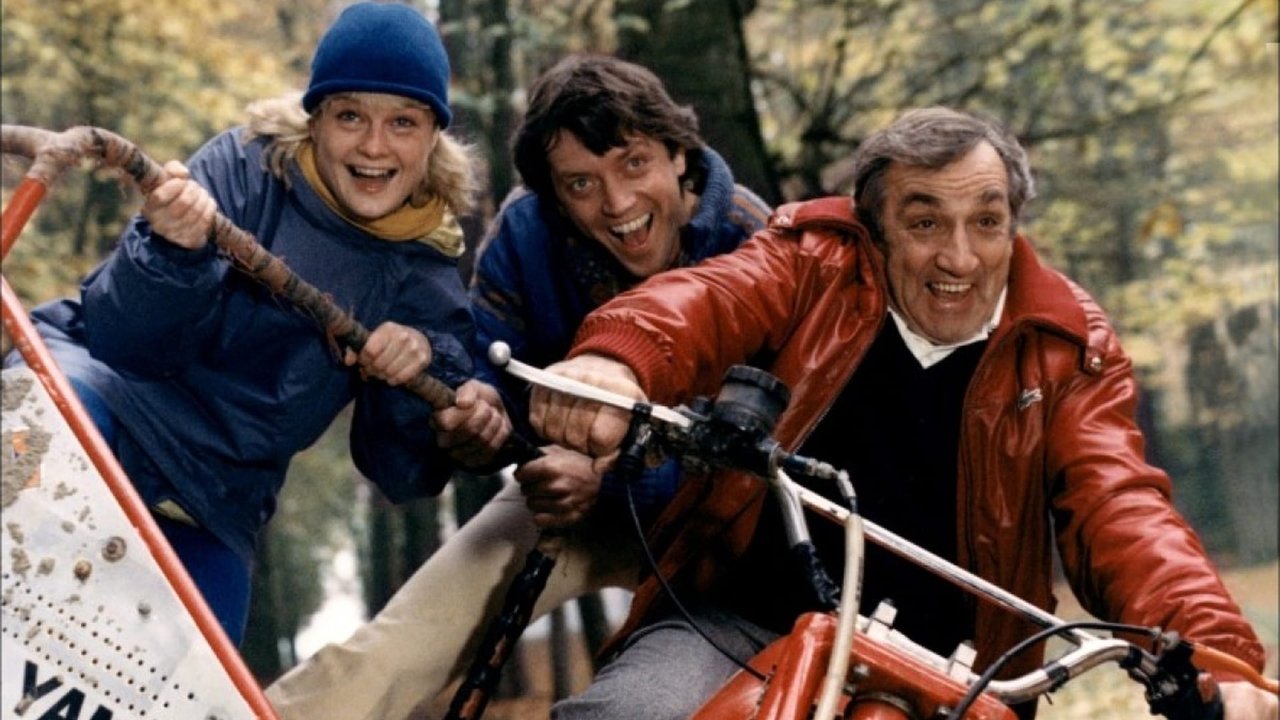
Director and writer José Giovanni knew a thing or two about hard lives and desperate situations, having famously spent years in prison before turning to writing and filmmaking. His past often informed his work, lending an air of authenticity to his tales of criminals, outsiders, and the complex codes of honour that bind them. Le Ruffian is adapted from his own novel, and you can feel his affinity for these characters living on the fringes. He directs with a steady, unfussy hand, letting the stark beauty and inherent danger of the locations do much of the heavy lifting.
Speaking of locations, filming extensively in British Columbia, Canada, gives the movie an incredible sense of scale and isolation. You really feel the cold, the remoteness. I distinctly recall renting this one back in the day, probably on a whim based on Ventura's face on the VHS box, and being struck by how real the struggle felt. The practical effects, particularly the sequences involving the modified six-wheel-drive truck battling treacherous terrain, have that tangible quality we often miss now. There's a genuine sense of mechanical strain and physical effort involved – reportedly, navigating the snowy slopes with that beast of a truck was a significant challenge for the stunt team, adding another layer of gritty realism that CGI often smooths away. It's this commitment to the practical, the tangible struggle against a real environment, that firmly roots Le Ruffian in its era and gives it a lasting appeal for fans of old-school adventure filmmaking. It wasn't a massive budget film by Hollywood standards of the day, but it certainly put its resources on screen, creating a believable world.
More Than Just Gold
While the plot revolves around recovering the stolen fortune, the film is arguably more interested in the human element. What does loyalty mean when weighed against personal safety or immense wealth? How does facing extreme adversity reveal a person's true character? The gold becomes almost a MacGuffin, the catalyst forcing these disparate individuals together and testing their limits. The atmosphere is thick with unspoken tensions – the ever-present threat of betrayal, the physical dangers of the wilderness, and the ghosts of their past lives. It asks us, subtly, what truly constitutes a 'score' – is it the gold, or is it emerging from the ordeal with one's humanity, however battered, still intact?
Final Thoughts
Le Ruffian isn't necessarily a fast-paced thrill ride. It takes its time, allowing the atmosphere to seep in and the characters' relationships to develop organically. Some might find the pacing deliberate, but it suits the harsh environment and the weighty themes. It stands as a solid example of the kind of character-driven European adventure films that offered a grittier alternative to slicker Hollywood fare, carried by superb performances from its veteran leads. It’s a testament to Ventura’s enduring screen presence and Giovanni’s knack for crafting compelling stories about men pushed to their limits.
Rating: 7/10
Justification: The strong central performances, particularly from Ventura and Giraudeau, combined with the evocative atmosphere created by the authentic Canadian locations and Giovanni's assured direction, make this a compelling watch. The practical stunt work adds a layer of visceral realism. It loses a point or two for occasional pacing lulls and a somewhat familiar narrative arc, but its strengths firmly outweigh its weaknesses for fans of the genre and era.
Lingering thought: It’s the quiet moments that stick with you – Aldo’s stoic gaze across the snow, John’s determination in the face of despair, Eleanor’s resilience – proving that sometimes the greatest adventures are the internal ones, played out against an unforgiving external world. A solid slice of 80s Euro-adventure worth tracking down.