Alright, pop that tape in the VCR, maybe give the tracking a little nudge, and let’s talk about a comedy that hit like a perfectly timed punchline back in '83: John Landis's Trading Places. Remember finding this gem on the shelf at the video store? Maybe the cover art with Dan Aykroyd looking utterly broken and Eddie Murphy looking like he owned the world caught your eye. This wasn't just another goofy 80s flick; it had bite. It felt sophisticated, even a little dangerous, wrapped up in some of the decade's biggest laughs.
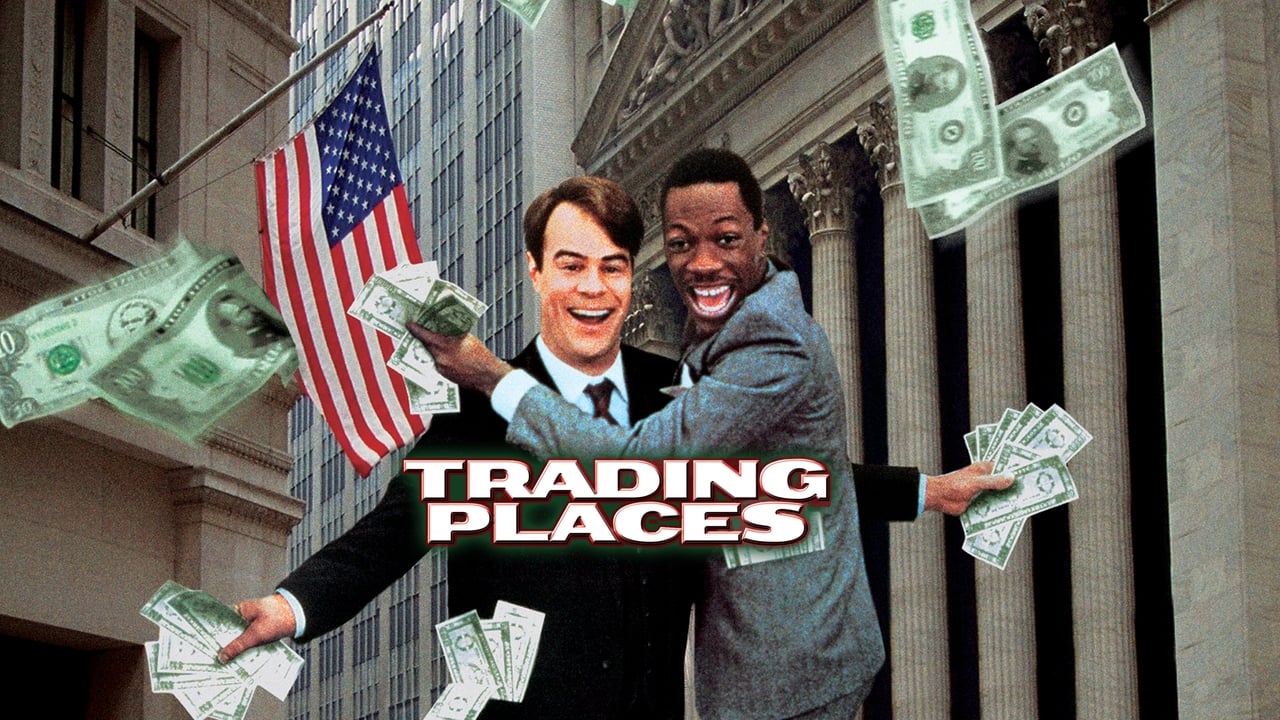
The premise alone is pure gold, cooked up by writers Timothy Harris and Herschel Weingrod: two ancient, absurdly wealthy brothers, Randolph (Ralph Bellamy) and Mortimer Duke (Don Ameche), make a callous one-dollar bet. Can they take their star commodities broker, the primped and privileged Louis Winthorpe III (Dan Aykroyd), and turn him into a criminal? And conversely, can they pluck street hustler Billy Ray Valentine (Eddie Murphy) off the streets and transform him into a successful executive? Nature versus nurture, played out with devastatingly funny consequences on the cold streets and in the opulent boardrooms of Philadelphia.
A Masterclass in Contrasting Comedy
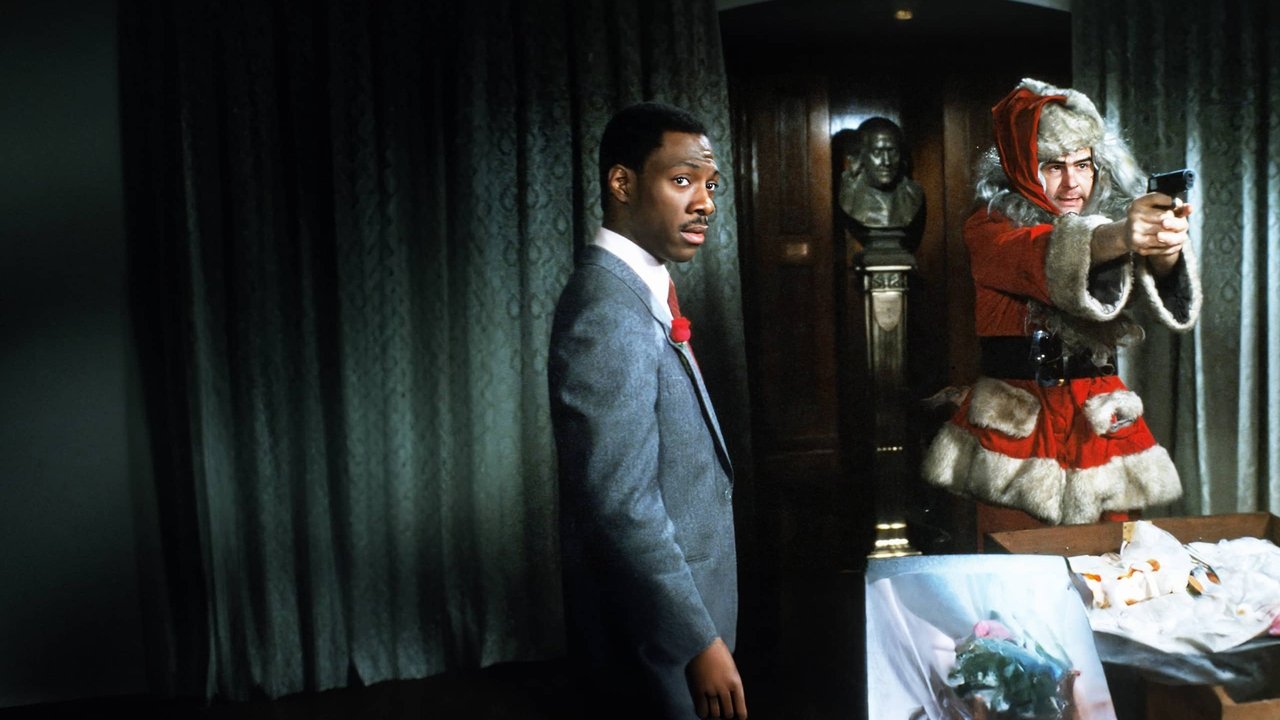
What makes Trading Places sing, even forty years later, is the absolute perfect storm of casting. Dan Aykroyd, fresh off Blues Brothers (another Landis collaboration, naturally), is brilliant as Winthorpe. Watching his meticulously constructed world crumble is comedic agony at its finest. He goes from fussy Ivy League snobbery to rain-soaked, suicidal despair with pitiful perfection. His drunken Santa Claus scene? An all-timer. Aykroyd leans into the pathetic, making Winthorpe’s eventual turnaround even more satisfying.

And then there's Eddie Murphy. Man, this was peak early Murphy. Right off 48 Hrs. and still lighting up Saturday Night Live, his charisma is thermonuclear here. Billy Ray Valentine isn't just a fish out of water; he’s a shark dropped into a fancy koi pond, instantly sizing everyone up and turning the tables with infectious energy and lightning-fast wit. Remember his bewildered reactions to the butler, Coleman (Denholm Elliott, utterly perfect)? Or his explanation of the stock market to his old buddies? Pure Murphy magic. It’s wild to think that originally, the roles were considered for Gene Wilder and Richard Pryor – hard to imagine now, given how definitive Aykroyd and Murphy became.
More Than Just Laughs
But Trading Places wasn't just a vehicle for its stars. It’s got a surprisingly sharp satirical edge, skewering the callousness of the ultra-rich and the absurdity of the class system. The Duke brothers, played with gleeful malevolence by screen legends Bellamy and Ameche (who won a Best Supporting Actor Oscar for his comeback role!), are fantastic villains – utterly convinced of their own superiority, viewing people as mere pawns in their cruel games. Their casual racism and classism feel shocking even today, reminding us that Landis wasn't afraid to inject some real commentary into his comedies, much like he did with Animal House.
And let's not forget Jamie Lee Curtis as Ophelia, the hooker with a heart of gold (and a surprisingly savvy investment plan). This role was a game-changer for her, proving she could do sharp comedy just as effectively as scream her lungs out in horror films like Halloween. She holds her own completely against Aykroyd and Murphy, bringing warmth and intelligence to a character that could have easily been a stereotype. There's a reason people still talk about her performance; she’s fantastic. Fun fact: apparently, the studio wasn't initially keen on Curtis, known primarily as a "scream queen," but Landis fought for her. Good call, John!
That 80s Feeling, Warts and All
Watching it now, yeah, some elements feel distinctly '80s. The casual nudity (particularly during the train sequence) and certain attitudes definitely place it in its time. The infamous blackface disguise sequence near the end, while played for laughs within the plot's context, lands differently today. But the core engine of the film – the brilliant performances, the tight plotting, and the satisfying revenge narrative – still works incredibly well.
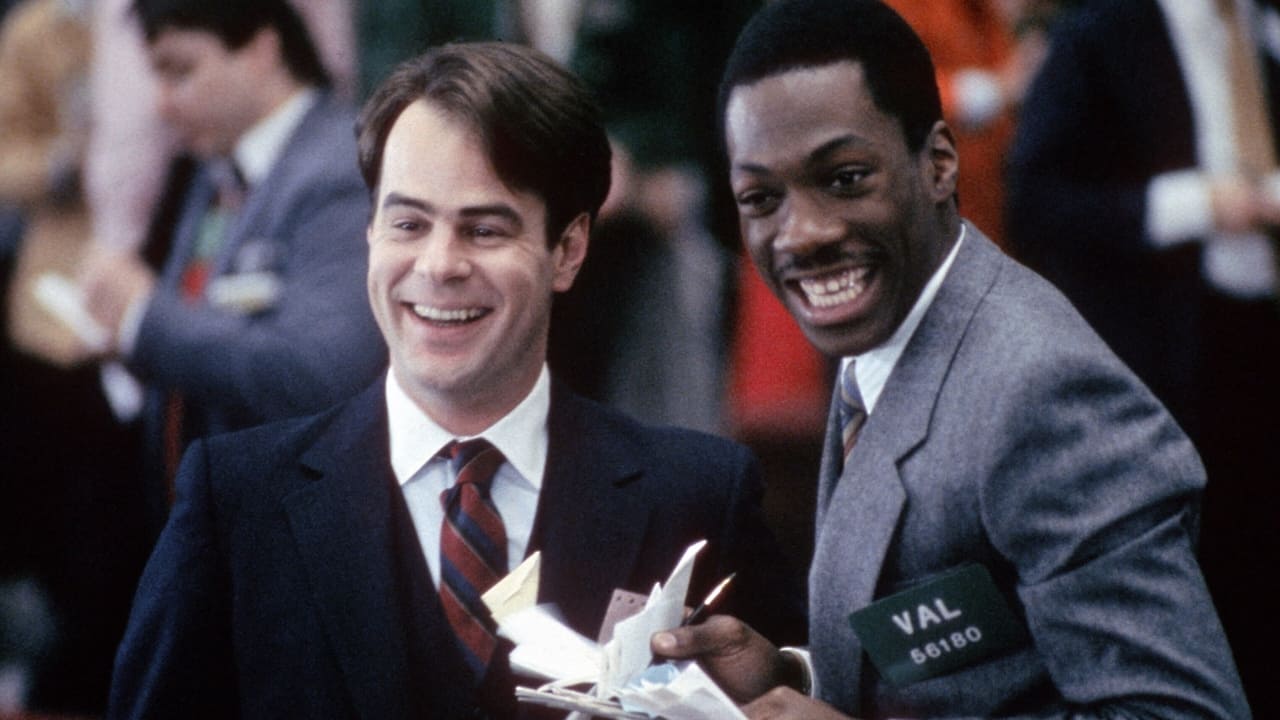
The climax on the floor of the Commodities Exchange is a masterstroke of controlled chaos. Filming that scene was apparently quite an undertaking, coordinating hundreds of extras to simulate the frenetic energy of real trading. It might not have CGI spectacle, but the sheer human energy, the fast-talking explanations of frozen concentrated orange juice futures, and the pure elation (and despair) on people's faces feels incredibly tangible. And yes, the gorilla. You can't talk Trading Places without mentioning the gorilla suit – a perfectly absurd payoff.
The Verdict
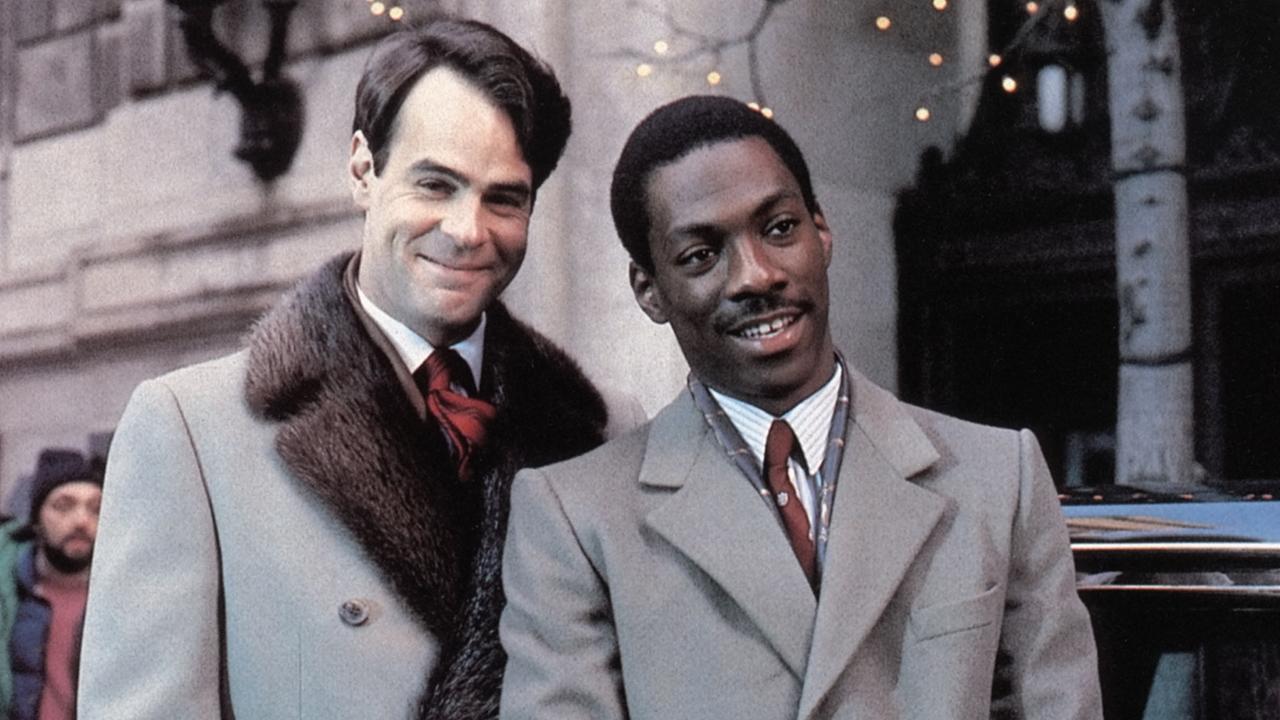
Trading Places was a massive hit back in '83, cementing Murphy's movie stardom and reminding everyone of Aykroyd's versatility. It’s one of those comedies that felt smart when you first saw it on that slightly worn VHS tape late at night. It treated the audience like adults, mixing genuinely funny situations with cutting social observations. The chemistry between the leads is electric, the supporting cast is flawless, and the direction by Landis keeps things moving at a brisk, confident pace, blending laughs with genuine stakes.
Rating: 9/10
Why the high score? Because Trading Places remains a brilliantly constructed comedy powerhouse. The lead performances are iconic, the script is sharp and funny with surprising depth, and the supporting cast elevates every scene. It perfectly balances high-concept farce with pointed social satire, delivering laughs that have barely aged, even if some of the surrounding packaging feels very much of its era.
Final Take: It’s the kind of whip-smart, star-driven studio comedy they genuinely don’t make anymore – a vintage 80s delight that proves laughter really can be the best revenge. Still hilarious, still relevant. Go dig out that tape (or, you know, stream it).