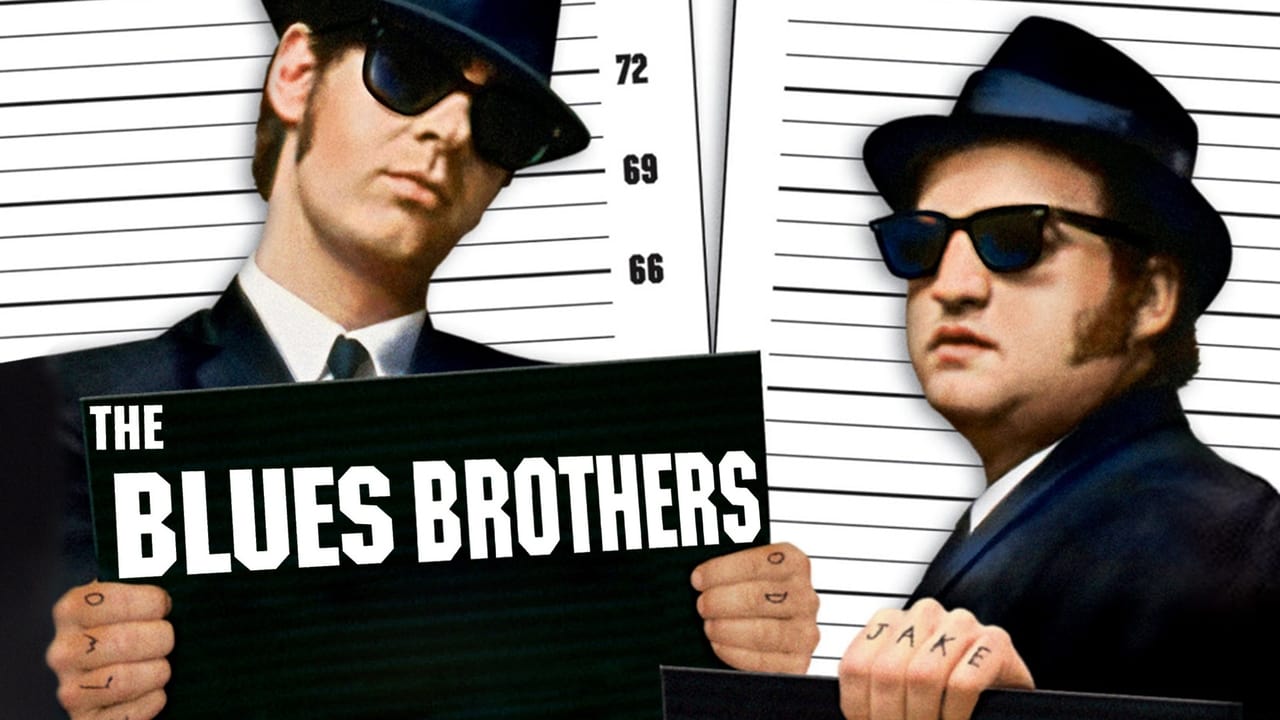
Okay, let’s dim the lights, maybe adjust the tracking just so, and pop in a tape that practically radiates cool from its plastic shell. We’re talking about John Landis’s 1980 masterpiece of musical mayhem, The Blues Brothers. This wasn’t just a movie; it was an event, a glorious collision of Saturday Night Live energy, legendary R&B artists, and vehicular destruction on a scale that still drops jaws today. Forget tidy plot summaries – this film bursts onto the screen like Jake Blues himself kicking down a door, fueled by fried chicken, cigarettes, and a divine directive.
### On a Mission From God (and Chicago)
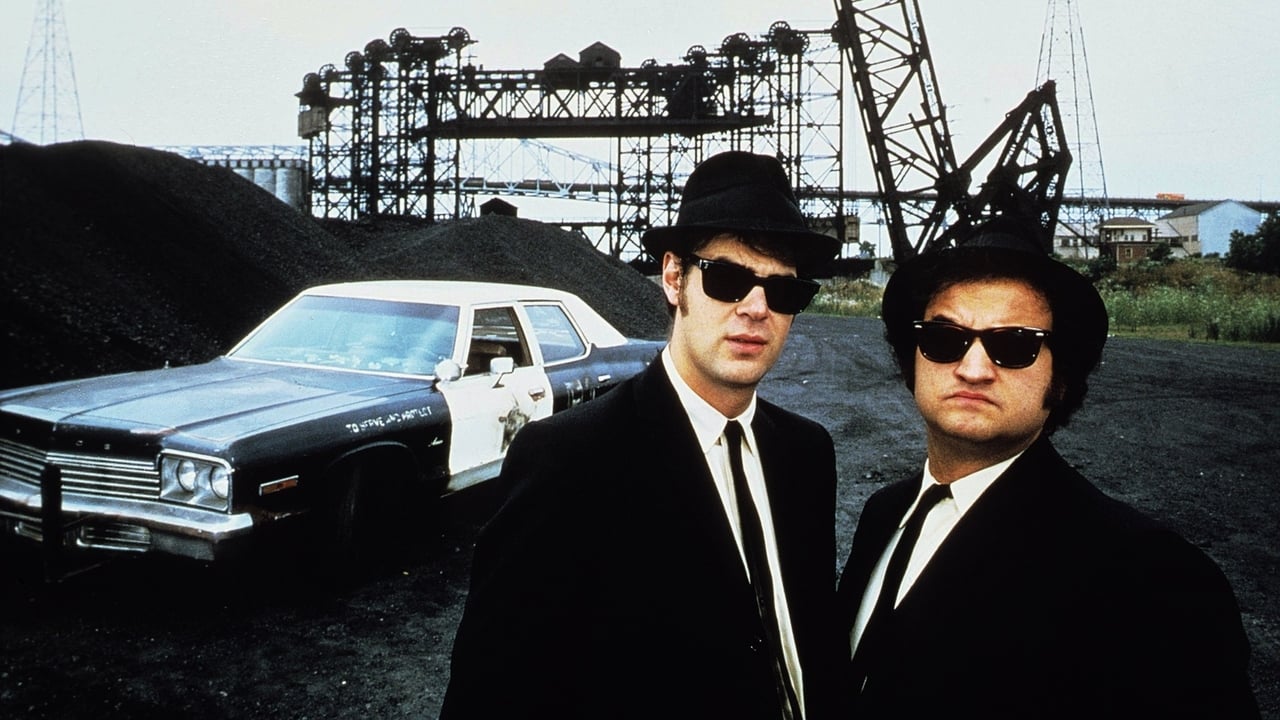
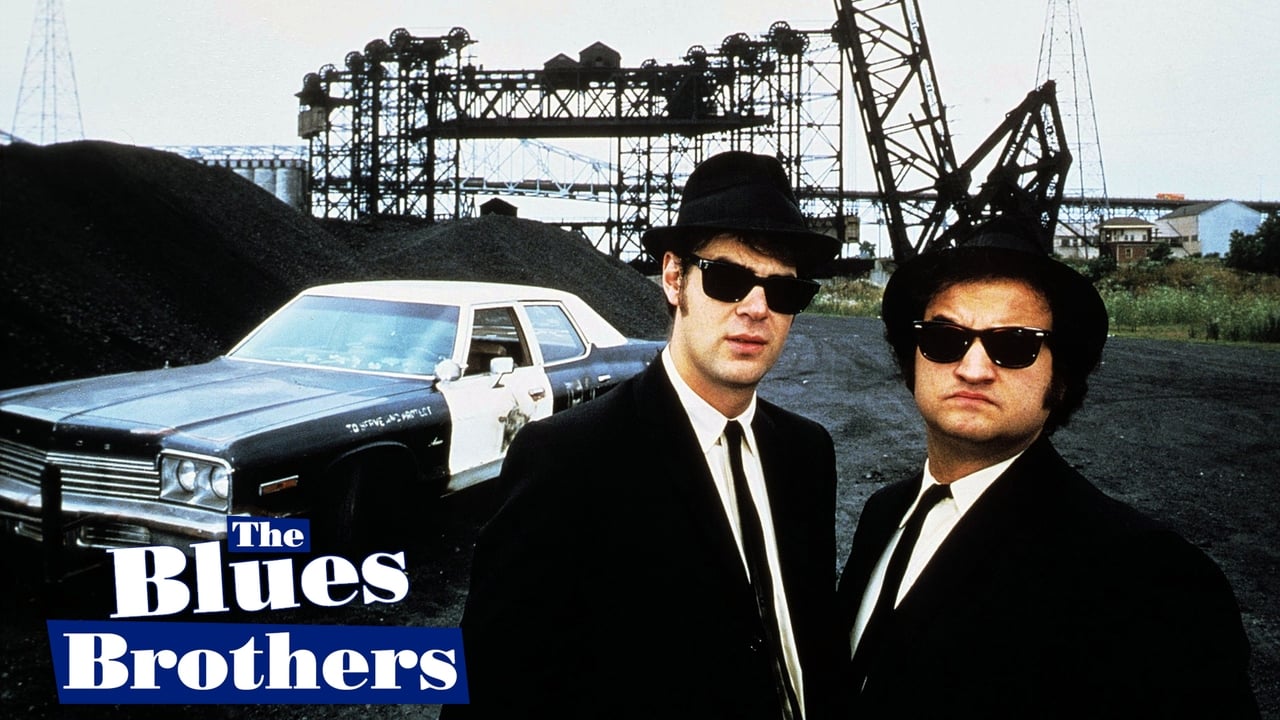
The premise is elegantly simple, almost Zen-like in its absurdity: Paroled convict Jake Blues (John Belushi at his charismatic, anarchic peak) reunites with his brother Elwood (Dan Aykroyd, the perfect deadpan foil) only to discover the Catholic orphanage where they were raised is facing foreclosure. After a fiery sermon from Reverend Cleophus James (a truly electrifying James Brown), they realize their path: reform their blues band, play a massive gig, and raise the $5,000 needed. Simple, right? Well, not when you factor in Elwood's suspended license, a trashed former police car (the legendary Bluesmobile), vengeful country musicians, Illinois Nazis, and a jilted, rocket-launcher-wielding mystery woman played with psychotic glee by Carrie Fisher.
Retro Fun Fact: Speaking of Carrie Fisher, her intense pursuit of Jake wasn't just acting; she and Dan Aykroyd were actually engaged for a time during the making of the film! It adds another layer to those scenes where she’s trying to blow him to kingdom come.
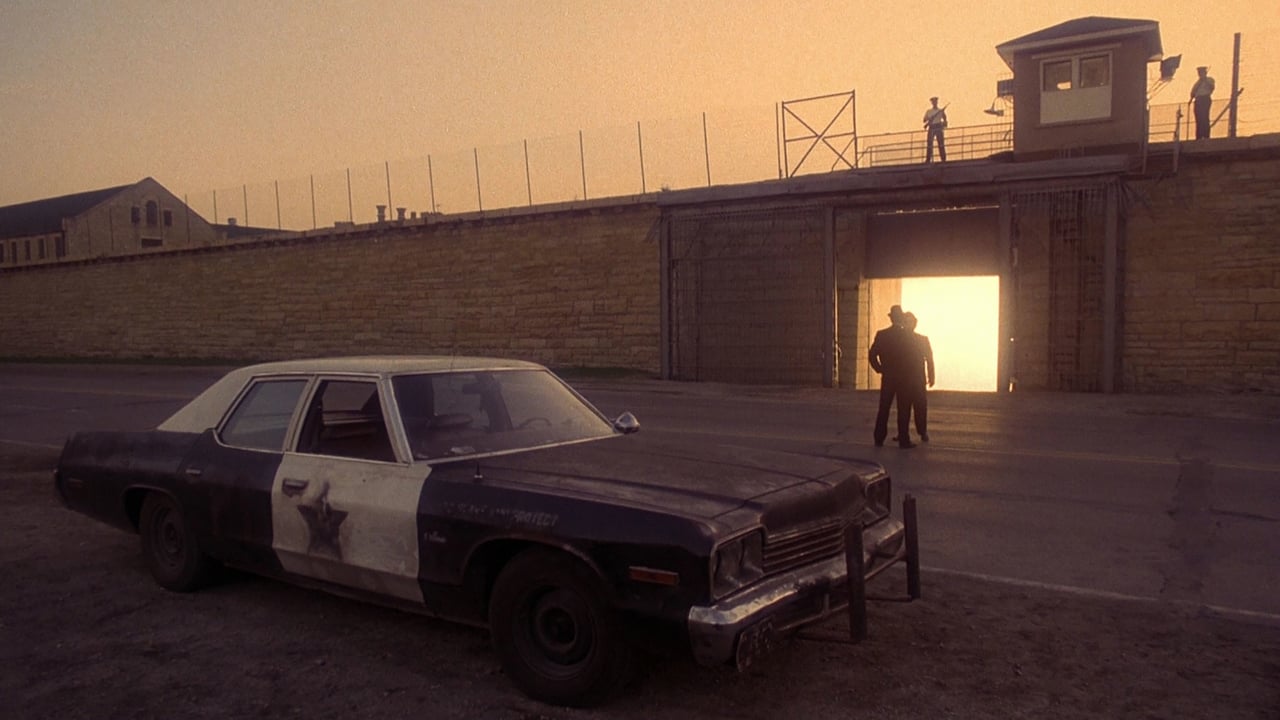
The plot, thin as Jake's tie, is merely the framework upon which Landis (fresh off the success of Animal House) hangs incredible musical numbers and some of the most audacious practical stunt work ever committed to film. The film feels like Chicago – gritty, sprawling, and full of character. They filmed extensively on location, giving it an authenticity that green screens just can't replicate. Remember that scene where the Bluesmobile drives through the Daley Center lobby? Retro Fun Fact: Director John Landis actually had to get special permission from the city, reportedly sweet-talking Mayor Jane Byrne, to stage such chaotic scenes, including the epic pile-ups under the elevated train tracks.
### The Music, The Mayhem
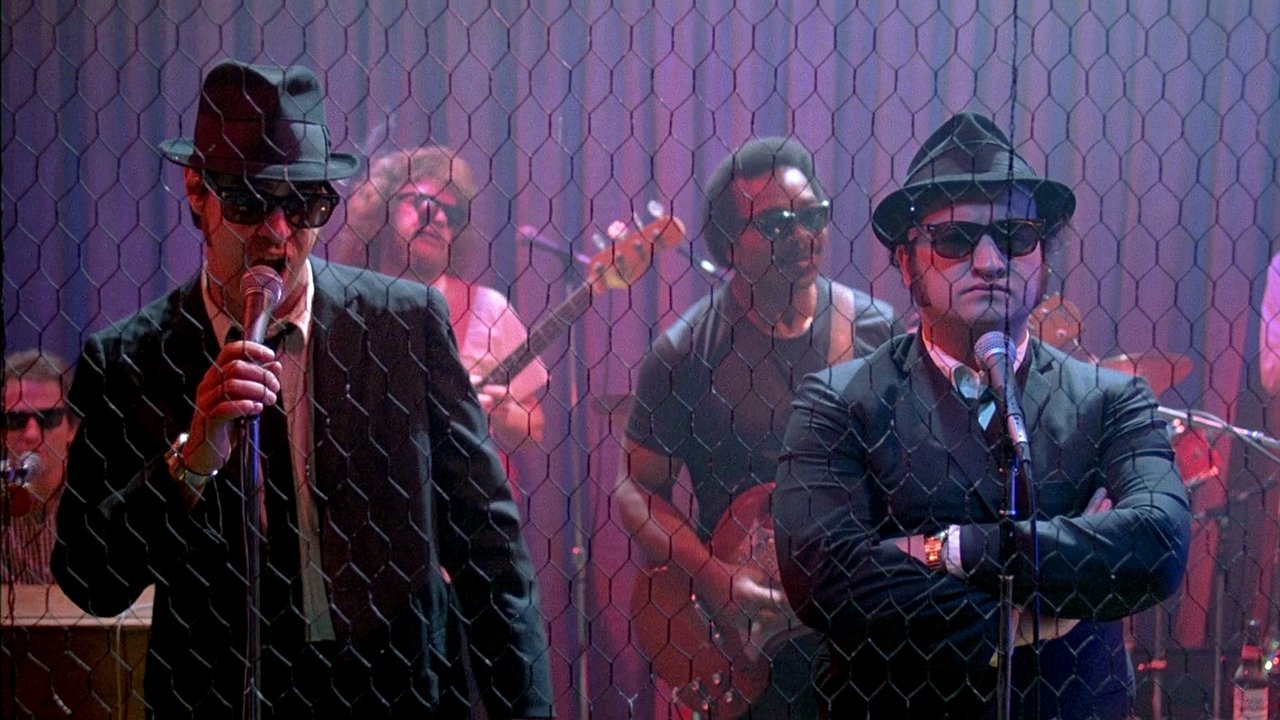
Let's be honest, the music is the soul of The Blues Brothers. Seeing legends like Aretha Franklin belt out "Think" in a diner (reportedly she needed some convincing to revisit the song but absolutely nailed it), Ray Charles running his music shop with pitch-perfect timing ("The keyboard player? That's $7.50"), and Cab Calloway delivering a smooth-as-silk "Minnie the Moocher" is pure cinematic joy. The commitment to showcasing these titans of blues, soul, and R&B was central to Aykroyd and Belushi's vision, elevating the film beyond mere comedy. The band itself, featuring actual Stax Records session legends like Steve Cropper and Donald "Duck" Dunn, sounds phenomenal.
But oh, the mayhem! This is where The Blues Brothers truly earned its stripes in the VHS era, delivering action sequences that felt raw and incredibly dangerous because, well, they were. The car chases aren't slickly edited montages; they are metal-crunching ballets of destruction. The scene inside the Dixie Square Mall is legendary. Retro Fun Fact: They really did drive cars through a closed, abandoned mall, filling it with merchandise (some reports say Landis encouraged the crew to take what they wanted after filming) and letting the Bluesmobile tear through it with glorious abandon. It cost a pretty penny, contributing to a budget that ballooned significantly (around $27 million, a hefty sum in 1980, though it thankfully made over $115 million worldwide).
And the final chase back to Chicago? It’s automotive anarchy dialed up to eleven. The sheer number of police cars wrecked was reportedly a world record at the time (somewhere over 100 vehicles met their demise!). Watching it now, you appreciate the skill of the stunt drivers and the sheer nerve of the filmmakers. This wasn't CGI; it was real metal, real explosions, real chaos orchestrated for our viewing pleasure. Did anyone else rewind the tape just to watch that massive pile-up again? The visceral impact of those practical effects is something modern blockbusters often struggle to recapture.
### More Than Just Laughs and Crashes
While the film is undeniably hilarious and action-packed, there’s a genuine affection for the music and the characters that shines through. Belushi's barely contained energy is magnetic, while Aykroyd's stoic, fact-spouting Elwood grounds the madness. Their chemistry is undeniable, forged in the fires of SNL. The supporting cast, including John Candy as the long-suffering parole officer and Henry Gibson as the head Illinois Nazi, are all pitch-perfect.
Retro Fun Fact: The script apparently went through significant changes. An early draft by Aykroyd was reportedly massive and unwieldy, filled with even more backstory and tangents. Landis helped streamline it into the propulsive (if episodic) narrative we know and love.
The film wasn't universally adored by critics upon release; some found it bloated or indulgent. But audiences, especially once it hit home video, embraced its unique blend of comedy, music, and destruction. It became a true cult classic, a midnight movie staple, and a testament to a time when studios would occasionally gamble on something this gloriously weird and ambitious.
***
VHS Heaven Rating: 9/10
This score is earned by the sheer audacity and infectious energy of the film. The unparalleled musical performances by icons, Belushi and Aykroyd's perfect chemistry, and the jaw-dropping practical stunt work (especially those car chases!) create a cinematic experience unlike any other. It loses a point perhaps for the slightly meandering plot, but that's part of its charm. It's a film bursting with personality, style, and a genuine love for the blues.
Final Thought: They literally broke everything but the mould with this one; a joyous, destructive hymn to Chicago, soul music, and driving indoors that still feels impossibly cool and refreshingly real in its practical mayhem. Full tank of gas, half a pack of cigarettes, it's dark, and we're wearing sunglasses... hit play.