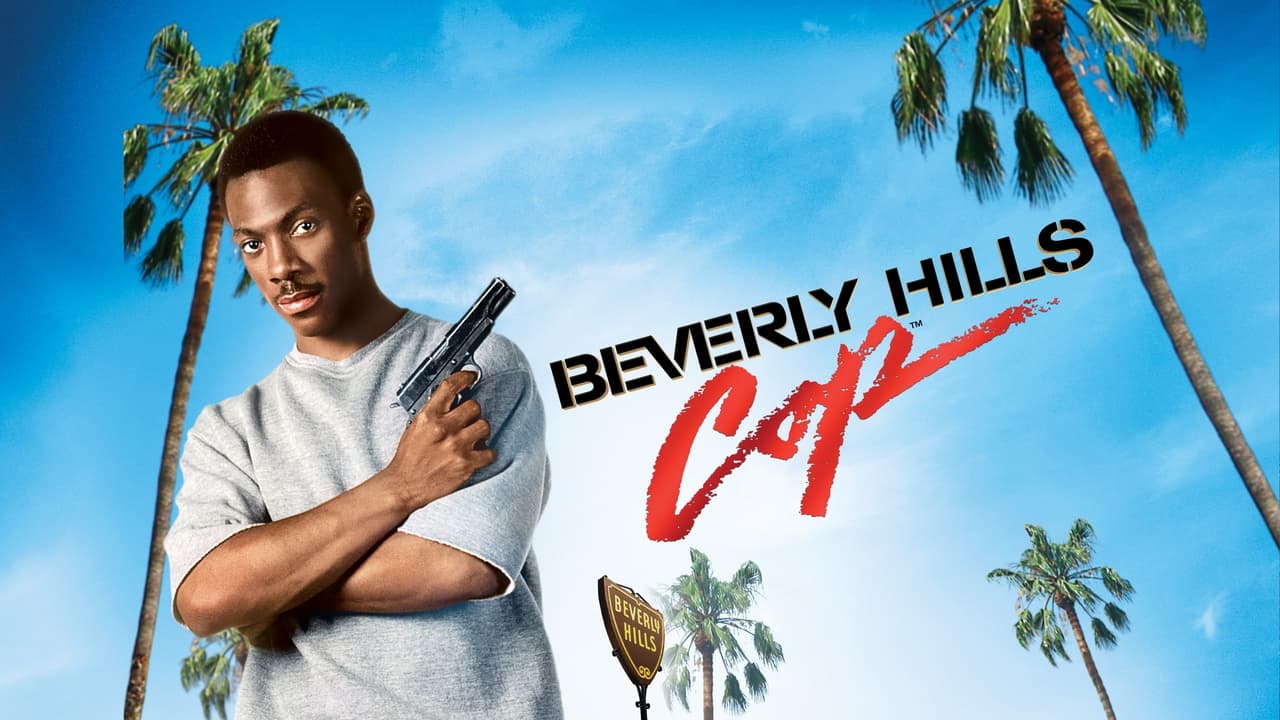
Alright, rewind your minds. Picture this: you're browsing the aisles of the local video store, the scent of plastic cases and maybe slightly stale popcorn in the air. Your eyes land on that distinctive cover – a confident Eddie Murphy, leaning against a palm tree, badge flashed, promising a collision of worlds. You grab the Beverly Hills Cop tape, feel that reassuring heft, and know your Friday night viewing is sorted. Popping this into the VCR wasn't just watching a movie; it was plugging into the pure, unadulterated energy of 1984 blockbuster filmmaking.
### Detroit Grit Meets Rodeo Drive Gloss
The premise is pure Hollywood gold: Axel Foley (Eddie Murphy), a rule-bending, fast-talking Detroit detective, takes an impromptu "vacation" to Beverly Hills to investigate the murder of his childhood friend, Mikey Tandino. What unfolds is a masterclass in culture clash comedy, throwing Axel's street-smart hustle against the pristine, procedure-obsessed world of the Beverly Hills Police Department. Director Martin Brest, who would later give us another brilliant odd-couple pairing in Midnight Run (1988), perfectly captures the stark visual contrast – the gritty, industrial blues of Detroit giving way to the sun-bleached, palm-lined avenues of Southern California. You could almost feel the temperature change through the screen.
### The Murphy Phenomenon Takes Hold

Let's be honest, this film is Eddie Murphy. Fresh off his explosive run on Saturday Night Live and 48 Hrs. (1982), Murphy doesn't just play Axel Foley; he inhabits him with a volcanic charisma that powers the entire movie. His infectious laugh, lightning-fast improvisations, and sheer confidence are captivating. It’s wild to think this role was originally developed as a gritty action vehicle for Sylvester Stallone! When Stallone left due to creative differences (reportedly wanting an even more action-heavy, less comedic script – elements of which allegedly ended up in his 1986 film Cobra), the script underwent a massive rewrite tailor-made for Murphy's unique talents. Can you even imagine this film without Murphy's iconic "banana in the tailpipe" routine or his smooth-talking infiltration of the exclusive Harrow Club? So much of that dialogue gold reportedly came straight from Murphy himself, riffing brilliantly on set.
### More Than Just a One-Man Show
While Murphy is undeniably the star, the film's genius lies in its supporting cast, particularly Judge Reinhold as the naive, by-the-book Detective Billy Rosewood and John Ashton as the gruff, exasperated Sergeant John Taggart. Their initial suspicion and annoyance with Axel gradually morph into grudging respect and genuine camaraderie. The chemistry between the three is electric, providing some of the film's funniest and most surprisingly heartwarming moments. Remember their stakeout car scenes? Pure gold. And let's not forget the icily effective villain, Victor Maitland, played with sophisticated menace by Steven Berkoff. He’s the perfect foil – cold, calculating, and utterly devoid of the humor Axel weaponizes.

### Action That Felt Real
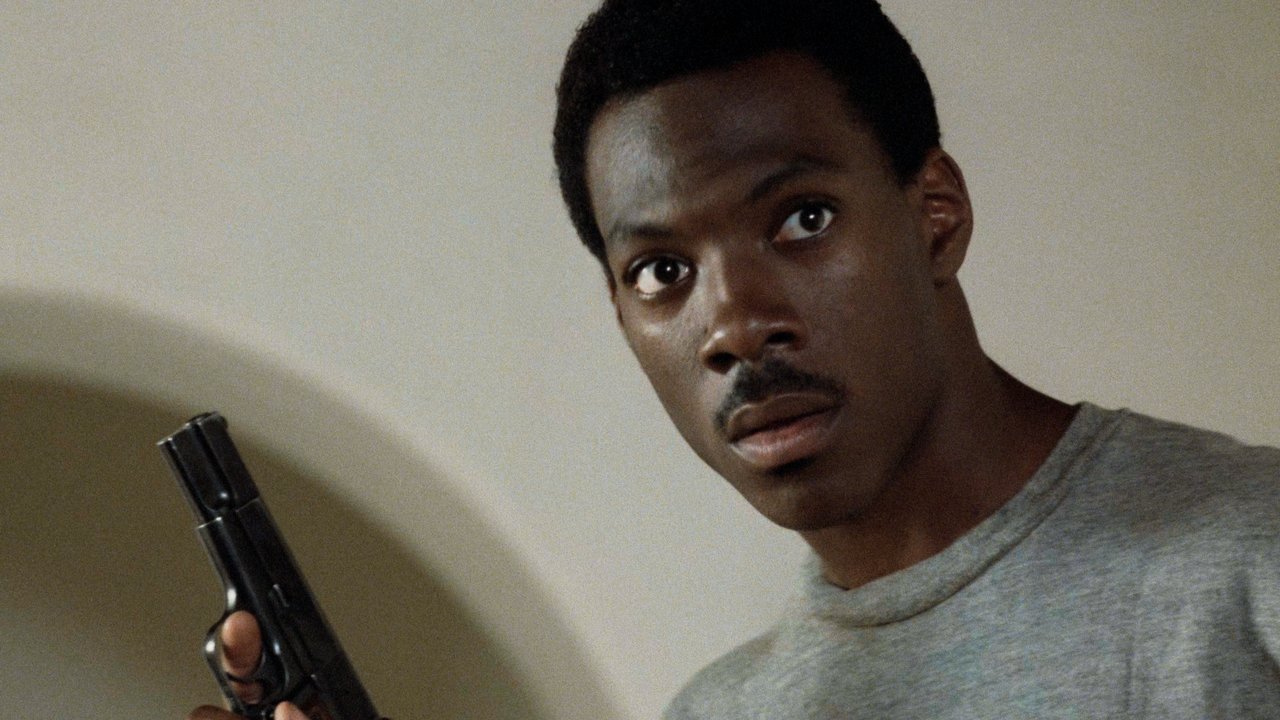
For all the laughs, Beverly Hills Cop doesn't skimp on the action, and it delivers it with that glorious 80s practicality. No slick CGI smoothing over the edges here. The opening truck chase barrels through Detroit with a tangible sense of weight and destruction – real vehicles, real stunt drivers pushing the limits. The climactic shootout at Maitland's opulent estate? It features shattering glass, splintering wood, and muzzle flashes that feel visceral, not digitally painted in. You felt the impact back then, didn't you? Maybe the effects look a bit less polished compared to today’s hyper-real sequences, but there’s an undeniable crunch to the action, a raw energy that comes from knowing things were actually being blown up and crashed for the camera. It cost around $14 million to make – a decent sum then, but peanuts compared to modern blockbusters – yet it grossed a staggering $234 million domestically alone, becoming the biggest hit of 1984.
### That Unforgettable Synth Beat
And then there's the music. Oh, that music! Harold Faltermeyer's synthesizer theme, "Axel F," isn't just a score; it's a cultural artifact. That infectious, upbeat melody became instantly recognizable worldwide, dominating radio airwaves and capturing the film's cool, confident vibe perfectly. It’s impossible to think of Beverly Hills Cop without that synth hook immediately playing in your head. It was everywhere, the definitive sound of slick 80s cool.
### Why It Still Hits the Spot
Beverly Hills Cop was a phenomenon. It wasn't just a hit; it redefined the action-comedy genre, proving you could blend genuine laughs with thrilling set pieces seamlessly. It cemented Eddie Murphy as a global superstar and created a template countless films would try to emulate. Watching it today, sure, the fashion screams 80s, and the tech is charmingly archaic, but the core elements – Murphy's incredible performance, the brilliant character dynamics, the sharp script, and the satisfying blend of action and humor – remain timeless. I remember renting this tape countless times, the magnetic ribbon probably wearing thin, the picture getting just a little fuzzier with each viewing, but the sheer fun never diminished.
Rating: 9/10
This rating reflects the film's near-perfect execution of its premise, Murphy's iconic star turn, the fantastic supporting cast chemistry, its genre-defining impact, and that unforgettable score. It loses a point perhaps only for some plot conveniences typical of the era, but its entertainment value is undeniable.
Final Take: Beverly Hills Cop isn't just a movie; it's a time capsule of 80s cool, powered by a megawatt star performance and action that felt thrillingly real on your trusty VCR. It’s the kind of film that reminds you why the action-comedy, when done right, is pure cinematic joy – a tape well worth rewinding again and again.