Okay, fellow tapeheads, let's rewind to a time when seeing two of the biggest movie stars on the planet share top billing on a single VHS box felt like an event. We're talking 1984, and the movie is City Heat, promising the granite-faced cool of Clint Eastwood alongside the charismatic swagger of Burt Reynolds. The cover practically crackled with potential energy. Pulling this tape off the shelf at the local Video Palace? You felt like you’d struck gold. But did the movie deliver on that superstar promise? Well, grab your popcorn and adjust the tracking, because it's complicated... in that perfectly entertaining 80s way.
### A Tale of Two Tough Guys
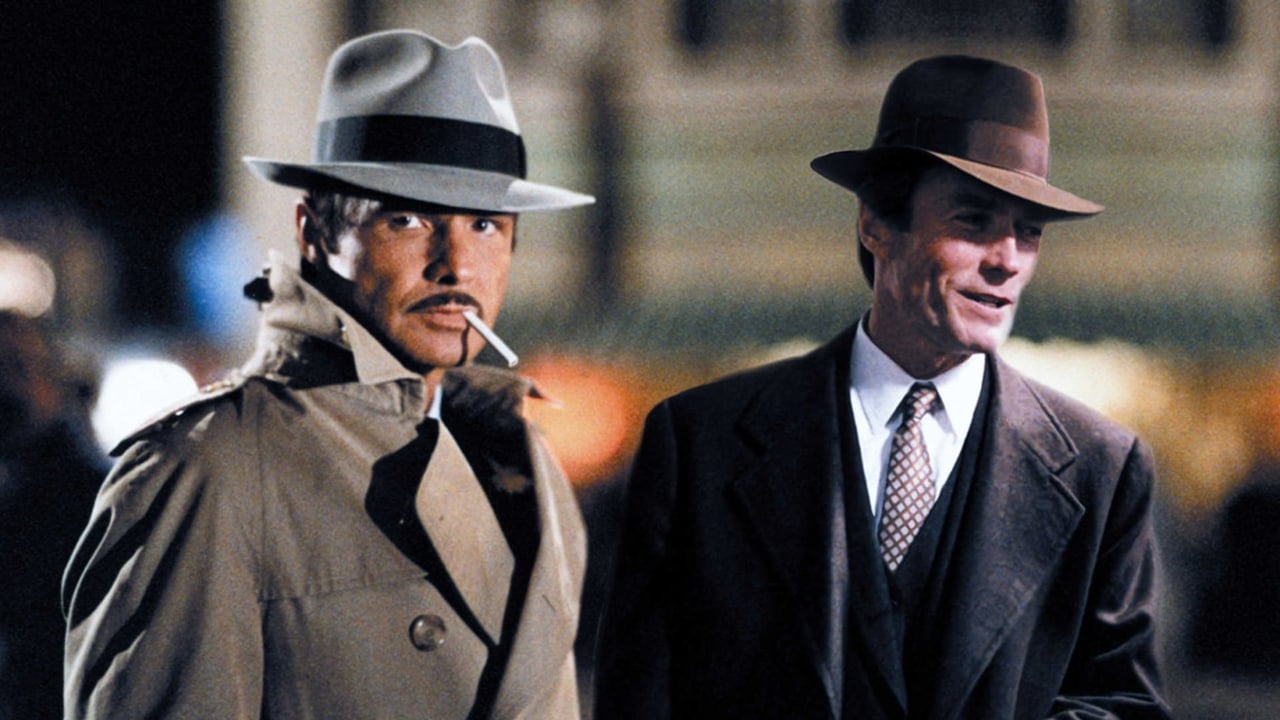
Set against the rain-slicked streets and smoky backrooms of 1933 Kansas City, City Heat throws Lieutenant Speer (Clint Eastwood), a humorless police detective, into the orbit of his former partner turned flamboyant private eye, Mike Murphy (Burt Reynolds). They're like oil and water, vinegar and… well, more vinegar, maybe? Murphy’s got the snappy patter and the flashy suits; Speer just has that squint and a low tolerance for nonsense. When Murphy’s current partner gets iced, the two find themselves reluctantly crossing paths again, caught between warring mob factions led by the reliably menacing Rip Torn as Primo Pitt. Add Murphy's loyal secretary Addy (Jane Alexander, bringing some welcome warmth and grounding) into the mix, and you’ve got the setup for a Prohibition-era slugfest.
The film tries to be a loving homage to classic gangster flicks and hard-boiled detective stories, filtered through an 80s action-comedy lens. Does it always work? Honestly, no. The tone wobbles more than a worn-out tape head. One minute you've got Eastwood delivering lines drier than the Sahara, the next Reynolds is practically winking at the camera. It sometimes feels like two different movies spliced together, which, given the film's troubled production history, isn't entirely surprising. Retro Fun Fact: Did you know the legendary Blake Edwards (The Pink Panther, Victor/Victoria) originally co-wrote (under the pseudonym Sam O. Brown) and was set to direct? Creative clashes with Eastwood led to his departure, and Richard Benjamin (My Favorite Year (1982)), a capable director but perhaps less suited to this specific blend, stepped in. You can almost feel the phantom limb of Edwards' more purely comedic vision trying to break through the tougher Eastwood vibe.
### When Stunts Were Stunts
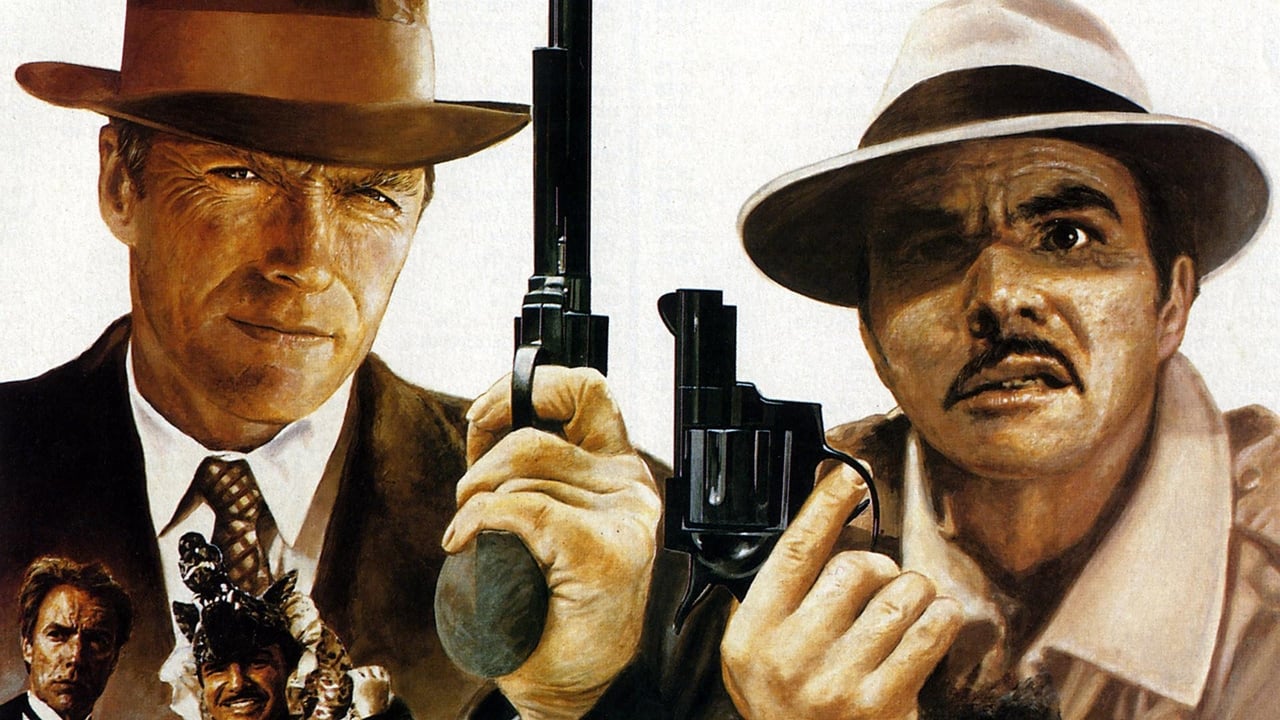
But let's talk about why we popped this tape in the VCR late on a Friday night: the action. And City Heat, for all its tonal quirks, delivers some satisfyingly crunchy, old-school mayhem. This was the era of practical effects, folks. Remember how real those punches sounded? How visceral a car flipping over felt? The climactic warehouse shootout is a prime example – real squibs sparking on impact (sometimes looking hilariously oversized, bless 'em), stunt guys taking genuine falls onto hard concrete, wood splintering everywhere. There's a weight and impact here that often gets lost in today's smoother, digitally-assisted sequences. It’s not always graceful, but it feels physical.
And speaking of physical… Retro Fun Fact Alert: The most infamous story from the City Heat set involves Burt Reynolds himself. During the filming of a fight scene, he was accidentally clocked in the face with a real metal chair (reports vary on whether it was a prop or actual chair). The impact shattered his jaw and led to serious, long-term health issues, including severe pain and TMJ dysfunction, which impacted his career for years. Watching those scenes now, knowing the real-world consequences for one of its stars, adds a certain sobering layer to the on-screen brawling. It’s a stark reminder of the risks performers took back then.

### A Mismatch Made in Hollywood?
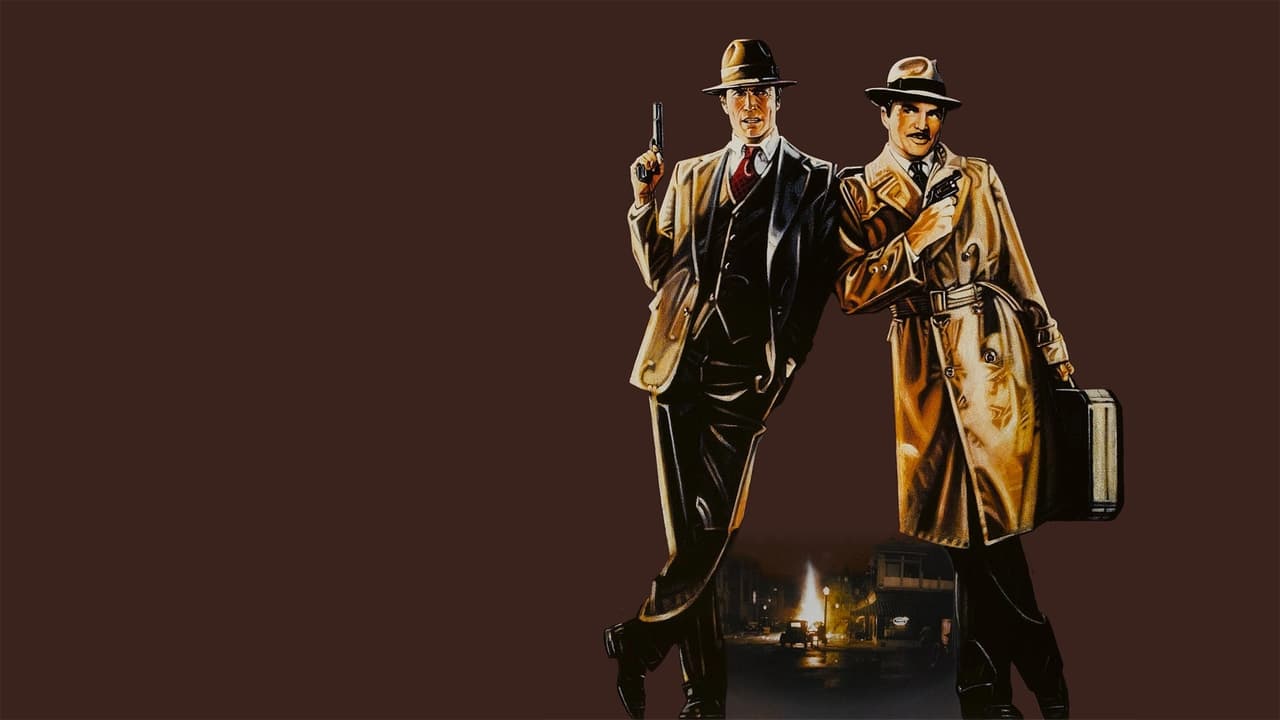
Eastwood is… well, Eastwood. He does his stoic, unflappable thing, letting his imposing presence do most of the work. Reynolds, on the other hand, leans heavily into his wise-cracking persona, sometimes feeling like he wandered in from a Smokey and the Bandit sequel set in the 30s. Their chemistry isn’t exactly electric; it's more like two massive celestial bodies occupying the same orbit, occasionally bumping into each other with a wry remark or a shared glance. It’s fascinating to watch purely from a star-power perspective, even if they never quite mesh into the legendary buddy-cop duo the premise hinted at.
The film cost a hefty $25 million back in '84 (around $75 million today) but only pulled in about $38.3 million domestically ($115 million adjusted). For a pairing this massive, it was considered a significant box office disappointment, failing to ignite the kind of audience frenzy distributors hoped for. Critics were lukewarm too, often pointing out the uneven tone and the feeling of a missed opportunity. I distinctly remember the buzz fading pretty quickly after its release, becoming one of those "Oh yeah, they made a movie together?" titles.
### The Verdict
So, popping City Heat into the VCR today… is it a hidden gem? Not quite. Is it a fun, nostalgic watch filled with familiar faces and solid, practical 80s action? Absolutely. It’s a fascinating artifact of a time when studios could gamble big on throwing two titans together, even if the script wasn’t quite strong enough to support them. The dialogue crackles sometimes, the period detail is decent, and the action lands with that satisfyingly chunky, pre-CGI impact. You just have to accept the slightly jarring shifts between gritty violence and broad comedy.
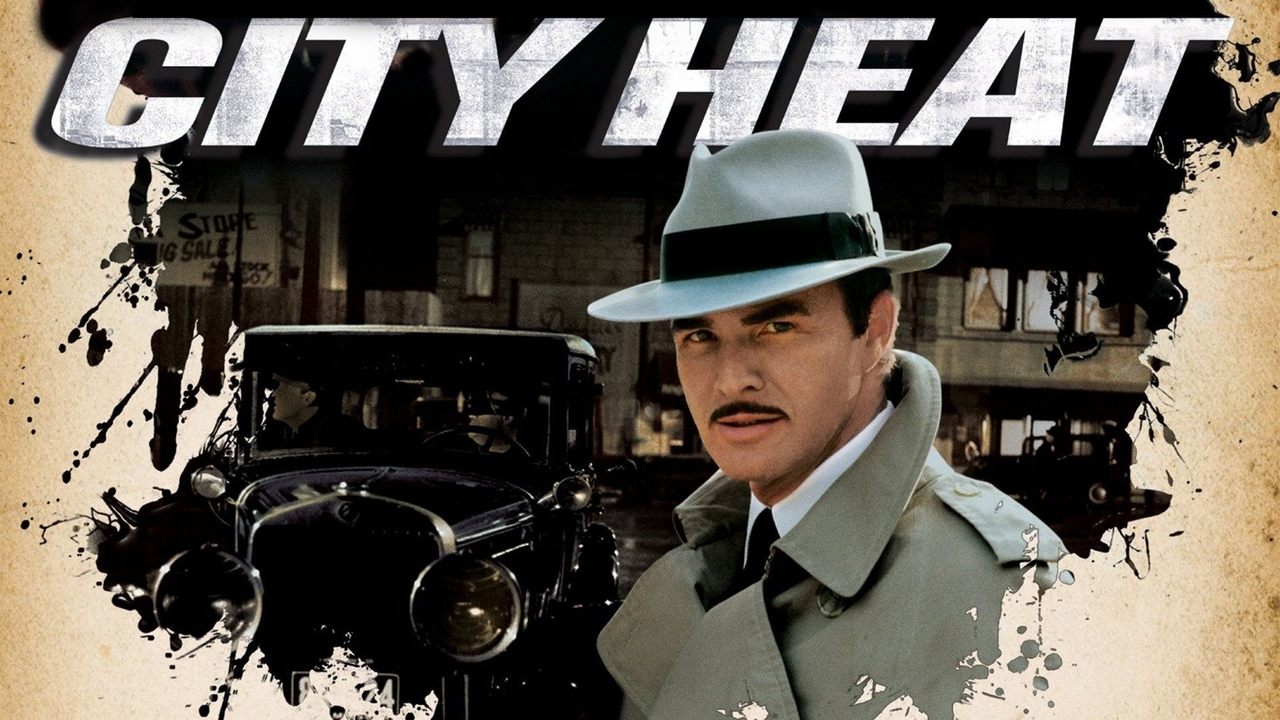
VHS Heaven Rating: 6/10
Justification: The rating reflects the undeniable thrill of the Eastwood/Reynolds pairing and the enjoyable, grounded practical action sequences. However, it's docked points for the inconsistent tone, underdeveloped plot, and the feeling that it never fully capitalizes on its superstar potential or its period setting. It's entertaining but ultimately feels like less than the sum of its impressive parts.
Final Thought: City Heat is the cinematic equivalent of finding that dusty bottle of Prohibition-era hooch in your grandpa's basement – maybe not the smoothest drink, but it packs a nostalgic punch and tells one heck of a story about how it got made. Worth uncorking if you manage expectations.