It often felt like a rite of passage, didn't it? That slow drift towards the end of summer, the last few weeks before school or 'real life' beckoned again. 1984's The Wild Life bottles that specific feeling – the restlessness, the uncertainty, the desperate search for something, anything, interesting to happen in the suburban sprawl. It arrived on VHS shelves often billed as the spiritual successor to Fast Times at Ridgemont High (1982), sharing its writer and producer, but stepping out of the high school halls and into the slightly scruffier world of first apartments, dead-end jobs, and the messy transition into adulthood.

The End-of-Summer Blues
Written by a young Cameron Crowe (who penned this before Fast Times even hit theatres, intending it as his follow-up) and marking the sole directorial effort of seasoned producer Art Linson (Heat, Fight Club), The Wild Life follows a loose ensemble cast navigating life, love, and loud parties in the San Fernando Valley suburbs. There's Jim Conrad (Ilan Mitchell-Smith, just before his Weird Science breakthrough), a sensitive teen wrestling with his parents' divorce and nursing a crush. His older brother Bill (Eric Stoltz, radiating earnest charm pre-Mask) has just moved into his own place, eager for independence but finding it lonelier than expected. And then there’s Tom Drake, played with electrifying, almost feral energy by the late, great Chris Penn. Tom is pure teenage id: obsessed with Vietnam War fantasies, wrestling (literally), and causing chaos wherever he goes, often dragging Bill along for the ride. Their stories intertwine with others – including characters played by Lea Thompson and Jenny Wright – revolving around mall jobs, rock clubs, and that quintessential 80s bachelor pad.
Not Quite Ridgemont High, And That's Okay
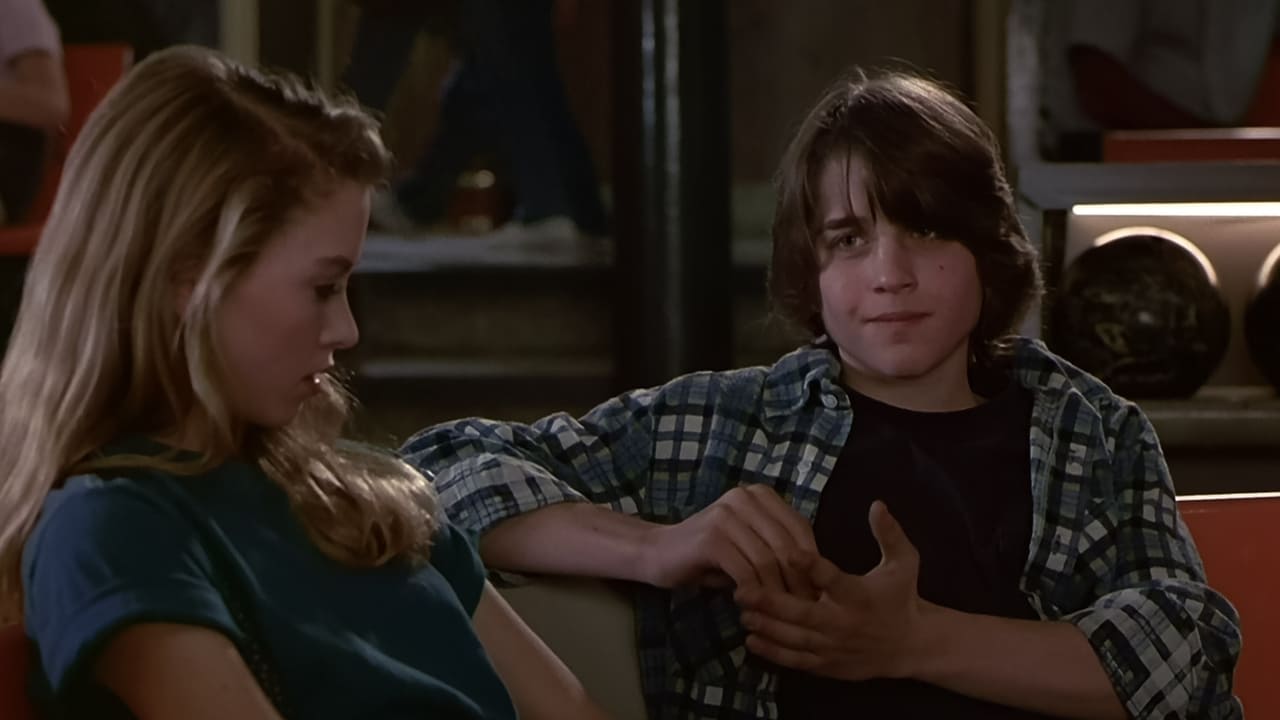
While the marketing might have leaned heavily on the Fast Times connection – a comparison that likely set up unrealistic expectations for audiences and critics at the time – The Wild Life beats to a slightly different, more melancholic drum. Crowe's knack for authentic dialogue is certainly present, capturing the way teens actually talked (and still do, to some extent) – the awkward pauses, the bravado covering insecurity, the sudden moments of surprising vulnerability. But where Fast Times often felt like a series of vibrant, often hilarious vignettes, The Wild Life aims for a more cohesive, character-driven narrative, tinged with a wistfulness that feels distinctly Crowe. Linson’s direction keeps things grounded, focusing on the characters and their environment rather than flashy cinematic tricks, giving it an almost documentary-like feel at times. It might lack the iconic, endlessly quotable moments of its predecessor, but it offers a sincerity that resonates.
That Van Halen Score and Other Retro Gems
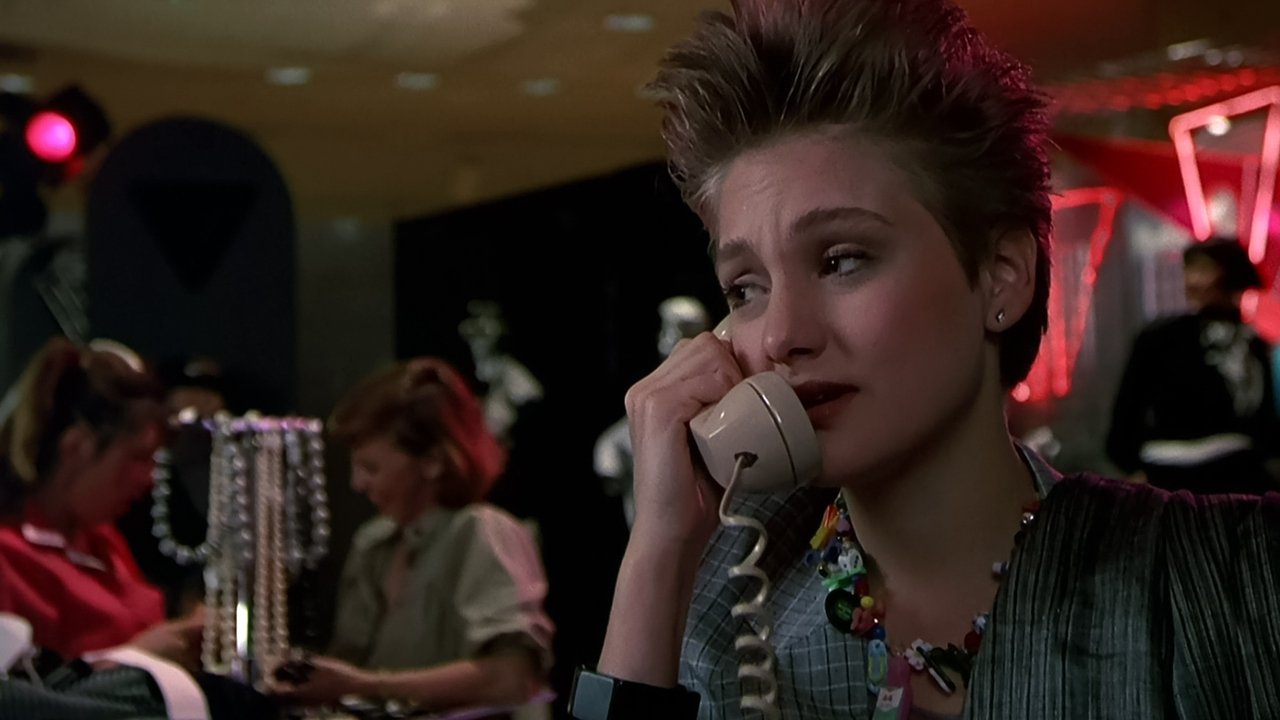
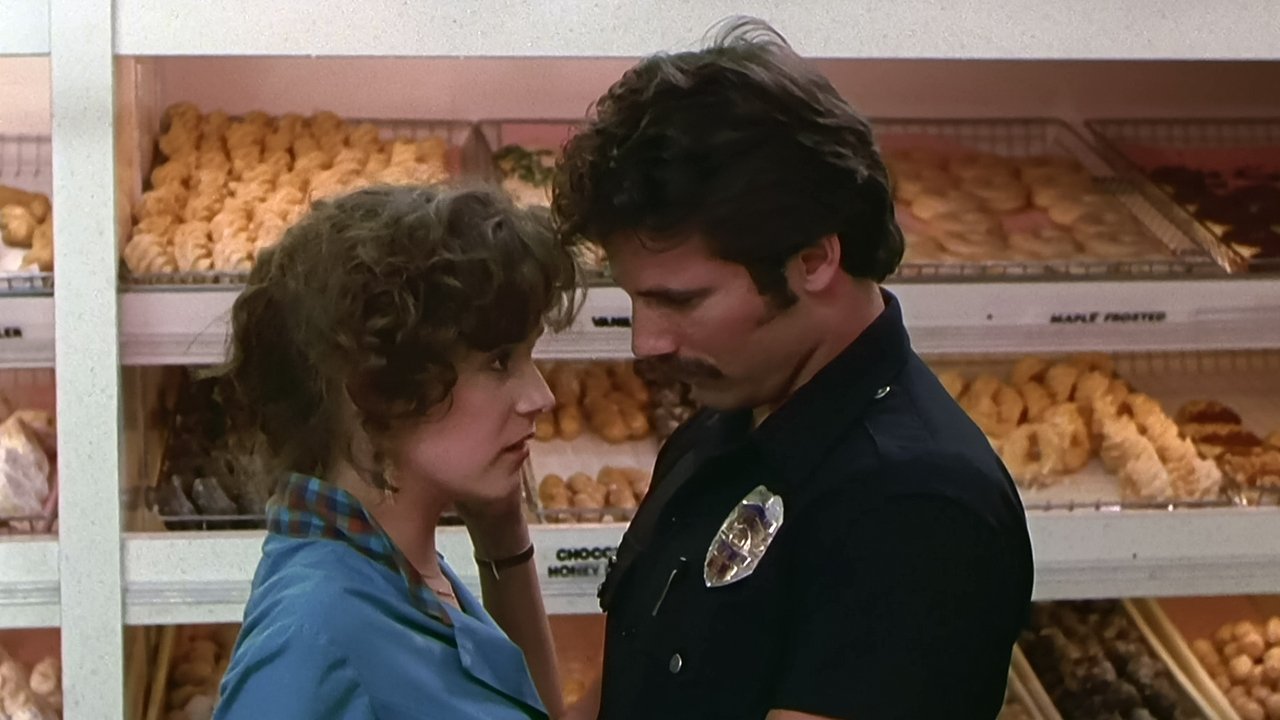
Let's talk about one of the film's most legendary aspects: the score. Yes, that driving, synth-heavy rock sound is largely courtesy of Eddie Van Halen. Reportedly working uncredited or with minimal fanfare, his distinctive guitar work provides the film's energetic pulse. Here's a classic bit of VHS-era frustration for you: due to complicated music rights issues, an official soundtrack album was never released, making the film's music a kind of holy grail for fans, often shared via bootlegs or meticulously recorded snippets. Beyond the score, the film is steeped in 80s atmosphere – the fashion (so much denim!), the arcade sounds bleeding out from the mall, the soundtrack cuts from bands like Bananarama and Steppenwolf. It’s a time capsule, maybe less stylized than some other teen films of the era, but feeling authentically lived-in.
A Cast on the Cusp
The ensemble cast is a real treat for fans of 80s cinema, catching several actors just as their careers were taking off. Chris Penn is arguably the chaotic heart of the film, delivering a performance that’s both hilarious and slightly unsettling – you genuinely don’t know what Tom Drake will do next. Eric Stoltz perfectly embodies the nice guy trying to figure things out, providing a relatable anchor amidst the craziness. Ilan Mitchell-Smith captures teenage awkwardness with endearing realism. And keep an eye out for small but memorable turns from folks like Rick Moranis as a nerdy lingerie salesman – pure 80s comedy gold. It wasn't a box office smash, pulling in around $11 million on a $6 million budget, perhaps hampered by those Fast Times comparisons and its R-rating limiting the teen audience, but its performances remain a key strength.
Finding Its Place on the Shelf
The Wild Life might not have the instant recognition of some of its contemporaries, but it occupies a unique space. It’s less about laugh-out-loud gags and more about capturing a mood – that blend of boredom, hope, and hormonal confusion that defines late adolescence. It’s a film about the moments between the big events, the searching and the waiting. For those of us who grew up browsing those video store aisles, finding this tape might have felt like discovering a slightly more grounded, less polished cousin to the bigger teen hits. It dealt with divorce, responsibility, and disillusionment alongside the parties and crushes, reflecting a reality that felt recognizable.
***
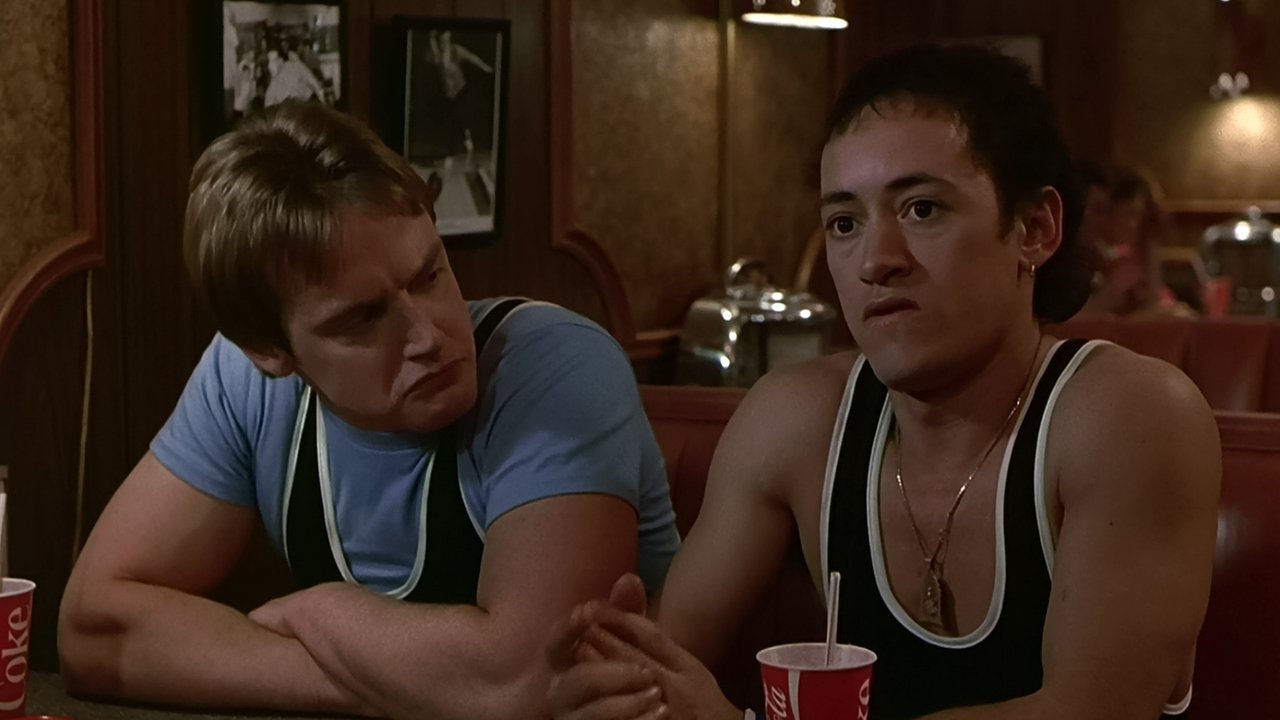
VHS Heaven Rating: 7/10
The Wild Life earns its 7 for its authentic portrayal of teenage aimlessness, stellar performances (especially from Penn and Stoltz), Cameron Crowe's sharp ear for dialogue, and that killer, elusive Eddie Van Halen score. While it occasionally feels episodic and lacks the iconic punch of Fast Times, its sincerity and grounded tone offer a different, but equally valid, glimpse into 80s youth culture. It might not have been the blockbuster follow-up some expected, but it captures a specific end-of-summer melancholy with honesty and heart.
It’s a slice of 80s suburban reality, less about the wild party and more about the quiet confusion the morning after – a feeling many of us remember all too well.