It's a strange current that pulls you through The World According to Garp. Not quite comedy, certainly not straightforward drama, it occupies a peculiar space all its own, much like the sprawling, beloved John Irving novel it adapts. Watching it again after all these years, perhaps on a slightly worn tape pulled from the back of the shelf, feels like rediscovering a complex, sometimes unsettling, but profoundly human landscape. It doesn't fit neatly into the boxes we often built for films back in the video store aisles of 1982, and maybe that's precisely its enduring power.
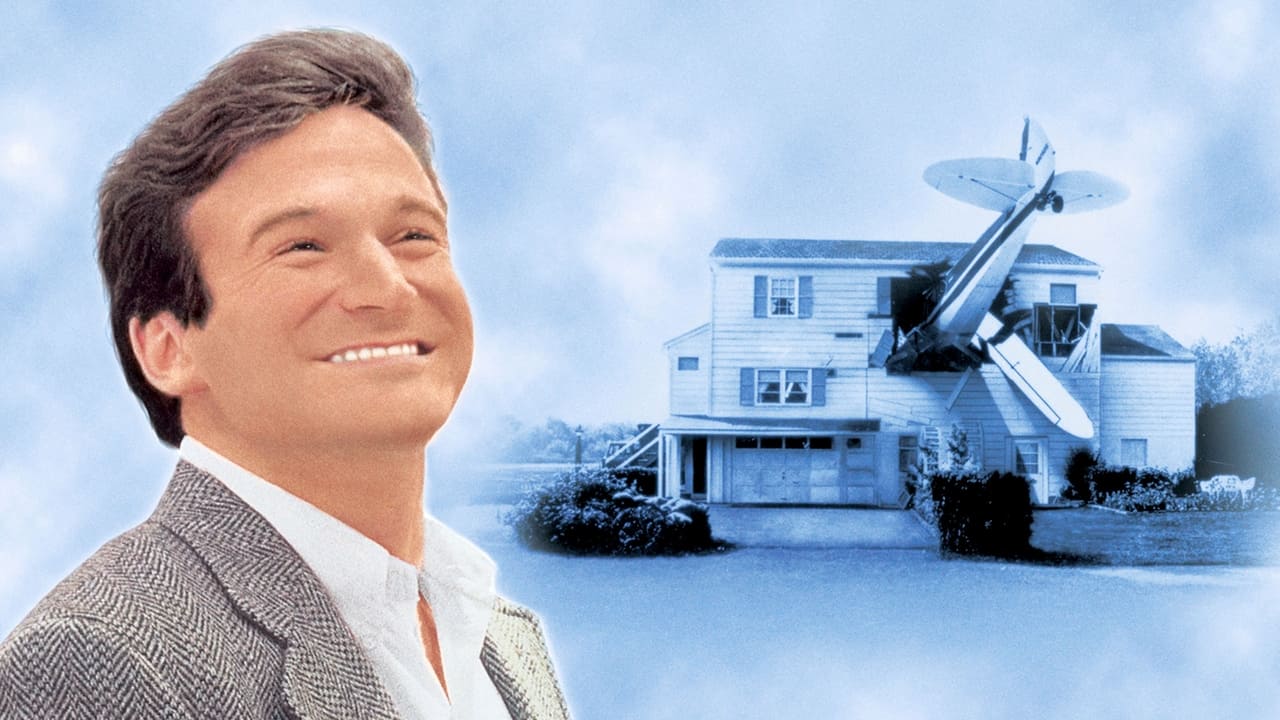
Navigating Garp's Unpredictable Waters
Bringing Irving's dense, episodic saga to the screen was no small feat. Screenwriter Steve Tesich, who'd recently charmed audiences with his Oscar-winning script for Breaking Away (1979), had the Herculean task of condensing a life filled with bizarre incidents, profound love, sudden violence, and philosophical musings. Under the steady hand of director George Roy Hill – a filmmaker equally adept at the buddy dynamics of Butch Cassidy and the Sundance Kid (1969) and the intricate plotting of The Sting (1973) – the film aims for the heart of Garp's journey, even if it occasionally feels like navigating rapids. There's an inherent difficulty in capturing the novel's sheer breadth, and while some subplots feel inevitably compressed, the film succeeds remarkably well in retaining the book's unique flavour – that blend of the utterly absurd and the devastatingly real. It's telling that Irving himself was involved enough to make a cameo as a wrestling referee during one of Garp's matches – a small nod to the source's spirit.
A Tapestry of Life, Loss, and Lust
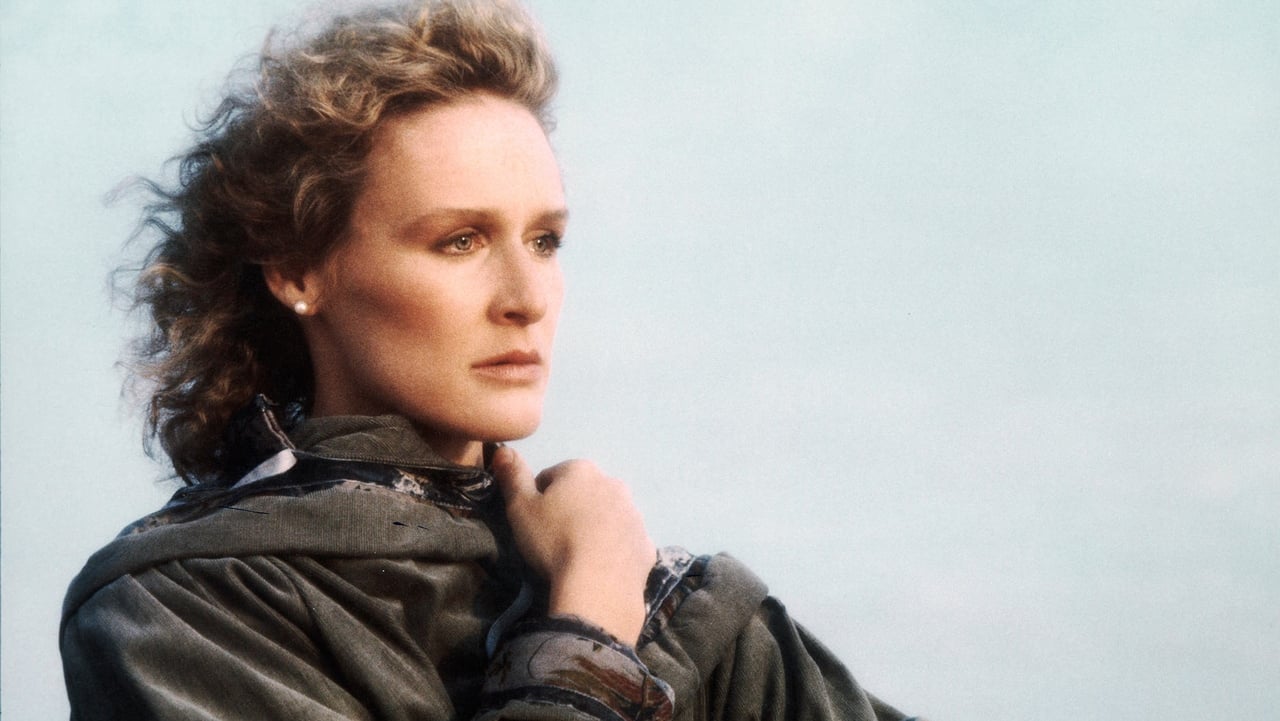
The film follows T.S. Garp from his unconventional conception (his mother, Jenny Fields, famously wanting a child but not a husband) through his life as a writer, husband, father, and son grappling with the world's inherent dangers and unexpected joys. It's a life coloured by his fiercely independent, accidentally iconic feminist mother; his complex, loving, and sometimes unfaithful wife, Helen (Mary Beth Hurt); and a cast of characters who seem plucked from the fringes of ordinary existence. The central theme, perhaps, is wrestling with fear – fear of harm, fear of loss, symbolized by Garp's childhood terror, the "Under Toad," which represents the lurking potential for tragedy beneath the surface of everyday life. Doesn't that sense of unease, that awareness of life's fragility, feel even more relevant now?
Performances That Define and Defy
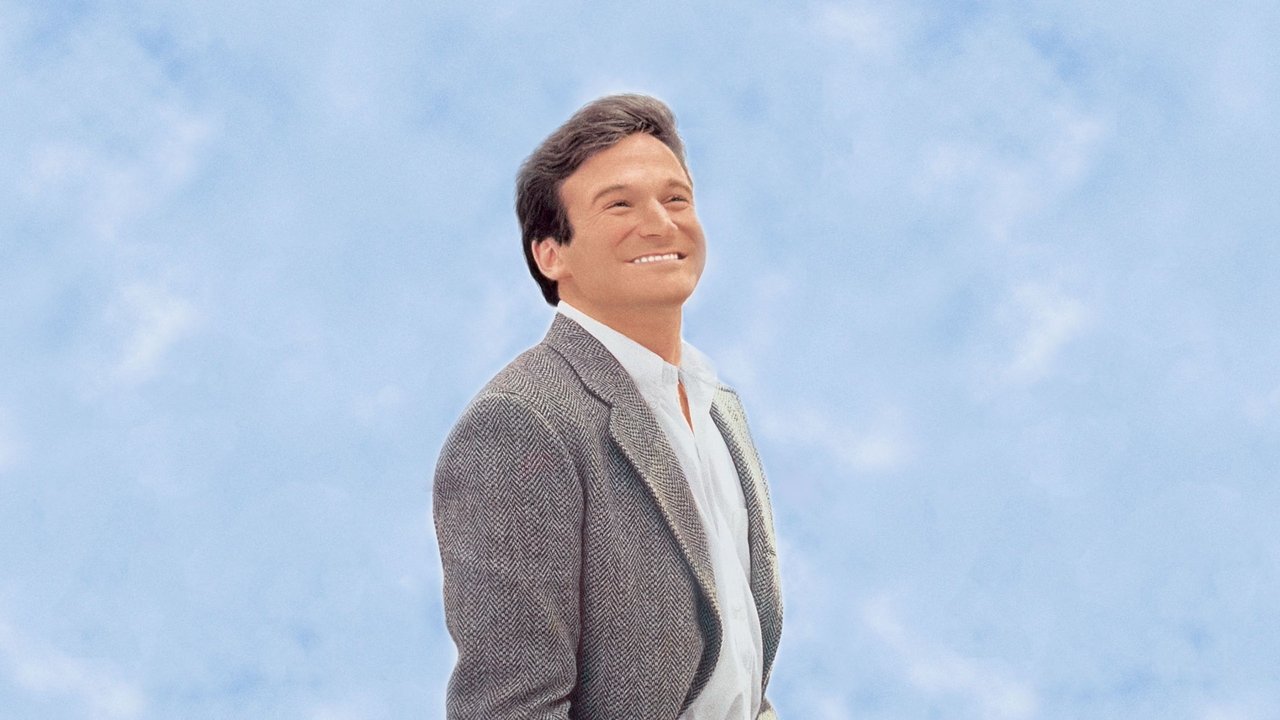
At the centre of it all is Robin Williams as Garp. This was a pivotal role for him, a deliberate step away from the manic energy of Mork from Ork that had made him a household name. Williams, who reportedly lobbied hard for the part, brings a surprising depth and vulnerability. You see flashes of the familiar comedic spark, but it's tempered with a writer's introspection, a husband's anxieties, and ultimately, a profound weariness. He makes Garp believable, relatable even amidst the escalating strangeness of his circumstances. It was a gamble casting such a popular comedian in a role demanding significant dramatic range, but Williams rises to the challenge, showing early signs of the versatile actor he would become.

Equally captivating is Glenn Close as Jenny Fields. It's almost unbelievable that this commanding, nuanced performance was her feature film debut. Close, primarily a stage actress at the time, embodies Jenny's quiet certainty, her unintentional radicalism, and her unwavering (if sometimes detached) love for her son. She radiates a strength that anchors the film's exploration of feminism and unconventional life choices, rightfully earning her first Academy Award nomination. Her portrayal feels less like acting and more like inhabiting a fully realized person.
And then there's John Lithgow as Roberta Muldoon, the transgender former tight end who becomes a crucial part of the Garp family's life. In 1982, this was groundbreaking territory. Lithgow, also nominated for an Oscar, delivers a performance of immense sensitivity, warmth, and dignity. Avoiding caricature entirely, he presents Roberta as a complex individual navigating her identity with grace and strength. Lithgow's preparation, which included spending time understanding the experiences of transgender individuals, shines through in the authenticity he brings to the role, making Roberta one of the film's most memorable and beloved characters. Mary Beth Hurt, too, deserves recognition for her portrayal of Helen, providing a grounded, intelligent counterpoint to the eccentricities swirling around her.
The Tone of Truth, Even in Absurdity
Garp is a film that constantly shifts its footing. One moment might offer gentle satire or outright slapstick (the disastrous encounter with the car driven by Helen's lover comes to mind), only to pivot sharply into moments of shocking violence or profound grief. This tonal tightrope walk, expertly navigated by George Roy Hill, mirrors the unpredictable nature of life itself. It doesn’t shy away from the darkness – the fear of sexual violence embodied by the Ellen Jamesians, the sudden accidents, the weight of loss – but frames it within a larger context of resilience, love, and the ongoing search for meaning. Some viewers might find these shifts jarring, but they feel essential to the film's core message: life is messy, beautiful, terrifying, and funny, often all at once. The film cost roughly $17 million to make and pulled in around $29 million domestically – respectable, but perhaps reflecting its challenging, unclassifiable nature for mainstream audiences at the time. Initial reviews were often positive, particularly praising the acting, though some critics wrestled with the same tonal shifts viewers might.
I remember renting this one from the 'Drama' section back in the day, probably drawn by Williams' name, and being utterly unprepared for what unfolded. It wasn’t the comfortable watch I might have expected. Instead, it was provocative, strange, and deeply moving in ways I couldn't quite articulate then. It lingered, planting questions about life, fear, and how we navigate the chaos.
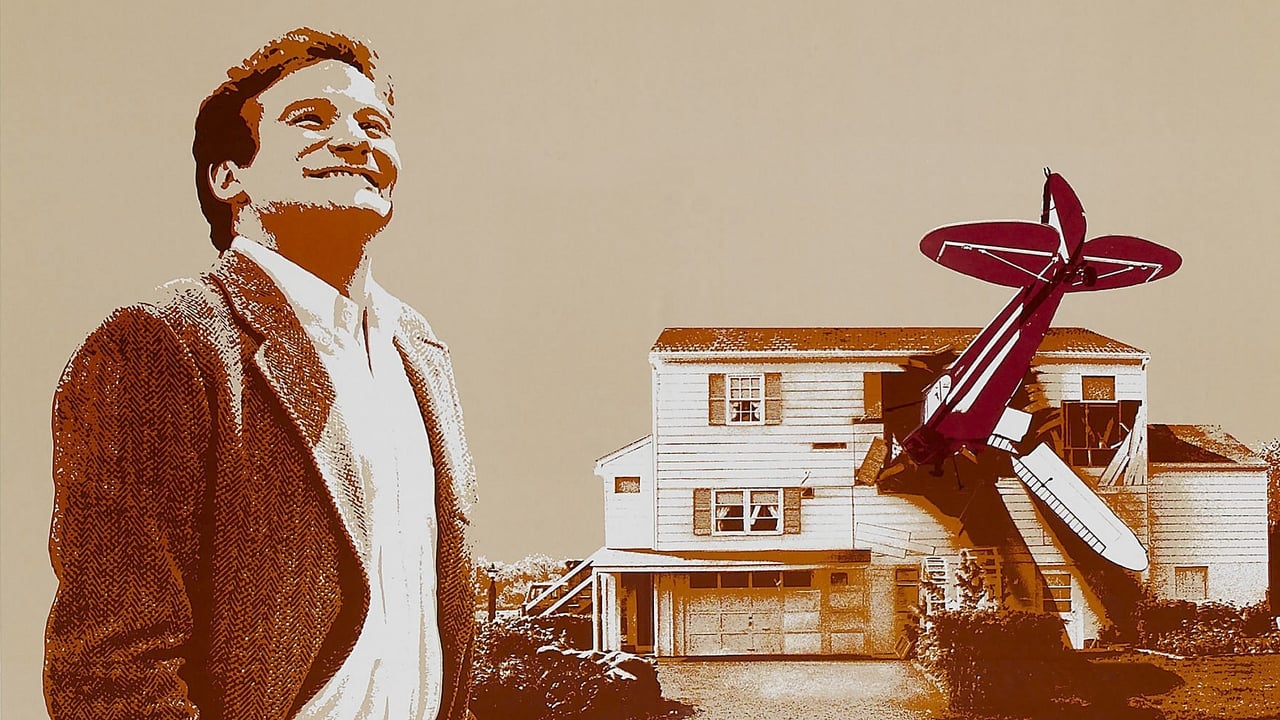
Rating: 8.5/10
This score reflects the film's ambition, its unforgettable performances (especially from Williams, Close, and Lithgow), and its brave willingness to tackle complex themes with a unique blend of humor and heartbreak. It successfully captures the spirit of Irving's novel, even if the sheer density of the source material means some elements feel condensed. The tonal shifts, while occasionally abrupt, ultimately serve the film's purpose, reflecting life's chaotic reality. The World According to Garp isn't always an easy watch, but it's a rewarding one – a quirky, intelligent, and deeply affecting piece of 80s cinema that stays with you long after the tape stops rolling.
It leaves you pondering not just Garp's world, but our own – wrestling with that same Under Toad, hoping to navigate the currents with a measure of grace and understanding.