Saturday, March 24, 1984. Shermer High School. Detention. For many of us who first encountered The Breakfast Club on a humming VCR, perhaps rented from a store with flickering fluorescent lights and aisles packed with plastic cases, that specific date and place became instantly iconic. It wasn’t just a movie setting; it felt like a destination, a crucible where teenage identities were forged and fractured under the indifferent gaze of Assistant Principal Vernon. What begins as a simple premise – five disparate students forced together – unfolds into something far more resonant, a film that still feels startlingly honest about the pressures and pains of adolescence.
Beyond the Archetypes
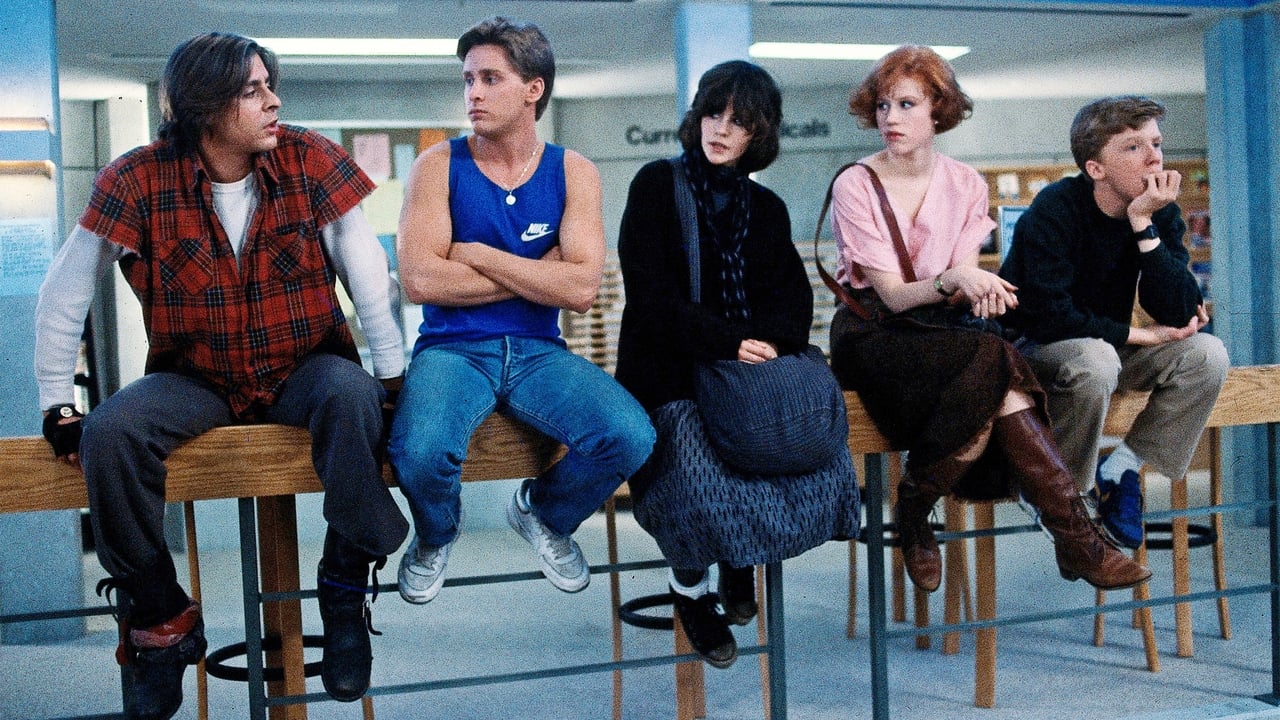
Director John Hughes, who cemented his status as the poet laureate of 80s teen angst with this film, presents us with stereotypes seemingly ripped straight from any high school hallway: the Brain (a pitch-perfect Anthony Michael Hall), the Athlete (the conflicted Emilio Estevez), the Basket Case (a captivatingly eccentric Ally Sheedy), the Princess (the vulnerable Molly Ringwald, Hughes' frequent muse), and the Criminal (the incendiary Judd Nelson). But the genius of Hughes’ script, reportedly banged out in just a few days, is how it meticulously dismantles these labels. The enforced proximity of the library, a character in itself – vast, silent, and imposing – becomes a confessional booth. The initial antagonism, fueled by prejudice and posturing, gradually gives way to raw, shared vulnerability.
What truly elevates The Breakfast Club beyond a simple teen flick are the performances. Each actor fully inhabits their role, finding the simmering hurt beneath the surface bravado or insecurity. Judd Nelson’s Bender is a force of nature – charismatic, cruel, yet masking deep wounds inflicted by his home life. His volatile energy drives much of the film's conflict, but it’s the cracks in his armor that linger. Ally Sheedy’s Allison is equally magnetic in her quiet strangeness, her eventual "makeover" still sparking debate but representing, perhaps, her tentative step towards connection rather than a capitulation. Molly Ringwald navigates Claire’s popularity and privilege with a surprising fragility, while Emilio Estevez perfectly captures the weight of expectation crushing Andrew. And Anthony Michael Hall, building on his collaboration with Hughes in Sixteen Candles, finds both humor and pathos in Brian's desperate need for academic validation. Even Paul Gleason as Vernon feels painfully real – a man trapped by his own perceived authority and failures.
Whispers from Shermer High
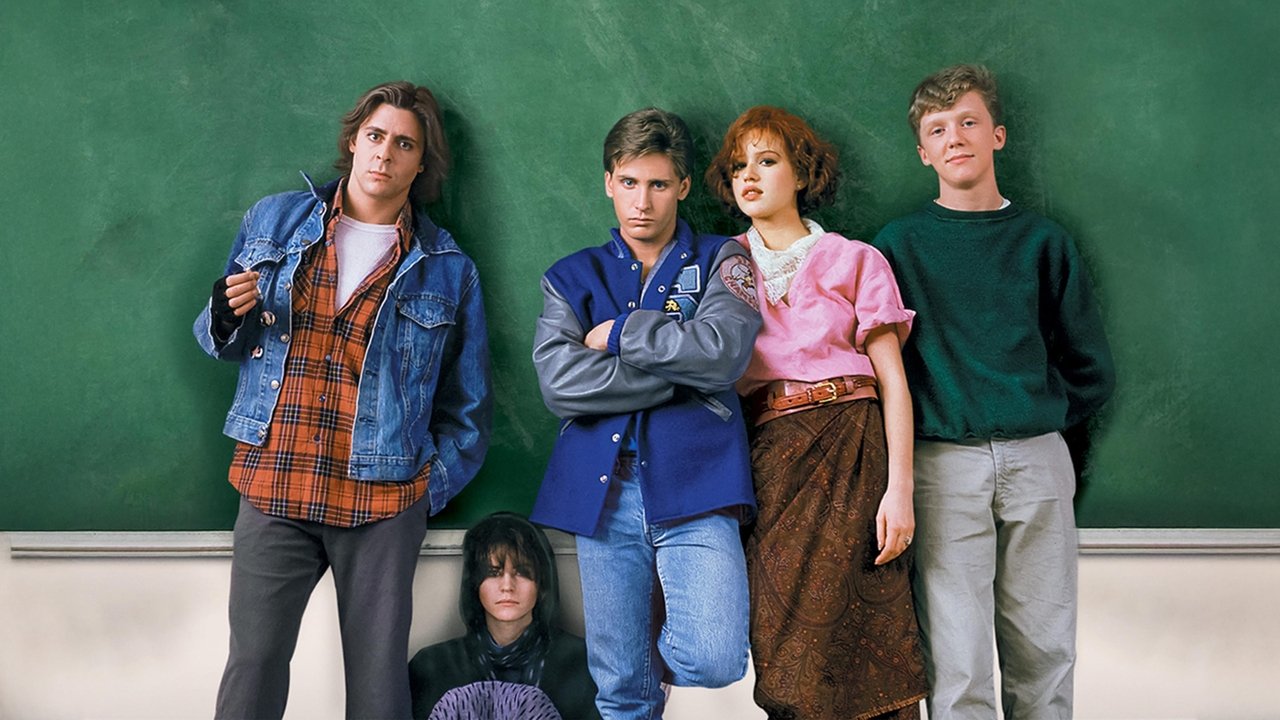
Part of the magic of The Breakfast Club, especially when revisiting it now, lies in the stories behind its creation. It’s fascinating to think that Hughes originally envisioned a longer film, potentially part of a series, and that significant footage exploring characters like Carl the Janitor (played brilliantly by John Kapelos) was cut. Imagine Carl was nearly played by Rick Moranis, who apparently wanted to give the character a thick Russian accent and various comedic props – a choice Hughes felt didn't fit the tone! Even the core cast wasn't set in stone; John Cusack was considered for Bender and Andrew, Nicolas Cage auditioned for Bender, and Jodie Foster was apparently an early thought for Claire. It underscores how lightning-in-a-bottle the final ensemble truly was.
Hughes encouraged improvisation, particularly during the pivotal group sharing scene where the students confess their deepest fears and reasons for being in detention. This loosening of the script likely contributes heavily to the scene's raw, almost uncomfortably authentic feel. It’s less like watching actors recite lines and more like eavesdropping on genuine breakthroughs. And consider the budget: a mere $1 million. That such a culturally resonant and enduring film came from such modest resources speaks volumes about the power of a strong script, focused direction, and committed performances. It went on to gross over $51.5 million worldwide – a phenomenal return, translating to roughly $140 million in today's money, proving Hughes tapped directly into the zeitgeist.

The Enduring Echo
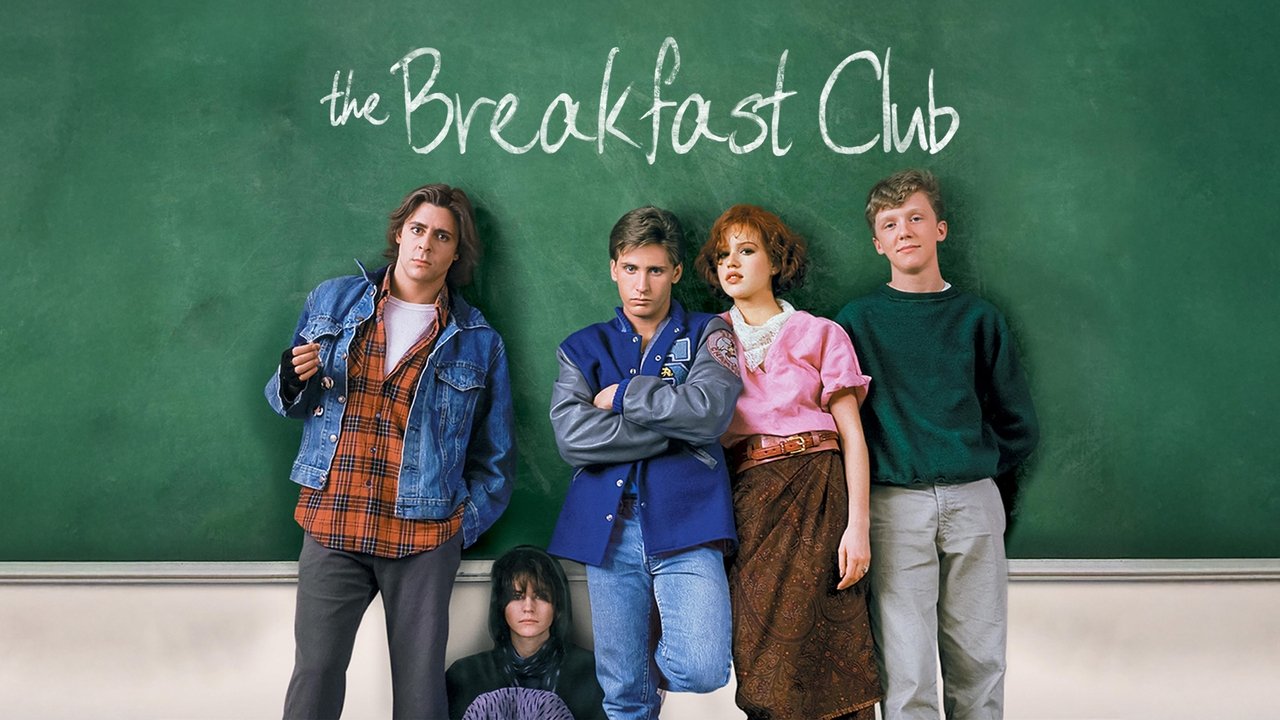
Hughes' direction is deceptively simple. He keeps the camera largely contained within the library, using the space to emphasize both the physical and psychological confinement. The editing allows conversations to breathe, letting moments of uncomfortable silence hang in the air. And the soundtrack, while minimal for stretches, is punctuated perfectly by tracks culminating in that fist-pumping anthem, Simple Minds' "Don't You (Forget About Me)." Funnily enough, the band initially turned down the song, as did several others like Billy Idol and Bryan Ferry, before reluctantly recording it. Its eventual fusion with the film's closing moments is now inseparable, a perfect audio-visual encapsulation of defiant hope and uncertain futures.
Does every element hold up perfectly? Perhaps not. Some dialogue feels distinctly of its time, and Allison's transformation remains a point of contention for many viewers. Yet, these are minor quibbles in the face of the film's overwhelming emotional honesty. It asks questions that transcend the 80s: Do we ever truly escape the labels assigned to us in youth? How much are we shaped by our parents' expectations, both spoken and unspoken? Can genuine connection bridge the widest social divides? The film doesn't offer easy answers, but its willingness to explore these complex themes with empathy and sincerity is why it continues to resonate. Watching it again feels less like simple nostalgia and more like revisiting a profound truth about the shared human experience of growing up.
Rating Justification:
Rating: 9/10
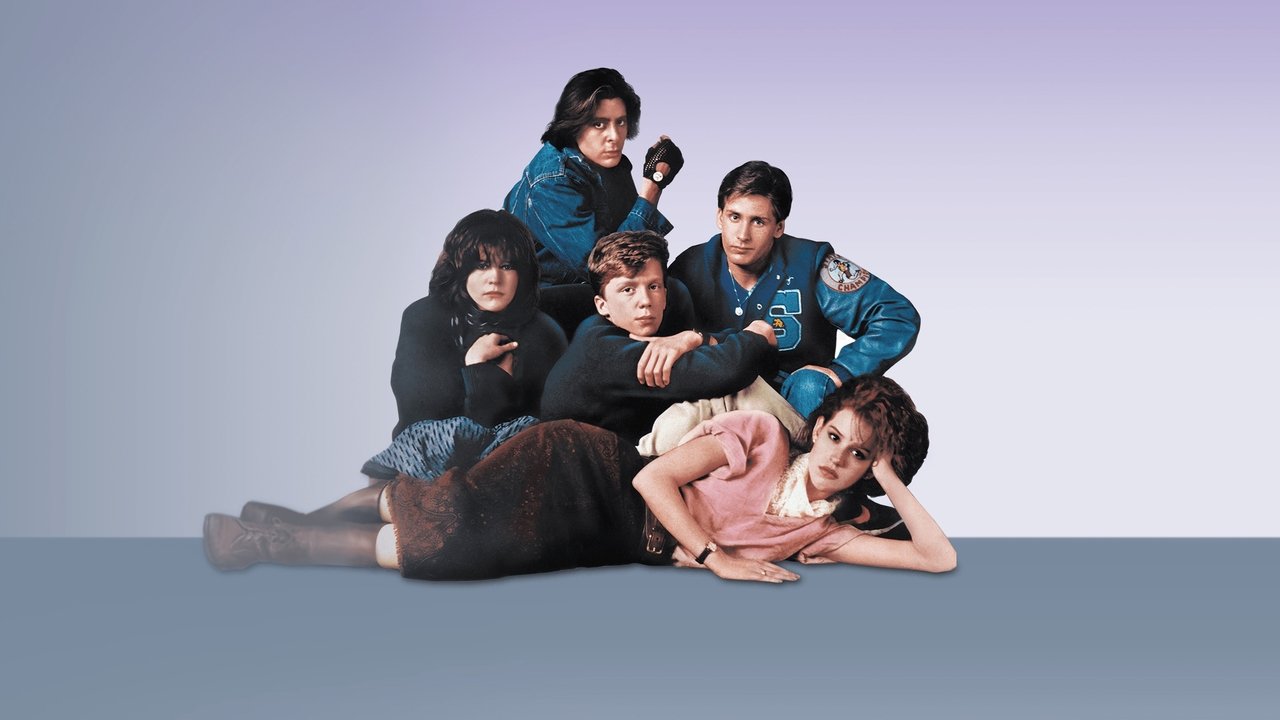
This near-perfect score reflects The Breakfast Club's enduring power as a cultural touchstone and a masterclass in character-driven drama disguised as a teen movie. The screenplay is sharp, insightful, and deeply empathetic, brought to life by an iconic ensemble cast delivering career-defining performances filled with nuance and vulnerability. John Hughes' direction is perfectly pitched, creating an atmosphere of both confinement and potential connection. While minor elements might feel dated, the core themes of identity, societal pressure, and the desperate need for understanding remain profoundly relevant. Its incredible impact on the genre and its continued resonance across generations, achieved on a shoestring budget, solidify its place as a landmark film, justifying a score just shy of absolute perfection due to those few slightly aged components.
Final Thought: More than just a movie, The Breakfast Club feels like a shared memory, a reminder that beneath the surface labels we adopt or are given, lies a universal yearning for acceptance and understanding – a truth that echoes long after the Simple Minds track fades out.