Amazonia: The Catherine Miles Story
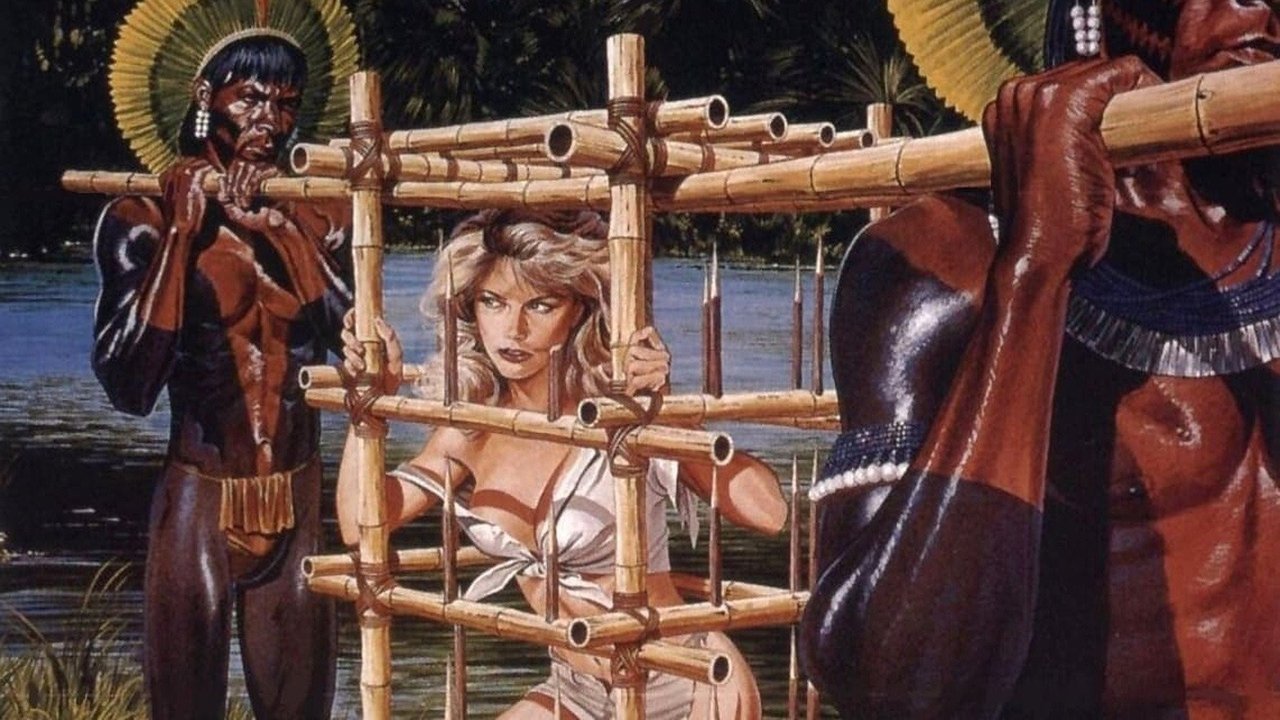
The crackle of the VCR, the whirring of the tape mechanism – sounds that often preceded journeys into cinematic realms both wondrous and deeply unsettling. Sometimes, the box art itself whispered promises of the forbidden, hinting at terrors lurking just beyond the tracking adjustment. Few tapes beckoned with quite the same mix of exotic danger and exploitation grit as 1985's Amazonia: The Catherine Miles Story (often found lurking on shelves under its more lurid title, Schiave bianche: L'orgia cannibale, or simply White Slave). One minute, a seemingly idyllic river journey; the next, a hail of arrows, the brutal severance from everything familiar, and young Catherine Miles is plunged into the suffocating embrace of the Amazon rainforest, captive to a native tribe. The suddenness is jarring, effectively setting a tone of vulnerability that clings like the jungle humidity.

Swallowed by the Green
Directed by Mario Gariazzo, a journeyman of Italian genre cinema, Amazonia arrived relatively late in the notorious Italian cannibal cycle, a subgenre infamous for pushing boundaries of taste and often, legality. Unlike the gut-churning pseudo-documentary realism of Ruggero Deodato’s Cannibal Holocaust (1980) or the sheer sadistic nastiness of Umberto Lenzi’s Cannibal Ferox (1981), Gariazzo’s film initially feels… different. The premise hinges on the alleged real-life account of Catherine Miles (Elvire Audray), a British teenager supposedly captured after her parents are murdered by headhunters. This "based on a true story" hook, heavily emphasized in the marketing, was a common trope in exploitation, adding a veneer of questionable authenticity designed to pull viewers in. Whether Catherine Miles ever existed is highly debatable, but the setup provides a familiar narrative framework: the 'civilized' individual forced to survive in a 'savage' world.
Survival and Sedation

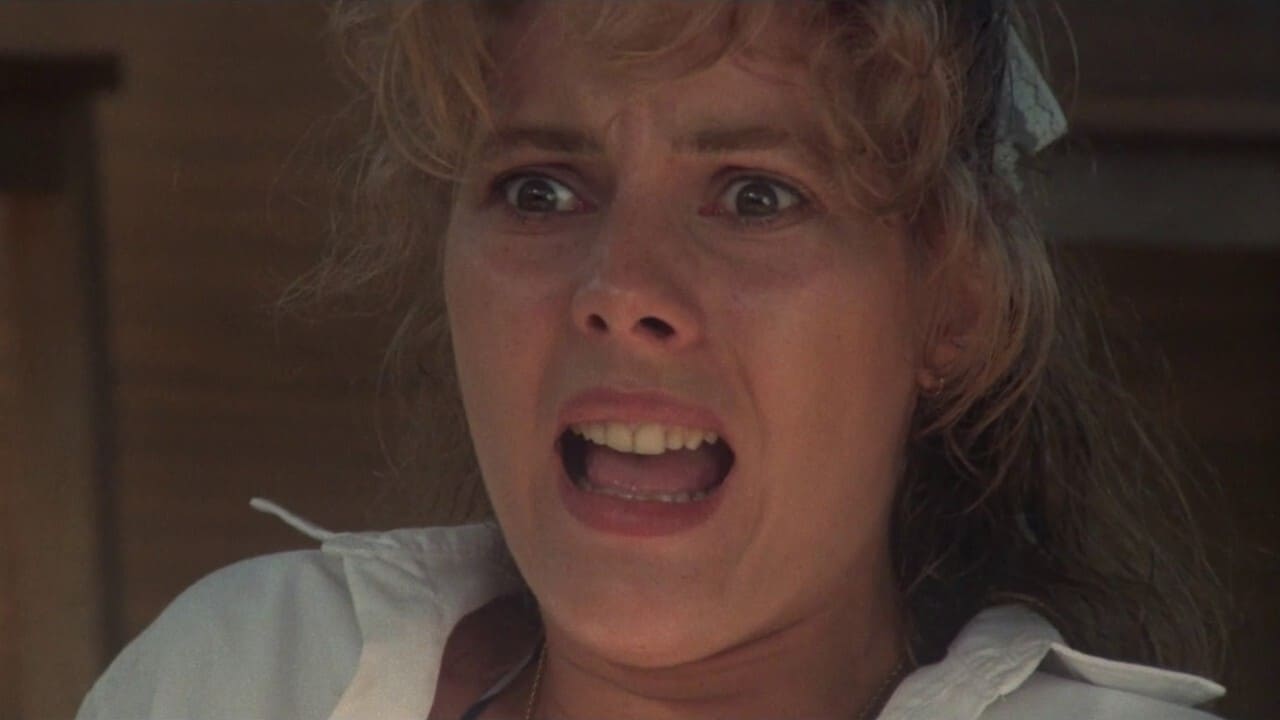
Elvire Audray, a striking French actress who became a fixture in Italian B-movies during the 80s, carries the film. Her transformation from terrified captive to a figure who seemingly begins to adapt, even integrate, into the tribe's ways forms the core of the narrative. There's a distinct focus on her psychological journey, more so than just the physical threats. The film spends considerable time depicting tribal customs, hunting, and daily life. This shift sometimes feels like an attempt to blend the expected exploitation elements with something closer to an adventure or survival drama. The expected threats are present – hostile warriors, dangerous wildlife, the constant menace of the unknown – but Gariazzo often pulls back where his contemporaries might have lingered. The result is a film less graphically shocking than its brethren, which might disappoint gorehounds but perhaps makes it slightly more palatable for others curious about this notorious corner of cinema. Doesn't that relative restraint feel almost surprising, given the genre's reputation?
Jungle Fever Dreams and Exploitation Echoes
The atmosphere is undeniably potent. Filmed on location in the Amazon, the oppressive heat, the dense foliage, and the sounds of the rainforest create a tangible sense of isolation. You feel Catherine's displacement, the overwhelming power of nature dwarfing human concerns. The score, often featuring tribal-sounding percussion mixed with synthesizer melodies typical of the era, enhances the mood effectively. Yet, Amazonia can't entirely escape its exploitation roots or the problematic tropes inherent in the 'lost tribe' narrative. The depiction of the indigenous people, while perhaps less overtly demonic than in some cannibal films, still relies on stereotypes common to the genre.
One interesting tidbit is how these Italian productions often navigated tricky filming conditions. Shooting deep in the jungle presented immense logistical challenges, from transporting equipment to managing unpredictable weather and wildlife – adding a layer of genuine hardship to the filmmaking process that mirrored the survival themes on screen. While Amazonia avoids the explicit animal cruelty that rightly condemned films like Cannibal Holocaust, the production was still a feat of navigating difficult, remote environments on budgets that were often stretched thin ($1.5 million budget, modest even then).
A Relic of a Bygone Boom
Compared to the raw, visceral horror of its predecessors, Amazonia feels somewhat tamer, more story-driven. It lacks the nihilistic punch of Cannibal Holocaust or the gleeful depravity of Cannibal Ferox. This isn't necessarily a criticism; it occupies a slightly different space, attempting a narrative arc that goes beyond pure shock value. However, this also means it sometimes feels caught between two worlds – not quite harrowing enough to satisfy hardcore exploitation fans, yet still too steeped in the genre's conventions to fully succeed as a straightforward adventure film. Elvire Audray gives a committed performance, but the script occasionally lets her down, relying on familiar beats. Remember finding this one nestled between more infamous titles at the video store? It often felt like the slightly less intimidating option within a brutal subgenre.

VHS HEAVEN RATING: 5/10
Amazonia: The Catherine Miles Story earns its 5/10 rating by being a competent, atmospherically shot example of late-stage Italian exploitation. Elvire Audray provides a solid anchor, and the jungle locations feel authentic and immersive. However, its attempt to blend adventure with exploitation dilutes the impact of both, leaving it feeling less memorable than the genre's defining (and more infamous) entries. It lacks the raw power or transgressive shock value of its peers and leans heavily on a dubious "true story" claim.
Ultimately, Amazonia is a fascinating artifact – a snapshot of the dying days of the Italian cannibal boom, trying to find a slightly different path but still bearing the unmistakable marks of its lineage. It’s a less extreme trip into the green inferno, perhaps easier to watch than some, but also less likely to leave a lasting scar on your cinematic psyche. For fans exploring the grittier corners of 80s VHS shelves, it remains a noteworthy, if not essential, piece of the puzzle.