The name Ruggero Deodato hangs heavy in the air for anyone who trawled the grimmer corners of the video store aisles in the 80s. Whisper Cannibal Holocaust and you conjure images that still provoke debate and unease. So, when his name appeared on the box for 1985's Cut and Run (original Italian title: Inferno in diretta), perhaps nestled between action flicks and slasher imports, you knew you weren't in for a gentle ride. This wasn't just another jungle adventure; it was a Deodato jungle adventure, promising a descent into a humid, violent heart of darkness, a promise the film largely delivers on, albeit with a narrative as tangled as the vines choking its South American setting.
Into the Green Inferno
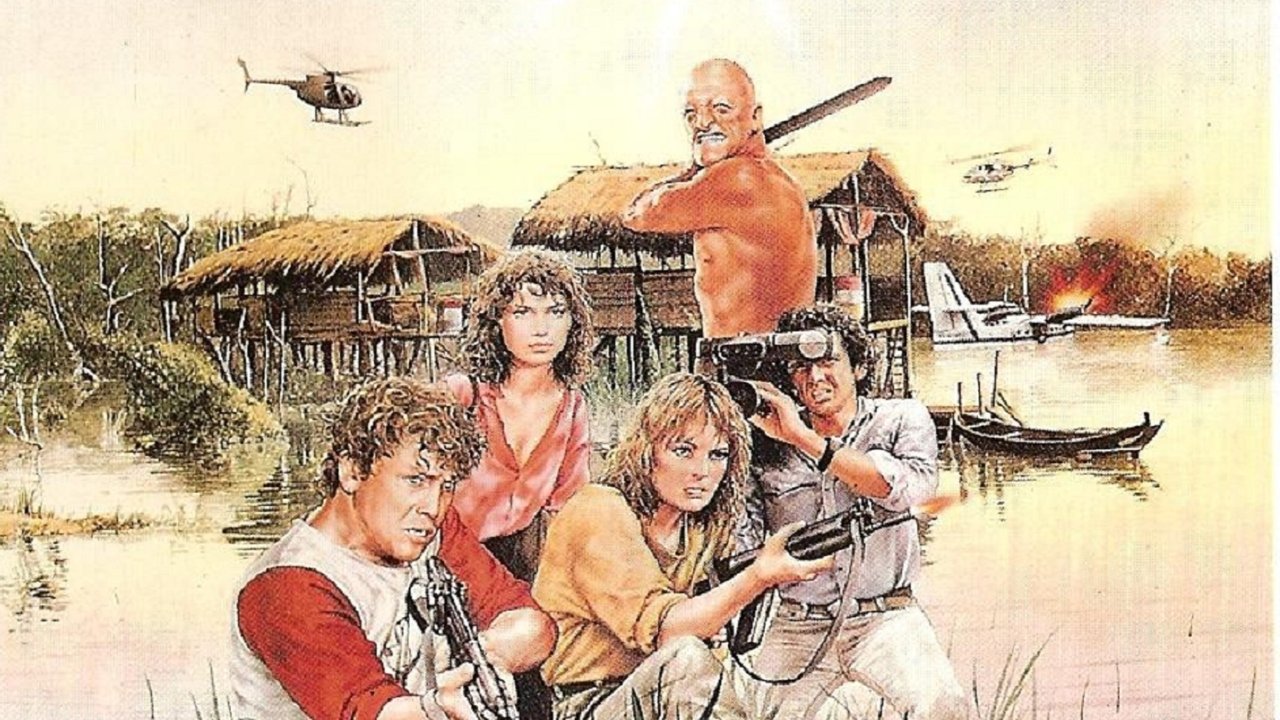
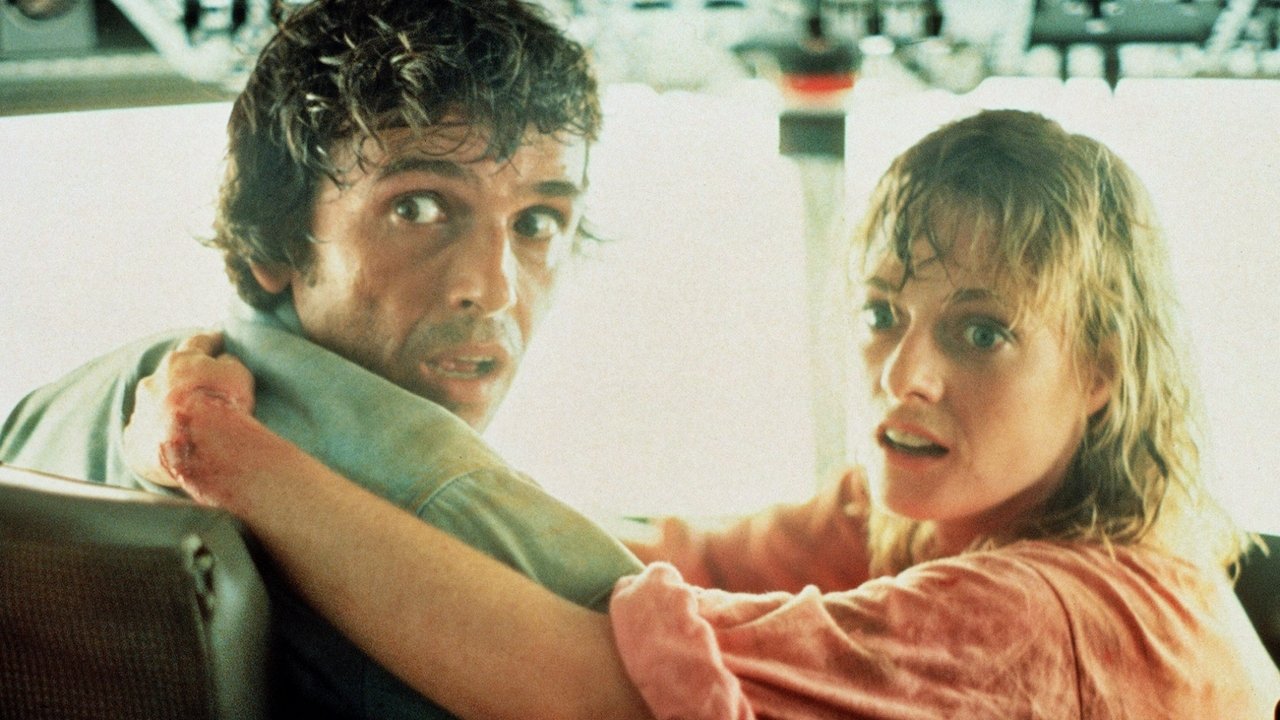
The premise feels ripped from contemporary headlines of the era, steeped in the anxieties surrounding South American drug wars and lingering colonial tensions. Lisa Blount (who earned an Oscar nod for An Officer and a Gentleman just a few years prior, lending the film some unexpected dramatic heft) stars as Fran Hudson, a determined TV journalist. She gets a lead on a major story involving the son of her station's boss, who has vanished deep in the jungle while investigating links between drug cartels and a shadowy former US Colonel turned cult leader, the Kurtz-like Colonel Brian Horne. Paired with cynical cameraman Mark (Leonard Mann), they plunge into the unforgiving wilderness, seeking truth but finding mostly bullets, bloodshed, and betrayal. It's a setup ripe for exploitation thrills, blending investigative journalism with brutal action set pieces.
Deodato's Signature Savagery

You can feel Deodato's handprints all over this. While lacking the stomach-churning, documentary-style 'realism' that made Cannibal Holocaust infamous (and led to genuine legal trouble for the director, who had to prove his actors weren't actually killed), Cut and Run shares its DNA of unflinching violence and a deeply cynical worldview. The action is frequent and brutal, captured with a gritty immediacy. Machete fights, close-quarters gun battles, and moments of shocking gore punctuate the narrative. Deodato wasn't shy about showing the consequences of violence, a stark contrast to the often-sanitized action heroes dominating American screens at the time. This commitment to visceral impact, sometimes bordering on the gratuitous, is pure Italian exploitation cinema of the period. Interestingly, the roots of the film are tangled; it reportedly evolved from a script originally titled 'Marbles' by Wes Craven (yes, that Wes Craven) that Deodato was attached to earlier, before morphing into this jungle-bound pursuit narrative penned by frequent collaborators Dardano Sacchetti and Cesare Frugoni.
Sweat, Blood, and Willie Aames?
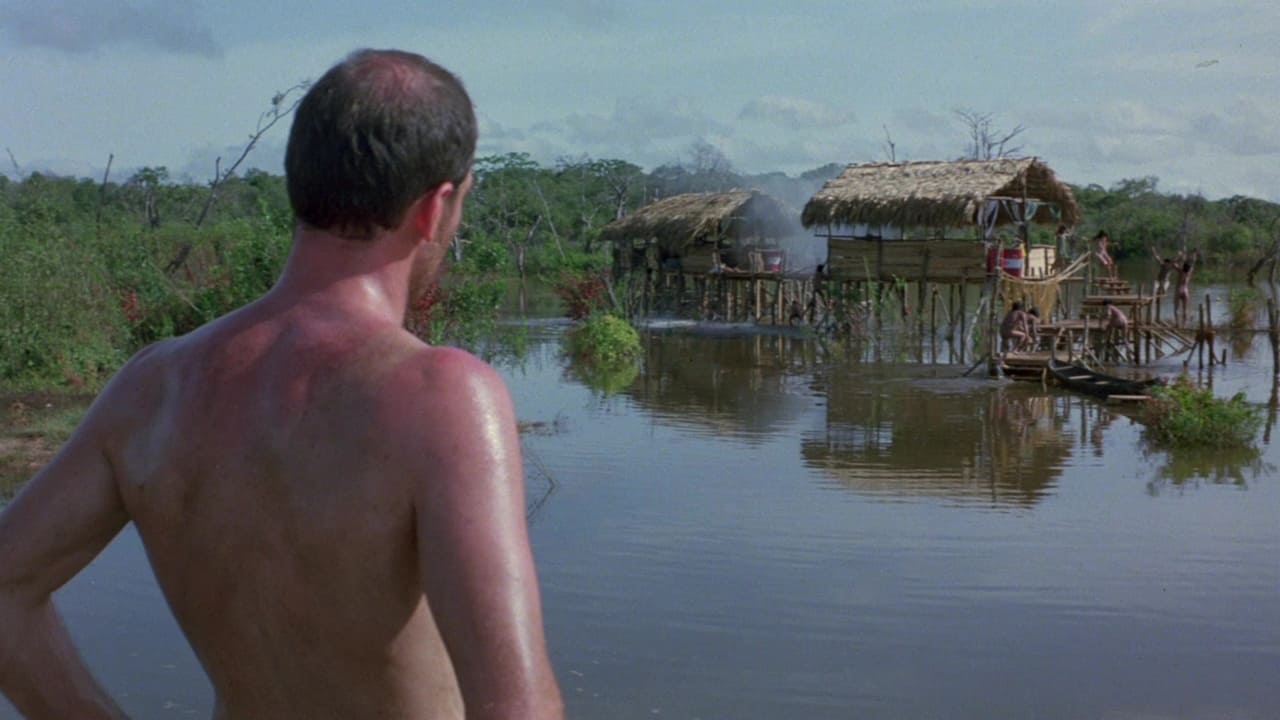
The Venezuelan locations are used to great effect, creating an oppressive, claustrophobic atmosphere. You can almost feel the sweltering heat, the buzzing insects, the constant dampness clinging to everything. This tangible sense of place elevates the tension significantly. The performances are serviceable for the genre. Lisa Blount grounds the film with her believable portrayal of a reporter caught far out of her depth, displaying a resilience that makes her a compelling protagonist. Leonard Mann fits the bill as the world-weary cameraman. Perhaps the most surprising piece of casting, especially for kids who grew up on 80s sitcoms, is Willie Aames (Buddy from Charles in Charge, Tommy from Eight is Enough). Seeing him here as the missing son, Tommy Allo, caught up in intense jungle warfare, provides a definite jolt of "Wait, is that...?" It's a far cry from his Tiger Beat days, and while not a powerhouse performance, his presence adds a layer of unexpected dissonance that, strangely, works within the film's often chaotic energy.
Adding immeasurably to the film's mood is the score by the legendary Claudio Simonetti, best known for his iconic work with Goblin on Dario Argento classics like Suspiria and Deep Red. His synth-heavy score for Cut and Run pulses with driving electronic rhythms during the action scenes and shifts into more atmospheric, suspenseful tones during the jungle treks, perfectly complementing Deodato's visuals and enhancing the overall feeling of dread.
Tangled Vines and Lasting Cuts
Cut and Run isn't a masterpiece. The plot can feel disjointed, meandering between the journalists' quest, the drug cartel violence, and the enigmatic Colonel Horne's forces (led by the imposing presence of Michael Berryman, instantly recognizable to horror fans from The Hills Have Eyes). The political commentary often feels secondary to the visceral thrills. Yet, viewed through the lens of 80s VHS nostalgia, it remains a potent slice of exploitation filmmaking. It captures that specific brand of gritty, violent, slightly unhinged energy that defined so much Italian genre output of the era. Renting this tape felt like discovering something illicit, something rougher and more dangerous than mainstream Hollywood fare. It delivered the kind of raw, sometimes messy, but undeniably impactful action that stuck with you. Remember the sheer brutality of some of those jungle skirmishes? It felt alarmingly real compared to the slicker, more choreographed violence elsewhere.
### Final Verdict
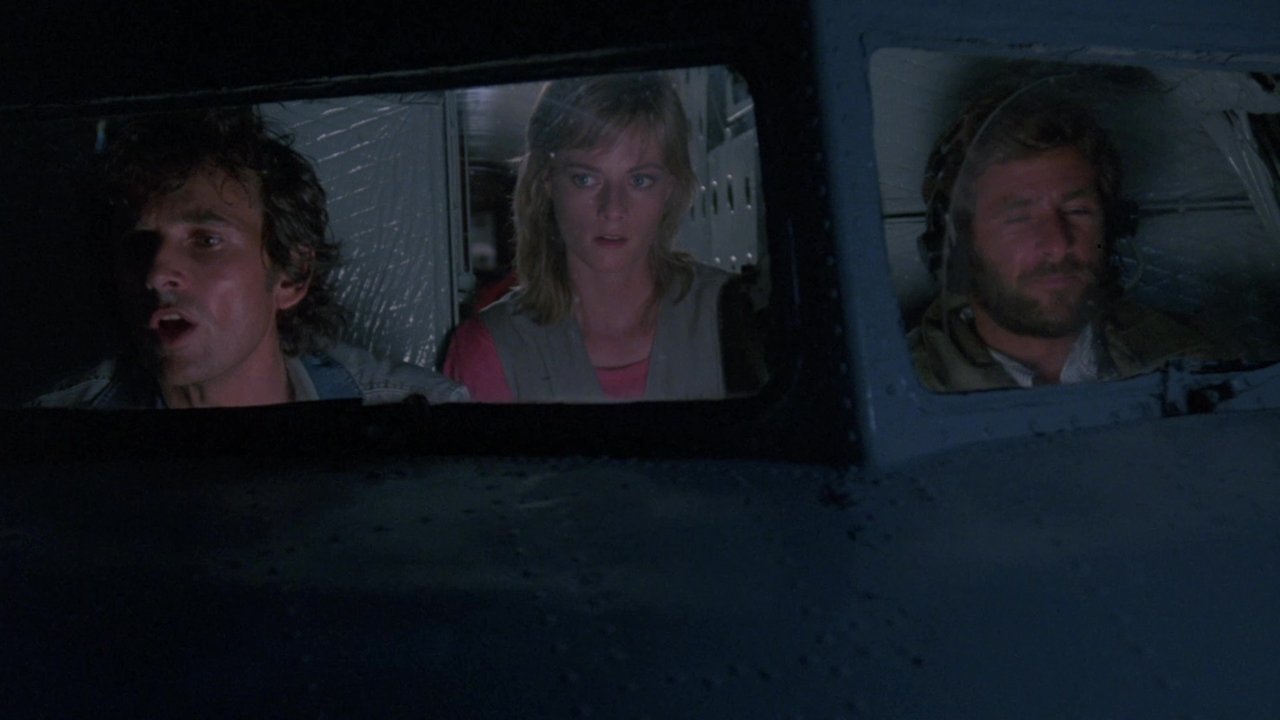
Cut and Run is a sweaty, brutal, and atmospheric journey into the kind of exploitation territory Ruggero Deodato navigated so effectively. While hampered by a sometimes-convoluted plot and lacking the boundary-pushing notoriety of its infamous predecessor, it delivers intense action, a palpable sense of jungle dread, and benefits greatly from Lisa Blount's committed performance and Claudio Simonetti's driving score. It's a prime example of the kind of gritty, international B-movie that thrived on video store shelves, offering a potent cocktail of violence and suspense that felt worlds away from polished multiplex offerings. For fans of Deodato, Italian exploitation, or just remembering the thrill of discovering something raw and untamed on VHS, it's a worthwhile, if rough-edged, trip back into the jungle.
Rating: 6.5/10
Final Thought: It may not be Deodato's most infamous film, but Cut and Run effectively bottles that specific 80s Italian exploitation lightning – raw, visceral, and guaranteed to leave you feeling like you need a shower after the credits roll.