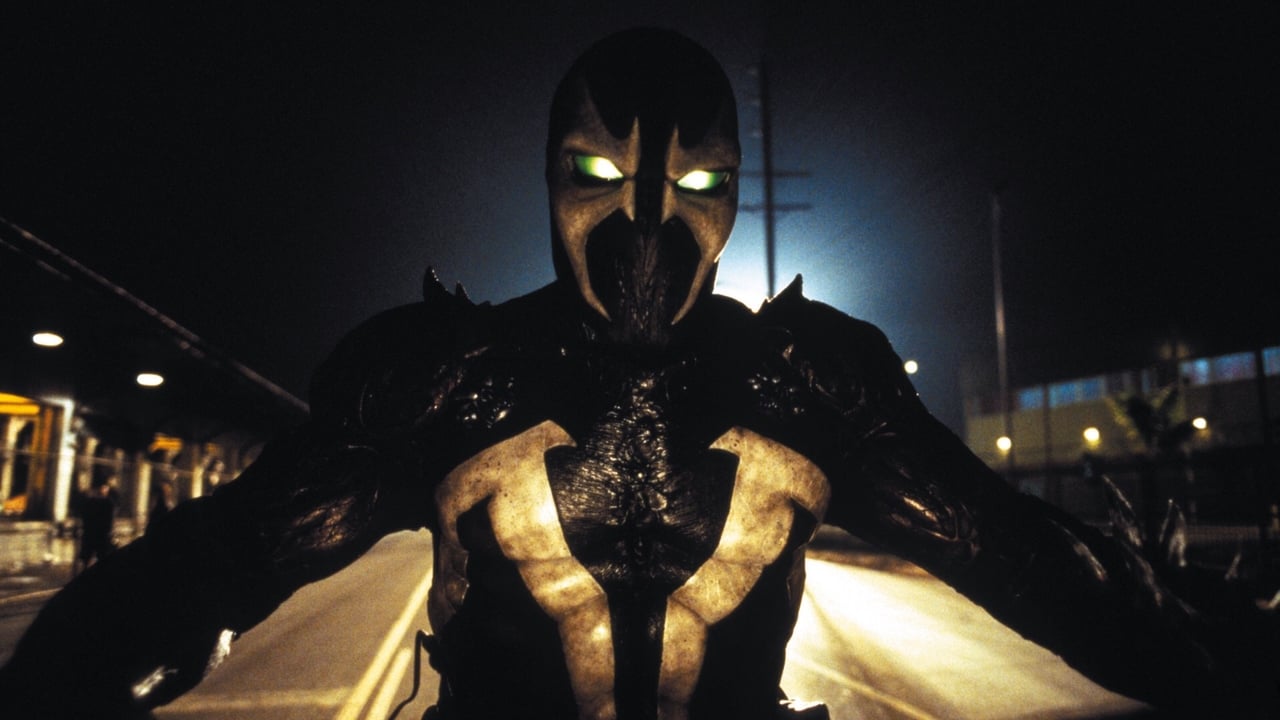
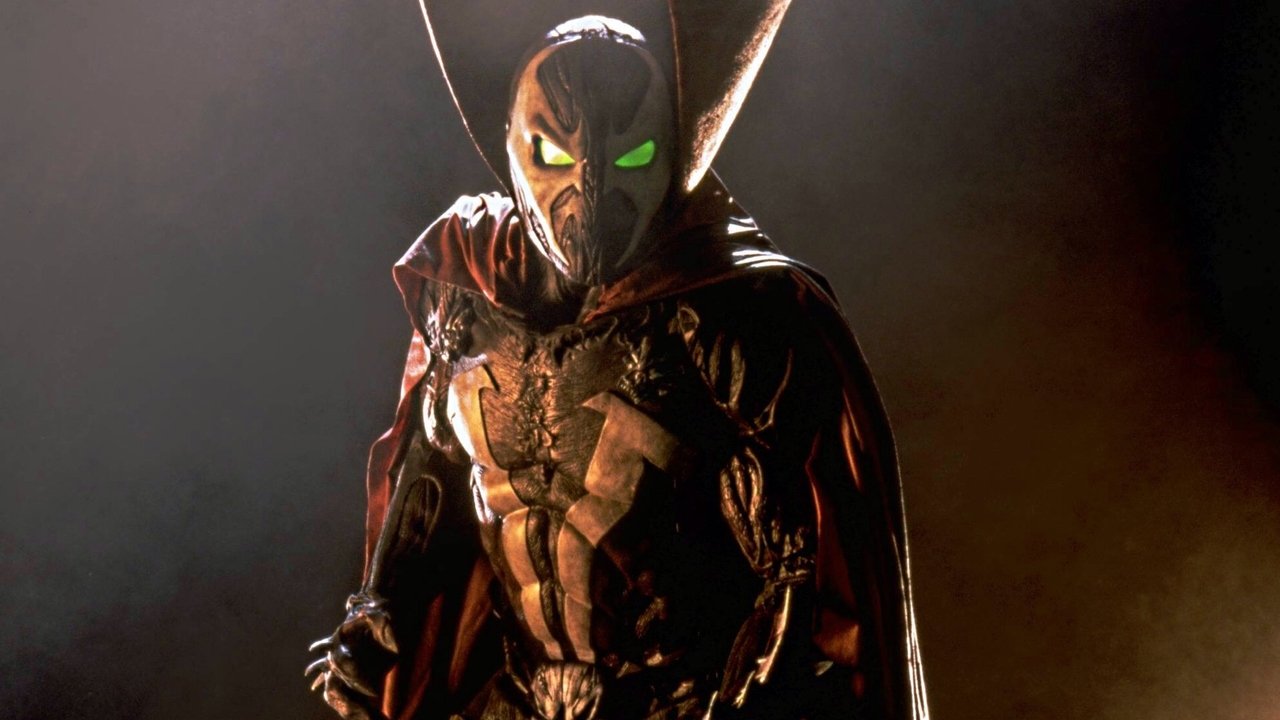
Remember the sheer, visceral look of Todd McFarlane's creation splashed across comic book covers? That obsidian suit, the flowing crimson cape that seemed alive, the burning emerald eyes? 1997's Spawn, directed by visual effects veteran Mark A.Z. Dippé (whose background included groundbreaking work at ILM on films like Jurassic Park), attempted to wrestle that dark, hellish vision onto the big screen. It arrived in an era before the polished dominance of the MCU, a time when comic book adaptations felt wilder, riskier, and often, far grimmer. And grim is certainly the word for Spawn. This wasn't your Saturday morning cartoon hero; this was vengeance born from betrayal and damnation, wrapped in chains and supernatural fury.
### A Deal with the Devil, 90s Style
The premise drips with gothic angst: Al Simmons (Michael Jai White), a highly skilled government assassin, is double-crossed and murdered by his ruthless boss, Jason Wynn (Martin Sheen, chewing scenery with palpable disdain). Consigned to Hell, Simmons makes a pact with the demon Malebolgia to return to Earth, see his beloved Wanda, and get his revenge. The catch? He returns five years later as Spawn, a disfigured, superpowered Hellspawn, bound to lead Hell's army. It's a classic Faustian bargain filtered through 90s nihilism and comic book excess. Michael Jai White, in a role that should have made him a bigger star sooner, brings a necessary physical presence and brooding intensity to Simmons. It was a landmark moment seeing a Black actor lead a major comic book adaptation, and White carries the weight of Spawn's torment effectively, even under layers of makeup and eventual CGI enhancement. My old VHS copy, watched countless times on a fuzzy CRT, seemed to amplify the grit and shadows – the low resolution almost helped sell the murky underworld Simmons inhabited.
### The Scene-Stealing Clown
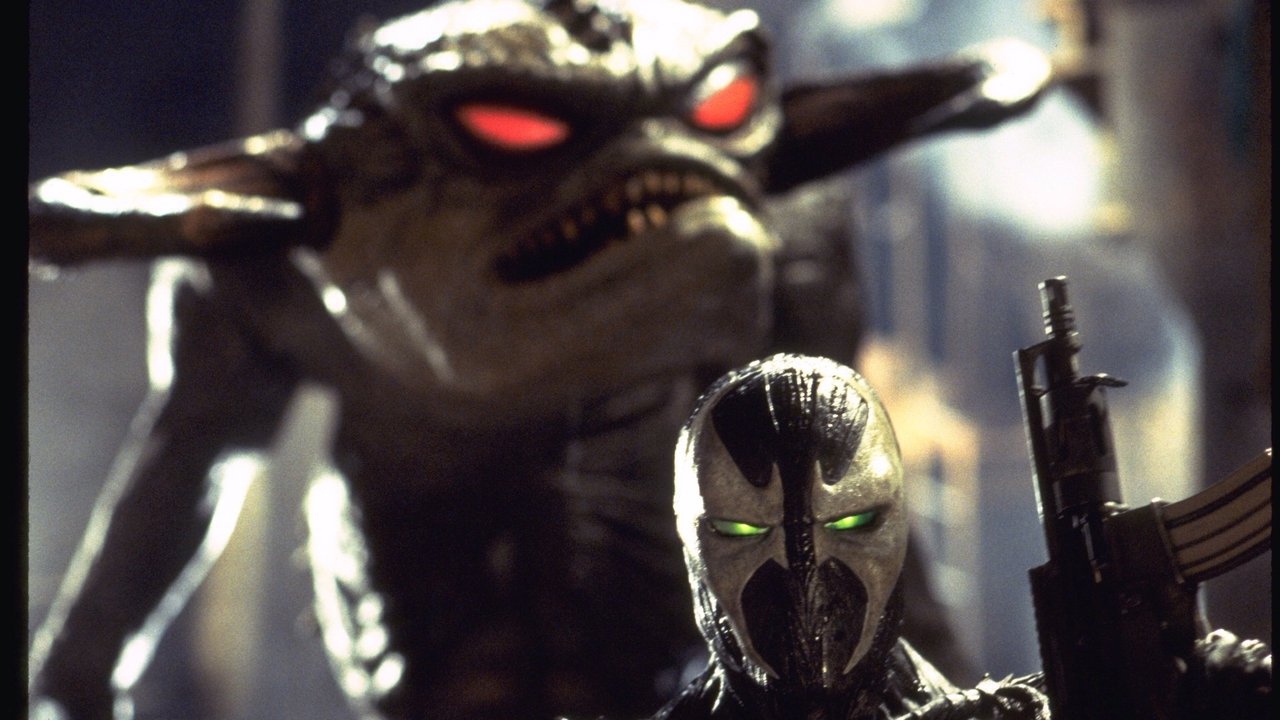
Let's be honest, though: who truly walks away with this movie? It's John Leguizamo as the Violator, Malebolgia's foul-mouthed, corpulent, demonic guide in the guise of a grotesque clown. Buried under pounds of latex and enduring reportedly hellish conditions inside the suit (Leguizamo often complained of overheating and claustrophobia, needing special cooling systems), he delivers a performance that is utterly captivating in its repulsive energy. He farts, he cracks vile jokes, he transforms into a towering, razor-toothed demon – he's the chaotic, unpredictable heart of the film's dark spectacle. It's a performance so committed, so physically transformative, it transcends the sometimes-uneven script. Doesn't that grotesque design, despite the film's age, still feel uniquely unsettling? It’s pure nightmare fuel, brought to life with a villainous glee that’s hard to forget. Apparently, Leguizamo based the Clown's voice and mannerisms on the notoriously abrasive casting director Bonita Pfeiffer – a little behind-the-scenes revenge, perhaps?
### Visual Effects: Ambition vs. Age
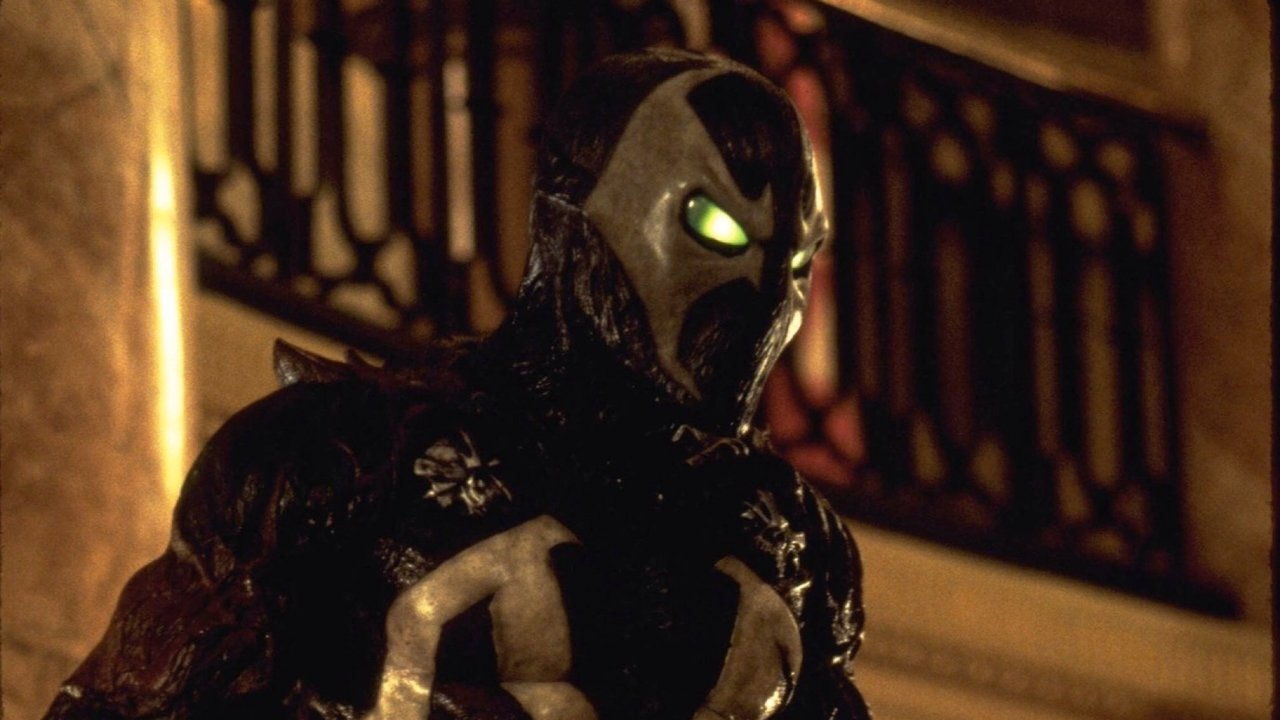
Coming from a director steeped in visual effects, Spawn swung for the fences. The practical effects, particularly Spawn's intricate suit and the truly impressive animatronics and makeup for the Violator's demonic form (created by the legendary KNB EFX Group), hold up remarkably well. There’s a tangible weight and menace to these creations that feels grounded, despite their fantastical nature. The cape, often a swirling CGI entity, has moments of iconic visual flair ripped straight from the comic panels.
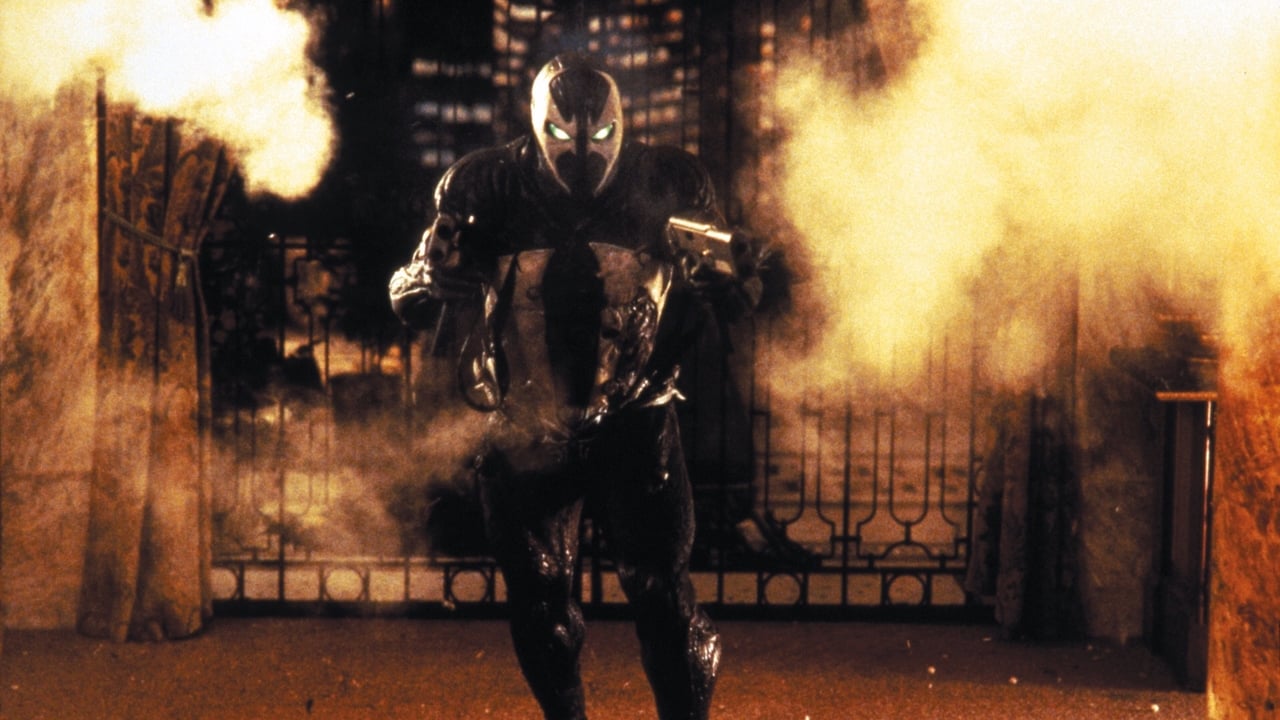
However, the late-90s CGI... well, that's another story. The journey into Hell and the depiction of Malebolgia himself suffer significantly from age. What might have looked cutting-edge blasting from the speakers of a rental store demo TV now often resembles a dated video game cutscene. The ambition was clearly there – attempting to render McFarlane’s intricate hellscapes – but the technology just wasn't quite ready. The film reportedly pushed New Line Cinema's budget, costing around $40 million (roughly $75 million today), much of it poured into these digital sequences. While it made a respectable $87.9 million worldwide, it wasn't the franchise-launching smash some hoped for, partly perhaps due to the unevenness of these effects and a script that sometimes struggled under the weight of its own mythology. There was even an R-rated director's cut released later, aiming to restore some of the grit lost in aiming for a PG-13 theatrical release – a common battle for darker comic adaptations back then.
### Echoes from the Abyss
Despite its flaws, Spawn possesses a unique, dark energy that sets it apart. The industrial/rock soundtrack pulsates with the film's aggressive tone, featuring collaborations between rock acts and electronic artists (Filter & The Crystal Method, Marilyn Manson & Sneaker Pimps) that felt perfectly edgy for 1997. The production design captures a decaying urban rot, a fitting backdrop for Simmons's tormented existence. It’s a film that feels like the era it came from – unafraid to be ugly, loud, and unapologetically bleak, a stark contrast to the often sanitized superheroics we see today. It sits alongside films like The Crow (1994) as part of a wave of darker, gothic-tinged comic book movies that resonated with a generation craving something less clean-cut.
Rating: 6/10
Spawn is a fascinating artifact of its time. Its ambition often outstripped its execution, particularly in the digital realm, and the story can feel rushed and underdeveloped. However, Michael Jai White's brooding presence, John Leguizamo's unforgettable turn as the Violator, the impressive practical effects, and the film's sheer commitment to its dark, hellish aesthetic make it a cult classic worth revisiting. It didn't quite stick the landing, but its attempt to bring one of comics' darkest anti-heroes to life resulted in a flawed but visually striking piece of 90s comic book cinema that still holds a certain grimy charm, especially for those of us who remember discovering its darkness on a worn-out VHS tape. It remains a potent reminder of a time when superhero movies dared to walk on the wild side, even if they occasionally stumbled into the fires of digital damnation.