Okay, fellow tapeheads, gather 'round the flickering glow of the imaginary CRT. Tonight, we're digging deep into the dusty archives of the video store's fantasy section, past the well-worn copies of Conan and The Beastmaster, to unearth a truly… unique specimen: 1982's Sorceress. This isn't your high-fantasy epic; it's the kind of glorious, low-budget sword-and-sorcery romp that practically screams "late-night cable discovery" or "that weird tape your older cousin had." And honestly? Sometimes, that's exactly what VHS Heaven is all about.
### Twins, Magic, and Muy Malo Wizards
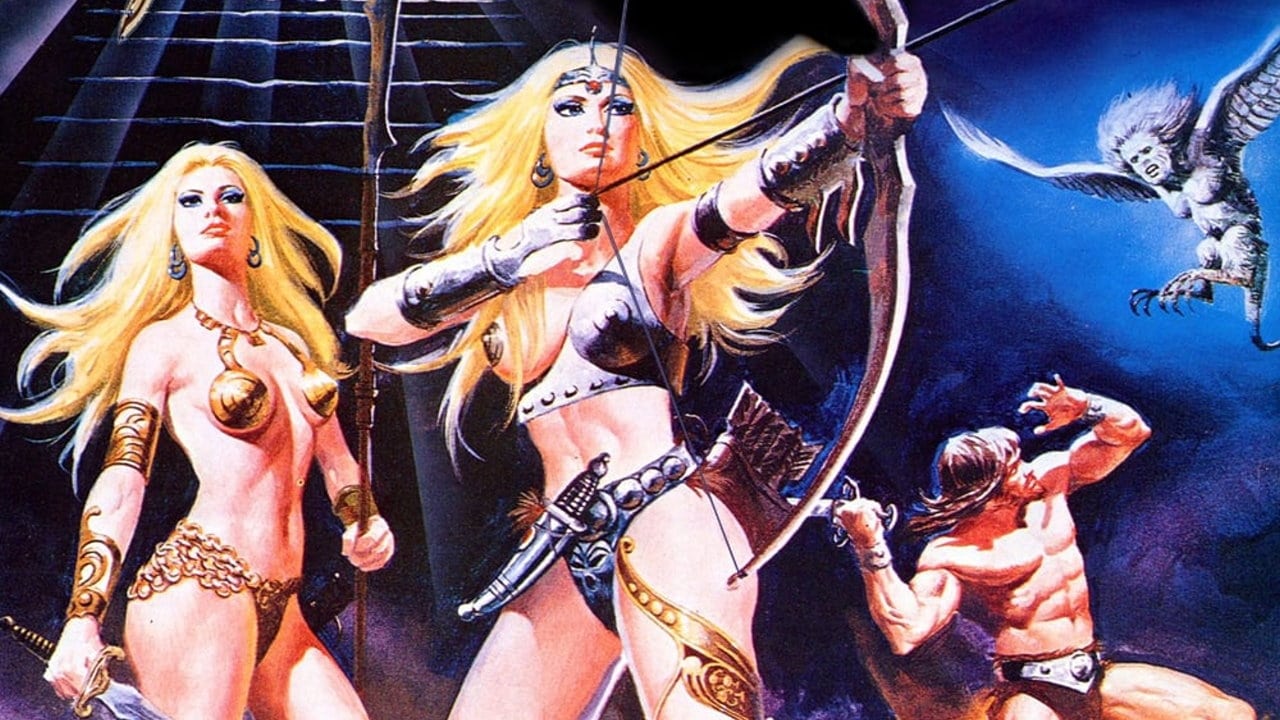
The setup is pure pulp fantasy gold: an evil wizard, Traigon (played with scenery-chewing relish by Roberto Ballesteros), learns of a prophecy that twin daughters born to a powerful sorceress will spell his doom. Naturally, he tries to nip that problem in the bud, forcing the dying mother to send her infant daughters, Mira and Mara, into hiding. Raised separately by warriors (because of course they are), they grow up unaware of each other until destiny – and Traigon’s relentless goons – bring them together. Played by actual twin sisters, Leigh Harris and Lynette Harris, our heroines possess nascent magical abilities and an uncanny connection, which they'll need to master if they hope to avenge their mother and stop Traigon's nefarious plans.
Now, let's be upfront: the Harris twins weren't seasoned thespians. Their delivery can be flatter than a forgotten floppy disk, and their primary function often seems to be looking good in strategically distressed fantasy attire. But darn it, there's an undeniable charm to their presence. They bring a certain wide-eyed sincerity to proceedings that somehow fits the film's overall B-movie aesthetic. You also get character actor Bob Nelson as Erlick, a wandering warrior type who joins their quest, providing some much-needed comic relief and slightly more professional line readings.

### The Jack Hill Connection: Wait, That Jack Hill?
Here’s where things get interesting for exploitation film buffs. Sorceress was directed by none other than Jack Hill, the legendary filmmaker behind gritty, groundbreaking classics like Coffy (1973) and Foxy Brown (1974). Seeing his name attached to a cheesy fantasy flick feels… unexpected. The story goes that Hill wasn't exactly thrilled with the final product, allegedly due to producer interference meddling with his vision, and even had his name removed from some prints (replaced by the pseudonym Brian Stuart). It’s a fascinating bit of trivia – the guy who gave Pam Grier her signature roles slumming it (or perhaps just taking a paycheck?) in a world of loincloths and rubber monsters. You can almost see hints of Hill's knack for pacing in some sequences, but overall, it lacks the sharp edge and social commentary of his earlier, more famous work. The script itself comes from another notable B-movie maestro, Jim Wynorski, early in his incredibly prolific career directing and writing countless low-budget genre pictures. You can sense his fingerprints all over the pulpy plot and dialogue.
### Glorious Grindhouse Fantasy Action
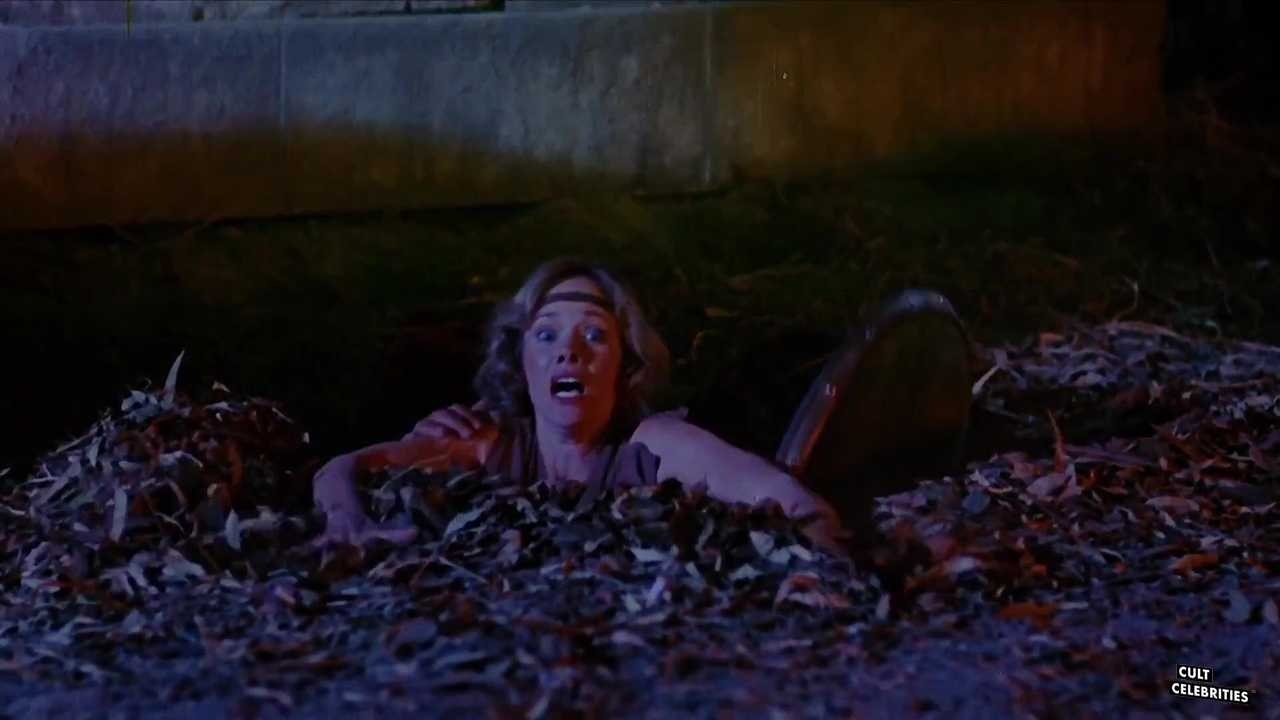
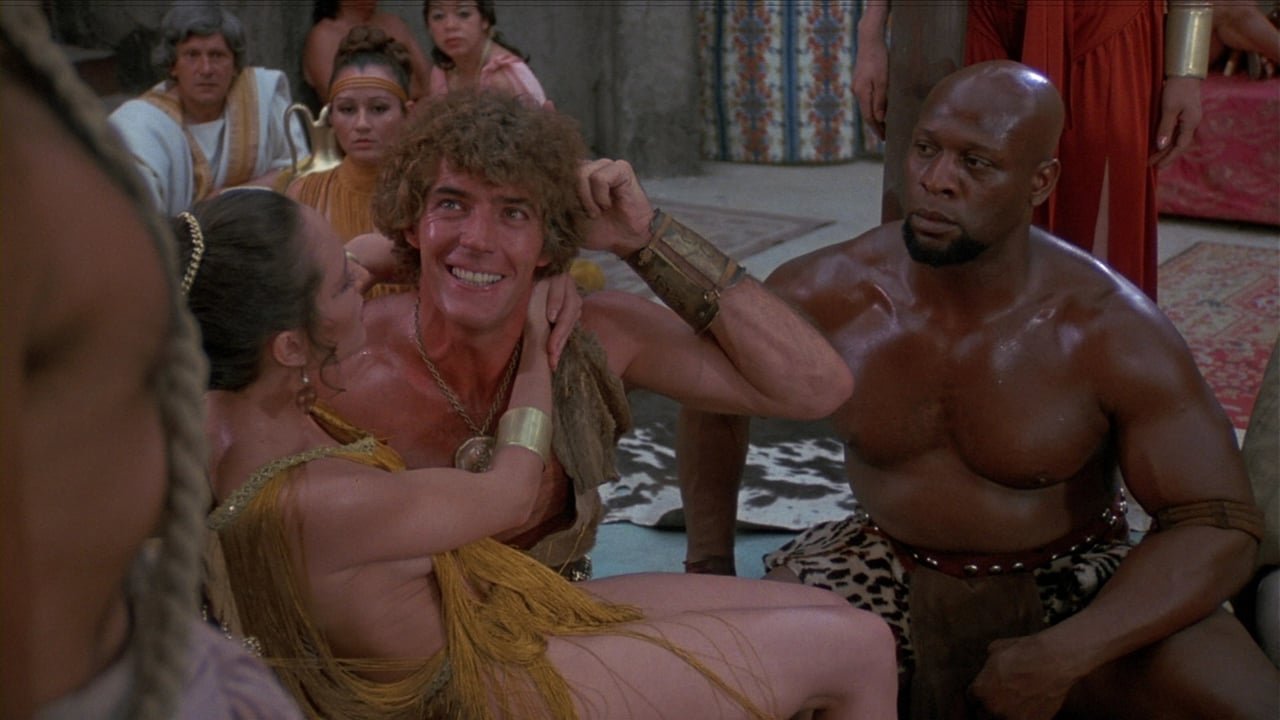
Forget seamless CGI transformations or intricate digital spell effects. Sorceress hails from the era of pure, unadulterated practical effects, often achieved on what looks like a shoestring budget. And that’s a huge part of its appeal! The magic? Think coloured smoke bombs, flashing lights superimposed onto the film, and maybe a prop vanishing via a quick camera cut. The monsters? Gloriously goofy stop-motion creatures and actors sweating inside latex suits. Remember how real some of that stuff felt back then, even when your brain knew better?
The action scenes are equally grounded, in a charmingly rough-and-tumble way. Sword fights are clunky but earnest, relying on the performers' physical commitment rather than fancy wirework or digital doubles. There's a raw, unpolished energy to it all. When someone gets hit, it feels less choreographed and more like someone genuinely smacked someone else (hopefully safely!). There's a certain visceral quality to seeing actual actors interacting with physical props and sets, however cheap they might look, that modern, overly polished blockbusters sometimes miss. It's tangible, it's messy, and it feels delightfully * handmade*. Reportedly filmed largely in Mexico to keep costs down, the locations often add to the dusty, slightly gritty fantasy atmosphere.
### Why It Lingers Like Video Store Incense
Sorceress wasn't a box office smash, nor was it lauded by critics upon release. It quickly found its natural habitat on home video and late-night TV, becoming a minor cult favourite among those who appreciated its particular brand of low-budget, high-concept silliness. It arrived during that early 80s wave of sword-and-sorcery films trying to capture some of Conan the Barbarian's (1982) thunder, but with considerably fewer resources.
Does it hold up? Well, "hold up" might be the wrong term. It’s undeniably dated, the acting is often wooden, and the plot is thinner than Traigon’s justifications for being evil. But watching it now is like finding a favourite, slightly worn-out t-shirt from your youth. It's comfortable, familiar, and triggers a specific kind of nostalgic pleasure. It reminds you of a time when fantasy films didn't need nine-figure budgets to try and entertain, when enthusiasm and imagination (and maybe some strategically placed fur bikinis) were enough to get a movie made and onto the rental shelves.
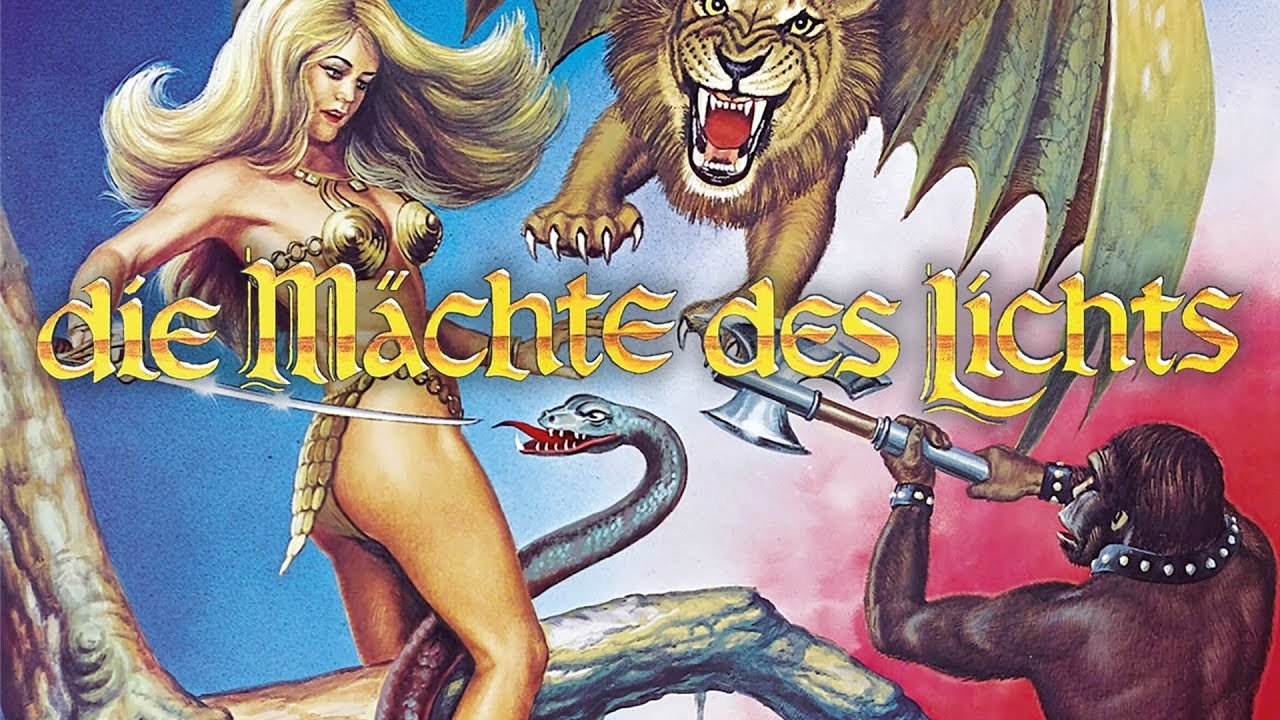
Rating: 6/10
Justification: While objectively flawed in acting, script, and production values, Sorceress delivers exactly what it promises: cheesy, unpretentious 80s fantasy fun. The Harris twins are iconic in their own B-movie way, the practical effects have a certain charm, and the Jack Hill connection adds a layer of cult film intrigue. It earns points for sheer nostalgic entertainment value and its status as a prime example of VHS-era sword-and-sorcery oddities.
Final Thought: Sorceress is pure, unfiltered drive-in fantasy fare beamed directly from 1982 – grab some questionable snacks, dim the lights, and enjoy the charmingly clunky ride. It’s double the pleasure, double the questionable effects, and a perfect slice of VHS Heaven.