Okay, fellow travellers through the static and magnetic tape hiss, let's dim the lights. Forget the pristine clarity of modern streams for a moment. Remember the heft of a well-worn VHS cassette? Tonight, we're pulling a strange one from the shelf, a film that splashed onto screens – and video store racks – with a lurid, apocalyptic energy that still feels uniquely unsettling. We're talking about Tobe Hooper's ambitious, bizarre, and utterly unforgettable 1985 sci-fi horror trip, Lifeforce.
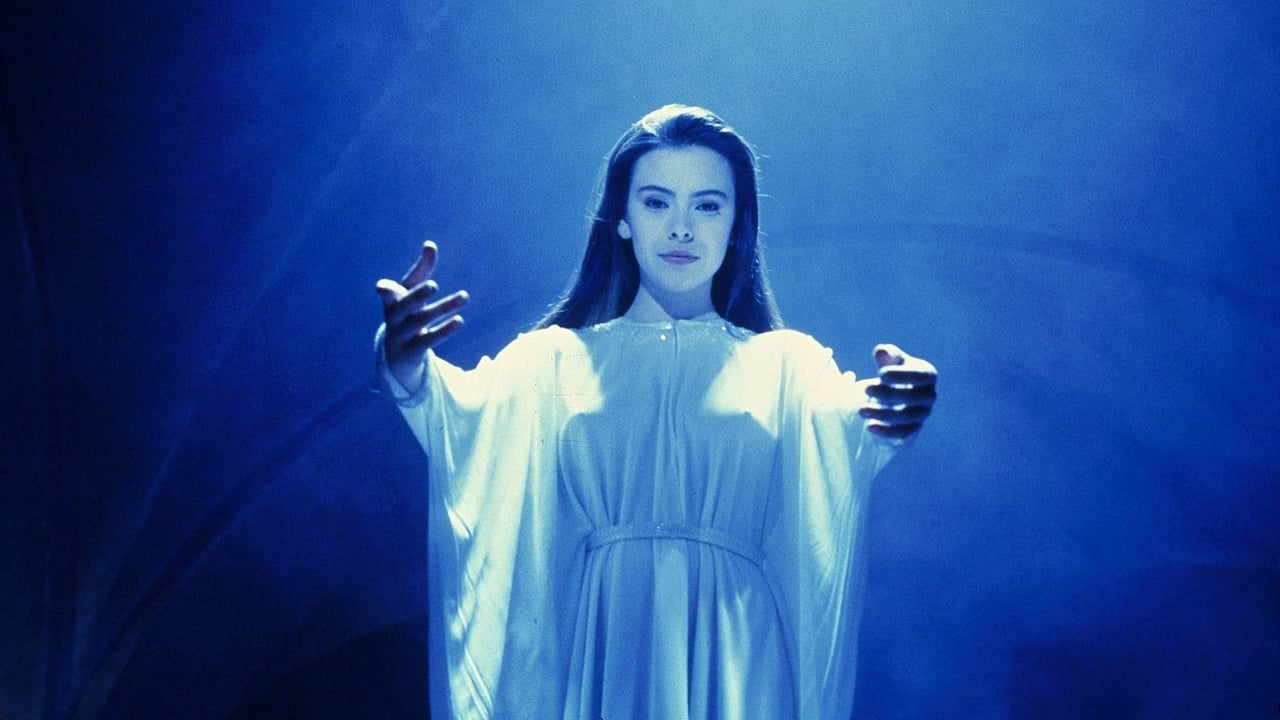
The silence aboard the Churchill spacecraft, discovered drifting near Halley's Comet, isn't empty. It’s pregnant with a chilling discovery: three perfectly preserved humanoid figures sleeping in crystal caskets, alongside a desiccated crew. This opening sequence, bathed in the eerie blue glow of space and the ominous score by Henry Mancini (later augmented by Michael Kamen for the US cut), sets a stage not just for mystery, but for a primal dread. What sleeps in those caskets? And what terrible hunger did it awaken? It’s a hook that digs deep, pulling you into a vortex of cosmic horror and earthbound chaos.
An Alien Hunger, An Earthly Apocalypse
Based on Colin Wilson's 1976 novel The Space Vampires, Lifeforce takes a potentially pulpy concept – energy-sucking extraterrestrials – and injects it with a surprising scale and intensity. Dan O'Bannon, co-writer alongside Don Jakoby and fresh from defining modern sci-fi horror with Alien (1979), brings a certain gravitas to the proceedings, even amidst the escalating madness. When the 'Space Girl' (a mesmerizing, largely silent Mathilda May) awakens in a London research facility, the film shifts gears from cosmic mystery to terrestrial body horror. Her method of feeding – draining the very life energy from her victims, leaving behind withered husks – is viscerally disturbing. Those desiccated corpses, achieved through startlingly effective practical effects supervised by the legendary John Dykstra (of Star Wars (1977) fame), were pure nightmare fuel back on grainy CRT screens. Remember seeing those poor souls crumble? It felt viscerally wrong in a way CGI rarely achieves.
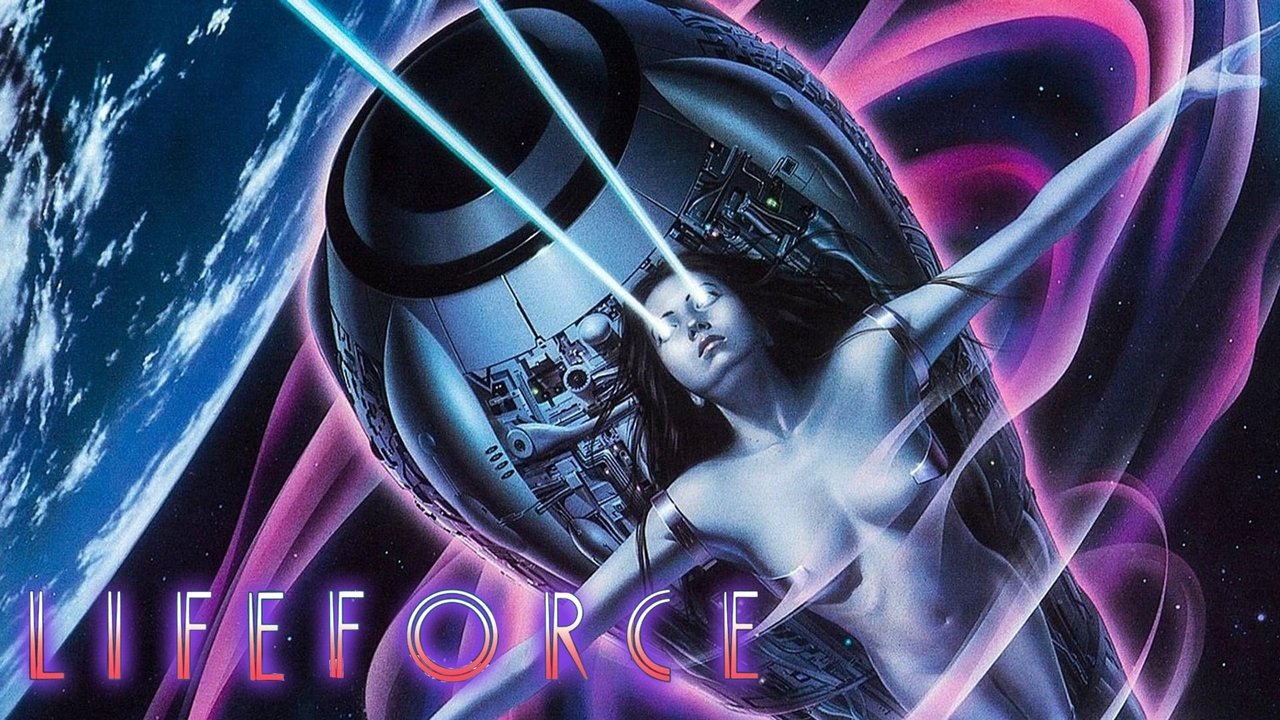
The ensuing plague, where victims rise to seek more life energy, transforming London into a zombie-infested warzone, feels genuinely apocalyptic. Hooper, who had already redefined terror with The Texas Chain Saw Massacre (1974), doesn't shy away from the chaos. The film's climax, with energy beams crisscrossing a ravaged London skyline as souls ascend to the alien ship, is a spectacle of operatic weirdness. It's a far cry from the claustrophobia of his earlier masterpiece, showcasing a director grappling with a massive canvas, reportedly backed by a hefty $25 million budget – a fortune for producers Golan and Globus at Cannon Films. Sadly, this ambition didn't translate to box office gold, with the film only recouping $11.6 million, becoming a legendary cult item rather than the blockbuster intended.
Caught in the Psychic Crossfire
At the heart of the human drama is Colonel Tom Carlsen (Steve Railsback), the sole survivor of the Churchill mission. Railsback, known for intense performances, is perfectly cast here, portraying a man psychically linked to the Space Girl, tormented by visions and an unwilling connection to the alien presence. His descent into near-madness grounds the film's more outlandish elements. Opposite him, Peter Firth as SAS Colonel Caine and Frank Finlay as Dr. Fallada represent the rational, investigative side, desperately trying to understand and contain a threat utterly beyond their comprehension. Their procedural investigation provides a necessary anchor amidst the escalating supernatural horror.
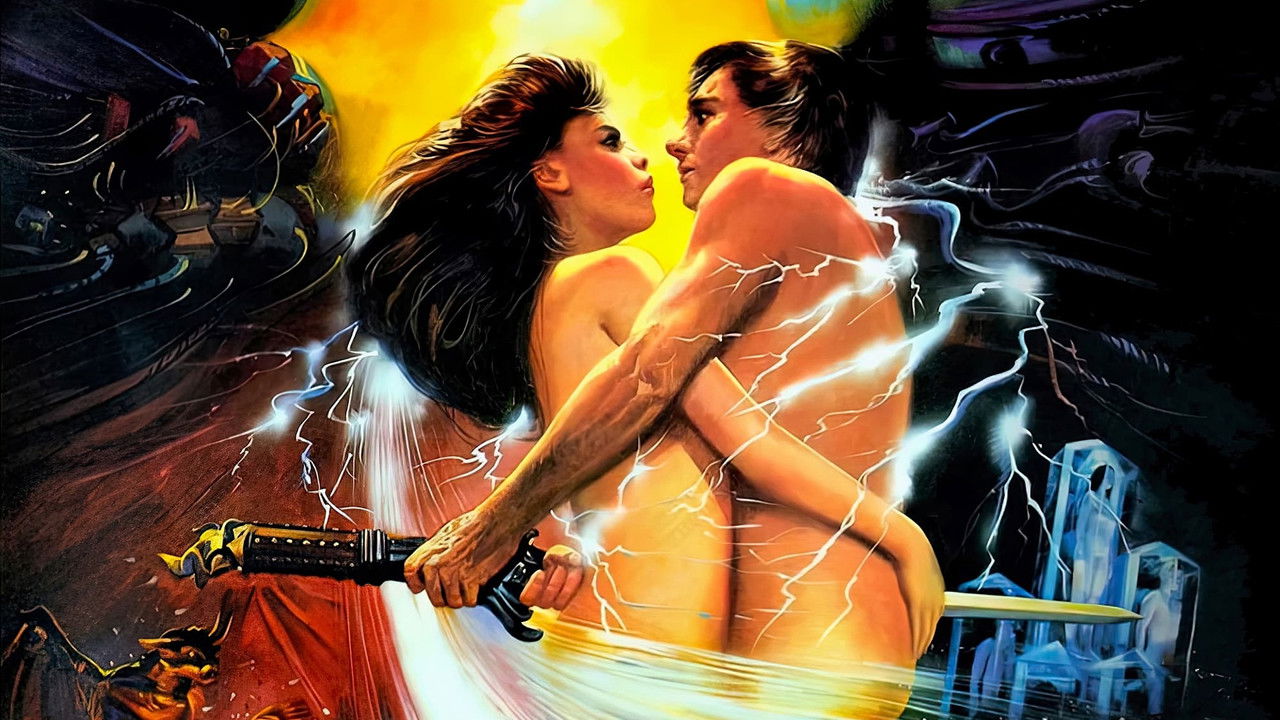
Of course, any discussion of Lifeforce inevitably touches upon Mathilda May's performance. Tasked with conveying menace, allure, and alien otherness almost entirely without dialogue, her presence is undeniably iconic and central to the film's strange power. It's a role that courted controversy but remains one of the most striking images from 80s sci-fi horror. Trivia hounds might know that the original script apparently featured even more nudity, requiring some toning down for the final cut – a fascinating glimpse into the push-and-pull between artistic vision and commercial sensibilities, especially under the Cannon banner.
More Than Just Space Vampires
Lifeforce is a fascinating beast. It’s messy, excessive, and tonally all over the place, blending hard sci-fi, gothic horror, disaster movie tropes, and even a peculiar eroticism. It’s a film that famously exists in different cuts – the longer European version retains more of the plot and character nuance, while the American release leaned harder on action and Mancini's more conventional score elements. Finding the director's cut on some later releases felt like unearthing a slightly more coherent, though no less bizarre, artifact.
Yet, for all its eccentricities, or perhaps because of them, the film resonates. The core concept of life energy as a consumable resource taps into primal fears. The imagery – the desiccated husks, the glowing energy streams, the apocalyptic London – is potent and lingers long after the credits roll. It feels like a fever dream captured on celluloid, a product of a time when studios were occasionally willing to gamble big on genuinely strange ideas. Did the sheer audacity sometimes outstrip the execution? Perhaps. But isn't that part of its enduring charm for us VHS archaeologists?
The Verdict
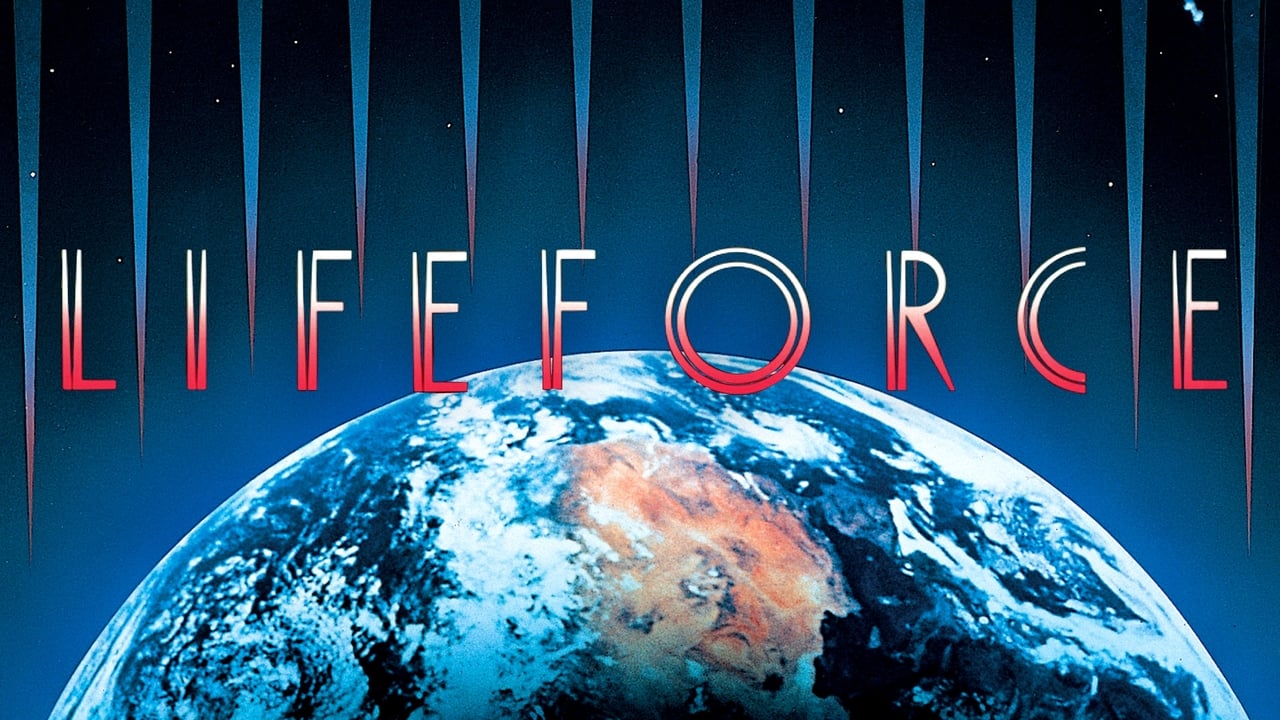
Lifeforce isn't a perfect film. Its narrative logic occasionally strains, and the tonal shifts can be jarring. But its ambition, its stunning practical effects (for the time), its unsettling atmosphere, and its sheer, glorious weirdness make it a standout piece of 80s cult cinema. Hooper directs with a kind of gonzo energy, throwing everything at the screen, and while not all of it sticks, the impact is undeniable. It’s a film that aims for the stars, even if it sometimes stumbles over its own cosmic feet. The central horror concept remains chilling, and the apocalyptic scale feels genuinely earned by the film's escalating chaos.
Rating: 7/10
Lifeforce remains a fascinating, flawed, yet frequently brilliant slice of sci-fi horror – a testament to a time when big-budget genre films dared to be truly, spectacularly strange. It's a tape well worth rewinding in the dark.