The copper wire sticking out of the back of Dad's neck. That's the image that lingers, isn't it? Long after the Martian drones have burrowed back into memory, it's that small, metallic glint against familiar skin – the sudden, chilling wrongness of it all – that truly burrows under yours. Tobe Hooper's 1986 remake of Invaders from Mars isn't just a sci-fi romp; it’s a fever dream dipped in primary colours and childhood terror, a film that taps directly into that primal fear of the familiar turning monstrously alien.
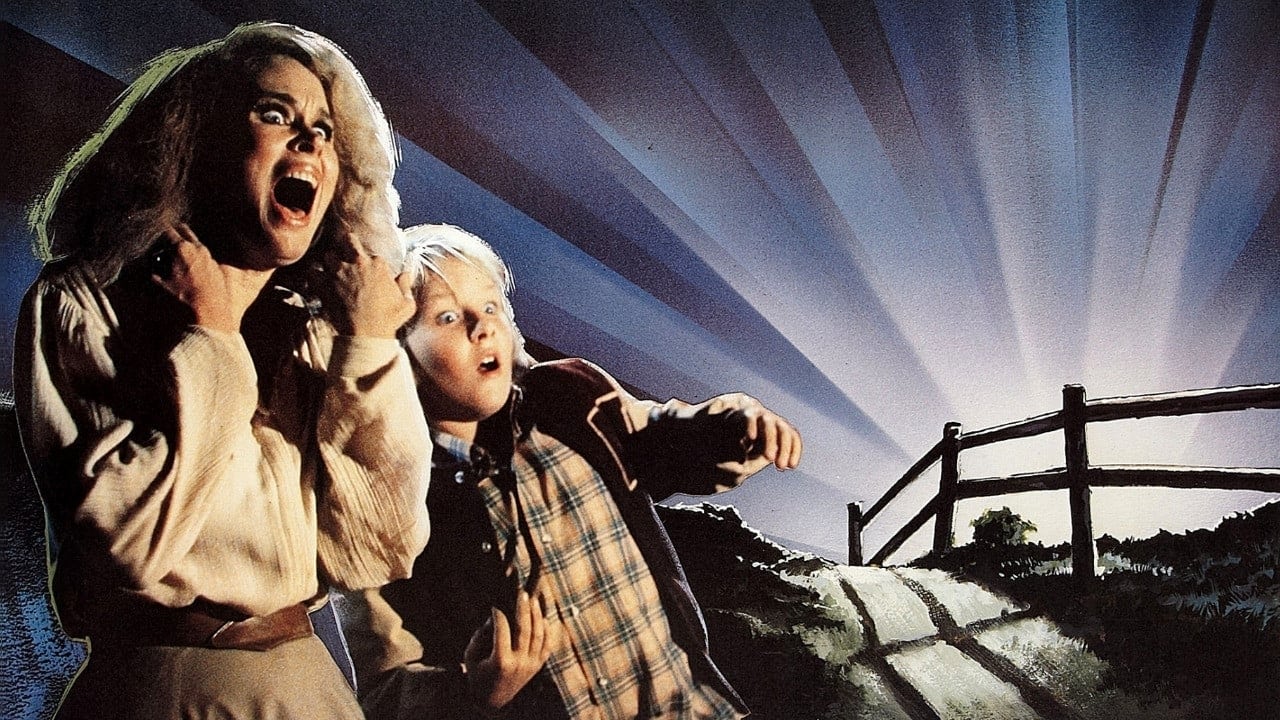
Watching it again now, decades removed from squinting at a rented VHS tape on a flickering CRT, the film retains a peculiar, unsettling power. It’s not the sleek, polished dread of modern horror. This is something grubbier, more tactile, born of latex, flashing lights, and a story that feels disconcertingly like a nightmare you can’t quite wake up from.
Suburban Shadows and Sandpit Horrors
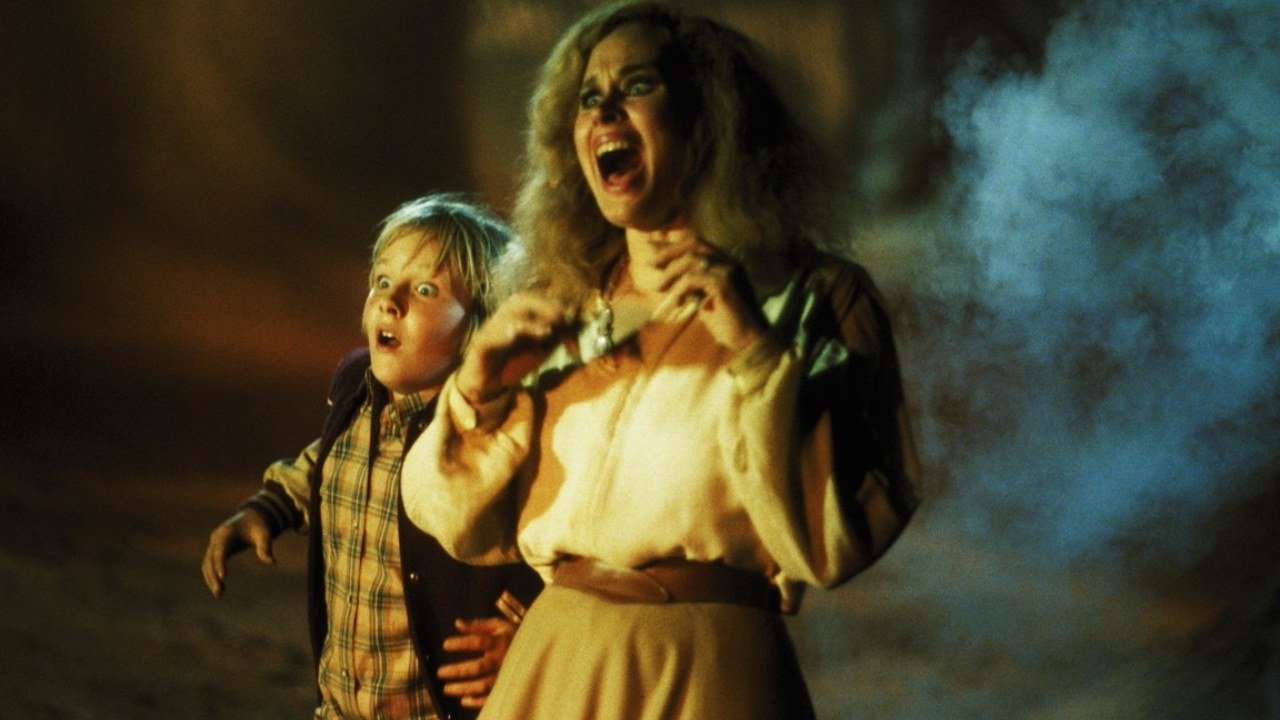
The setup is pure, distilled Americana nightmare fuel. Young David Gardner (Hunter Carson, son of co-star Karen Black) witnesses a spaceship landing behind the hill near his idyllic suburban home. Soon, his parents (Timothy Bottoms and Laraine Newman) start acting… off. Cold, distant, marked by that tell-tale puncture wound. It’s the body-snatcher trope played through a child’s bewildered eyes, and Hooper, despite a career trajectory that felt increasingly erratic after The Texas Chain Saw Massacre (1974) and Poltergeist (1982), taps into that initial unease effectively. The bright, almost cartoonish look of the town contrasts sharply with the creeping paranoia, making the familiar spaces – the school basement, the woods, David's own home – feel menacing and untrustworthy.
Remember the sandpit scene? That slow, inexorable pull downwards? It perfectly encapsulates the film's particular brand of dread – less about jump scares, more about the suffocating helplessness against an unseen, burrowing force. It’s a sequence that felt genuinely unnerving back then, playing on elemental fears of being swallowed whole. The script, co-written by Dan O'Bannon (of Alien and Return of the Living Dead fame) and Don Jakoby, retains the core paranoia of the 1953 original but injects it with a distinctly 80s, effects-driven sensibility. Though stories abound of studio interference from the infamous Cannon Group, who reportedly wrestled creative control from Hooper, flashes of O'Bannon's dark wit and Hooper's penchant for the grotesque still pierce through.
Creature Comforts (and Discomforts)
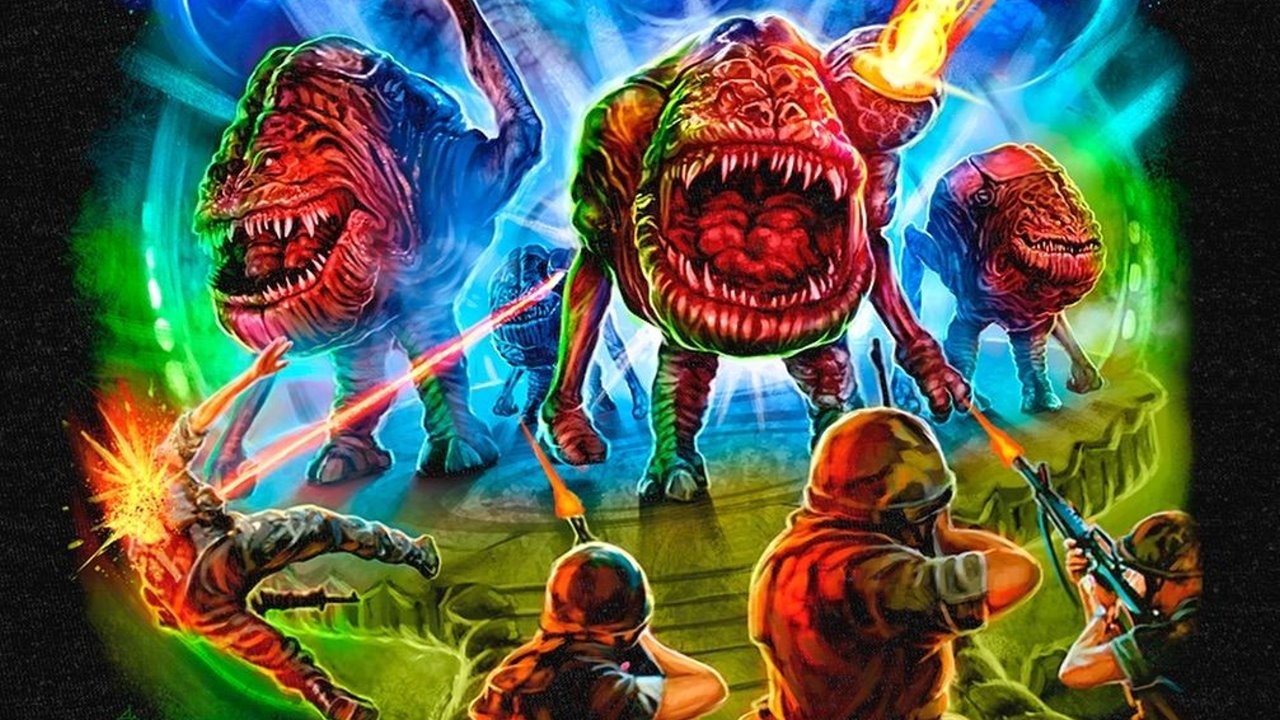
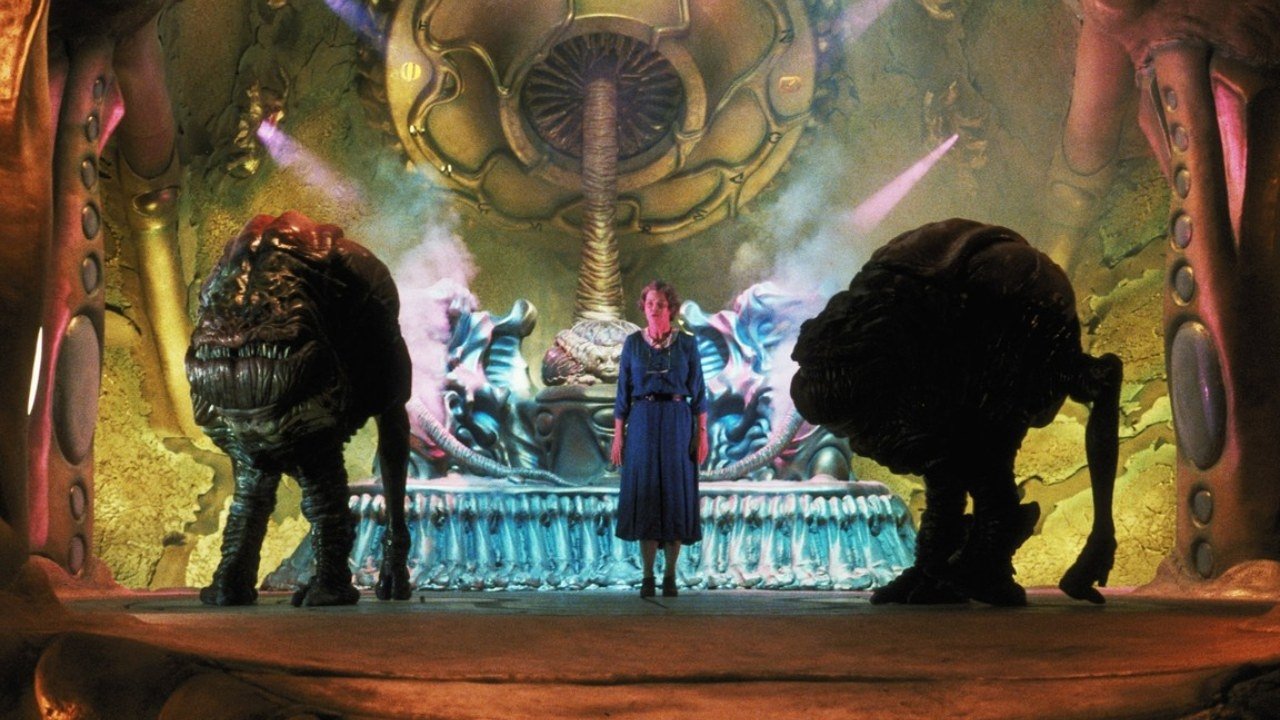
Let's talk about the Martians. Oh, those glorious, goopy Martians! This is where Invaders from Mars truly earns its place in VHS Heaven. Stan Winston Studios delivered some unforgettable practical effects work here. The drones – those lumbering, vaguely frog-like foot soldiers with glowing eyes and massive jaws – are pure nightmare fuel rendered in latex and animatronics. They move with a clunky, unsettling weight that digital creations often lack.
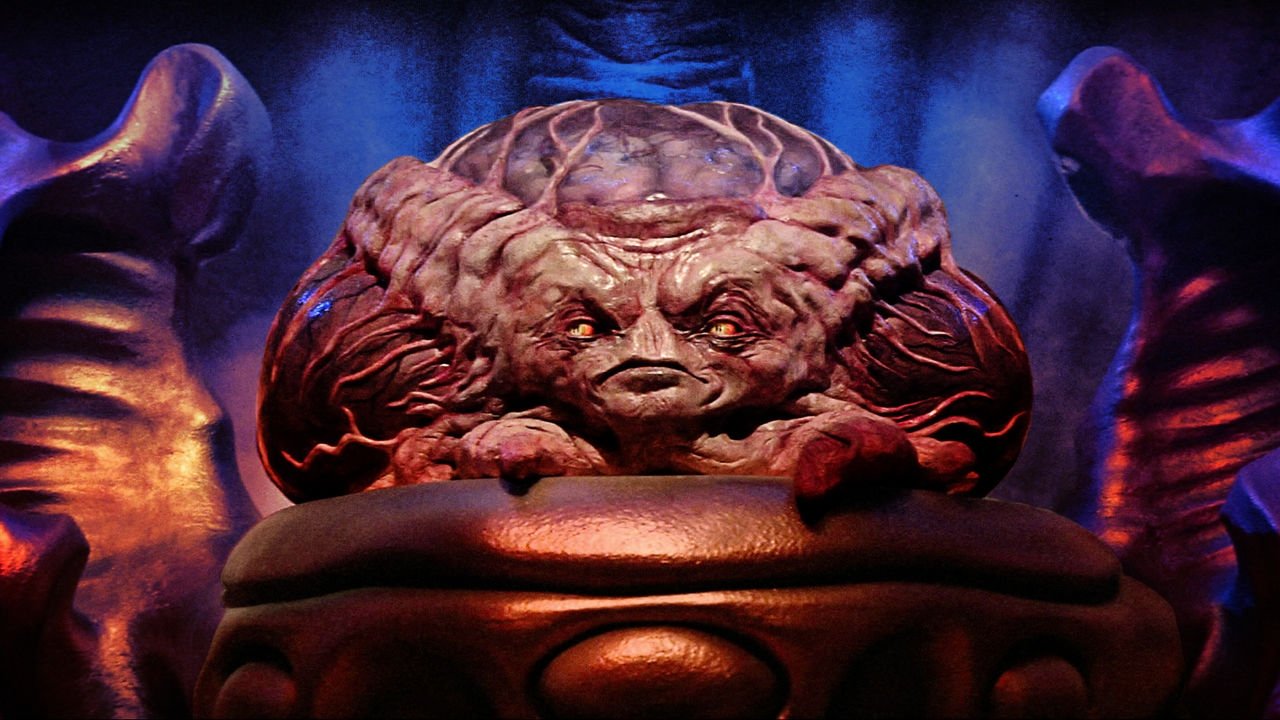
And then there's the Supreme Intelligence. A pulsating, disembodied brain with tentacles, housed in a crystalline sphere, communicating through a creepy translated voice... it’s pure B-movie brilliance, a design simultaneously ludicrous and deeply disturbing. Winston's team reportedly had a blast bringing these bizarre concepts to life, wrestling with hydraulics and puppetry to make these invaders feel truly present on set. Do those effects look dated now? Sure, in places. But doesn't that tangible, hand-crafted quality possess a unique charm and creepiness that pixels often miss? It felt real in a way that mattered on those fuzzy VHS viewings. I vividly remember rewinding the tape just to get a better look at the drone swallowing the science teacher whole – a moment both terrifying and darkly comic.
A Tone Adrift?
Where the film sometimes wobbles is in its tone. It veers between genuine childhood terror, moments of broader sci-fi action (enter Louise Fletcher as the sympathetic teacher and the inevitable arrival of the Marines), and touches of almost deliberate camp. Karen Black, playing the school nurse Linda Magnuson, leans into the absurdity with gusto, delivering lines with a wide-eyed intensity that feels both captivating and slightly unhinged. Her real-life connection to Hunter Carson adds an interesting layer, grounding their scenes together even when the plot spirals into Martian mayhem.
The score, incorporating John Williams' repurposed theme from Cease Fire! (a favour from Williams himself, apparently), adds another layer of slightly off-kilter grandeur. Sometimes the film feels like it wants to be a straight-up horror flick, other times a rollicking kids' adventure, and occasionally a winking pastiche. This tonal inconsistency might explain its initial $4.9 million box office failure against a $12 million budget, perplexing audiences who perhaps expected something more straightforwardly scary from Hooper or more bitingly satirical from O'Bannon.
Legacy in the Dust
Despite its flaws and its overshadowed status compared to the 1953 original (which Hooper visually homages frequently, right down to reusing clips in the opening), Invaders from Mars '86 remains a fascinating slice of 80s genre filmmaking. It’s a film that feels like the era – ambitious practical effects, a slightly uneven narrative, and that specific blend of wonder and dread that permeated so many Reagan-era sci-fi/horror hybrids. It didn't launch a franchise or redefine the genre, but for those of us who encountered it on a flickering television screen late one night, its bizarre imagery and unsettling atmosphere left a mark. It perfectly captures that feeling of a childhood fear made manifest, wrapped in the comforting, tangible weirdness of 80s creature design.
VHS Heaven Rating: 6/10
The rating reflects its undeniable cult appeal, fantastic creature effects by Stan Winston, and genuinely creepy core concept, all major pluses for retro fans. However, it's held back by its uneven tone, moments of questionable acting, and a sense that studio interference might have diluted the potential nightmare envisioned by Hooper and O'Bannon. It doesn't quite capture the chilling paranoia of the original, settling instead for a stranger, more visually lurid kind of fear.
Final Thought: It might not be a masterpiece, but Invaders from Mars '86 is a perfect example of flawed but fascinating 80s horror – a weird, colourful, occasionally unsettling trip back to a time when alien invaders felt wonderfully, terrifyingly physical. Grab the rewind button; those drone designs deserve another look.