That flicker of recognition in a loved one's eyes – the sudden, terrifying absence where warmth should be. That’s the cold, creeping dread at the heart of Abel Ferrara’s Body Snatchers, a film that doesn't just suggest paranoia but mainlines it, leaving you checking the faces of everyone around you long after the tape spools to static. Released in 1993, this third major adaptation of Jack Finney's chilling novel often gets overshadowed by its predecessors, but it possesses a uniquely bleak and visceral power that felt especially potent viewed through the grainy intimacy of VHS.
### Nowhere to Run
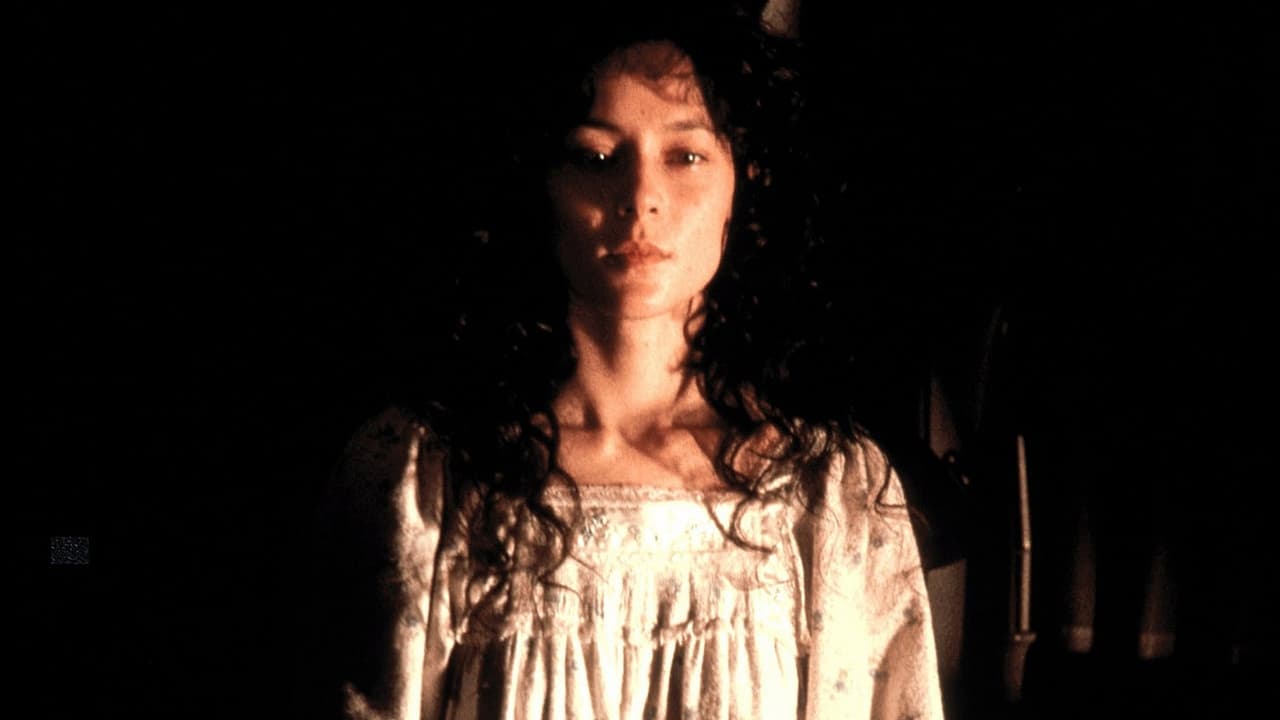
Ferrara, a director more associated with the grime and moral decay of urban landscapes (King of New York (1990), Bad Lieutenant (1992)), might seem an odd choice for sci-fi horror. Yet, he brings a suffocating intensity to the sterile conformity of a U.S. military base. Young Marti Malone (Gabrielle Anwar) arrives with her EPA scientist father Steve (Terry Kinney), stepmother Carol (Meg Tilly), and younger half-brother Andy (Reilly Murphy). The base feels immediately off. Not just disciplined, but unnervingly uniform. The pleasantries are hollow, the smiles don't reach the eyes, and the children play with a disturbing lack of genuine joy. Ferrara masterfully uses the setting – filmed partly at the isolating Craig Air Force Base in Selma, Alabama – not just as a backdrop, but as a character embodying the very conformity the alien invaders enforce. There's no escape when the fences designed to keep threats out suddenly serve to keep you in.
### The Unblinking Stare of the Pod
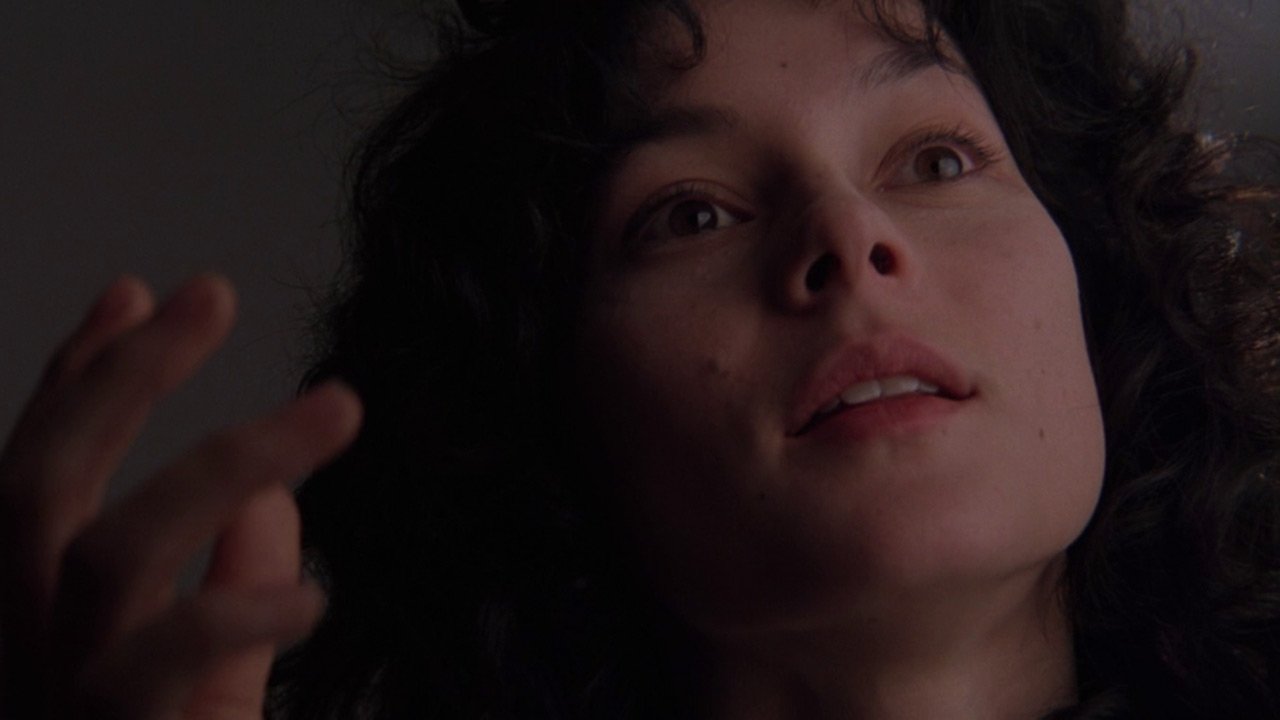
The script, bearing the fingerprints of genre veterans like Stuart Gordon (Re-Animator (1985)) and Larry Cohen (It's Alive (1974)) alongside Ferrara regular Nicholas St. John, wisely shifts the primary focus to Marti's teenage perspective. This heightens the sense of powerlessness and alienation, that feeling familiar to anyone who felt misunderstood or trapped in their youth, now amplified to existential terror. The horror here isn't just jump scares; it's the slow, agonizing realization that the people you trust most are becoming… something else. Meg Tilly is particularly chilling as Carol. Her transformation from a loving (if slightly strained) stepmother into a cold, calculating recruiter for the pods is genuinely unnerving. Her delivery of the line, "Where you gonna go? Where you gonna run? Where you gonna hide? Nowhere... 'cause there's no one like you left," is pure ice. Doesn't that utter finality still send a shiver down your spine?
### That Scream, Those Tendrils
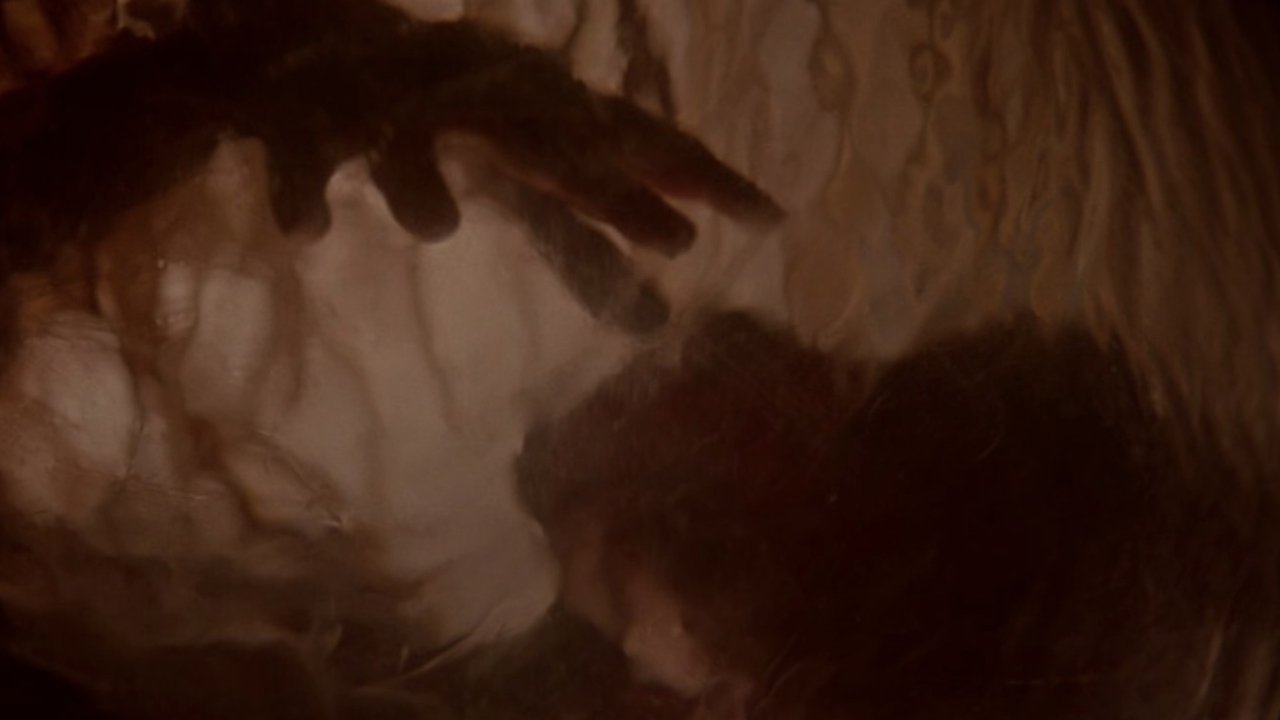
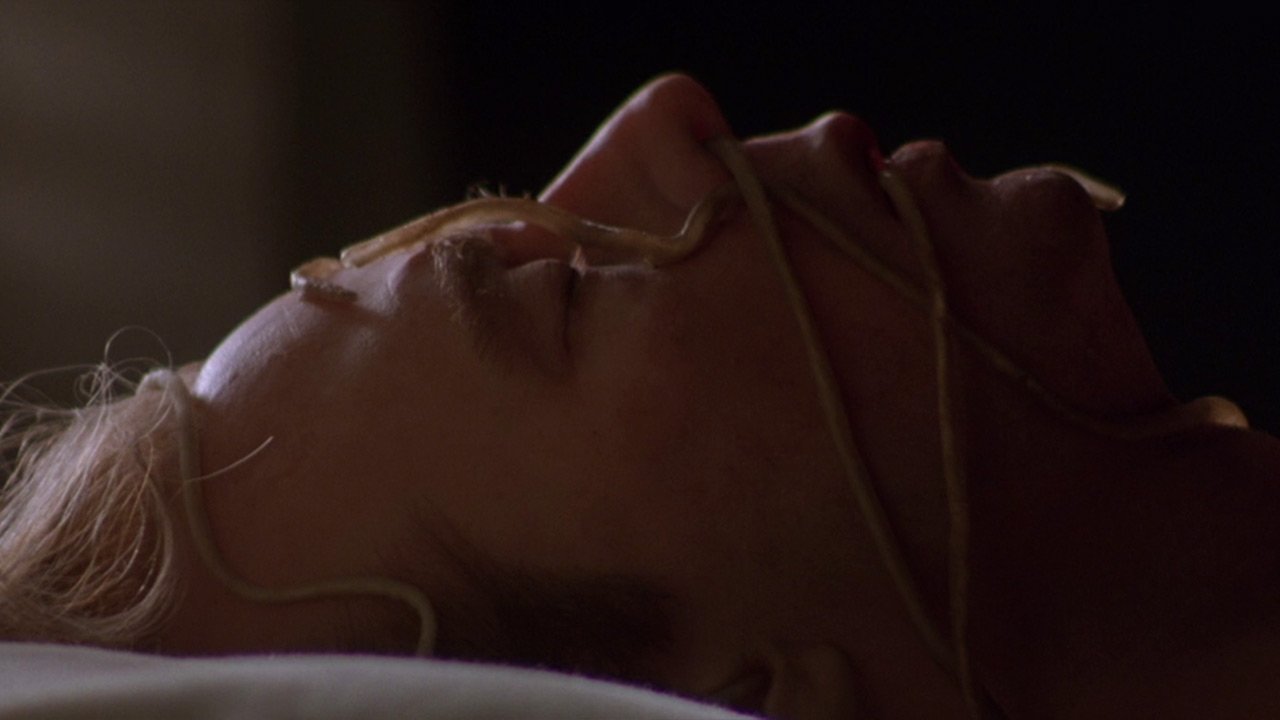
Let's talk about the practical effects, because in the pre-CG haze of the early 90s, Body Snatchers delivered some truly disturbing imagery that burrowed under your skin. The tendrils erupting from mouths and ears, snaking out to pull victims into the duplicating pods – these felt viscerally invasive. And the pods themselves, fleshy and disturbingly organic, giving birth to glassy-eyed duplicates. But the film's signature moment, the one that likely echoed in your nightmares after that late-night rental, is the scream. When a discovered pod person points at a fleeing human and emits that unearthly, high-pitched shriek, alerting the others – it's a sound design masterpiece. It signifies not just discovery, but the complete loss of individual identity, replaced by a terrifying collective consciousness. It’s rumored the effect was achieved through manipulating various human and animal sounds, designed specifically to trigger a primal sense of alarm. It certainly worked.

### A Troubled Birth
Despite its strengths, Body Snatchers had a notoriously difficult journey. Warner Bros., perhaps unsure how to market Ferrara’s bleak vision compared to the more accessible thrills of the era, reportedly shelved it for a time and eventually gave it only a limited theatrical release in early 1994 after a premiere at Cannes in 1993. It barely made a dent at the box office, recouping little of its estimated $13 million budget. Consequently, it found its true audience later, on home video – a quintessential VHS discovery for many horror fans. Its cult status grew precisely because it felt like a hidden gem, a darker, more nihilistic take that didn't pull its punches. Alongside Anwar and Tilly, Terry Kinney provides a necessary grounding as the initially skeptical father, while brief but memorable turns from Forest Whitaker as a base medical officer grappling with the truth and R. Lee Ermey doing his inimitable drill sergeant-esque thing add texture to the growing dread.
### Enduring Chill
While Don Siegel's 1956 original tapped into Cold War conformity fears and Philip Kaufman's brilliant 1978 remake explored post-Watergate paranoia and the anxieties of the "Me Decade," Ferrara's version feels distinctly early 90s. There's a raw, almost grunge-like despair to it. It strips away much of the social commentary to focus on the intimate horror of familial betrayal and the terrifying fragility of individual identity. It doesn’t offer easy answers or much hope, ending on a note far bleaker than its predecessors. Its influence might be less overt than the earlier films, but its uncompromising tone and chilling set pieces ensure it remains a potent and respected entry in the sci-fi horror canon, standing apart from the later, less impactful attempt, The Invasion (2007).
***
Rating: 8/10
Justification: Body Snatchers earns its score through Abel Ferrara's masterful creation of suffocating atmosphere, its genuinely disturbing practical effects (especially that iconic scream), strong performances led by Meg Tilly and Gabrielle Anwar, and its courageously bleak tone. While hampered by a troubled release and perhaps less layered than the '78 version, its raw, visceral approach to paranoia and identity loss makes it a uniquely potent and unsettling experience that perfectly captured a certain early 90s nihilism. It's a prime example of a film finding its devoted audience on the shelves of the video store.
Final Thought: This isn't just another alien invasion flick; it's a primal scream echoing from a decade wrestling with its own creeping anxieties, forever reminding us that the most terrifying monsters might just wear familiar faces.