There's a certain kind of ache that settles in the heart long after the credits roll on Vladimir Menshov's Love and Pigeons (Любовь и голуби, 1985). It’s not sadness, precisely, but a profound recognition of the messy, contradictory, yet deeply felt realities of long-term love and family life. Released just a few years after his Oscar triumph with Moscow Does Not Believe in Tears (1980), this film offers a different, yet equally insightful, lens on ordinary Russian lives, blending broad comedy with moments of startling emotional honesty. For many who discovered it on well-loved VHS tapes, perhaps passed between friends or discovered in a speciality rental section, it remains a uniquely affecting experience.
A Simple Life, Suddenly Complicated
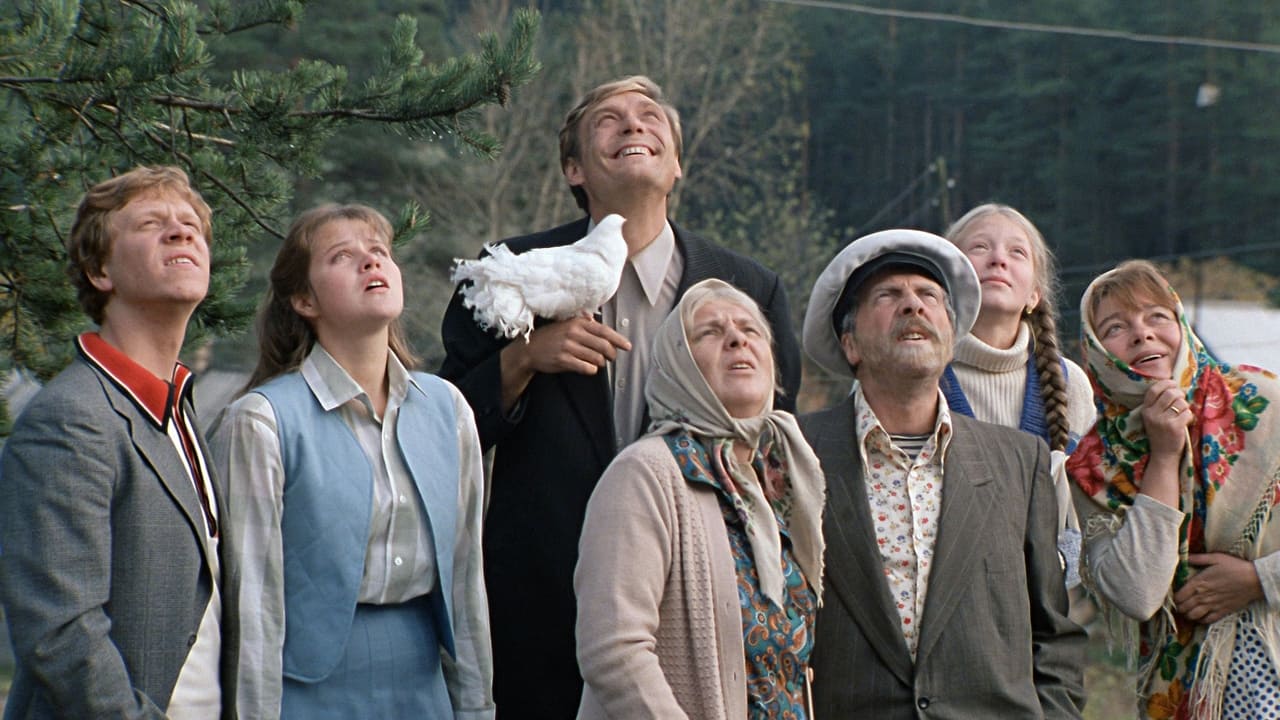
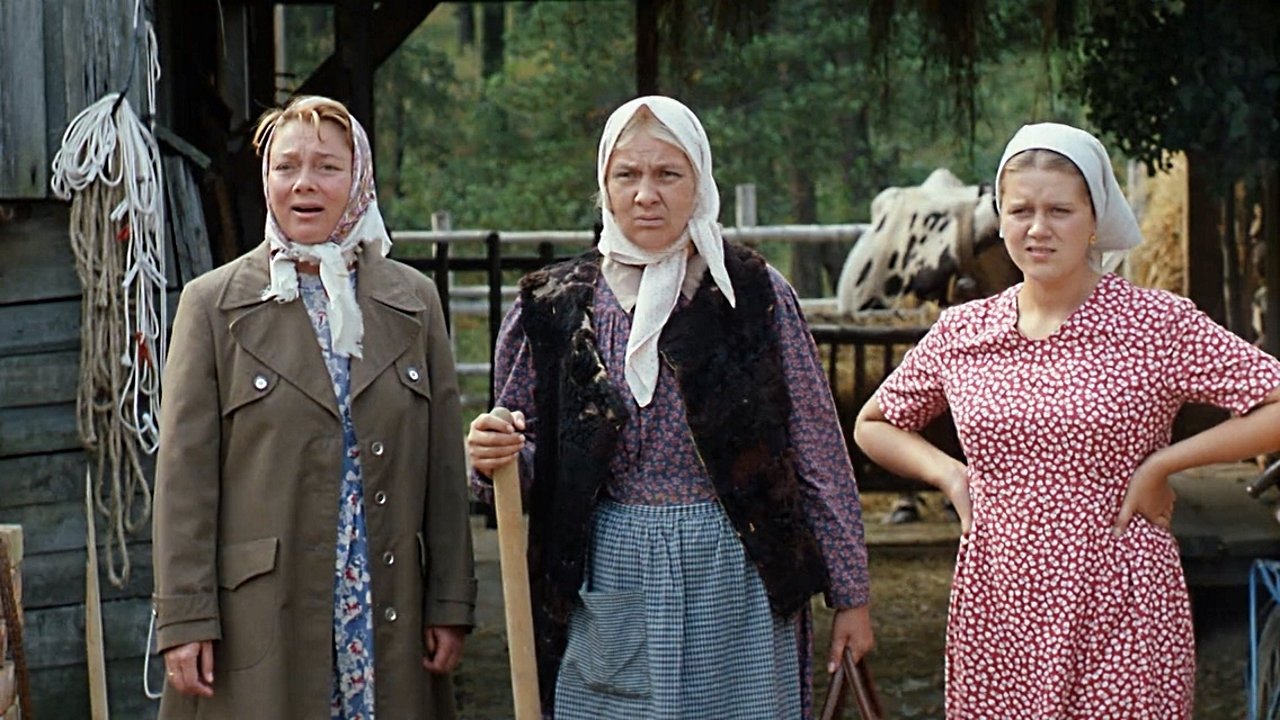
We meet Vasily Kuzyakin (Alexander Mikhailov), a forestry worker in a picturesque Siberian village (though famously filmed in Karelia for its stunning landscapes). His world revolves around his pragmatic, fiery wife Nadya (Nina Doroshina), their three children, and his beloved pigeons – a passion Nadya tolerates with exasperated affection. It’s a life of routine, punctuated by the comical intrusions of their perpetually tipsy neighbour, Uncle Mitya (Sergei Yursky), and his wife Shura (Natalya Tenyakova – Yursky's real-life wife, adding a layer of delightful chemistry). This comfortable, if sometimes fractious, equilibrium is shattered when Vasily suffers a workplace injury and is sent to a Black Sea resort to recuperate.
The Siren Song of the South
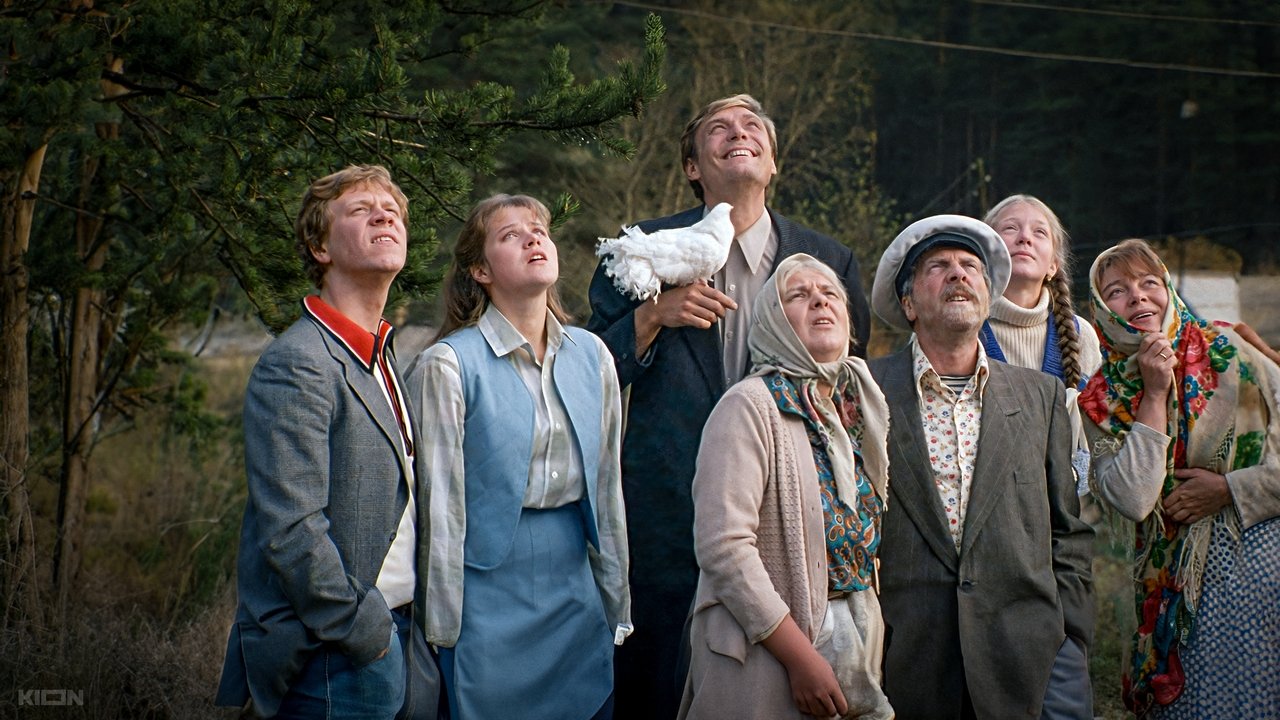
It's there, far from the familiar comforts and constraints of home, that Vasily encounters Raisa Zakharovna (Lyudmila Gurchenko). She’s everything Nadya is not: sophisticated (or so she seems), intellectual, interested in spiritualism and the wider world, and utterly captivated by Vasily’s simple charm and colourful stories. Gurchenko, a bona fide Soviet screen legend, crafts a character who is both alluring and slightly absurd, a whirlwind of urban affectations dropped into Vasily’s uncomplicated existence. Their ensuing affair feels less like a grand passion and more like a bewildered stumble into the unexpected, a temporary escape that quickly spirals into a life-altering decision. The stark contrast between Raisa's meticulously curated persona and Nadya's raw, unfiltered emotion becomes the film's central axis.
Heartbreak and Hilarity, Hand-in-Hand
What truly elevates Love and Pigeons beyond a simple infidelity narrative is its unflinching, yet deeply compassionate, portrayal of the fallout. When Vasily returns home, not to his family but to start a new life with Raisa (initially, at least), the film doesn't shy away from the raw pain inflicted. Nina Doroshina delivers a powerhouse performance as Nadya. Her grief isn't quiet or dignified; it's a volcanic eruption of fury, bewilderment, and gut-wrenching sorrow. Her famous monologue, lamenting her lost youth and dreams ("Lyudk, a Lyudk!"), is a masterclass in tragicomic acting, utterly heartbreaking yet laced with the character's inherent resilience and absurdity. It resonates because it feels true – the messy, unfiltered reaction of a woman whose world has been turned upside down.
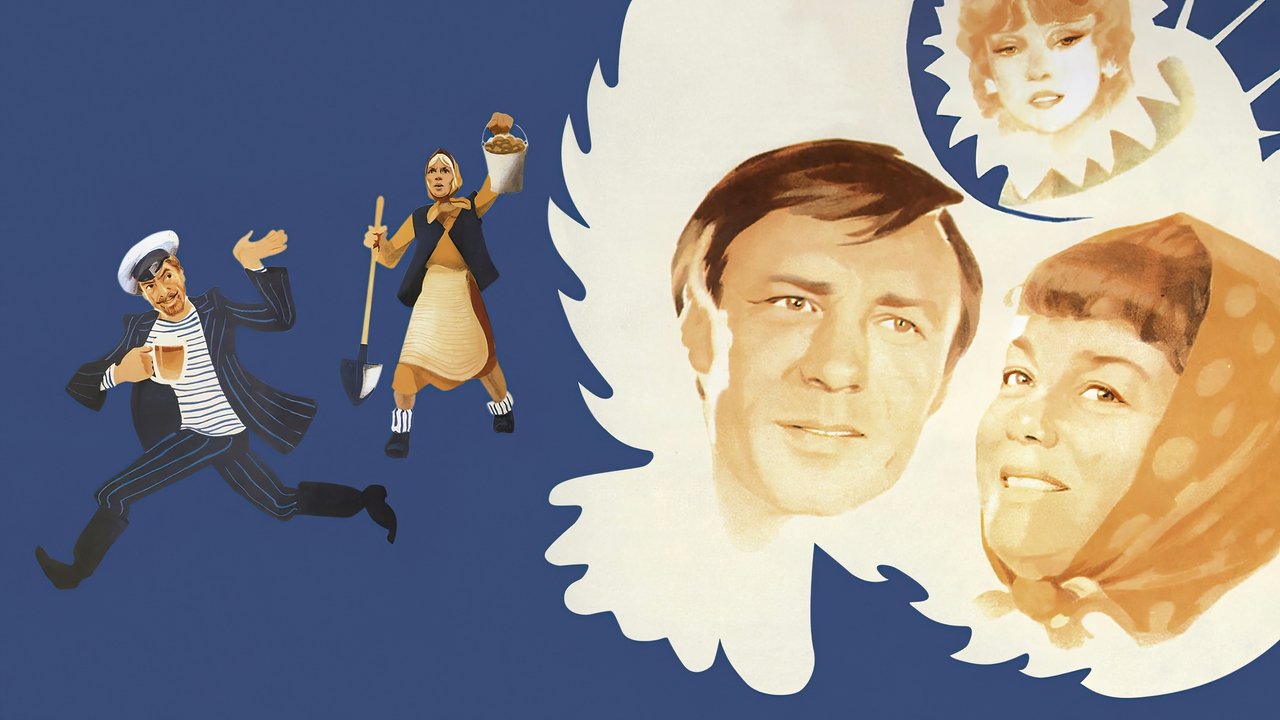
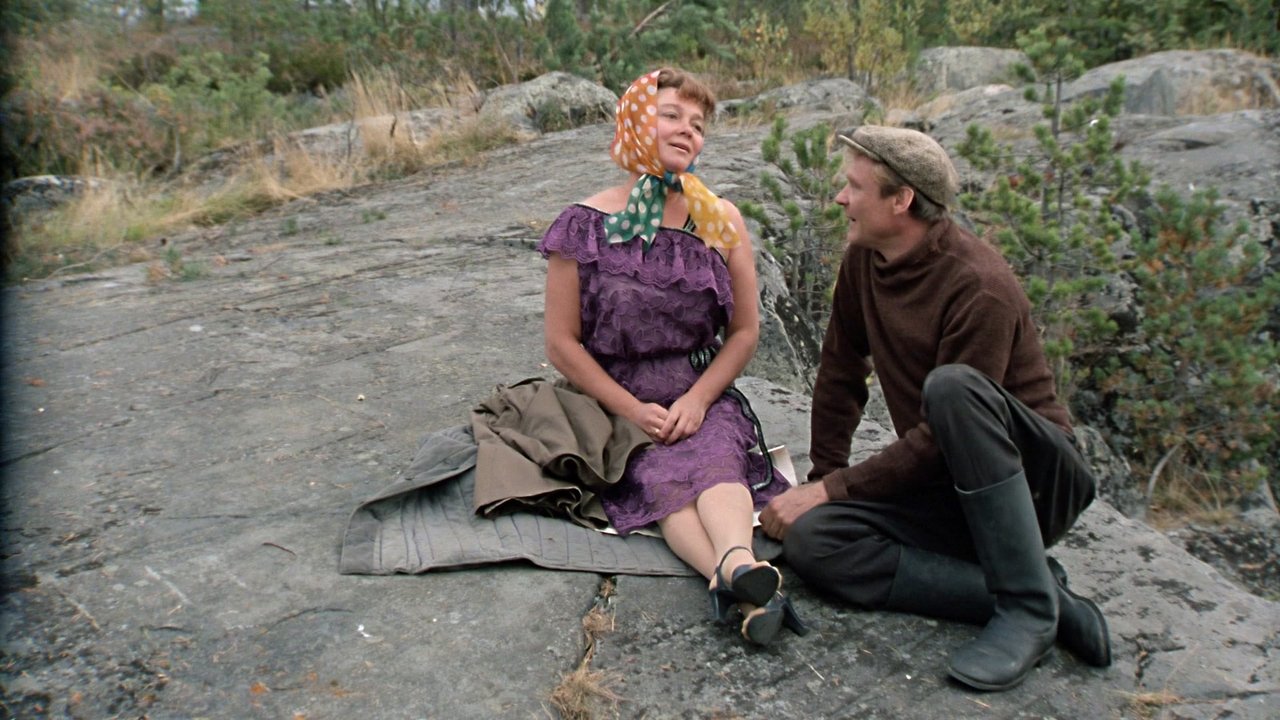
Equally compelling is Alexander Mikhailov as Vasily. He’s not depicted as a villain, but as a fundamentally decent man adrift, overwhelmed by emotions and circumstances he doesn't fully understand. His eventual disillusionment with Raisa’s world and his longing for the chaotic warmth of his family feel earned and deeply human. It’s a testament to Mikhailov’s performance (apparently aided by makeup, as he was significantly younger than the character) that we retain sympathy for Vasily even amidst the hurt he causes.
Menshov's Masterful Balance & Retro Fun Facts
Director Vladimir Menshov demonstrates an incredible gift for tonal balance. The film seamlessly shifts between moments of laugh-out-loud comedy (often courtesy of Uncle Mitya, whose scenes were reportedly trimmed due to Gorbachev's anti-alcohol campaign hitting just as the film was released) and scenes of profound emotional weight. He allows the humour to arise naturally from the characters and situations, never using it to undercut the genuine drama.
The film itself has a fascinating backstory. It's based on a play by Vladimir Gurkin, who drew inspiration from the true story of a couple named Vasily and Nadezhda Kuzyakin from his hometown. Menshov was initially hesitant to direct another slice-of-life story after Moscow Does Not Believe in Tears, fearing typecasting, but the script's blend of humour and heart won him over. The iconic, slightly terrifying scene where Vasily dramatically falls into the sea? It was reportedly performed by Mikhailov himself, clad in a suit over a diving costume, after some initial trepidation – a moment of real-world commitment mirroring Vasily's own plunge into the unknown. Despite its modest budget, the film was a colossal success in the Soviet Union, drawing over 44 million viewers – a testament to its immediate connection with audiences who saw their own lives, loves, and struggles reflected on screen.
Why It Endures
Love and Pigeons isn't just a product of its time; it taps into universal truths about human connection, forgiveness, and the gravitational pull of home. It acknowledges that love isn't always neat or easy, that people make mistakes, and that sometimes the deepest bonds are forged not in perfection, but in weathering the storms together. The film’s specific Soviet setting adds a unique flavour, but the core emotions – jealousy, regret, longing, enduring affection – are timeless. Watching it again, maybe decades after that first VHS viewing, feels like reconnecting with old friends whose flaws only make them more dear. It asks us, gently, what truly constitutes happiness – exotic escape, or the noisy, imperfect embrace of family?
Rating: 9/10
This near-perfect score reflects the film's masterful blend of comedy and drama, the unforgettable and deeply authentic performances (especially from Doroshina and Mikhailov), and Menshov's empathetic direction. Its enduring popularity isn't just nostalgia; it's rooted in a profound understanding of the human heart, warts and all.
Love and Pigeons remains a poignant reminder that sometimes, the most extraordinary stories are found in the most ordinary lives, and that even after flying astray, the homing instinct often leads us back to where we truly belong.