It’s a moment etched in cinematic grief: the sudden, shattering silence after unimaginable loss. Jack & Sarah (1995) doesn't shy away from this raw starting point, plunging us immediately into the emotional abyss alongside Jack (Richard E. Grant), a successful London lawyer whose world implodes when his wife dies shortly after giving birth to their daughter, Sarah. What unfolds isn't a typical rom-com trajectory, but something quieter, more bruised, and ultimately, deeply human – a film that lingered long after the VCR whirred to a stop back in the day.
Navigating the Wreckage
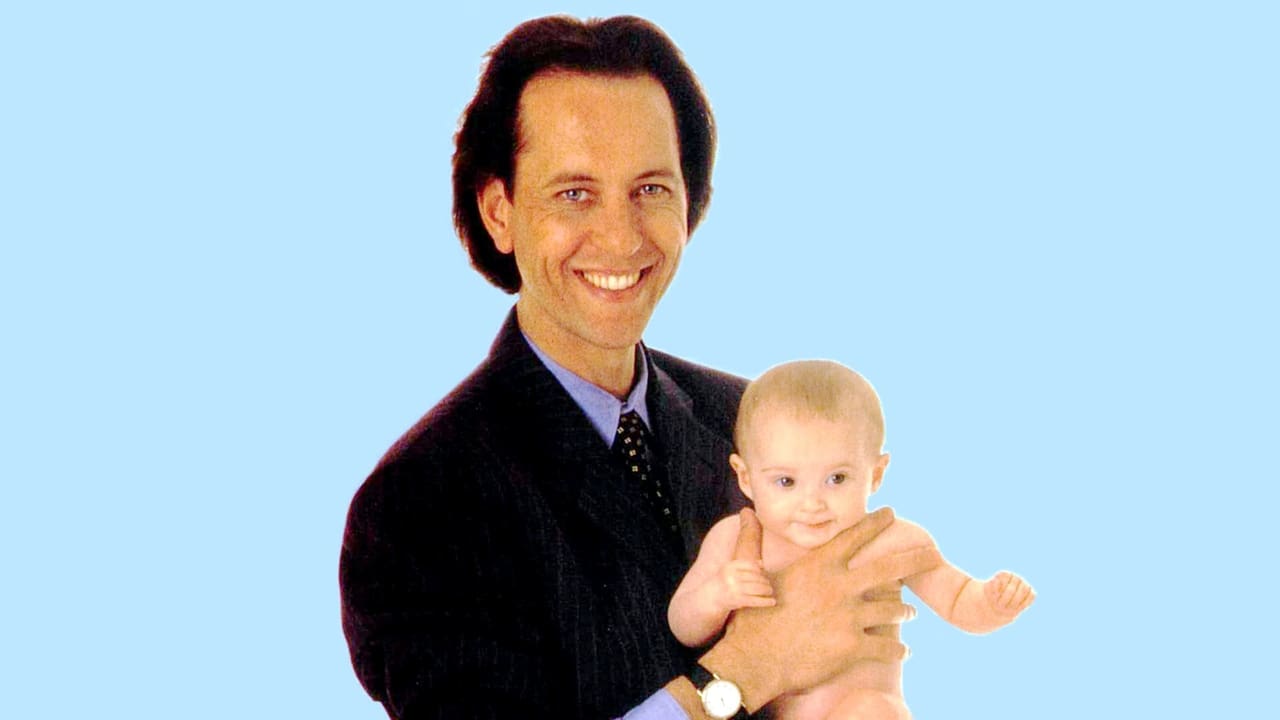
The initial stages of Jack's journey are harrowing. Grant, often known for his more flamboyant or acerbic characters (think Withnail & I (1987) or later, Gosford Park (2001)), delivers a performance of startling vulnerability here. His Jack isn't just sad; he’s utterly broken, retreating into alcoholism and neglecting the tiny, helpless life that represents both his greatest loss and his only remaining connection to his wife. It’s uncomfortable viewing, frankly, because it feels so achingly real. Director Tim Sullivan, who also penned the script drawing inspiration from friends navigating new parenthood, doesn't flinch from depicting the messy, unglamorous reality of grief and the overwhelming terror of sudden single fatherhood. There’s no quick fix, no easy montage glossing over the pain.
An Unlikely Lifeline
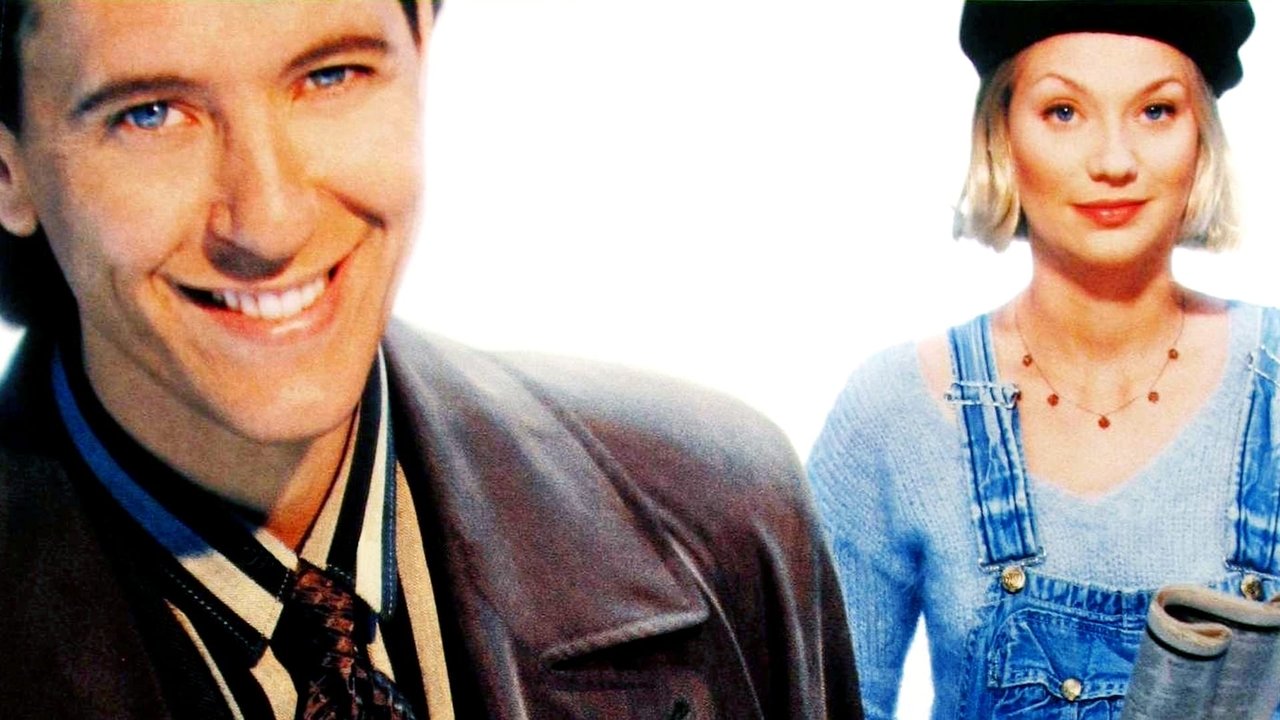
Salvation, or at least a path towards it, arrives in the form of Amy (Samantha Mathis), an American waitress working in London, whom Jack impulsively hires as a nanny despite her complete lack of experience. Mathis, who brought a certain grounded warmth to films like Pump Up the Volume (1990) and Little Women (1994), embodies the film’s gentle heart. Amy isn't a magical solution; she’s practical, kind, and refreshingly direct, slowly coaxing Jack back towards responsibility and connection. Their relationship develops organically, built on shared care for Sarah rather than immediate romantic sparks, which gives the film a sincerity often missing in the genre. It’s less about falling in love and more about learning to live again, together.
Adding to this unconventional support network are Jack’s stern but ultimately loving mother, Margaret, played with impeccable timing and understated strength by the legendary Dame Judi Dench (already a titan of stage and screen, years before her iconic M role in the Bond franchise), and William, a wise, observant homeless man Jack befriends, brought to life with quiet dignity by Sir Ian McKellen. It's a testament to the script and direction that this ensemble feels like a believable, if eccentric, found family, their interactions providing moments of both gentle humour and poignant support. You also spot a wonderfully dry Eileen Atkins as Phil, another essential part of the household dynamic.
More Than Just a Tearjerker
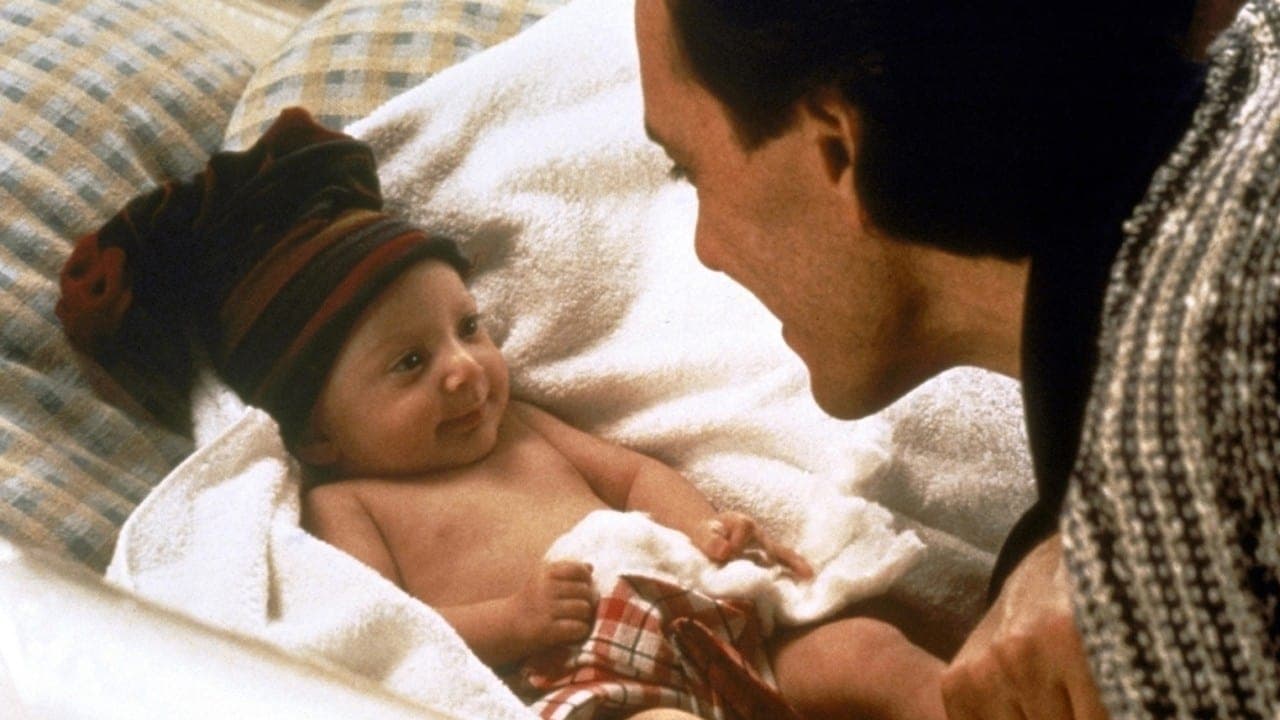
What elevates Jack & Sarah beyond potential melodrama is its commitment to emotional honesty, balanced with a very British, understated wit. The humour arises naturally from the situations – Jack’s initial fumbling incompetence with nappies and feedings, the clashing personalities within the household, Margaret’s blunt pronouncements. It never feels forced or undercuts the genuine pain at the story’s core. Sullivan allows moments of quiet observation, letting the performances breathe and the relationships deepen without rushing towards contrived plot points.
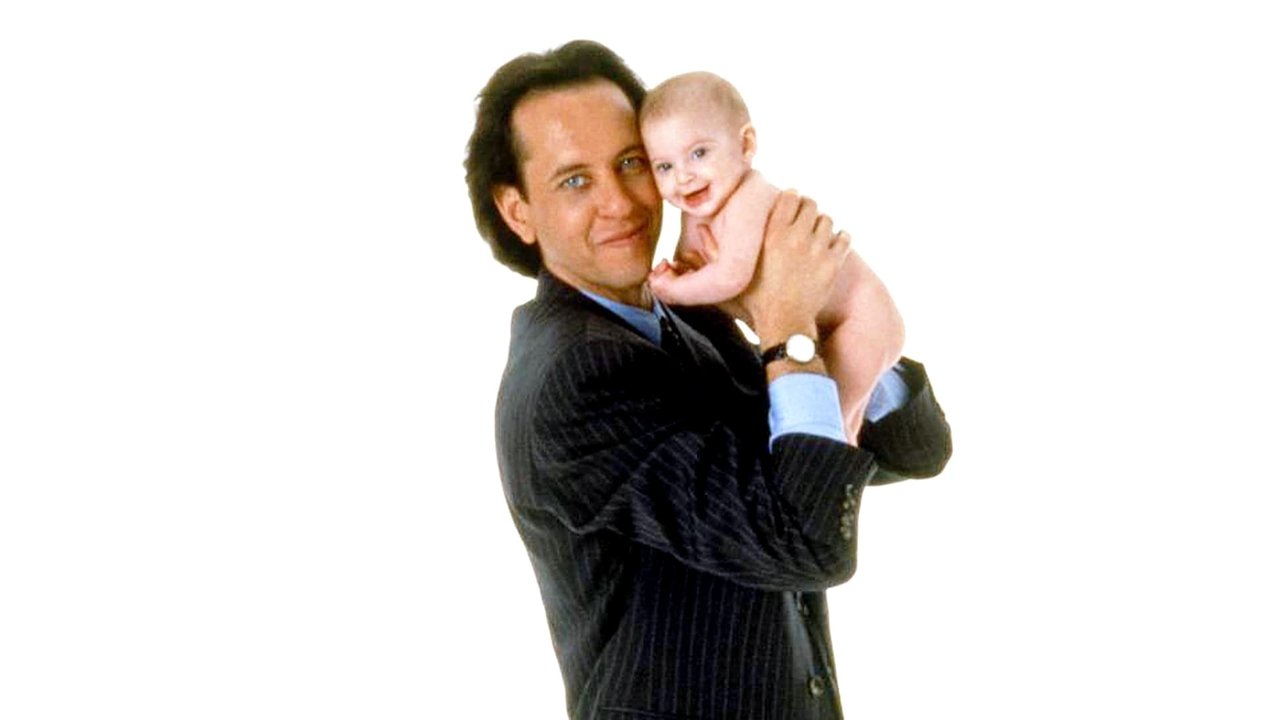
One fascinating piece of trivia often shared about the film is that the baby Sarah was actually played by director Tim Sullivan’s own infant twin daughters, Sophia and Felicity. Knowing this adds another layer of intimacy to the scenes between Jack and Sarah; the connection feels palpable, perhaps because, in a way, it was genuinely familial behind the camera. It’s one of those lovely production details that speaks volumes about the film's heart. Reportedly made on a modest budget (around £3 million), especially considering its cast, it was a product of Working Title Films, a studio that truly understood how to capture nuanced British stories with international appeal, as they'd proven with Four Weddings and a Funeral just the year before.
A Quiet Gem from the Rental Shelf
Watching Jack & Sarah today evokes a specific kind of nostalgia – not just for the mid-90s London setting, but for a type of character-driven dramedy that feels increasingly rare. It’s a film that trusts its audience to connect with subtle emotional shifts rather than relying on grand gestures. It explores profound themes – grief, the challenges of parenthood, the unexpected ways families form – with sensitivity and warmth. Does Jack's transformation feel a little swift in cinematic time? Perhaps. Does the romance element follow a somewhat predictable path? Maybe. But the core emotional journey, powered by Grant's deeply felt performance and the strong ensemble cast, remains compelling. It wasn’t a blockbuster, but I remember seeing that distinctive VHS box on the rental shelves, perhaps picking it up on a quiet weekend, and being unexpectedly moved by its gentle power.
***
Rating: 7.5/10
Justification: Jack & Sarah earns its score through its powerful central performance from Richard E. Grant, its genuine emotional honesty in tackling grief and parenthood, and the strength of its supporting cast, particularly Judi Dench and Samantha Mathis. It balances sadness and gentle humour effectively, creating a heartfelt and relatable story. While perhaps occasionally predictable in its romantic elements and pacing, its sincerity and warmth make it a standout British dramedy from the era.
Final Thought: It’s a film that reminds us that healing often comes not through grand epiphanies, but through the quiet, steady presence of others and the demanding, unconditional love of a child – a truly affecting message that still resonates from those well-worn VHS tapes.