Okay, fellow tapeheads, let's spin back the clock... maybe just past the official end of the 90s, but close enough that the vibe still feels familiar, like finding that one last Blockbuster rental hiding under the couch. We're hitting the year 2000 for Amy Heckerling's Loser. Yeah, the title isn't exactly subtle, and maybe that upfront declaration of dorkiness is why this one sometimes gets lost in the shuffle between Heckerling’s undisputed classics like Fast Times at Ridgemont High (1982) or the generation-defining Clueless (1995). But pull this one off the shelf, blow off the dust, and you might find a surprisingly sweet, funny, and genuinely earnest college comedy that feels like a time capsule from the turn of the millennium.

### That Awkward Y2K Feeling
Remember that specific brand of awkwardness that dominated teen/college movies around this time? Loser dives headfirst into it. We meet Paul Tannek, played by Jason Biggs, who arrived on campus fresh off the stratospheric success of American Pie (1999). Biggs leans hard into the "lovable loser" archetype here – think less pie-violating chaos, more earnest, cardigan-wearing, slightly-too-nice-for-his-own-good freshman from the sticks navigating the shark tank of NYU. Heckerling, who also wrote the script, clearly has an affection for underdogs, and Paul, with his goofy "Where's Waldo?"-esque hunting cap (a detail that feels very specifically early 2000s), is pure Heckerling protagonist material.
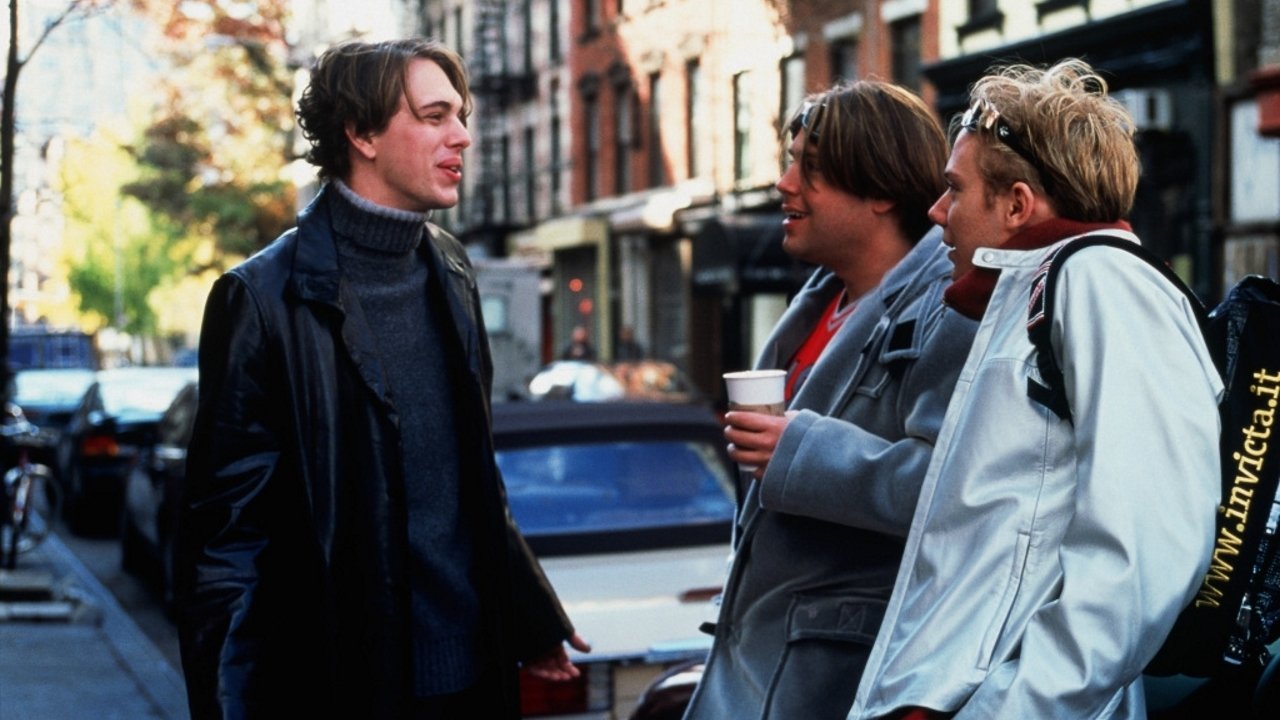
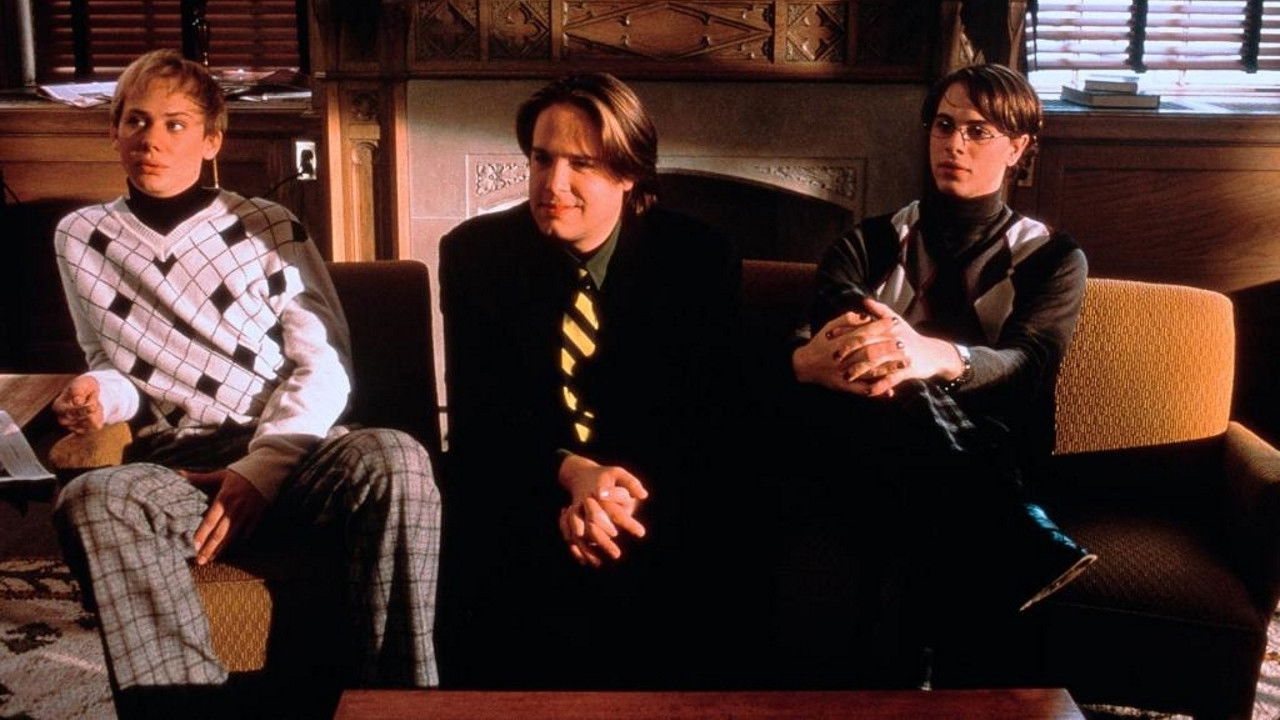
He's immediately saddled with nightmare roommates – hedonistic, obnoxious city kids who embody every terrible college cliché. It’s their cruelty that pushes Paul into a series of unfortunate events, but also eventually connects him with Dora Diamond, played by Mena Suvari, Biggs's American Pie co-star. Suvari trades her American Beauty (1999) intensity for a vulnerable, slightly grunge-around-the-edges vibe as a struggling student juggling classes, waitressing, and a truly awful affair with her smug English professor, Edward Alcott.
### Kinnear Steals the Show (As Usual)
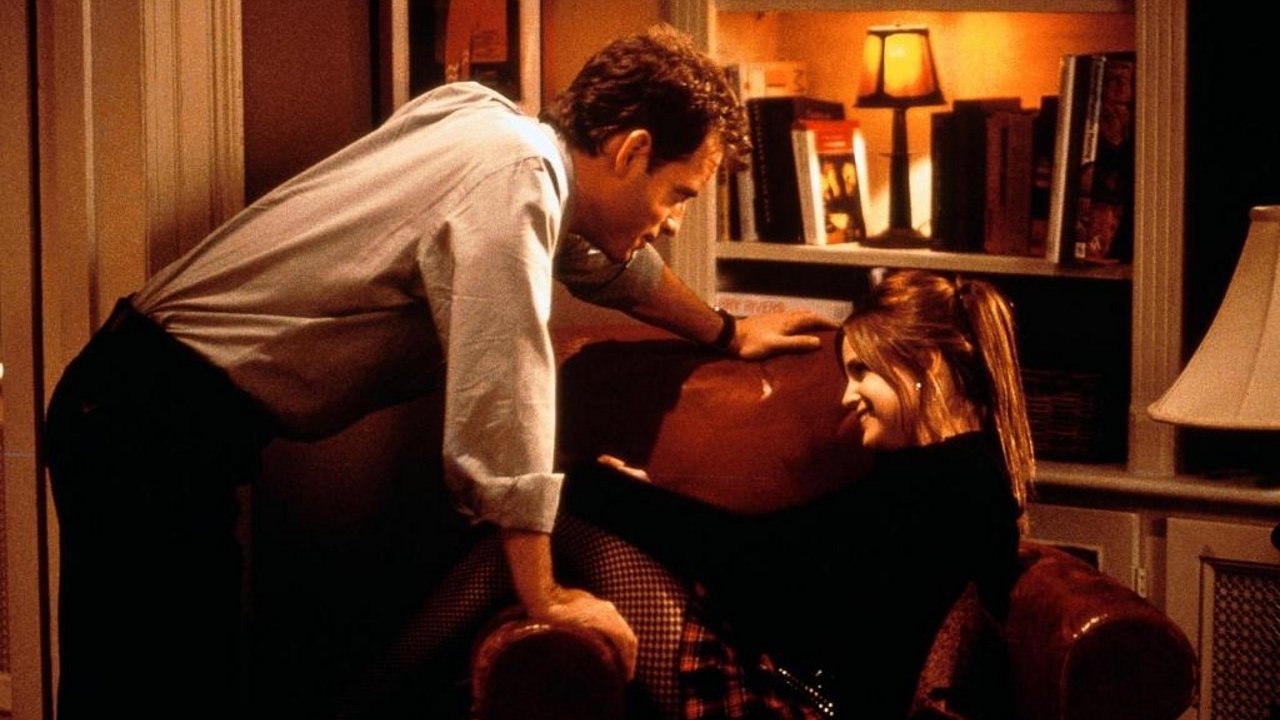
And let's talk about Professor Alcott. Greg Kinnear absolutely nails the role of the smarmy, manipulative academic leech. Fresh off an Oscar nomination for As Good as It Gets (1997), Kinnear dives into this part with relish, creating a villain who isn't cartoonish but chillingly believable. He’s the kind of pretentious gatekeeper many of us probably encountered (or thankfully avoided) in college. Every scene with him crackles with a specific type of slimeball energy that elevates the film beyond a simple campus romance. It’s a testament to Heckerling’s sharp observational humor, even if the overall tone here is gentler than Fast Times. Apparently, Kinnear was so good at playing the jerk that Heckerling expanded the role significantly after seeing his initial performance. That certainly paid off – he’s one of the most memorable parts of the movie.
### More Than Just Teen Angst
While Loser didn't exactly set the box office on fire (making around $18 million domestically against a reported $20 million budget – ouch) and critics were somewhat lukewarm, often unfavorably comparing it to Heckerling's previous hits, there’s a genuine heart here. The central relationship between Paul and Dora develops slowly, built on shared outsider status and mutual kindness rather than instant sparks. It feels more grounded than many rom-coms of the era. There’s a sweetness to their interactions, particularly as Paul, often unknowingly, provides Dora the support her professor boyfriend denies her.
And yes, the soundtrack! You can't talk about Loser without mentioning Wheatus's "Teenage Dirtbag." The song became a massive hit, arguably more culturally enduring than the film itself, and its inclusion here feels perfectly pitched to Paul's earnest outsider persona. It’s one of those movie/song pairings that just clicks, instantly transporting you back to that specific moment in pop culture. Rumor has it the band initially resisted licensing the song, thinking the film's title was insulting, until Heckerling herself convinced them it captured the spirit of their lyrics.
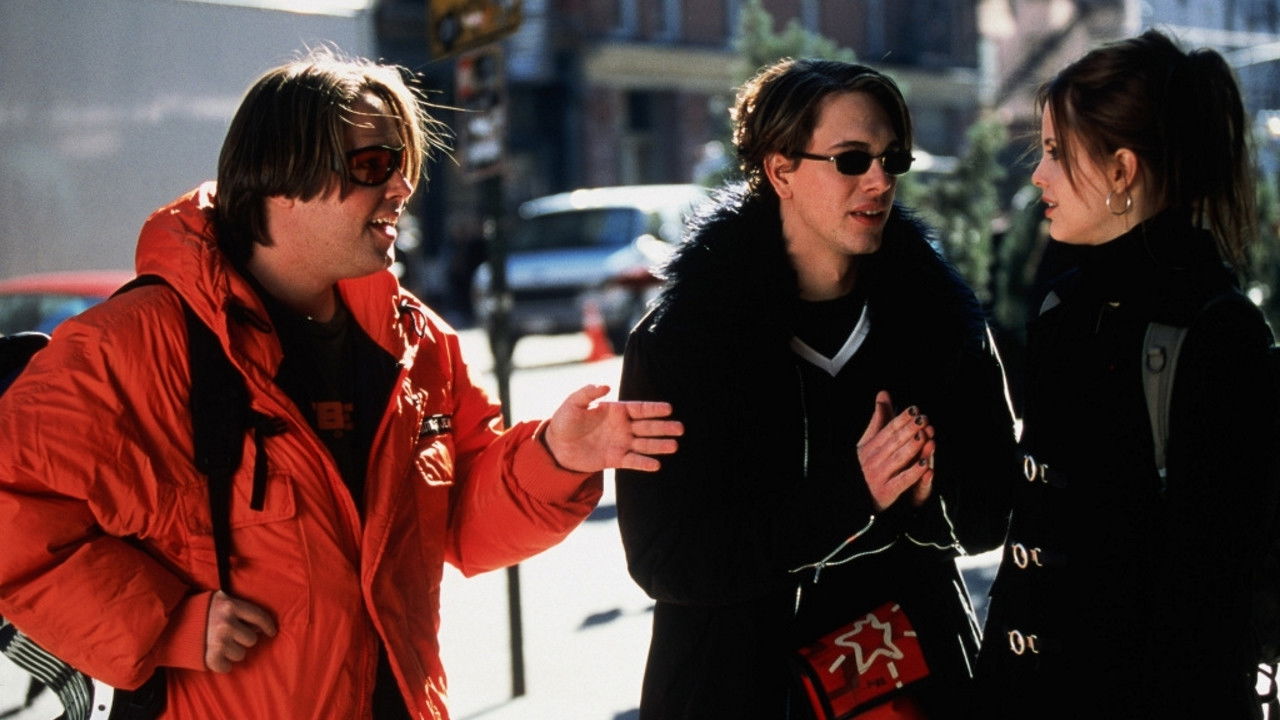
The film captures that specific early 2000s New York City college vibe – before smartphones ruled everything, when finding a cheap apartment felt slightly more possible (though still nightmarish, as the film shows), and when earnestness wasn't automatically seen as cringe. It’s shot with a straightforward style, focusing on character and dialogue over flashy visuals. There aren't any Clueless-level fashion montages, but there's a realism to the dorm rooms, the lecture halls (filming reportedly took place at several actual university locations to capture that authentic feel), and the general sense of being young, broke, and slightly overwhelmed in the big city.
### Is it a Classic? Maybe Not. Is it Worth Revisiting? Absolutely.
Loser might lack the biting satire of Fast Times or the sparkling wit of Clueless, but it possesses a gentle charm and sincerity all its own. Jason Biggs and Mena Suvari have believable chemistry, grounding the sometimes-predictable plot, and Greg Kinnear is deliciously awful. It captures a specific, slightly awkward moment right at the turn of the century, making it a fascinating watch for anyone nostalgic for that Y2K period. It’s a comfort-food movie – familiar, warm, and ultimately good-natured, even with its resident slimeball professor.
Rating: 6.5/10
Justification: While not reaching the heights of Heckerling’s best work and feeling undeniably dated in parts (that hat!), Loser offers genuine heart, solid performances (especially Kinnear), and a charmingly earnest vibe. It overcomes a somewhat predictable plot with likable leads and captures its specific early 2000s moment effectively. It didn't make waves initially, but it’s a pleasant, funny, and surprisingly sweet revisit.
Final Rewind Thought: It might be called Loser, but watching it feels like finding a forgotten gem from the end of the rental store era – a gentle reminder that sometimes, the nice guy (and gal) deserve a win, even if they wear a ridiculous hat.