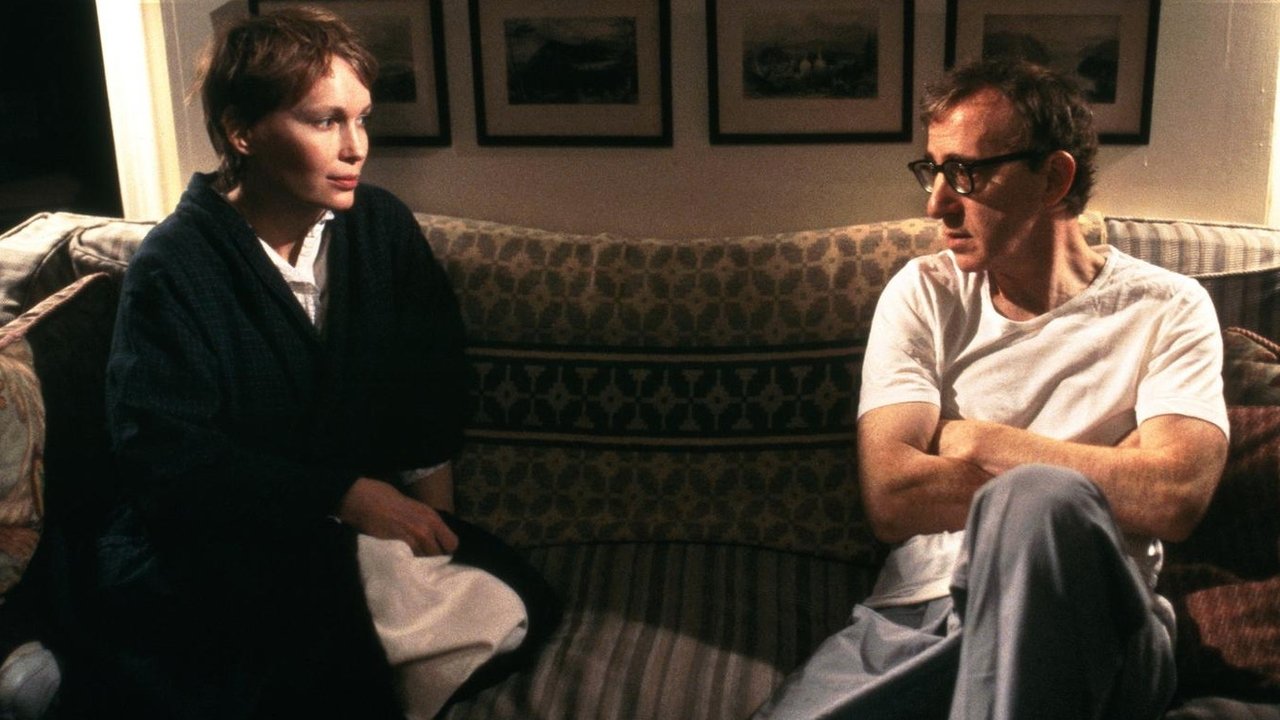
There's a nervous energy vibrating just beneath the surface of Woody Allen's Husbands and Wives (1992), a jittery, almost documentary-like quality that feels immediately distinct. Gone is the often romanticized New York of his earlier work; instead, we're thrust into cramped apartments and uncomfortable truths, filmed with a restless handheld camera that refuses to look away. I remember renting this one, probably expecting another witty Allen ensemble piece, and being struck by its raw, almost abrasive honesty. It felt less like watching a movie and more like eavesdropping on conversations you perhaps weren't meant to hear.
An Unflinching Lens
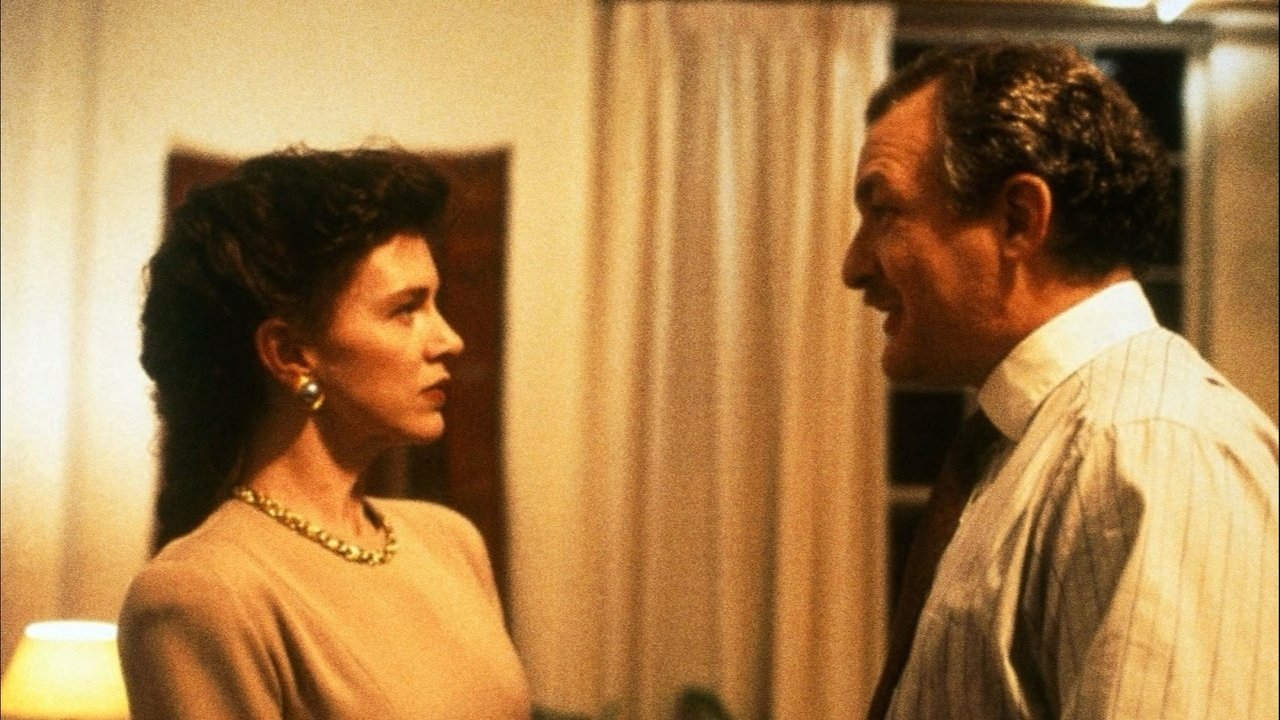
The premise is deceptively simple: Gabe (Allen) and Judy (Mia Farrow) are stunned when their best friends, Jack (Sydney Pollack) and Sally (Judy Davis), casually announce their separation over dinner. This seismic event sends shockwaves through Gabe and Judy’s own seemingly stable marriage, forcing them to confront the cracks, compromises, and quiet desperations lurking beneath the surface. What follows is a splintered narrative, cutting between the couples' diverging paths, therapy-like interviews direct to camera, and tentative steps into new, often ill-advised relationships. Allen, working with longtime collaborator cinematographer Carlo Di Palma (who shot classics like Hannah and Her Sisters), adopted a style here – full of jump cuts and wandering frames – that mirrored the emotional chaos of the characters. It's a choice that could feel alienating, but instead, it pulls you deeper into their anxieties, their fragmented thoughts, their grasping for connection.
Performances Under Pressure
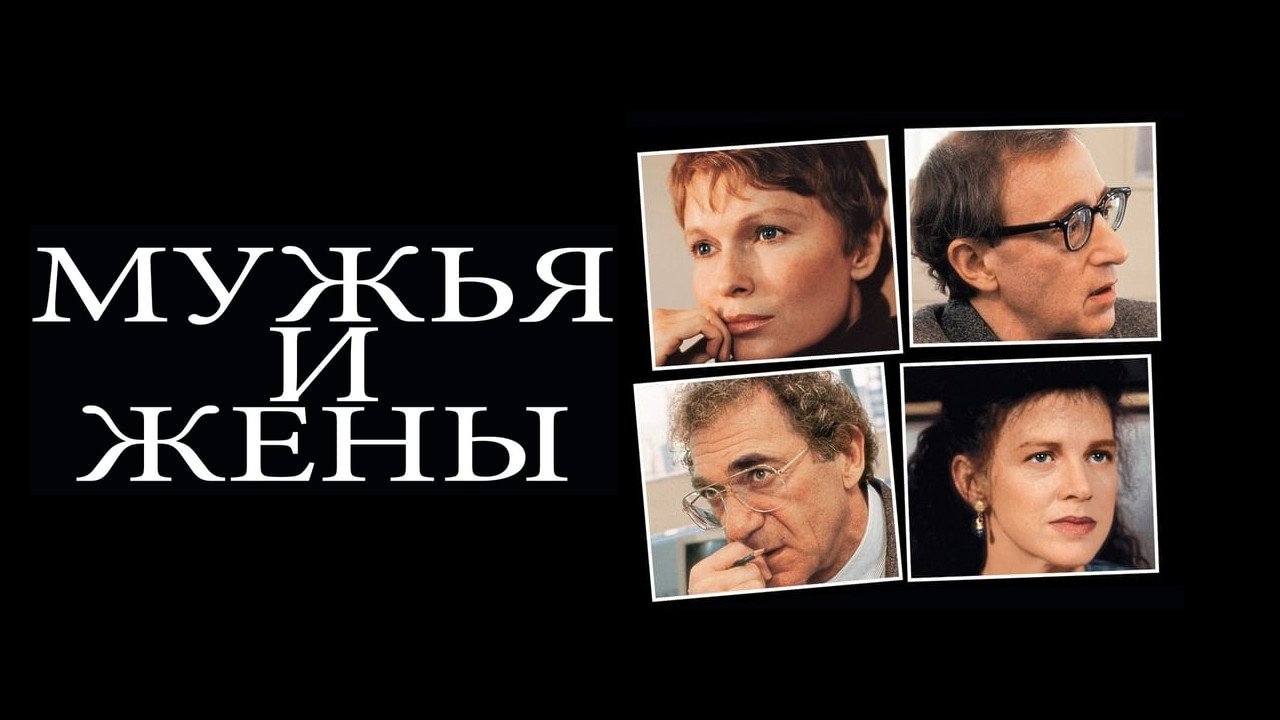
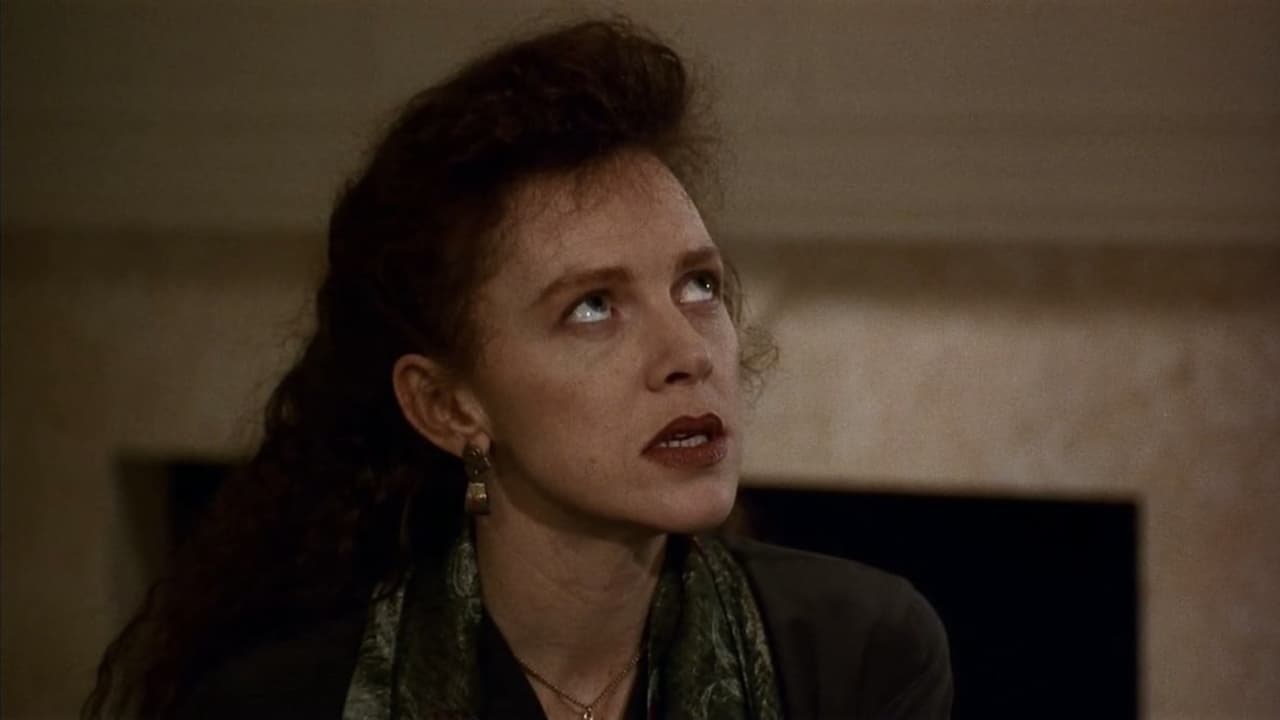
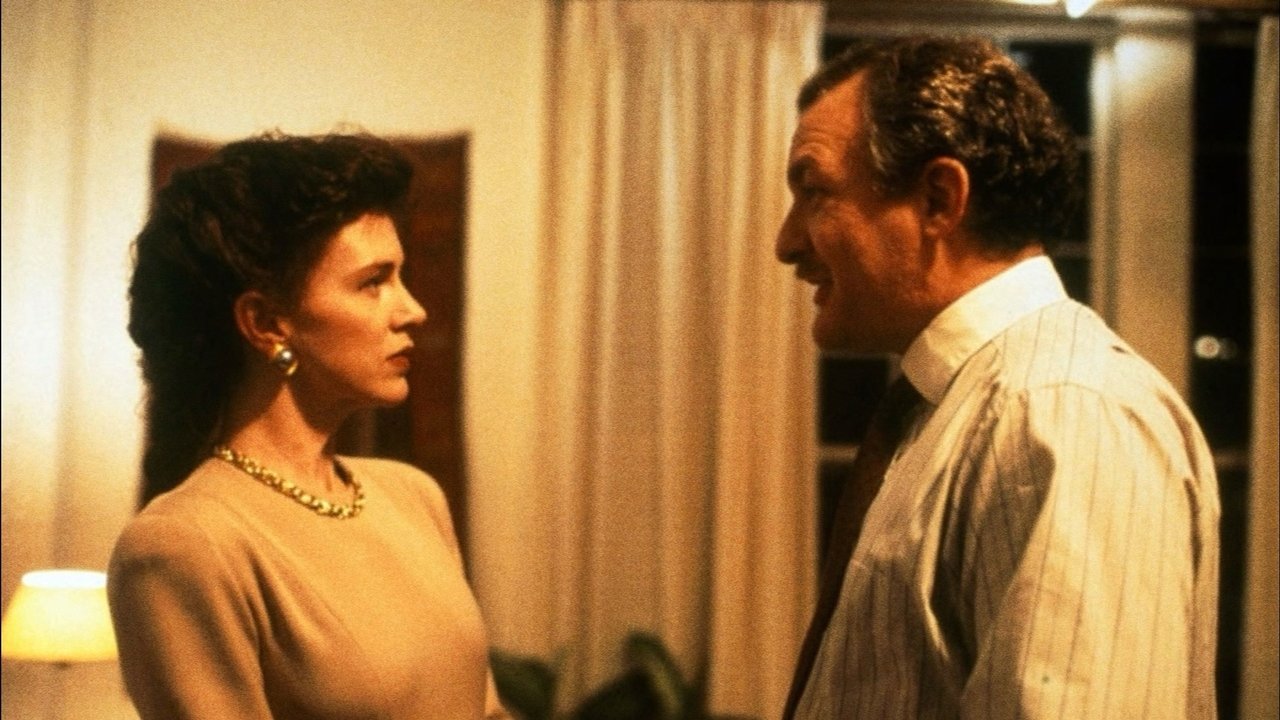
The ensemble cast is uniformly excellent, delivering performances that feel unnervingly real. Allen plays a variation of his familiar intellectual neurotic, but tinged with a deeper weariness. Mia Farrow as Judy embodies a quiet fragility mixed with a passive-aggressive control that’s subtly devastating. But it's Sydney Pollack and Judy Davis who truly electrify the screen. Pollack, primarily known then as a distinguished director (Tootsie, Out of Africa), is brilliant as Jack, a man desperately chasing youth and novelty, seemingly oblivious to the emotional wreckage he leaves behind. His casual confidence masks a profound insecurity. And Judy Davis? She is simply volcanic as Sally. Raw, intelligent, bitingly funny, and incandescently angry, her performance is a masterclass in controlled fury and vulnerability. Her neurotic energy is almost palpable, a whirlwind of dissatisfaction and sharp intelligence that earned her a well-deserved Oscar nomination. Watching her navigate awkward dates or dissect her friends' (and her own) failings is both exhausting and exhilarating. Supporting players like Liam Neeson and a very young Juliette Lewis (as a precocious student who captures Gabe's attention) also make strong impressions, adding layers to the complex web of desires and disappointments.
Echoes of Reality
It’s impossible, particularly looking back from the vantage point of VHS Heaven, to discuss Husbands and Wives without acknowledging the unfortunate shadow cast by the real-life implosion of Woody Allen and Mia Farrow’s relationship, which became public knowledge around the time of the film's release. Knowing this context adds an almost unbearable layer of verisimilitude to certain scenes, particularly those dissecting Gabe and Judy's fraying marriage. The film feels like uncomfortable art imitating life, or perhaps life mirroring art, lending it a weight and a sadness that transcends the screen. While speculation isn't criticism, the raw, sometimes painful authenticity feels amplified by these external circumstances. Interestingly, despite critical acclaim (including another Oscar nod for Allen's screenplay), the film wasn't a huge box office success, grossing just over $10.5 million domestically against its roughly $20 million budget – perhaps its unflinching look at marital strife, coupled with the surrounding controversy, proved too bracing for mainstream audiences in 1992.
The Weight of Time
What lingers most after the tracking lines have faded? It's the film's refusal to offer easy answers or neat resolutions. Relationships are shown as messy, contradictory, often fueled by inertia or fear as much as by love. Allen asks difficult questions: Can passion survive familiarity? Are we destined to repeat our patterns? Is contentment a worthy goal, or merely a compromise? The documentary style, the abrupt cuts, the probing interviews – they all serve to strip away the artifice, leaving behind a portrait of modern relationships that feels remarkably contemporary, even decades later. It captures that specific, creeping dread of realizing that the person sleeping next to you might be a stranger, or worse, that you might be a stranger to yourself. Doesn't that core anxiety still resonate?
***
VHS Heaven Rating: 8.5/10
Justification: Husbands and Wives is a challenging, sometimes uncomfortable, but brilliantly executed piece of filmmaking. The handheld, documentary style is a bold and effective choice, perfectly complementing the raw, honest screenplay. The performances, particularly from Judy Davis and Sydney Pollack, are exceptional, crackling with authenticity. While its proximity to real-life events adds a complex, somber layer, the film stands on its own as a mature, unflinching examination of love, disillusionment, and the difficult compromises of long-term relationships. It earns its high score for its artistic bravery, its powerful acting, and its enduring relevance, even if it’s not the kind of film you revisit for comfort.
Final Thought: This isn't your typical cozy night in with a VHS tape; it’s a film that gets under your skin and stays there, prompting introspection long after the credits roll. It reminds us that sometimes, the most compelling stories are the ones that dare to show us the uncomfortable truths we often try to ignore.