Sometimes, real life tragically intrudes upon the screen, casting an undeniable shadow over the make-believe. Watching My Friends Act III (or Amici miei - Atto III°, 1985), the final chapter in the saga of Florence's aging pranksters, carries such a weight. It's impossible to view it without knowing that the great Adolfo Celi, the imposing Professor Sassaroli, passed away during filming. This sad reality permeates the film, adding a layer of genuine melancholy beneath the expected anarchic humour, turning what might have been just another sequel into something more poignant, a farewell tinged with an unavoidable sense of loss.
The Boys Are Back (Mostly)
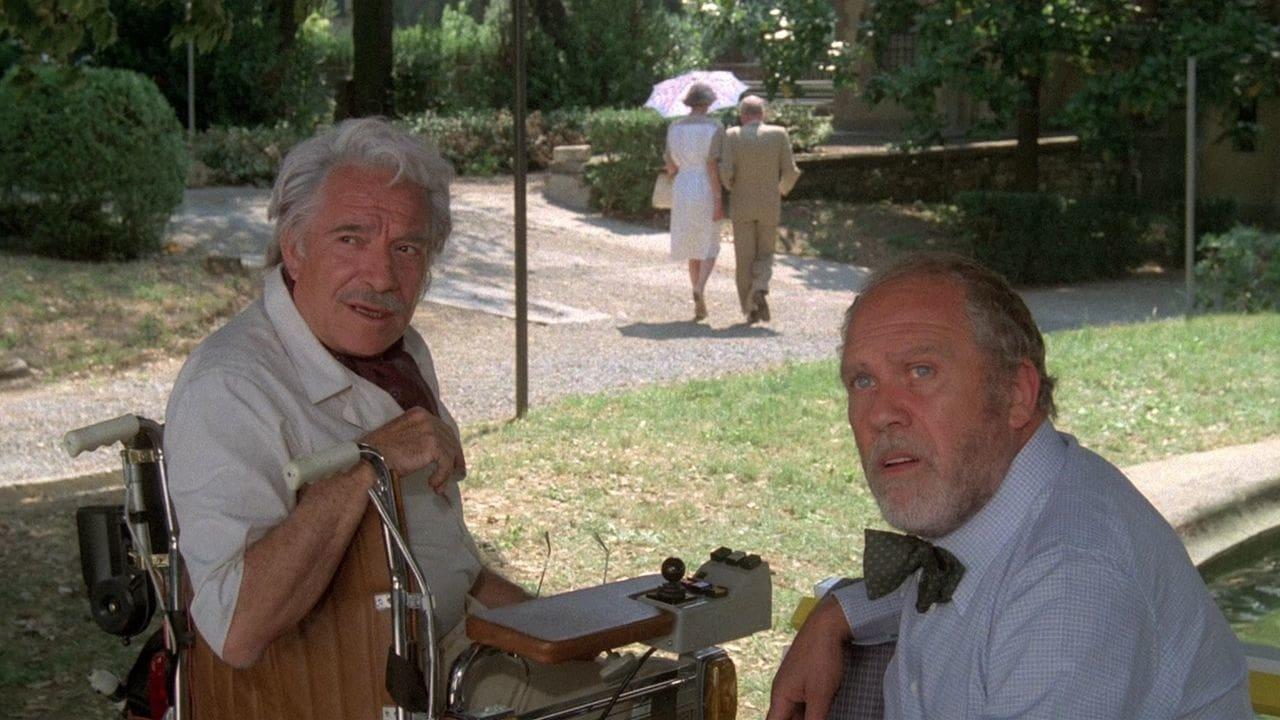
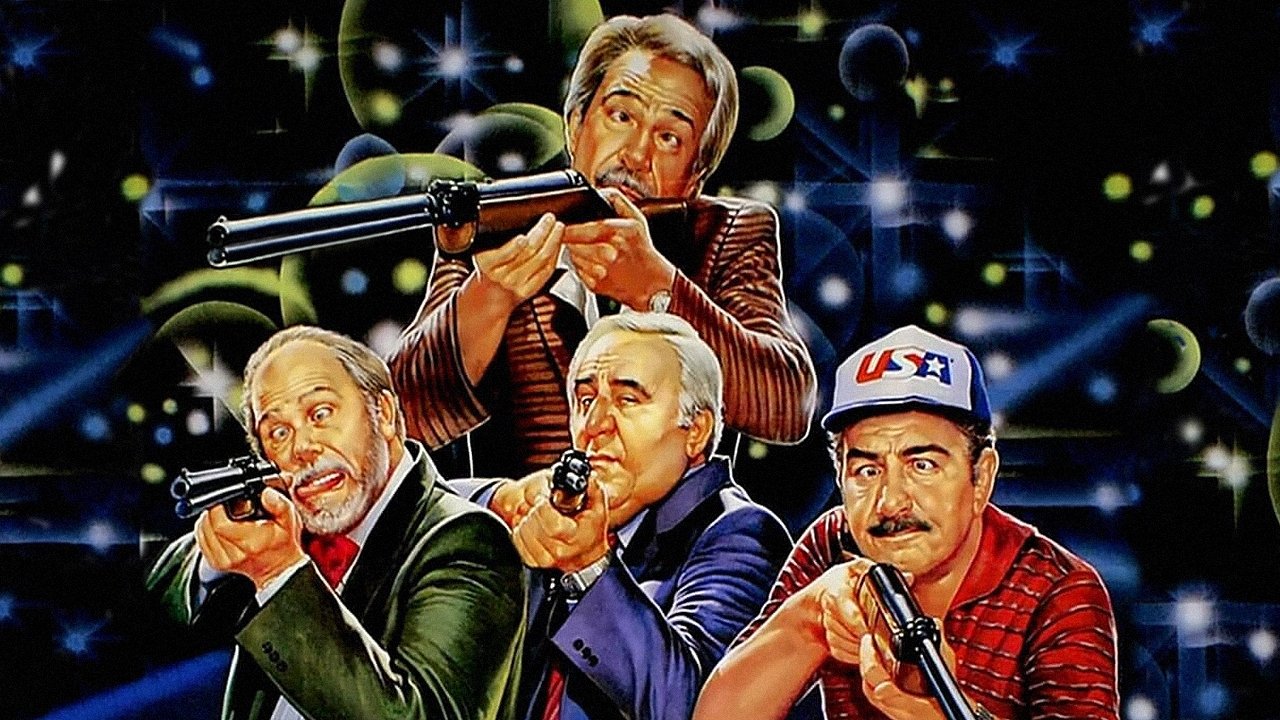
Picking up some time after the second installment (helmed, like the original 1975 classic, by the legendary Mario Monicelli), we rejoin Count Mascetti (Ugo Tognazzi), Rambaldo Melandri (Gastone Moschin), and Giorgio Perozzi's widow and daughter (the Perozzi character, played by Philippe Noiret in the first two, is absent here). Professor Sassaroli (Adolfo Celi) is initially present, orchestrating elaborate practical jokes (the zingarate) with his companions. The setup remains familiar: these middle-aged men, facing the encroaching realities of aging, responsibility, and mortality, escape into elaborate, often cruel, but undeniably creative pranks as a way to feel alive, to push back against the mundane. Director Nanni Loy (known for films like The Four Days of Naples) takes the reins from Monicelli for this outing, tasked with maintaining the spirit of irreverent fun established by his predecessor.
Navigating Shadows and Laughter
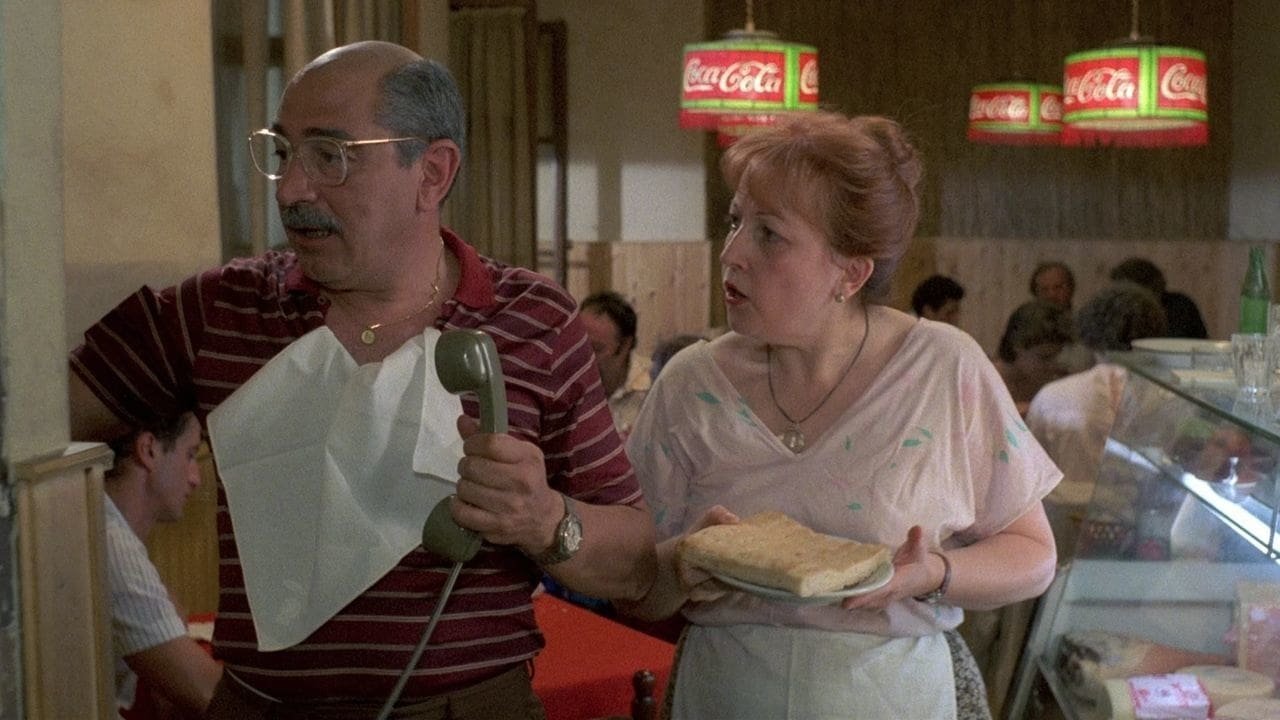
The core appeal of the Amici Miei series always lay in the brilliant chemistry of its ensemble cast and the sharp, cynical, yet oddly affectionate portrayal of male friendship through shared absurdity. Tognazzi remains a force of nature as the perpetually broke, lecherous, yet somehow charming Count Mascetti, his schemes often driving the narrative. Moschin, as the romantic architect Melandri, provides a softer counterpoint, forever falling hopelessly in love. And Celi, in the scenes he completed, brings his signature dry wit and authoritarian presence to Sassaroli, the detached surgeon who finds amusement in the chaos.
But the shadow of Celi's passing looms large. The production faced an immense challenge. Rather than scrapping the film or digitally inserting him (a technology far beyond 1985's capabilities), the filmmakers made the difficult decision to bring in French actor Bernard Blier (a frequent collaborator with Monicelli and a titan of European cinema himself) to complete Sassaroli's remaining scenes. While Blier is a superb actor, the transition is noticeable, not through any fault of his own, but simply because Celi was Sassaroli. It's a testament to the filmmakers' efforts, and perhaps the script adjustments made by Leo Benvenuti, Piero De Bernardi, Tullio Pinelli, and Loy himself, that the film holds together as well as it does. They don't try to hide it; the shift happens, and the audience, particularly those familiar with the series back in the day from worn rental tapes, understands why. It adds an unexpected layer – we're not just watching the characters age; we're witnessing the real-world fragility of the actors portraying them.
A Shift in Tone?
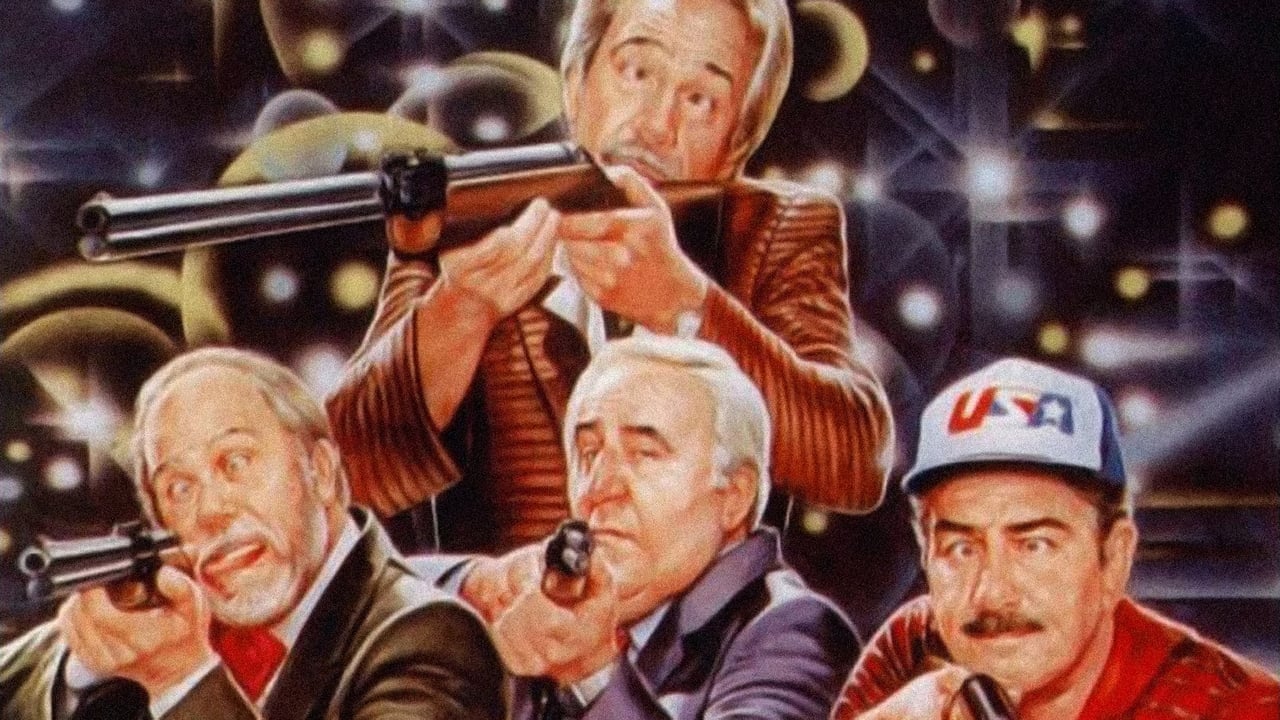
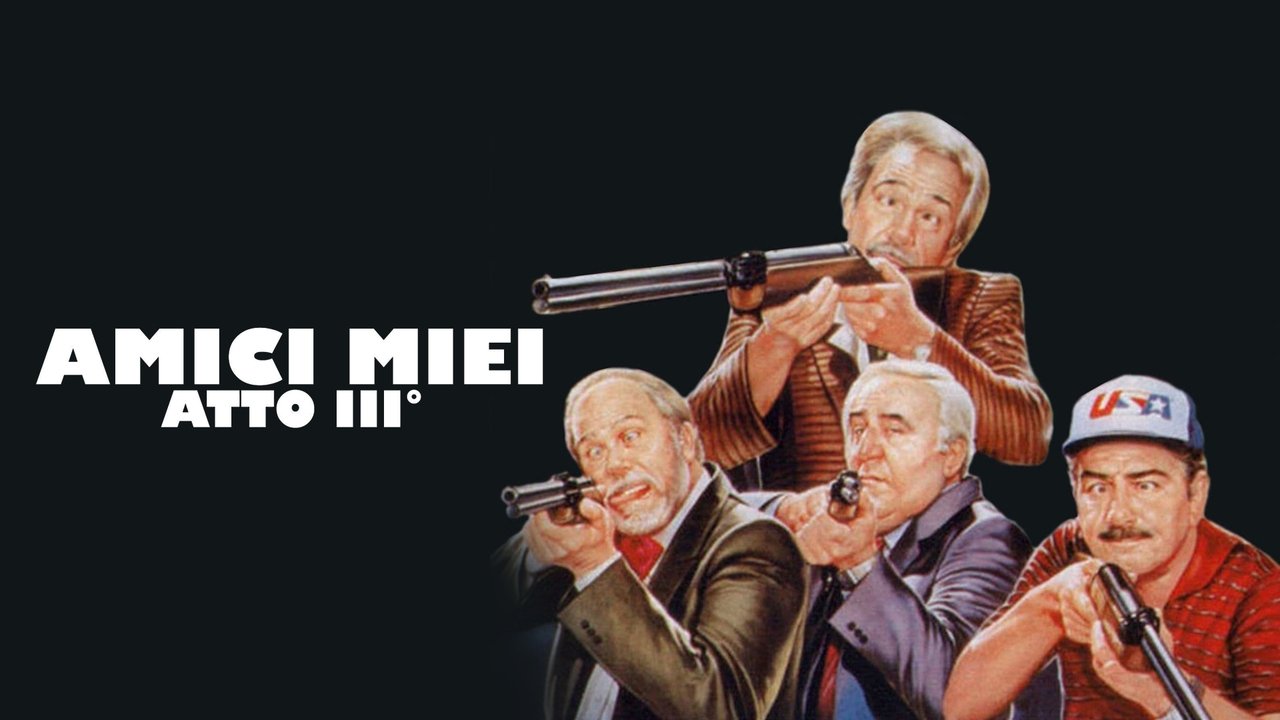
Does Act III capture the same magic as the Monicelli films? Perhaps not entirely. Loy's direction feels slightly less biting, maybe a touch more sentimental than Monicelli's acerbic wit allowed. The absence of Philippe Noiret's Perozzi character is also keenly felt, altering the group dynamic. Some of the pranks feel a little less inspired, perhaps reaching for past glories. Yet, there are still moments of genuine comedic brilliance, flashes of that old anarchic spirit that made us fall for these charming rogues in the first place. I remember finding this one on the 'World Cinema' shelf at the local video store, a bit different from the usual Hollywood fare, and being drawn back into their world, even with the changes.
The Florence locations remain beautifully captured, providing a timeless backdrop to the characters' Peter Pan complexes. The film doesn't shy away from the downsides of their behaviour either – the consequences of their actions, the pain they inflict (often unintentionally, sometimes carelessly), and the undeniable fact that time is catching up with them. This undercurrent, always present in the series, feels particularly pronounced here, amplified by the off-screen tragedy.
An Imperfect Farewell
My Friends Act III isn't the triumphant finale some might have hoped for, but it serves as a necessary, if flawed, coda. It's a film inescapably marked by circumstance, a testament to the resilience of a production facing unthinkable loss. The laughter is still there, but it’s often laced with a deeper awareness of endings, both fictional and real. Watching it again now, decades later, that bittersweet quality feels even stronger. It’s like looking at an old photograph where one beloved face is starting to fade – you cherish the memory, even as you acknowledge the absence.
Rating: 6/10
The score reflects a film that, while possessing moments of the series' characteristic charm and humour, struggles under the weight of significant casting changes (the understandable absence of Noiret, the difficult mid-film replacement of Celi) and a slightly less sharp directorial touch compared to Monicelli's entries. It provides closure but lacks the consistent comedic brilliance and biting satire of its predecessors. Still, for fans of the series, and particularly for Tognazzi and Moschin's enduring performances, it remains a worthwhile, albeit melancholic, visit with old friends.
What lingers most isn't a specific prank, but the feeling of time passing, and the unavoidable goodbyes that come with it. A bittersweet echo in the halls of VHS Heaven.