It arrives with a certain weariness, doesn't it? Not the bright, explosive energy we often associate with 80s cinema, but something more lived-in, dustier. "...All the Marbles," released in 1981, carries the distinct, gritty signature of its director, Robert Aldrich, a filmmaker whose lens rarely shied away from the sweat, struggle, and compromised victories of life. It stands as his final film, a poignant swan song that trades the battlefields of The Dirty Dozen (1967) or the gridiron of The Longest Yard (1974) for the equally bruising world of women's professional wrestling. And watching it again, decades later, it feels less like a sports movie and more like a bruised valentine to the relentless pursuit of a dream, however tarnished.
On the Road with the California Dolls
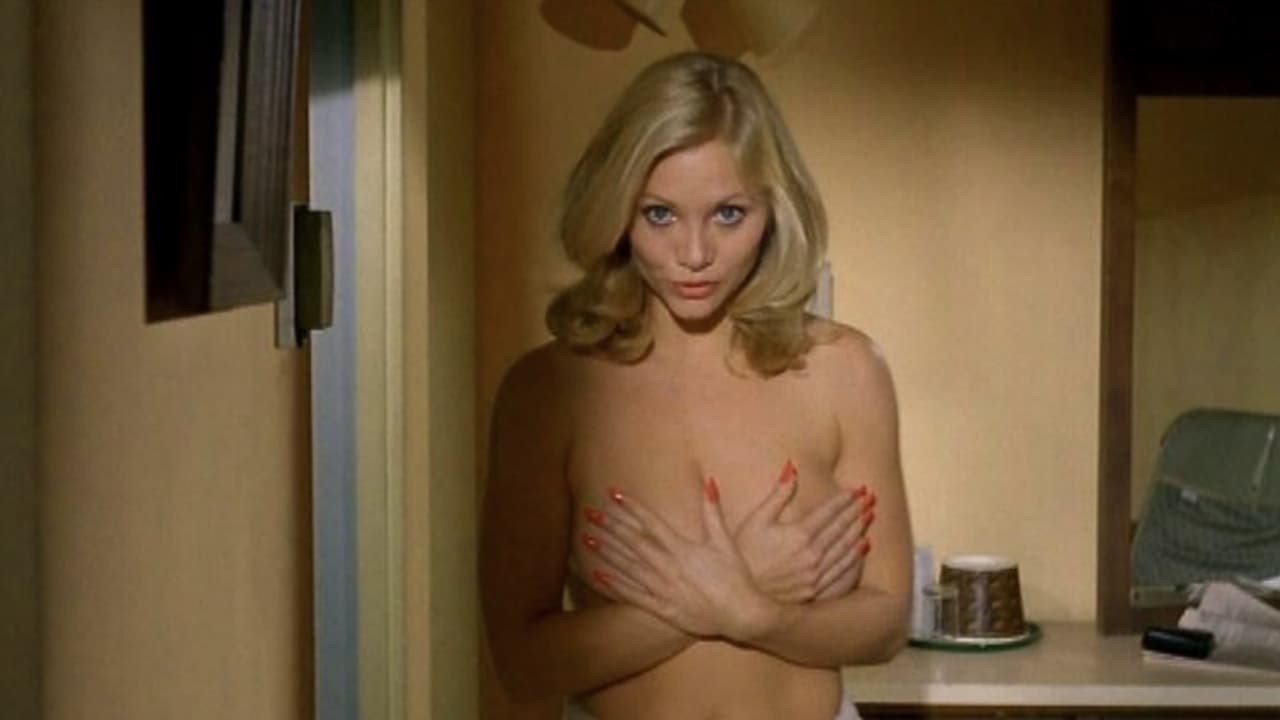
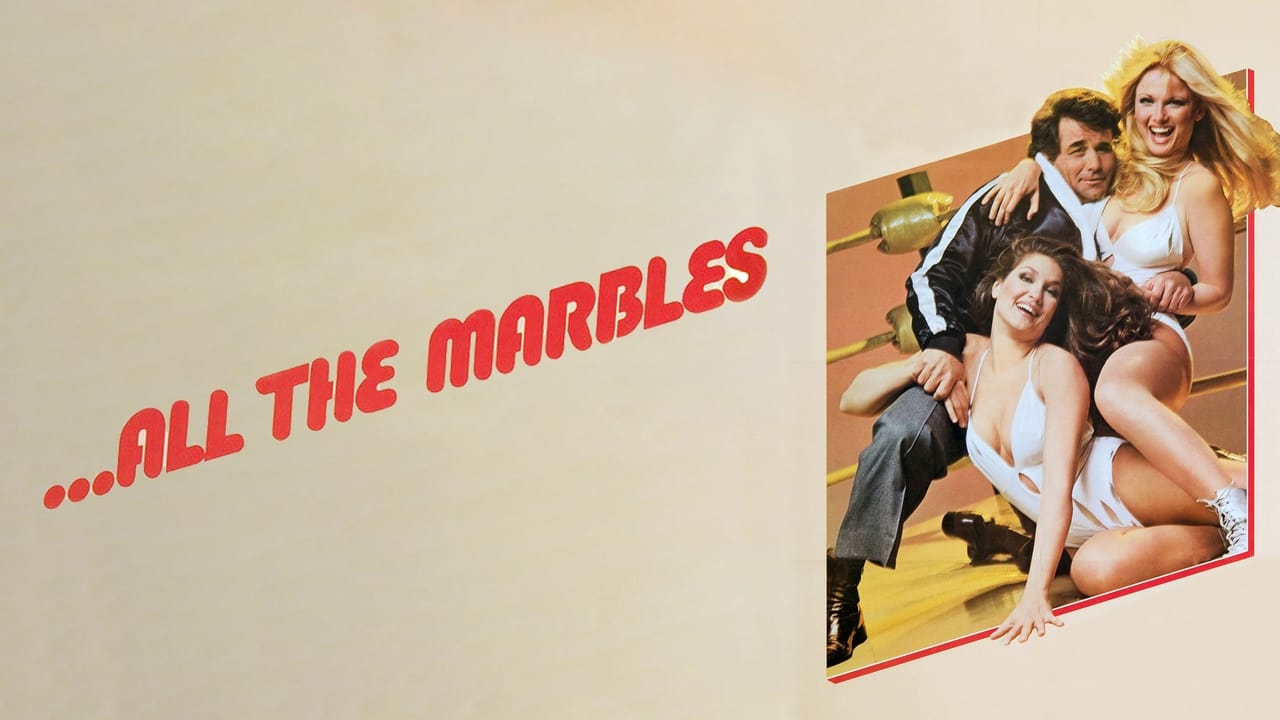
The premise is pure road movie grit: Harry Sears (Peter Falk), a small-time, seen-it-all wrestling manager, ferries his tag team, The California Dolls – the fiery Iris (Vicki Frederick) and the steadfast Molly (Laurene Landon) – across the country. They move from one dingy arena and cheap motel to the next, chasing payoffs, dodging sleazy promoters, and holding onto the hope of a title shot in Reno against the reigning champions. It's a landscape far removed from the glitz that wrestling would later embrace; this is all smoke-filled bingo halls, sticky floors, and the constant hum of a worn-out station wagon eating up miles of highway. Aldrich captures this atmosphere perfectly, grounding the often-theatrical world of wrestling in a tangible reality of exhaustion and economic precariousness.
Falk Finds His Corner
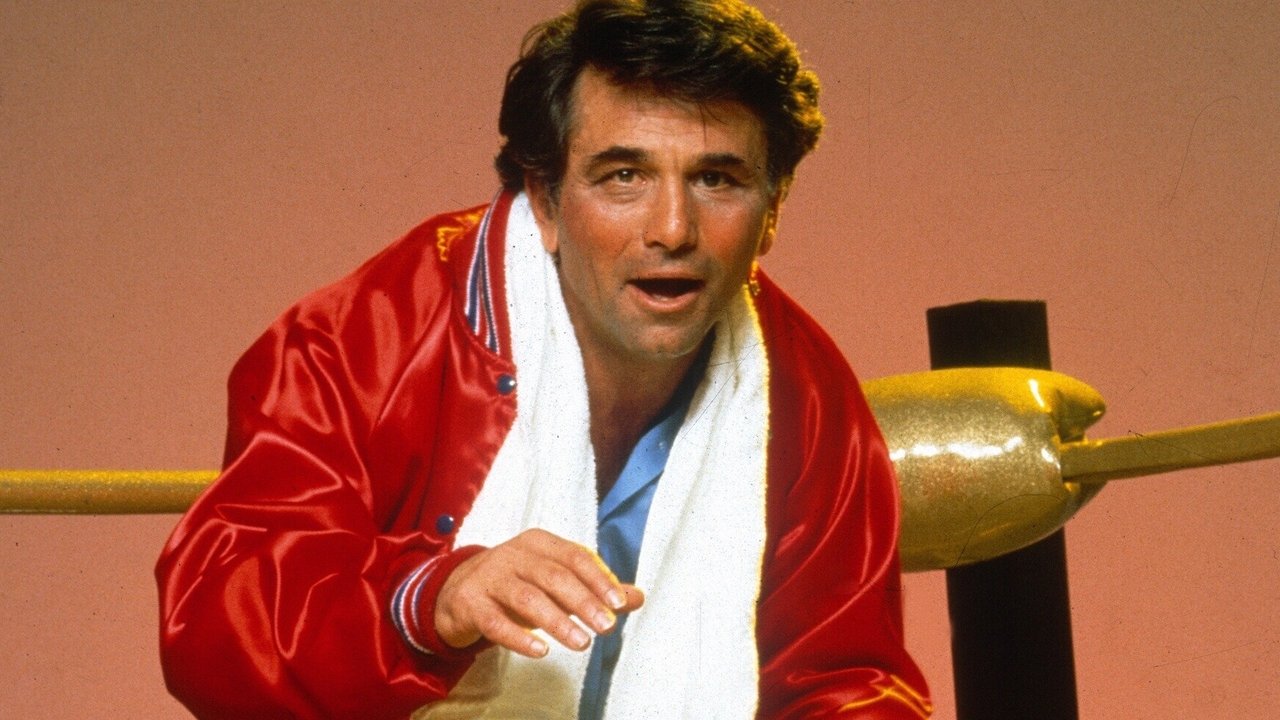
Seeing Peter Falk here is initially jarring for anyone primarily familiar with his iconic Lieutenant Columbo. The rumpled charm is present, yes, but channeled differently. Harry Sears is weary, cynical, fiercely protective, and occasionally manipulative – a hustler with a buried heart. Falk sheds the inquisitive mannerisms of the famous detective and embodies a man running on fumes and ambition, his loyalty to Iris and Molly the one constant in a sea of compromises. It’s a wonderfully layered performance, conveying years of dashed hopes and small triumphs etched onto his face. He’s not just their manager; he’s their flawed father figure, their strategist, their exasperated guardian. What lingers is the quiet determination in his eyes, the sense that beneath the schemes, he genuinely believes in his "Dolls."
Entering the Ring: Grit and Authenticity
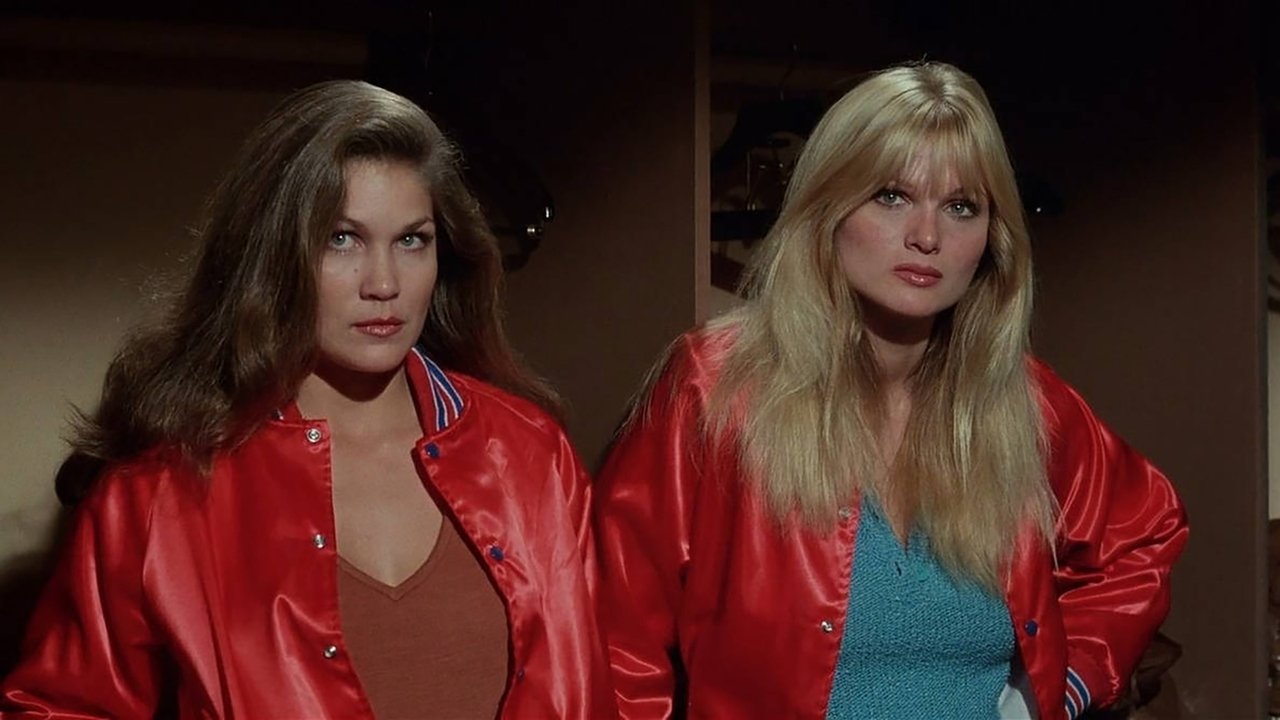
And what about those Dolls? Vicki Frederick as Iris and Laurene Landon as Molly are the undeniable heart of the film. Their chemistry is palpable, shifting effortlessly between locker-room banter, sisterly affection, and fierce in-ring partnership. Crucially, they sell the physicality of their profession. Reportedly, both actresses underwent rigorous training for months, learning wrestling holds and taking bumps, performing a significant amount of their own stunt work. You feel the impact in the ring sequences – they aren’t just choreographed routines; they convey effort, pain, and genuine athleticism. This commitment lends the film an authenticity often missing in cinematic portrayals of wrestling. The climactic championship match in Reno, a grueling, extended sequence, feels earned precisely because we’ve seen the work Frederick and Landon put in, both physically and emotionally. They aren't just performers; they embody resilience.
Aldrich's Final Round
Robert Aldrich brings his trademark focus on group dynamics under pressure to the narrative. The relationship between Harry, Iris, and Molly forms a tight-knit, if unconventional, family unit battling external forces – unscrupulous promoters, sexism, the sheer grind of the road. Aldrich doesn't romanticize their lives; he shows the exploitation inherent in the business, the casual disregard they often face. Yet, he also highlights their solidarity and fierce independence. It feels fitting that Aldrich’s final directorial effort centers on underdogs striving within a system designed to chew them up. There's a certain thematic consistency with his earlier, often more masculine-focused work, but here applied with a distinct focus on the challenges faced by women in a male-dominated arena. Interestingly, the film was released as The California Dolls in some international markets, shifting the focus perhaps more squarely onto the wrestlers themselves, though "...All the Marbles" feels more evocative of the high stakes they're all playing for.
Retro Fun Facts: The Making of the Marbles
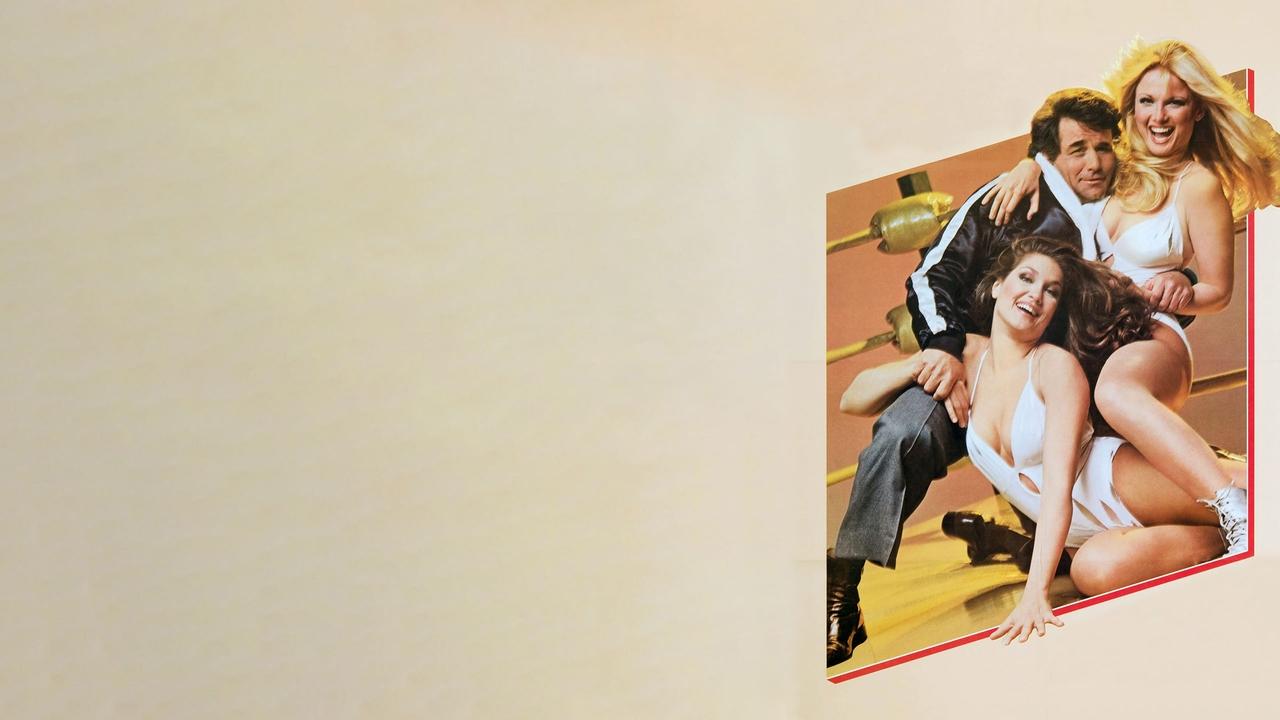
Digging into the production reveals the dedication involved. The actresses trained with Mildred Burke, a legendary figure in women's wrestling, ensuring a degree of realism. Laurene Landon apparently suffered a concussion during filming, a testament to the demanding nature of the action sequences. While not a box office smash (grossing around $8.4 million on a $6 million budget), the film found a solid life on home video – I distinctly remember seeing that clamshell case with Falk and the Dolls peering out from the rental shelves countless times. It became something of a cult favorite, particularly among wrestling fans who appreciated its relatively grounded portrayal of the business before the WWF/WWE spectacle truly took over. The script by Mel Frohman apparently took years to get made, highlighting the difficulty in selling a story centered on female wrestlers in that era.
Does It Still Go the Distance?
Watching "...All the Marbles" today evokes a strong sense of time and place. The wrestling style, the fashion, the smoky interiors – it’s pure early 80s. Some elements, particularly regarding the portrayal of certain supporting characters and promoters, feel dated, reflecting attitudes of the time. Yet, the core themes of perseverance, loyalty, and the fight for respect remain resonant. The central performances, particularly Falk's weary charisma and the physicality and heart brought by Frederick and Landon, hold up remarkably well. It captures a specific, almost lost era of professional wrestling, before Hulkamania changed the landscape forever. It asks us, perhaps, to consider what it truly costs to chase a dream, especially when the odds are stacked against you. Doesn't that struggle feel timeless?
Rating: 7/10
This rating reflects the film's considerable strengths – Peter Falk's terrific lead performance, the committed and physically convincing work by Vicki Frederick and Laurene Landon, Robert Aldrich's assured, gritty direction, and the authentic atmosphere. It successfully captures the feel of its era and the specific world it portrays. It loses a couple of points for pacing that occasionally drags and some elements that haven't aged perfectly. However, the core emotional story and the dedication evident in the performances make it a compelling watch and a standout in the genre of unconventional sports dramas.
It may not be the flashiest film from the era, but "...All the Marbles" possesses a genuine heart beneath its rough exterior. It’s a film that lingers, much like the ache after a hard-fought match, reminding us of the human stories behind the spectacle.