There's a certain kind of magic unique to the cramped, swaying confines of an overnight train, a microcosm of society hurtling through the darkness. It's a world vividly captured in Nanni Loy's 1980 gem, Café Express, a film that feels less like a movie and more like a shared journey, fueled by lukewarm coffee and quiet desperation. Watching it again now, decades after first stumbling upon its slightly worn VHS box, is like stepping back onto that specific, rattling Naples-to-Vallo della Lucania line, smelling the faint aroma of forbidden espresso mingling with stale cigarette smoke.
The Daily Grind on Rails
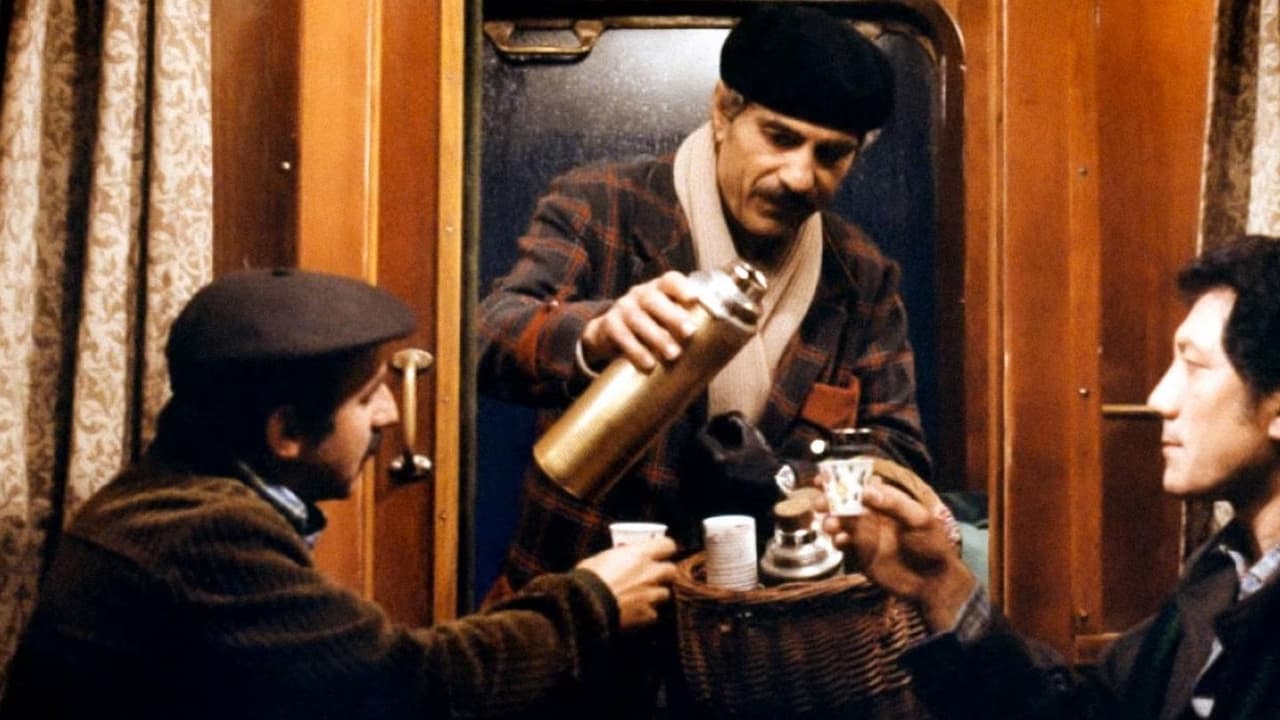
Our guide through this nocturnal landscape is Michele Abbagnano, brought to life with weary brilliance by the legendary Nino Manfredi. Michele isn't a grand schemer or a cinematic anti-hero; he's simply a man trying to survive. His hustle? Selling illicit coffee – 'o cafè – from a thermos flask to bleary-eyed passengers, dodging railway police and navigating the complex social strata of the train carriages. He’s a phantom vendor, materializing with a whisper and a steaming cup, perpetually one step ahead (or behind) the authorities. It's a premise steeped in the Neapolitan tradition of l'arte di arrangiarsi – the art of getting by, making do, surviving through wit and resourcefulness against often absurd odds.
Manfredi's Weary Heart
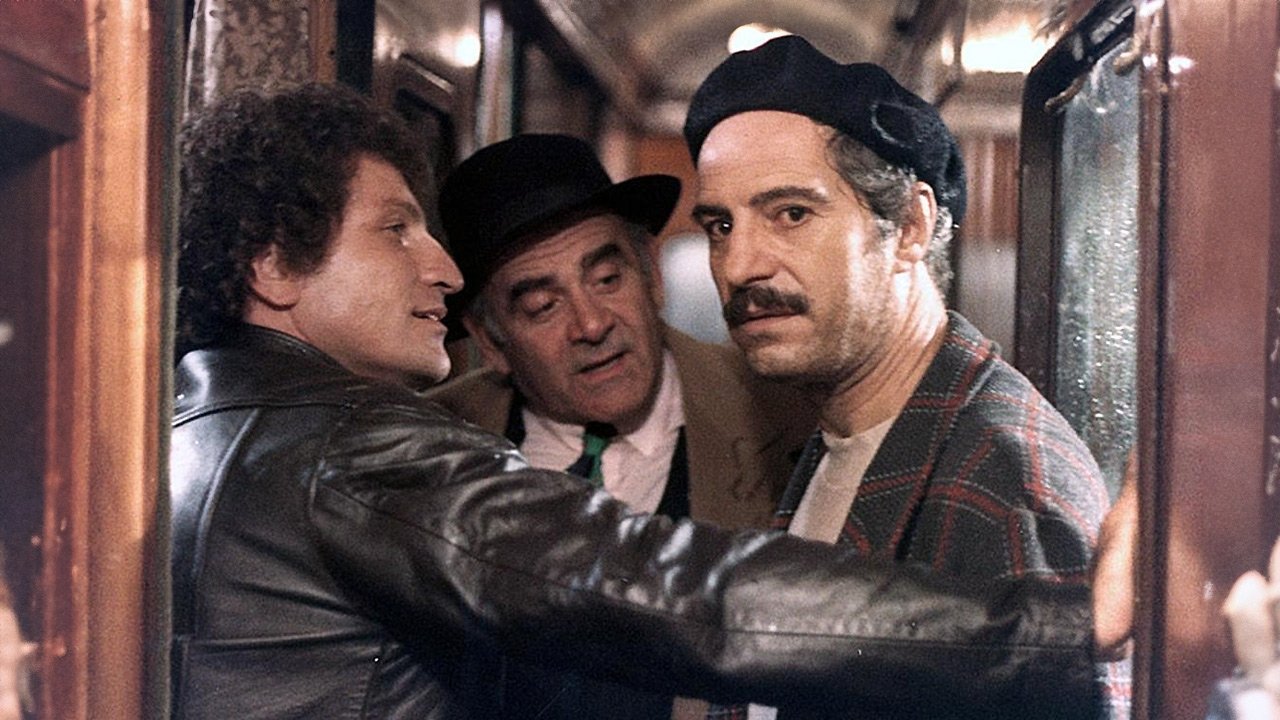
What elevates Café Express beyond a simple comedy of evasion is Manfredi's performance. He embodies Michele with such profound humanity. This isn't just slapstick; it's the portrait of a man worn down by circumstance but refusing to break. You see the constant calculation in his eyes, the flicker of fear when a uniform appears, the genuine warmth he extends to fellow passengers (potential customers, yes, but also fellow travellers in life), and the deep, underlying worry for his sick child, the very reason for his precarious existence. Manfredi, a titan of Commedia all'italiana (think Bread and Chocolate (1974) or his work with Ettore Scola), doesn't just play Michele; he is Michele. His comedic timing is impeccable, often stemming from the sheer exhaustion and exasperation of his situation, but it's the vulnerability beneath the hustle that truly resonates. Supporting players like Adolfo Celi (famously Largo in Thunderball (1965)) as the exasperated chief inspector Ramacci-Pisanelli provide the perfect counterpoint – the embodiment of inflexible bureaucracy against Michele's fluid survival instincts.
Brewing More Than Coffee
Nanni Loy, who also co-wrote the screenplay with Elvio Porta, directs with a naturalistic touch that feels almost vérité. He captures the cramped intimacy, the shared glances between strangers, the sudden bursts of noise and activity that characterize train travel. You can almost feel the sticky vinyl seats and the rumble of the tracks. Loy wasn't just making a comedy; he was tapping into the socio-economic realities of Southern Italy at the time. Michele's tiny, illegal enterprise is a commentary on unemployment, the failures of the state, and the lengths ordinary people go to provide for their families. There's a poignant scene involving Michele trying to navigate the labyrinthine welfare system – it’s played for absurdist laughs, but the underlying frustration is achingly real. It’s said that Loy insisted on filming significant portions on actual moving trains, adding a layer of chaotic authenticity that simply couldn't be replicated on a soundstage. Imagine the logistical hurdles – the lighting, the sound recording, coordinating actors and extras in those narrow corridors – it speaks volumes about Loy's commitment to capturing the film's specific atmosphere.
Echoes in the Corridor
Does the film feel dated? In some ways, inevitably. The specific economic hardships might have shifted, the trains look different now. But the core themes – the struggle for dignity, the absurdity of petty regulations in the face of genuine need, the search for human connection in impersonal spaces – remain remarkably relevant. What lingers most is Michele's quiet resilience. He represents countless individuals operating in the margins, their stories often unheard. The film doesn't offer easy solutions or grand triumphs; it offers empathy. It asks us to look closer at the people we might otherwise ignore, the ones bending the rules not out of malice, but necessity. I remember renting this from a dusty shelf, sandwiched between bigger American hits, drawn perhaps by Manfredi's familiar face. It wasn't explosive or flashy, but it stayed with me – the gentle humour, the melancholic undertone, the sheer truth of that central performance.
Rating: 8/10
Café Express is a beautifully observed, humanistic comedy-drama anchored by one of Nino Manfredi's most affecting performances. It captures a specific time and place with warmth and wit, finding gentle humour and profound empathy in the struggle for everyday survival. While perhaps lesser-known internationally compared to other Italian classics of the era, it's a deeply rewarding watch, a poignant reminder of the small battles fought and the quiet dignity found in the most unlikely circumstances. It leaves you not with roaring laughter, but with a thoughtful smile and a lingering warmth, much like Michele's own precious coffee.