Alright, settle in and adjust the tracking. Remember wandering the aisles of the video store, past the big-budget action flicks and familiar comedies, and stumbling upon that box? The one with the slightly unusual art, maybe a foreign title, that just seemed… different? For many of us digging through the shelves in the late 80s and early 90s, Juzo Itami's 1985 masterpiece Tampopo was exactly that kind of discovery – a film promising something utterly unique, plucked from the "Foreign" section like a rare delicacy. And boy, did it deliver.
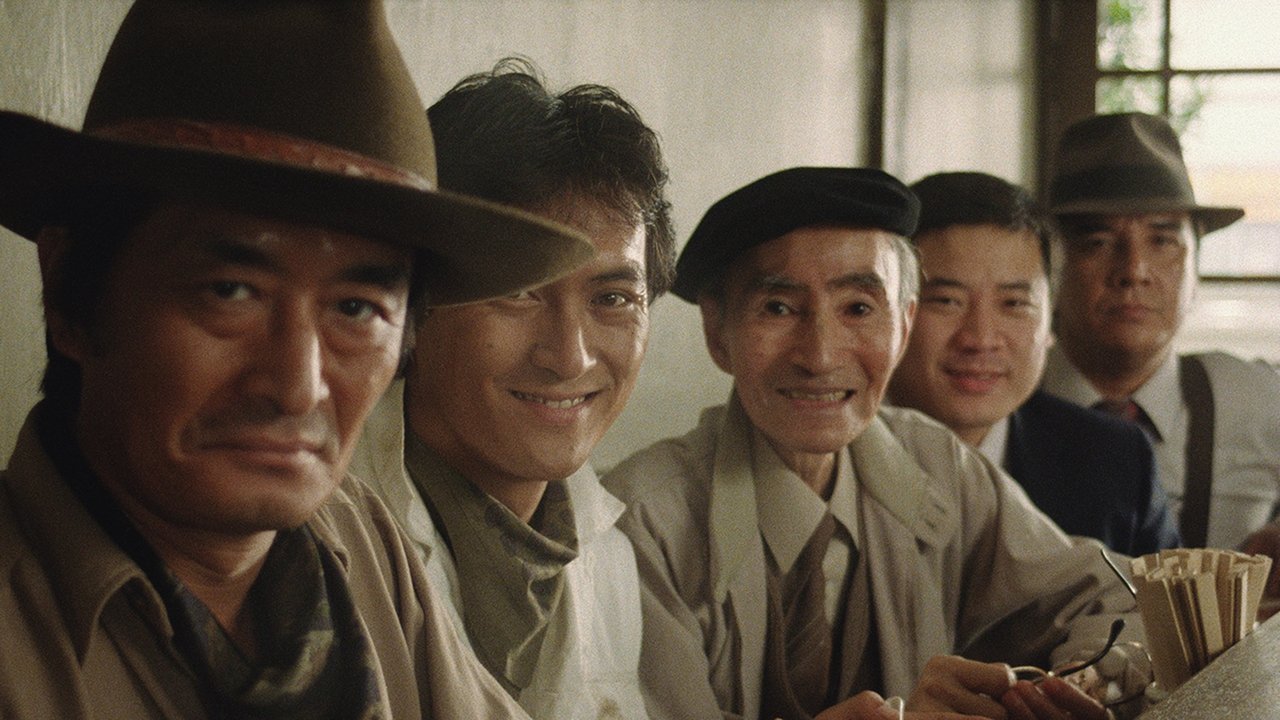
Calling Tampopo just a "food movie" is like calling Blade Runner just a "detective story." It’s so much more. Itami himself cheekily dubbed it a "ramen western," and the description, while playful, hints at the film's delightful structure. We have our lone ronin figure, Goro (played with stoic charm by Tsutomu Yamazaki, a veteran Japanese actor instantly recognizable to fans of Kurosawa), a truck driver with a quiet intensity and discerning palate. He rolls into town with his sidekick Gun (a young Ken Watanabe!) and encounters Tampopo (Nobuko Miyamoto, Itami's wife and frequent collaborator, delivering a performance of wonderful warmth and determination), a widowed mother struggling to run a subpar ramen shop. What follows is the core quest: Goro assembling a motley crew of culinary experts – a chauffeur gourmet, a vagrant sensei, a rogue contractor – to help Tampopo craft the perfect bowl of ramen.
The Flavor is in the Details
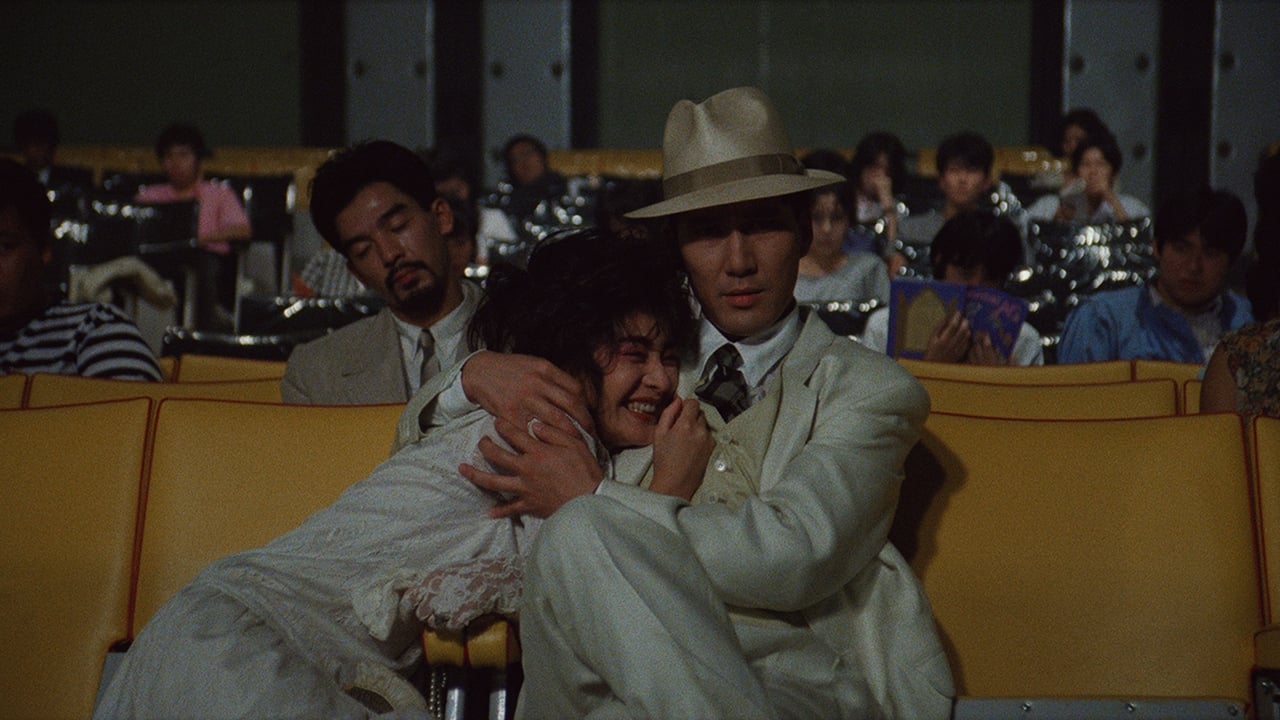
This central narrative thread, however, is lovingly interrupted by a series of vignettes, little cinematic amuse-bouches exploring the profound, often hilarious, sometimes deeply sensual connection humans have with food. Forget CGI smoothies; the way Itami films food here is pure, practical magic. You can almost smell the simmering broth, feel the texture of the noodles, taste the richness of a perfectly cooked egg. Remember that scene with the oyster? Or the infamous, erotically charged transfer of an egg yolk between the white-suited gangster (a magnetic early role for Kōji Yakusho, who’d later become a huge star in films like Shall We Dance? and 13 Assassins) and his lover? These weren't just scenes about eating; they were about ritual, desire, and the sheer joy of indulgence, captured with a visual flair that felt incredibly fresh and tactile back on those CRT screens.
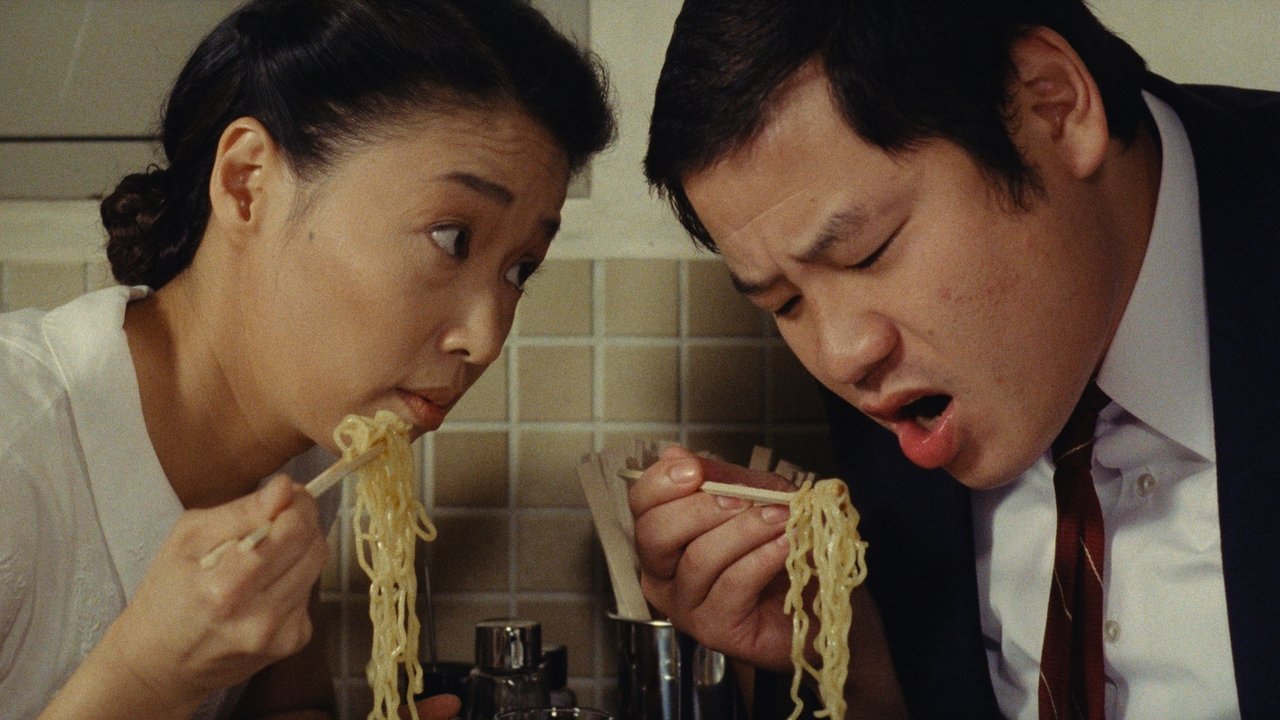
Itami reportedly hired food stylist Seiichi Motohashi to ensure every dish looked not just edible, but utterly divine, a testament to the practical craft of filmmaking before digital grading could easily enhance appearances. The dedication shows. Each bowl of ramen becomes a character in itself.
A Buffet of Human Experience
The vignettes are where Tampopo truly transcends genre. We get lessons in slurping noodles correctly (hilarious!), the tragicomic tale of a dying mother insisting on cooking one last meal for her family, the anxieties of navigating a French restaurant menu, even a bizarre encounter with a supermarket fiend obsessed with squeezing produce. Itami weaves these disparate threads together with remarkable confidence, creating a tapestry that celebrates food as central to life, love, death, and everything in between. It’s funny, poignant, occasionally absurd, and always deeply human. I distinctly remember renting this tape, expecting maybe a simple comedy, and being utterly captivated by its strange, wonderful rhythm.
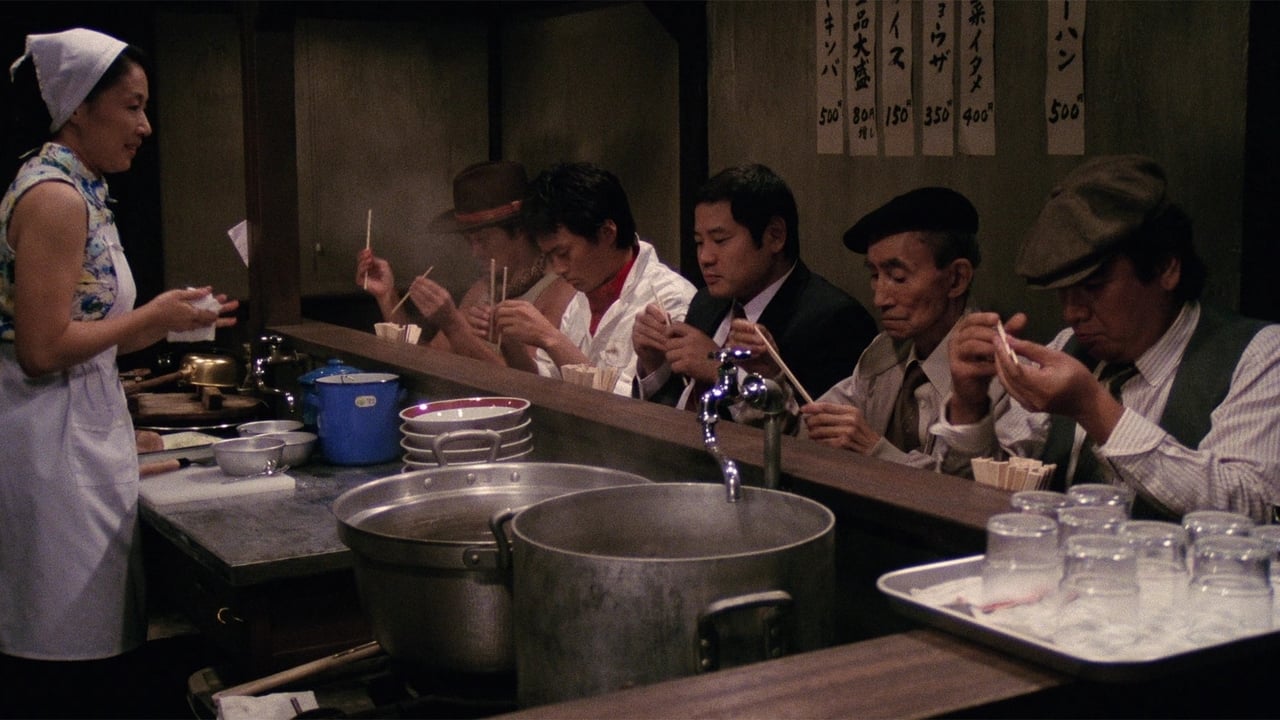
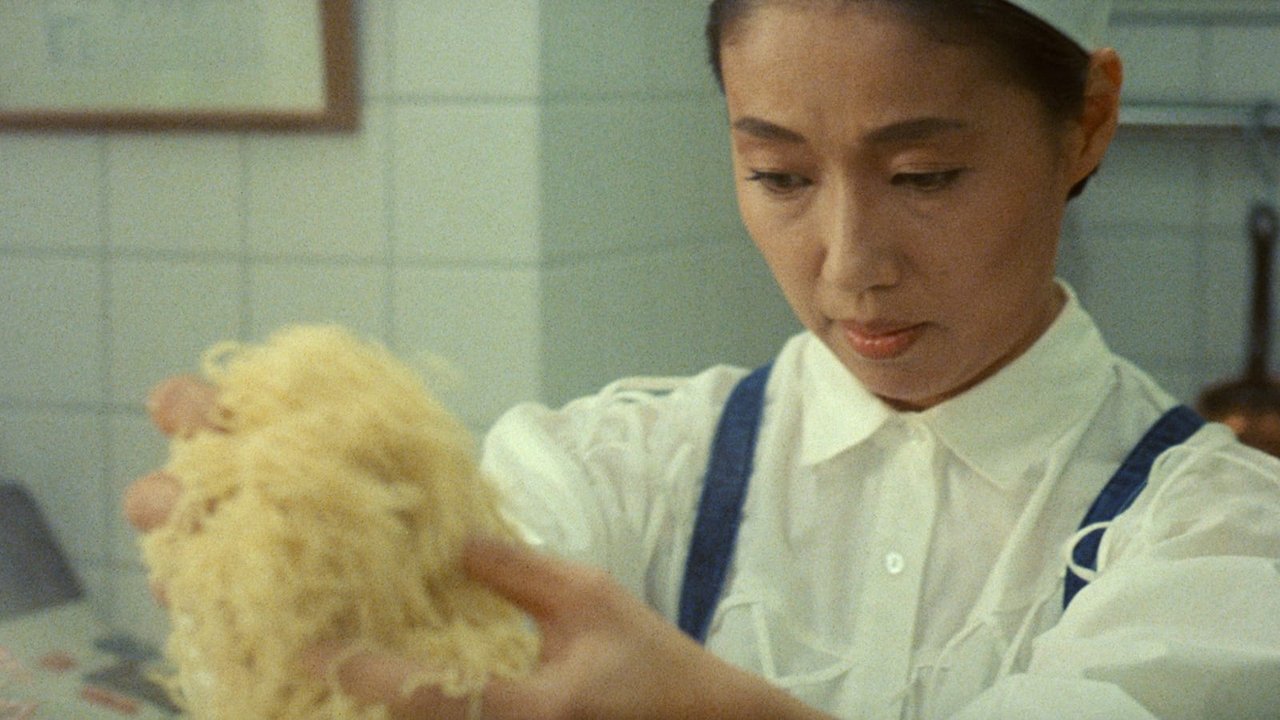
The film wasn't a massive blockbuster in the West initially, but word-of-mouth – fueled by those cherished VHS discoveries – helped it build a devoted cult following. Critics adored it, recognizing its unique blend of satire, genre-bending, and genuine heart. It felt like a secret shared among those who appreciated something off the beaten path, a film you’d excitedly recommend to friends who were tired of the same old Hollywood formula.
Still Serving Satisfaction
Watching Tampopo today, it hasn't lost an ounce of its flavor. The performances are pitch-perfect, Itami's direction is inventive and assured, and its central theme – the pursuit of perfection and the connections forged through shared culinary passion – remains universally resonant. The film’s structure might feel unconventional compared to tightly plotted modern narratives, but that's part of its enduring charm. It invites you to simply savor each moment, each character, each delicious-looking dish. It’s a film that makes you hungry, not just for ramen, but for life itself.
Rating: 9.5/10
Why the high score? Tampopo is a near-perfect blend of comedy, pathos, and sensory delight. Its unique structure, unforgettable characters, and profound love for its subject matter make it a standout not just of 80s Japanese cinema, but of film history. It’s inventive, hilarious, touching, and unlike anything else you likely pulled off the video store shelf.
Final Thought: Forget fast food filmmaking; Tampopo is a meticulously prepared, slow-cooked masterpiece that still tastes incredibly fresh decades later – a true five-star experience from the golden age of VHS discoveries.