Alright, fellow tapeheads, slide that worn copy of Monty Python’s The Meaning of Life into the VCR (after blowing the dust off the heads, naturally). Remember that slightly ominous, slightly silly fanfare? This wasn’t quite Holy Grail (1975) or Life of Brian (1979); this 1983 offering felt different right from the clunky plastic case – less a narrative, more a gleefully anarchic assault on, well, everything. It dared to ask the biggest question of all and answered it with exploding diners, singing Catholics, and philosophical fish. Only Python could pull this off, and even then, it was gloriously messy.
### Birth, Death, and Everything In Between (Especially the Messy Bits)
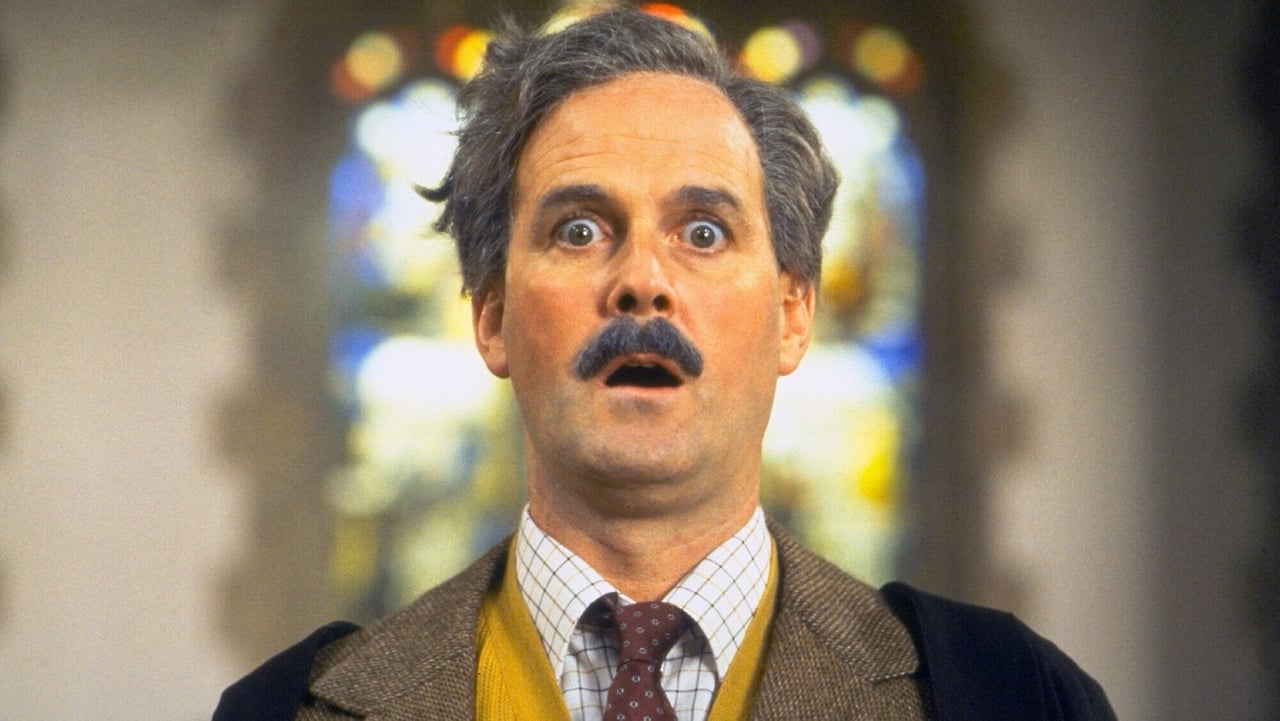
Forget a coherent plot. The Meaning of Life is pure, unadulterated Python sketch comedy blown up to cinematic proportions, loosely themed around the stages of existence. Directed primarily by Terry Jones (with Terry Gilliam handling his signature bizarre animated links and the jaw-dropping opening short, "The Crimson Permanent Assurance"), the film careens from one elaborate set piece to another. We witness birth in a sterile hospital where doctors seem more interested in the equipment ("What's this machine that goes 'ping'?") than the mother, navigate the absurdity of religious dogma in the show-stopping "Every Sperm Is Sacred" musical number, endure the horrors of middle-aged ennui in Hawaii, and confront death in various hilariously bleak scenarios.
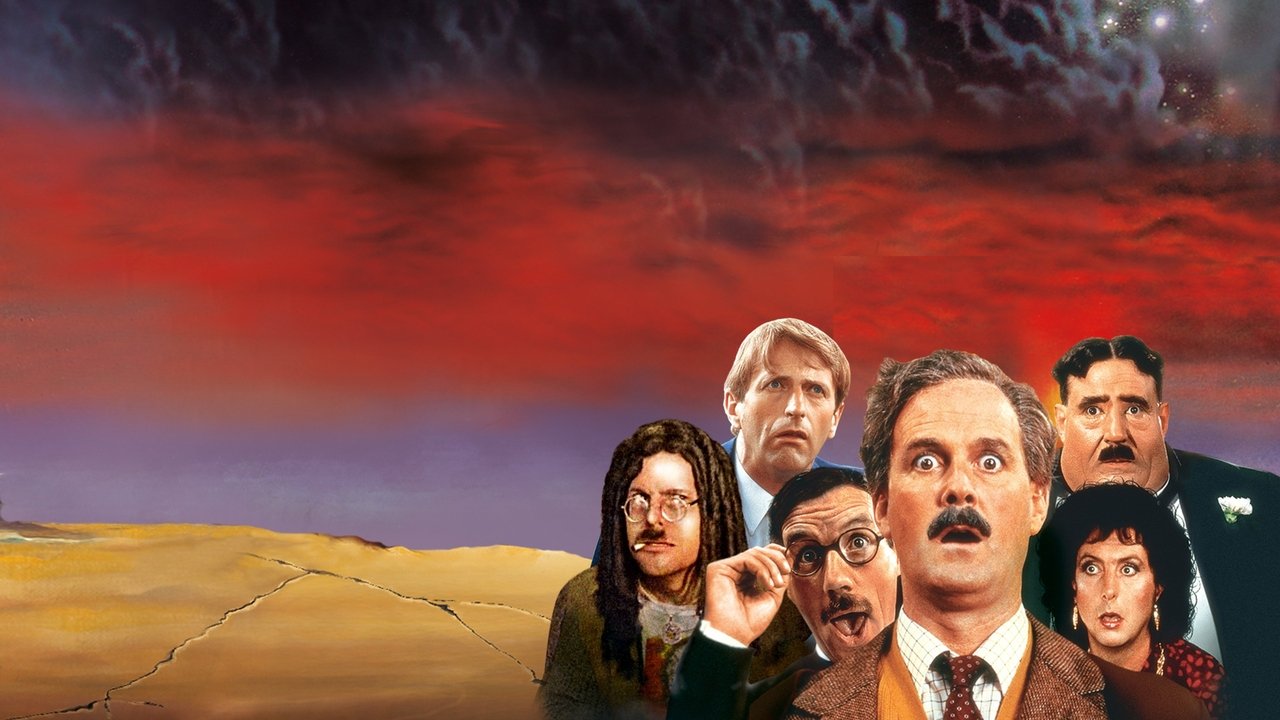
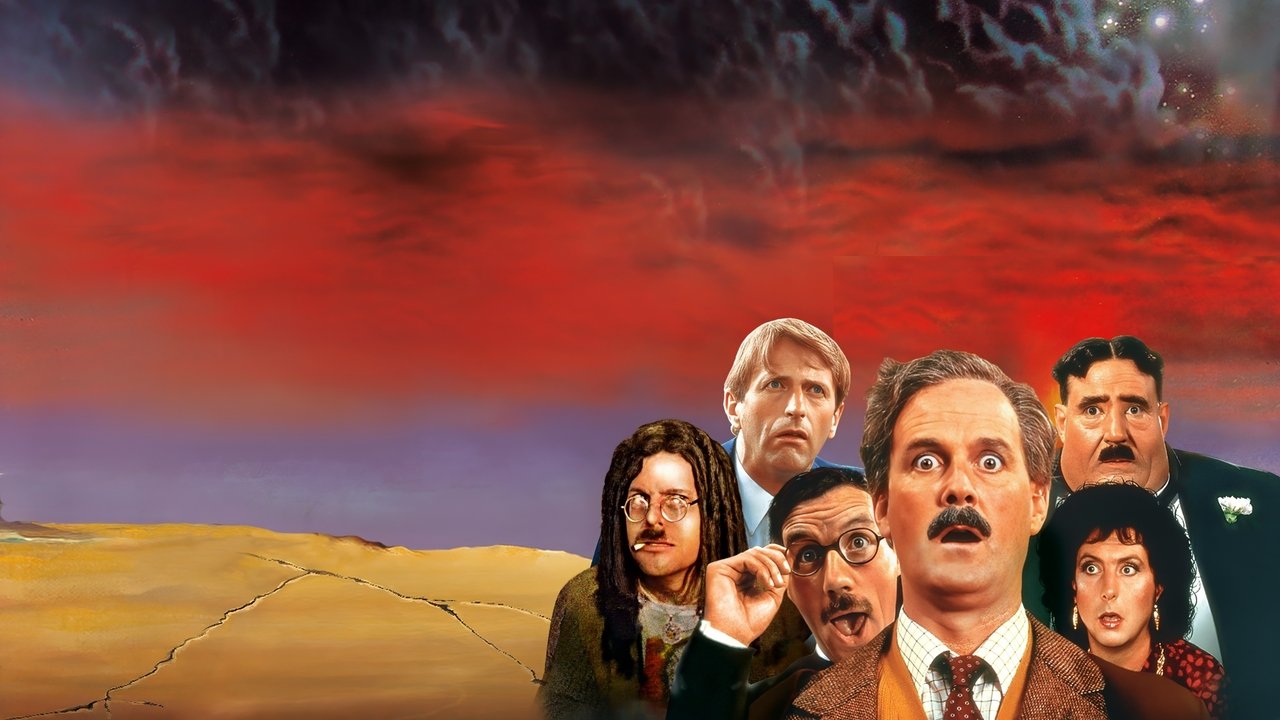
The core troupe – Graham Chapman, John Cleese, Terry Gilliam, Eric Idle, Terry Jones, and Michael Palin – are, as always, brilliant, slipping into dozens of roles with effortless absurdity. Cleese’s tightly-wound frustration, Idle’s cheeky musicality, Palin’s endearing everyman (often subjected to terrible fates), Chapman's authoritative absurdity, Jones’ knack for playing shrill women, and Gilliam’s brief, often grotesque, appearances – it’s the final cinematic showcase of their combined genius. They’d initially kicked around more structured ideas after Life of Brian, but legend has it they ultimately decided to just embrace their sketch roots, which feels both like a strength and the film's most divisive element.
### Audacity on a Budget
What always struck me, even watching this on a fuzzy CRT back in the day, was the sheer scale of some of these sketches. "Every Sperm Is Sacred" isn't just funny; it's a full-blown, rain-soaked musical number worthy of classic Hollywood, albeit with lyrics about contraception. The production reportedly spent a significant chunk of its $9 million budget on this sequence alone. Then there’s Gilliam's magnificent "Crimson Permanent Assurance" short – a piratical tale of elderly office clerks overthrowing their corporate masters. It’s so elaborate and visually stunning (those filing cabinet cannons!) that it almost feels like a separate movie tacked onto the beginning. Apparently, it was originally intended as just another animated link, but Gilliam's ambition ran away with it, turning it into a showpiece that perfectly sets the stage for the main feature's anarchic spirit.
And who could forget Mr. Creosote? That infamous restaurant scene remains one of cinema's most disgustingly hilarious moments. The sheer volume of… well, stuff… that erupts from the gluttonous patron (played brilliantly by Terry Jones) is a masterclass in practical effects gross-out. They reportedly used gallons of condensed minestrone soup mixed with other lovely ingredients, strategically deployed via hidden pipes. It’s messy, offensive, and utterly unforgettable – the kind of scene that probably had people hitting the eject button in horror, or rewinding in disbelief. It certainly caused a stir back then, contributing to the film's mixed reception; some critics lauded its intelligence and wit, while others found it indulgent and tasteless. Audiences, however, largely embraced the chaos, helping it gross a very respectable $43 million worldwide.
### More Than Just Jokes?
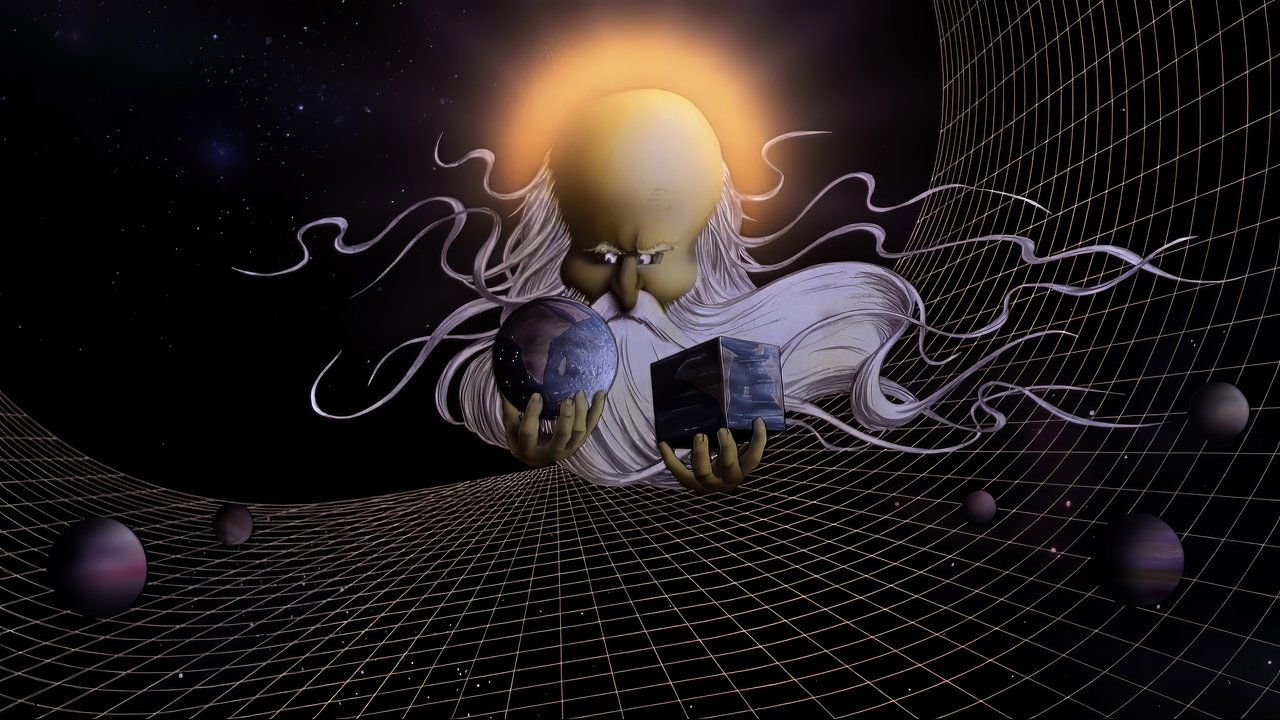
Beneath the slapstick, the songs, and the sheer Python silliness, The Meaning of Life does actually poke at profound themes. It skewers organized religion, militarism, corporate culture, the education system, and our often-farcical search for purpose. It doesn't offer easy answers – the eventual "meaning" delivered by Michael Palin's serene host is hilariously mundane – but it encourages questioning everything. Gilliam's animations, bridging the sketches, often provide the most surreal and sometimes genuinely unsettling commentary, reminding us of his unique visual genius also seen in films like Brazil (1985).
Watching it now, the film feels like a glorious time capsule. It’s free-wheeling, sometimes uneven, and utterly unapologetic in its desire to provoke thought and laughter (often simultaneously). Some sketches drag slightly, while others remain pinnacles of comedic writing and performance. It lacks the narrative cohesion of Holy Grail or the focused satire of Life of Brian, but its scattershot approach allows for incredible moments of brilliance that stand alone. Remember arguing with friends about which sketch was the funniest? That live organ transplant sequence, or maybe the existential dread of the fish in the tank?
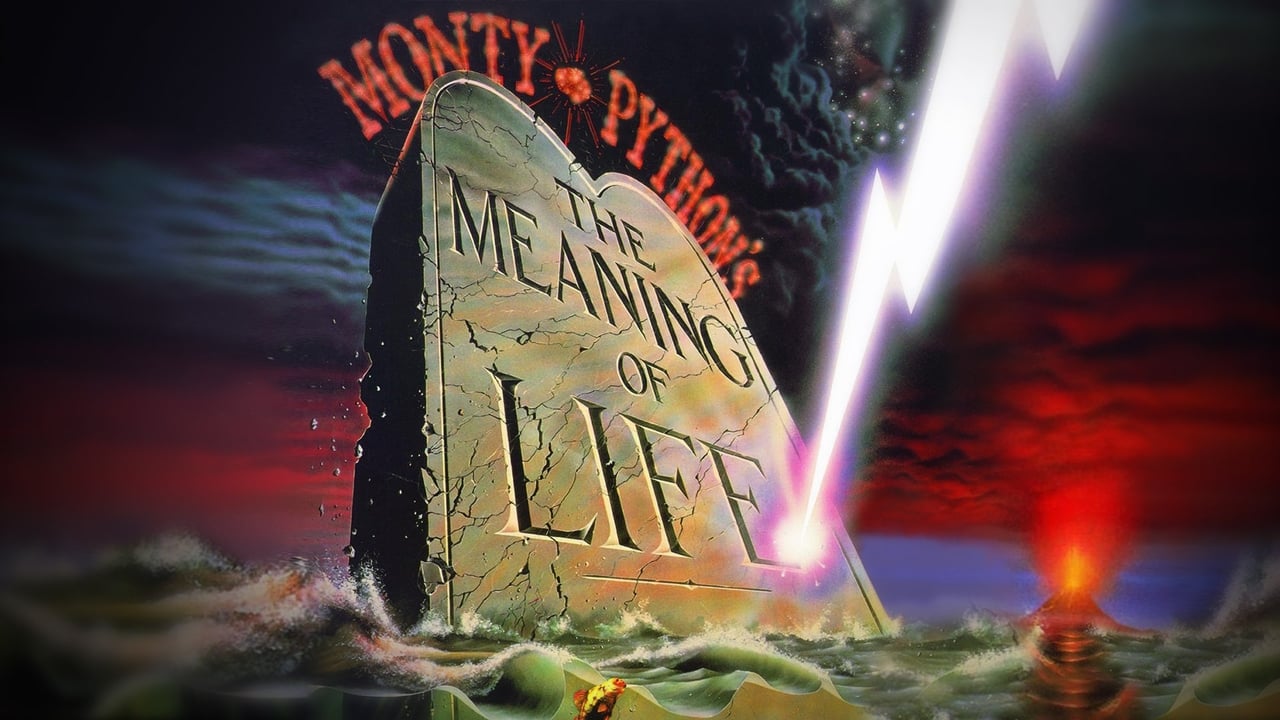
Rating: 8/10
Justification: While perhaps the least focused of the core Python films, The Meaning of Life is a treasure trove of iconic sketches, brilliant performances, and audacious filmmaking. Its ambition, particularly in sequences like "Every Sperm Is Sacred" and "The Crimson Permanent Assurance," is undeniable. The humor is razor-sharp, the satire bites deep, and the sheer, unadulterated Python spirit shines through its glorious, messy structure. It loses a couple of points for uneven pacing in places, but its highs are dizzyingly high.
Final Thought: It might not give you the meaning of life, but this VHS gem certainly proves that finding humor in the absurdity of it all is a damn good start. It's a chaotic, hilarious, and surprisingly thoughtful explosion from a bygone era of comedy – best enjoyed after a wafer-thin mint.