It starts with a simple, almost ludicrous premise, born of desperation and the enduring human need for something beyond the grim reality of war. Imagine soldiers, entrenched and starving during the Spanish Civil War, catching wind of a village fiesta just across the enemy lines – complete with a heifer destined for a celebratory feast. What follows in Luis García Berlanga’s 1985 tragicomedy, La Vaquilla (The Heifer), is a mission both profoundly foolish and deeply human: sneak across, steal the cow, and bring a taste of normalcy, of life, back to their own side. This central conceit, absurd on its surface, unlocks a film that lingers long after the credits roll, forcing a confrontation with the heartbreaking farce that war often becomes.
A Dream Deferred, A Nation Reflected
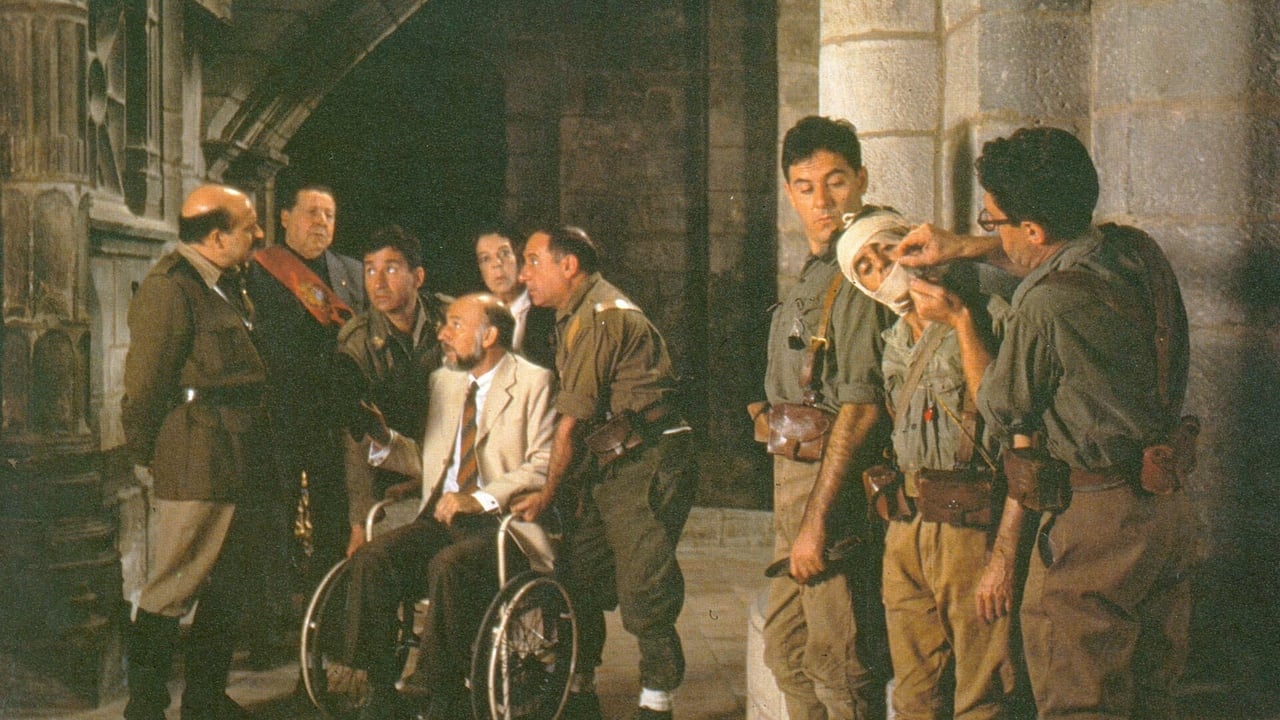
For those unfamiliar with Spanish cinema history, understanding La Vaquilla requires knowing its backstory. This wasn't just another film for Berlanga, the masterful satirist who gave us indelible classics like ¡Bienvenido, Mister Marshall! (1953) and the darkly funny El Verdugo (1963), often alongside his brilliant writing partner Rafael Azcona. He had nurtured the idea for La Vaquilla since the 1950s, but depicting the Civil War with such critical nuance – finding humour and shared humanity amidst the officially sanctioned narratives of heroism and division – was unthinkable under Franco's dictatorship. Its eventual arrival in 1985, a decade after Franco's death, felt less like a movie premiere and more like an exhalation, a vital piece of cultural memory finally allowed expression on a grand scale. It reportedly required a significant budget for Spanish cinema at the time (around 150 million pesetas, a hefty sum then), signifying its importance. Filmed largely in the arid landscapes of Aragón, the setting itself becomes a character, underscoring the harshness these men endure.
Humanity in the Trenches
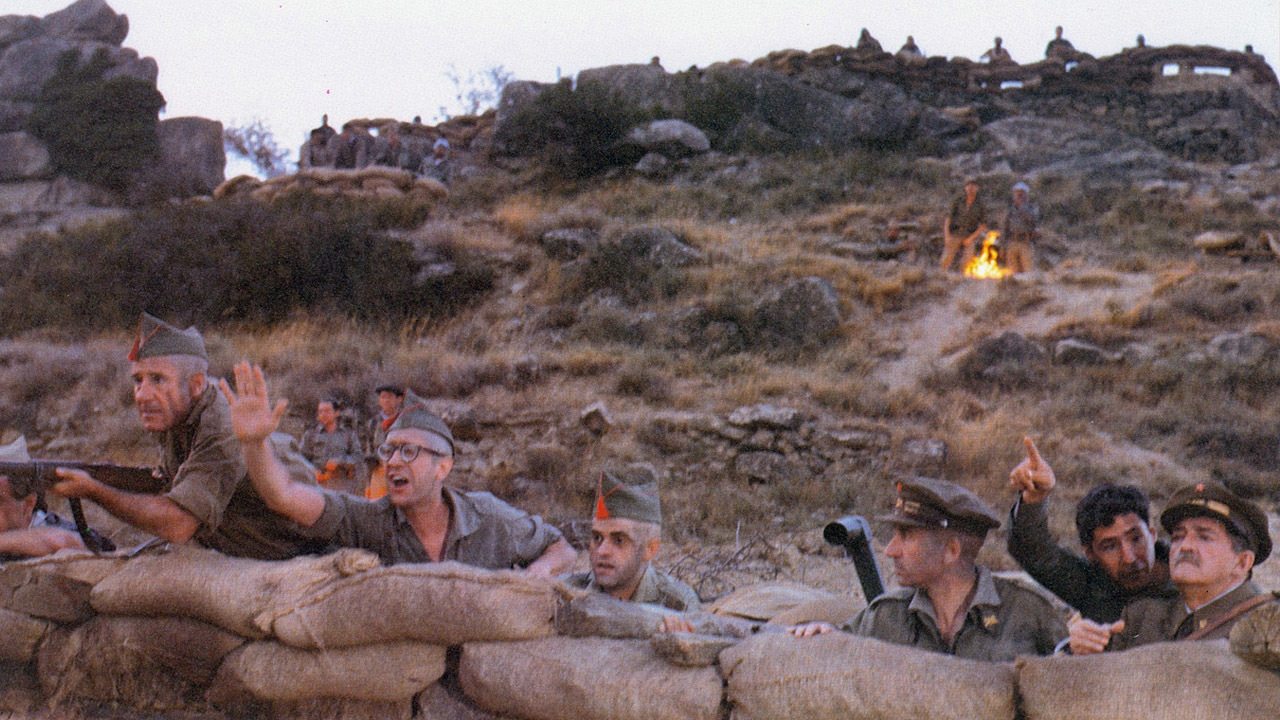
The film's power lies in its refusal to paint heroes or villains in broad strokes. Instead, it focuses on the bewildered, hungry, often inept individuals caught in the gears of conflict. Leading the motley crew tasked with the heifer heist is Castro, played by the legendary Alfredo Landa. Landa, whose name was once synonymous with a specific type of broad Spanish comedy (Landismo), showcases his remarkable range here, embodying the weary pragmatism and underlying decency of the common soldier. Alongside him, Guillermo Montesinos as Mariano and Santiago Ramos as Limeño provide distinct shades of desperation, camaraderie, and misplaced bravado. Their interactions, often laced with gallows humor, feel startlingly authentic. You see not just soldiers, but men – scared, opportunistic, loyal, and fundamentally yearning for the conflict to simply end. The mission itself, navigating minefields and enemy patrols for a cow, becomes a microcosm of the larger war's absurdity. Why risk death for this? Because hunger gnaws, because ritual matters, because maybe, just maybe, a shared feast offers a sliver of the life they've lost.
Beyond the Laughs: A Bite of Bitter Truth
While La Vaquilla generates genuine laughs from the sheer incompetence and situational chaos of the heifer mission, the humour is perpetually undercut by the ever-present threat of death and the profound sadness of their situation. Berlanga masterfully balances the comedic set pieces – the attempts to disguise themselves, the encounters with equally bewildered soldiers on the "other side" – with moments of stark reality. A sudden burst of gunfire, a glimpse of true poverty in the supposedly festive village, the realization that the enemy is just as human, just as trapped. The heifer itself transforms from a simple objective into a potent symbol: a symbol of sustenance, of the fiestas that punctuate Spanish life, perhaps even of Spain itself, being pulled and fought over by opposing forces who, deep down, might share more than they admit. Doesn't this absurd quest for a symbol of life amidst widespread death resonate with the strange rituals we cling to even in modern crises?
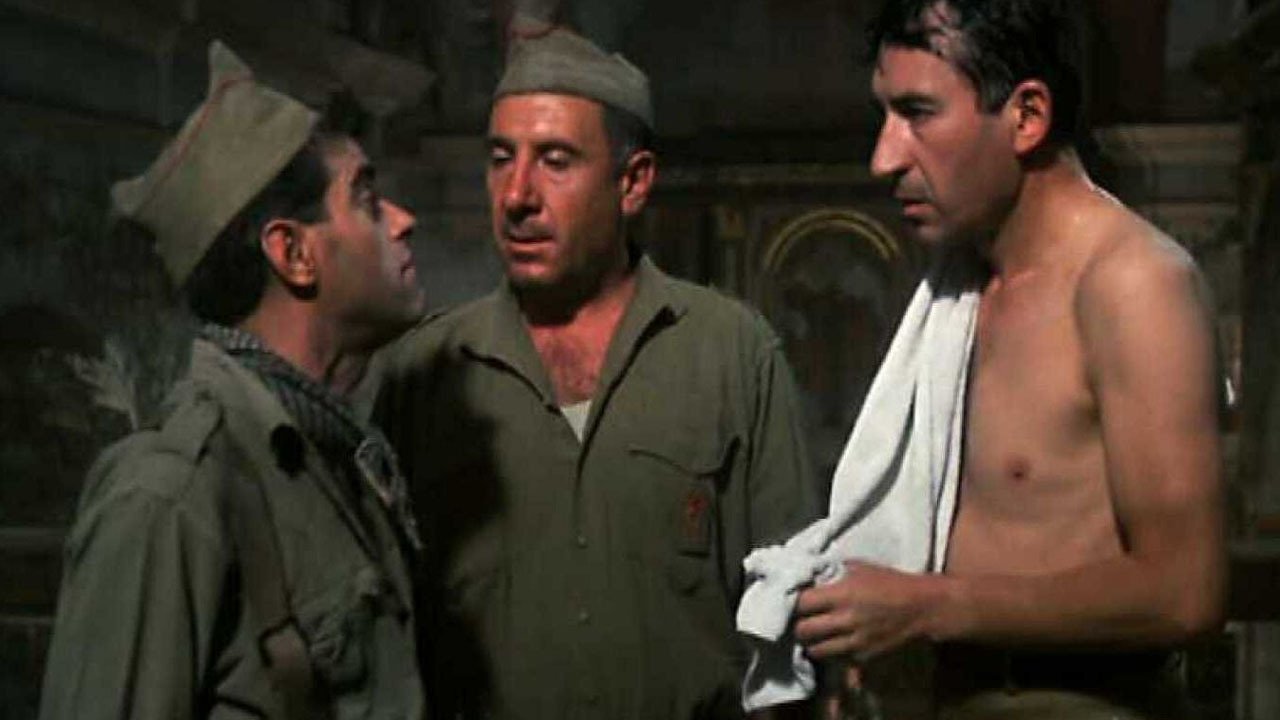
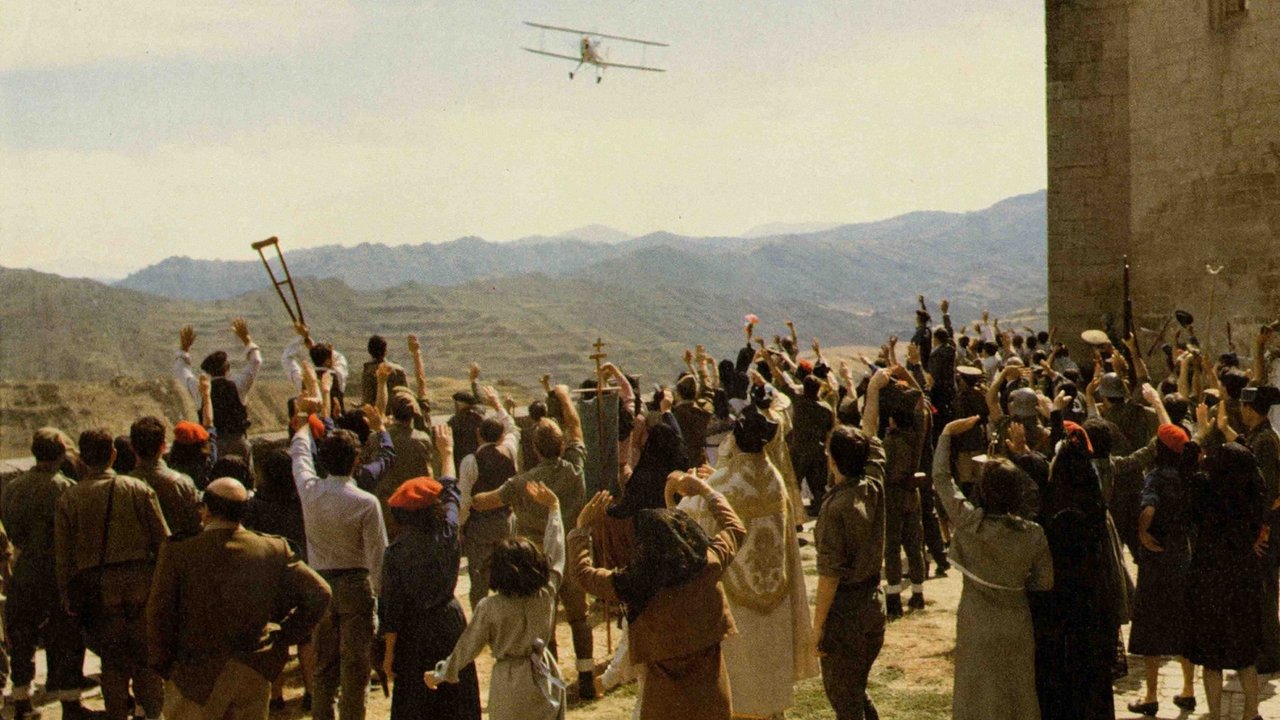
The film’s genius lies in making you laugh, then immediately catching your breath as you remember the context. There's a scene involving captured Nationalists forced to disguise themselves in Republican uniforms that perfectly encapsulates this tragicomic tightrope walk. It’s funny, yes, but also deeply unsettling, highlighting the arbitrary nature of the uniforms that dictate life and death. Berlanga isn’t mocking the soldiers; he’s mocking the war itself, exposing its inherent irrationality through their desperate, often clumsy actions.
Legacy on the Shelf
Finding La Vaquilla on VHS back in the day, perhaps tucked away in the foreign film section of a particularly well-stocked rental store, felt like uncovering a hidden treasure. It wasn't your typical 80s blockbuster fodder, but something richer, more complex. It’s a film that uses laughter not to escape reality, but to confront it head-on. It reminds us that even in the darkest of times, the human capacity for foolishness, resilience, and connection endures. It stands as a testament to Berlanga's unique voice and a crucial piece of Spanish filmmaking that dared to look back at a painful past with honesty, empathy, and a deeply ironic wit.
Rating: 9/10
This score reflects La Vaquilla's masterful blend of scathing satire and profound humanity. The performances are uniformly excellent, capturing the desperation and dark humour of the situation with unflinching authenticity. Berlanga's direction is assured, confidently navigating the tricky tonal shifts. Its historical significance as a film finally made after decades of censorship adds another layer of weight. While its specific Spanish Civil War context might require some initial framing for international audiences, the universal themes of war's absurdity and the endurance of the human spirit shine through brilliantly.
It leaves you pondering not just the specific tragedy of the Spanish Civil War, but the universal folly of conflict itself – how ordinary lives get tangled in extraordinary, often senseless, circumstances, sometimes with nothing but a stolen cow standing between starvation and a fleeting taste of life.