There are films that sneak up on you. They start with a familiar rhythm, perhaps a touch of melancholy comedy, the weariness of performers just trying to get by. And then, quietly, devastatingly, they reveal the abyss beneath the stage. Carlos Saura's Ay, Carmela! (1990) is precisely such a film, a stark reminder pulled from the shelves of the early 90s international cinema section of the video store – a section often promising different textures and deeper shadows than the Hollywood mainstream.
Troubadours in a Torn Land
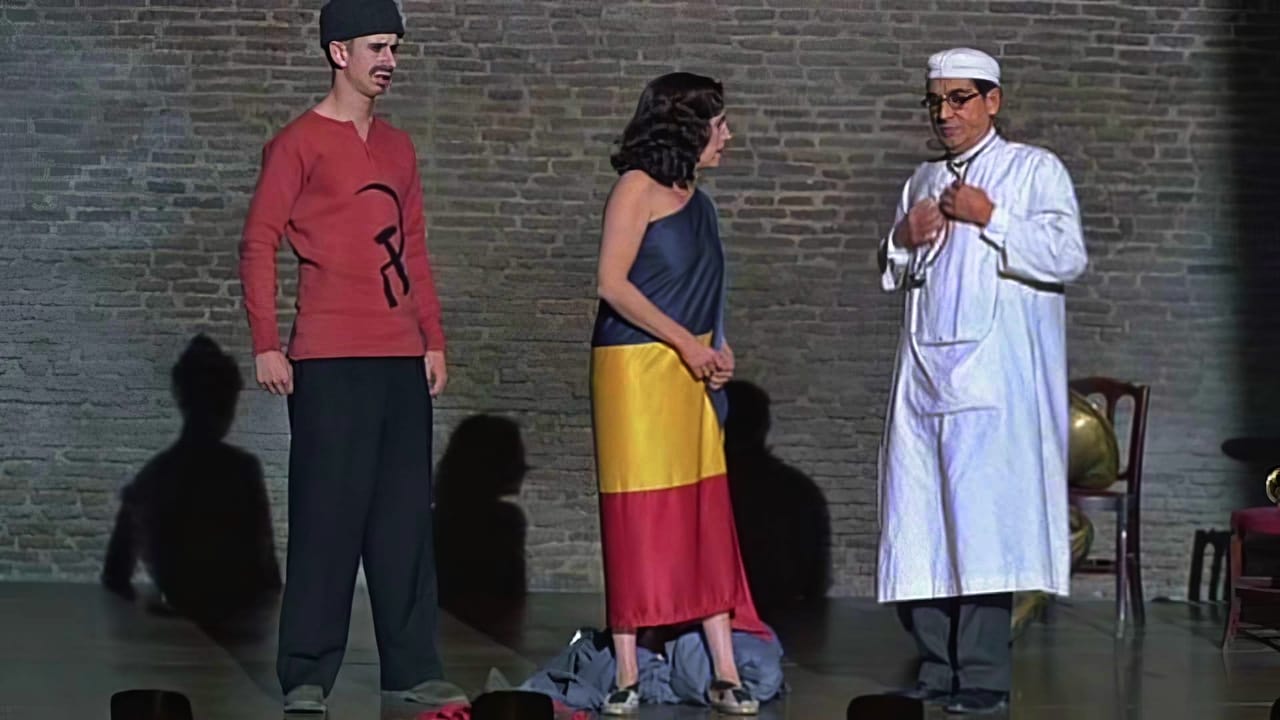
We meet Carmela (Carmen Maura), Paulino (Andrés Pajares), and the mute Gustavete (Gabino Diego) as itinerant entertainers navigating the treacherous landscape of the Spanish Civil War. They're Republican sympathisers, their act a somewhat threadbare mix of song, dance, and populist sentiment, designed to lift spirits on their side of the conflict. Their goal is simple: survive, maybe earn enough for a decent meal, and head towards Valencia. But war, as it does, disrupts even the most modest plans. A wrong turn lands them squarely in Nationalist territory, captured and facing a grim fate unless they agree to perform for their captors – a performance that fundamentally betrays their beliefs and, more dangerously, Carmela's fiery spirit.
What unfolds is less a war epic and more an intimate, heartbreaking study of compromised survival. Saura, a master of Spanish cinema known for works ranging from the haunting Cría Cuervos (1976) to visually stunning flamenco films, uses the confined setting of a theatre repurposed by Nationalist forces to amplify the tension. The stage becomes a crucible, a place where the lines between performance, coercion, and defiance blur.
The Unforgettable Carmela
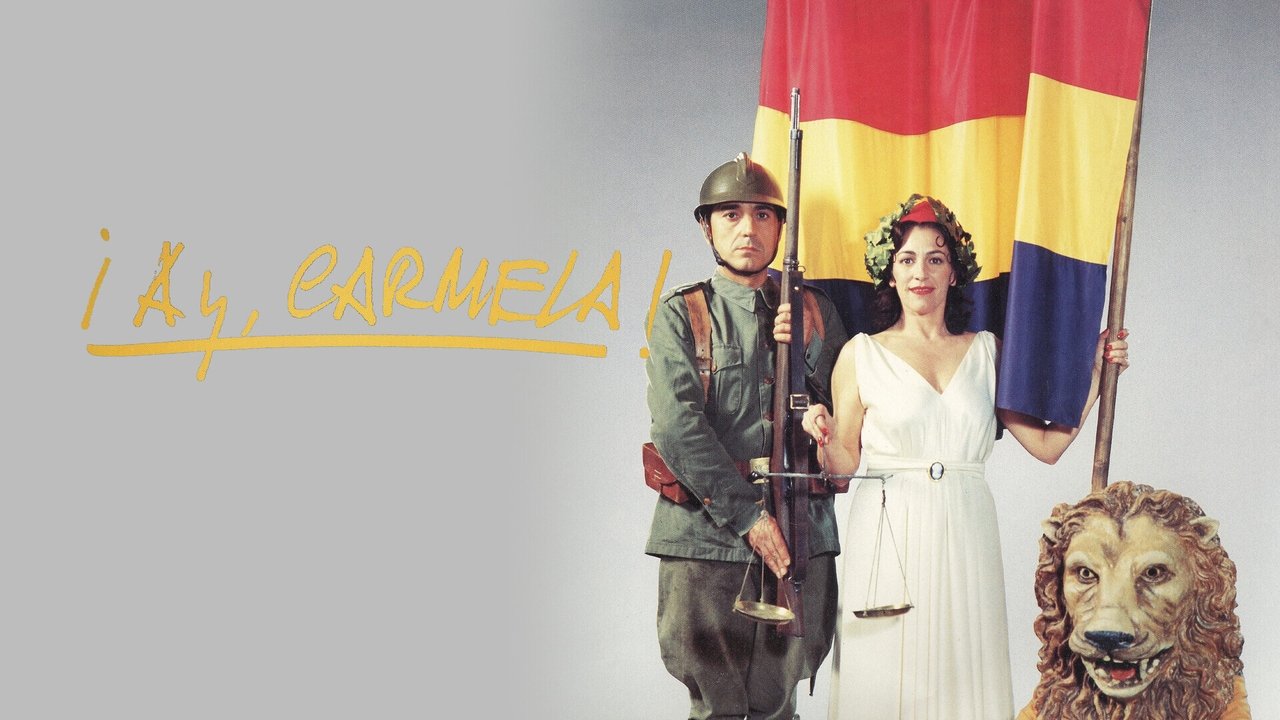
At the heart of it all burns the incandescent Carmen Maura. Already an international star thanks to her collaborations with Pedro Almodóvar (like Women on the Verge of a Nervous Breakdown, 1988), Maura delivers a career-defining performance as Carmela. She is earthy, resilient, vulgar, and possessed of an unshakable, almost naive, integrity. Her refusal to simply go along, her instinctive empathy for the condemned international prisoners forced to watch their humiliating show, is the film's soul. You see the conflict raging within her – the performer's instinct to please warring with the human being's disgust at the situation. It’s a performance devoid of vanity, raw and profoundly moving. Why does her stand feel so powerful? Perhaps because it speaks to that part of us that hopes, even in the face of overwhelming power, we wouldn't completely break.
Comedy Born of Desperation
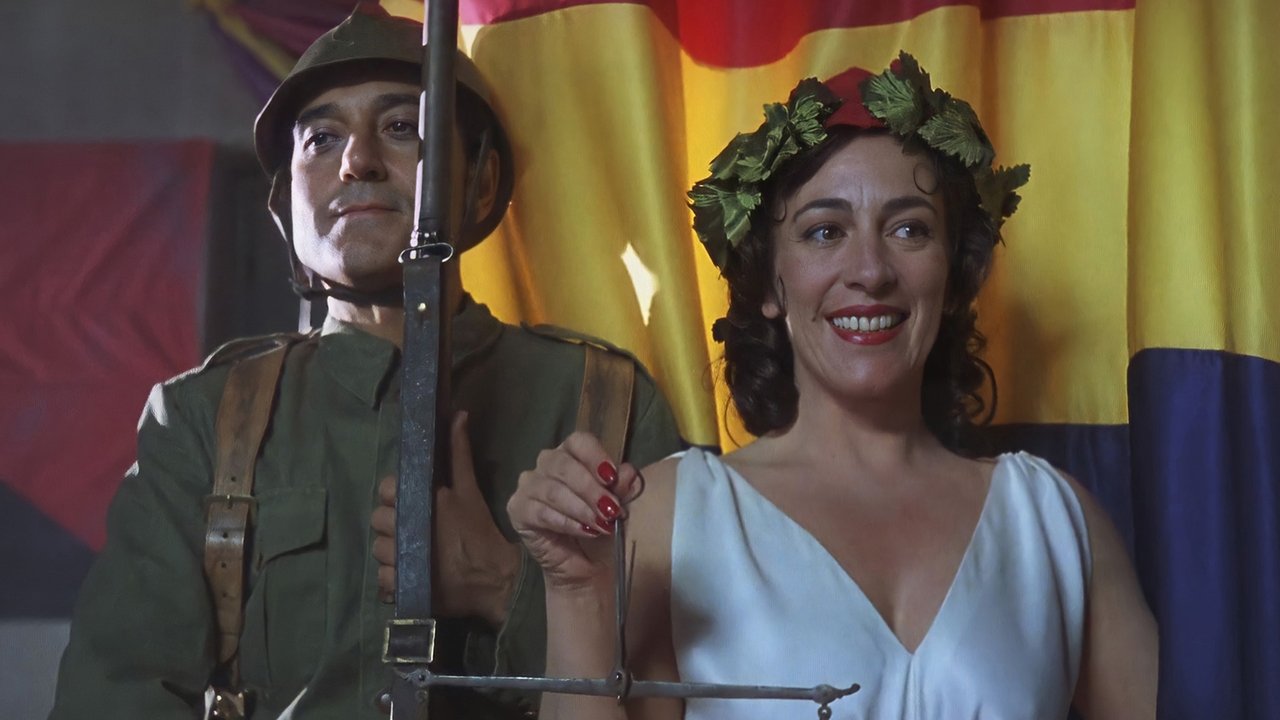
Counterpointing Maura's fierce dignity is Andrés Pajares as Paulino. Pajares was largely known in Spain for broad comedies, making his casting here inspired. Paulino is the pragmatist, the survivor willing to bend, to compromise, to swallow his pride if it means living another day. His attempts to placate their captors, to navigate the treacherous demands of the Italian lieutenant Ripamonte (an effectively smarmy Maurizio Di Razza), provide moments of dark, uncomfortable humor. It's the comedy of terror, the frantic tap-dancing of a man desperate to avoid the executioner's bullet. Pajares masterfully conveys Paulino's fear, his waning self-respect, and his deep, complex love for Carmela. Gabino Diego, as the selectively mute Gustavete, offers a poignant, observant presence, his silence often speaking volumes about the surrounding madness.
Behind the Curtain
Based on the acclaimed play by José Sanchis Sinisterra, the film adaptation, co-written by Saura and the legendary Rafael Azcona, retains a potent theatricality. The claustrophobia of their situation feels palpable. It’s worth remembering this film swept the Goya Awards (Spain's Oscars) in 1991, winning a record 13 awards, including Best Film, Director, Actor, and Actress – a testament to its immediate impact in Spain, where the Civil War's legacy still resonated deeply. It reportedly cost around 300 million pesetas (roughly $2.5 million USD then, maybe closer to $5-6 million today adjusted for inflation), a significant budget for Spanish cinema at the time, and its success was a major cultural event. The title itself, "Ay, Carmela!", refers to a famous Republican folk song, adding another layer of poignant irony to the performers' plight.
The film doesn't shy away from the ugliness of the conflict, but its power lies in its focus on the individuals caught within it. What happens to art, to laughter, to love, when ideology demands absolute conformity? Saura forces us to confront the terrible choices people make under duress. There’s a scene involving the Republican flag that is simply devastating in its implications, highlighting Carmela's breaking point and the ultimate cost of defiance.
The Lingering Echo
Ay, Carmela! isn't a feel-good movie, nor is it easily forgotten. It’s a film that gets under your skin, prompting reflection long after the VCR whirred to a stop (or, nowadays, the stream ends). It asks profound questions about courage, compromise, and the enduring power of the human spirit even when faced with the most dehumanizing circumstances. Watching it again reminds me of the unique discoveries the video store era offered – stumbling upon a foreign film that offered not just entertainment, but a window into history and the human heart, conveyed with unforgettable performances.
Rating: 9/10
Justification: Ay, Carmela! is a masterful blend of tragicomedy, historical drama, and character study. Anchored by truly exceptional performances, particularly from Carmen Maura, and helmed with sensitivity and artistic flair by Carlos Saura, it tackles profound themes with emotional honesty. The slight deduction accounts perhaps only for the fact that its specific historical context might require some initial orientation for viewers unfamiliar with the Spanish Civil War, though the human drama transcends this.
Final Thought: A film that reminds us that even in the darkest times, the refusal to betray one's core humanity can be the most potent, and sometimes tragic, act of resistance. A true gem from the era of international cinema discovery on VHS.