Okay, pull up a chair, maybe pour yourself something comforting. We're revisiting a film that feels less like a typical late-90s release and more like stepping into a sun-drenched, slightly faded, yet deeply personal photograph album: Franco Zeffirelli's Tea with Mussolini (1999). This wasn't the kind of movie grabbing headlines alongside the burgeoning digital effects extravaganzas of the era; instead, it offered something quieter, richer, and steeped in a very specific kind of history – the director's own.
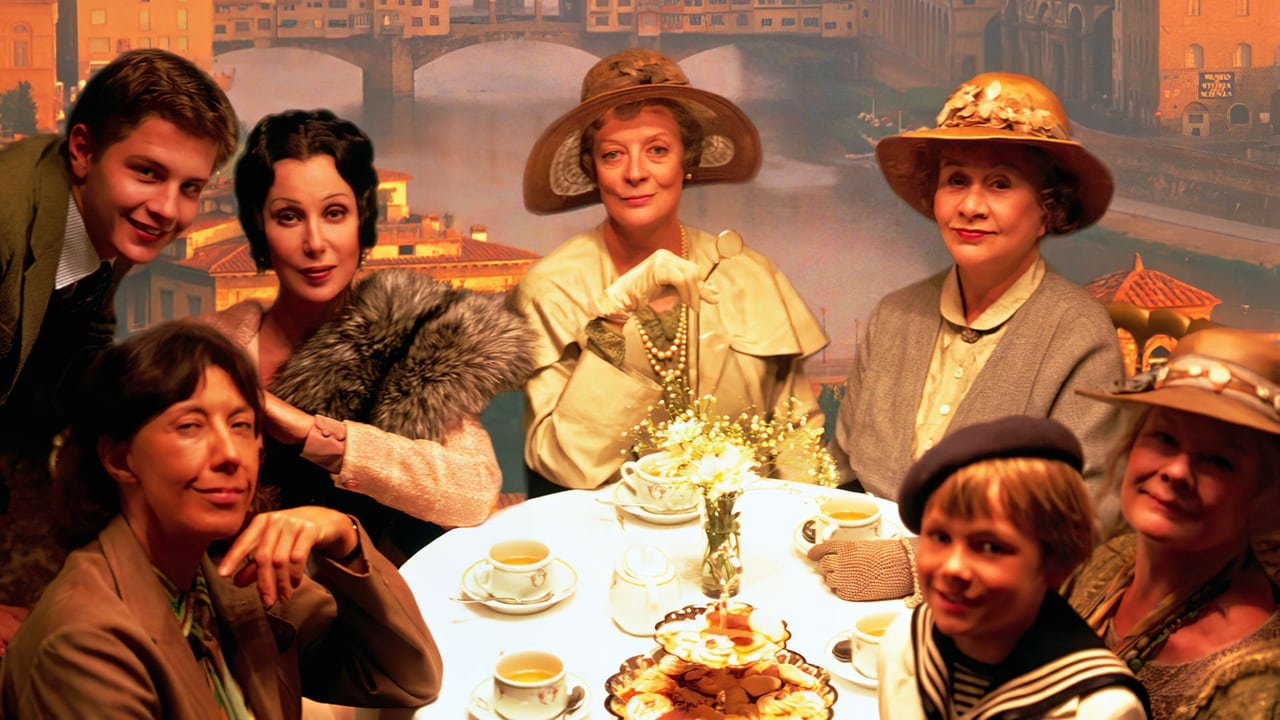
For many of us browsing the 'New Releases' wall at Blockbuster back then, its stately cover, featuring that powerhouse cast of legendary actresses, might have seemed like an offering for a different generation. Yet, watching it again now, there's a warmth and a poignant quality that resonates, perhaps even more deeply with the passage of time. It speaks to memory, resilience, and the peculiar ways lives intertwine against the backdrop of monumental change.
Florence Under a Gathering Storm
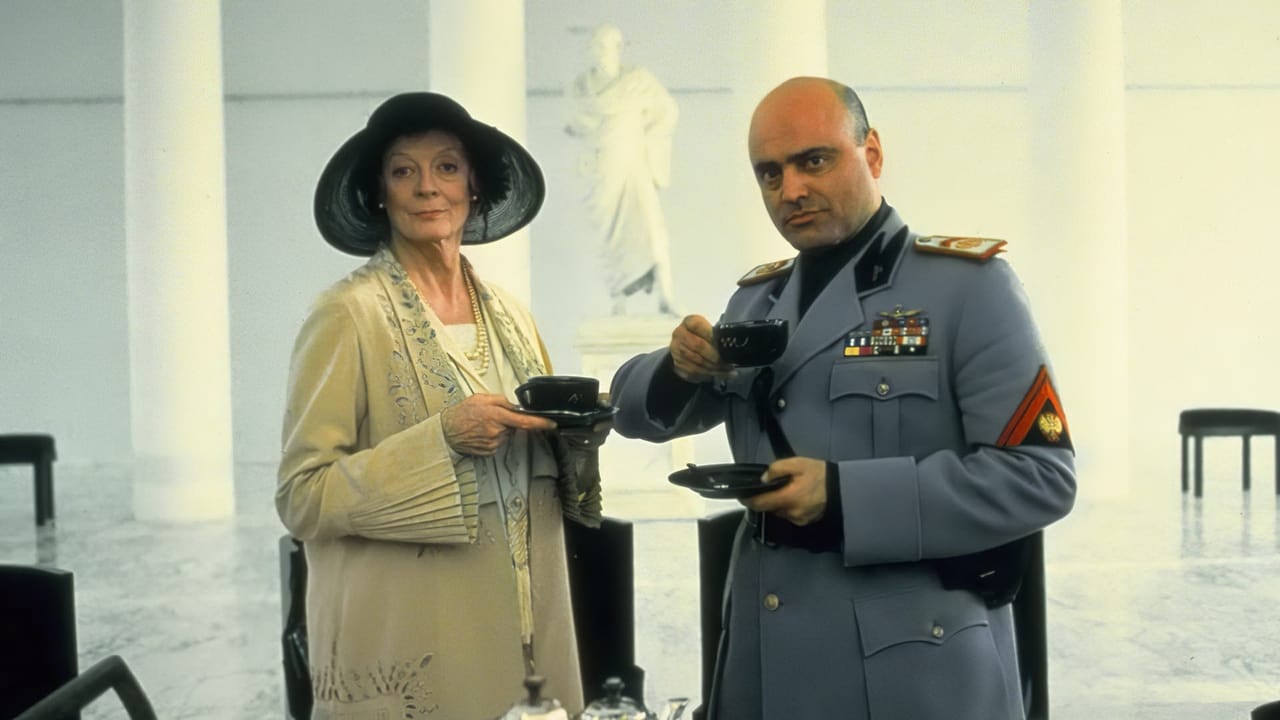
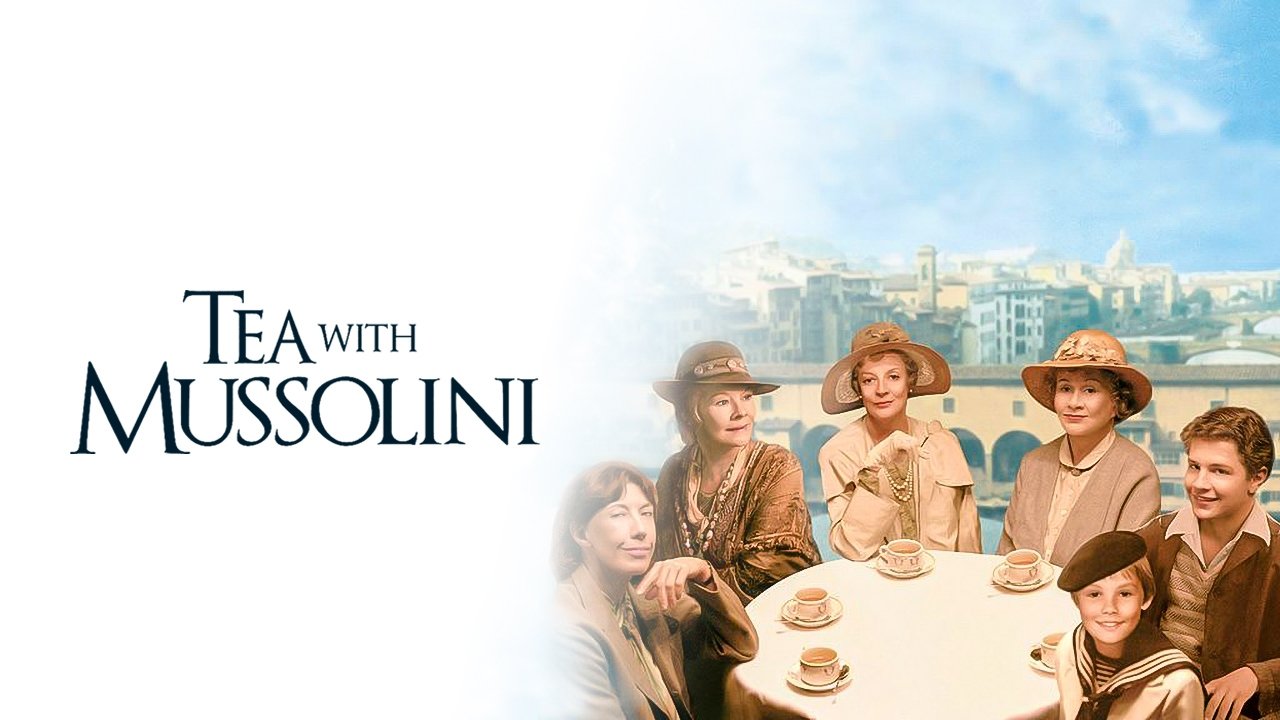
The film transports us to Florence in the 1930s, a haven for a group of cultured, upper-crust British and American expatriate women, affectionately (or perhaps mockingly) nicknamed the "Scorpioni." Led by the formidable Lady Hester Random (Maggie Smith, in reliably imperious form), they include the eccentric artist Arabella (Judi Dench), the gentle Mary Wallace (Joan Plowright), and the pragmatic American archaeologist Georgie Rockwell (Lily Tomlin). They live lives dedicated to art, tea, and maintaining British decorum, initially quite insulated from the rising tide of Mussolini's Fascism. Their world revolves around galleries like the Uffizi and afternoon gatherings, seemingly protected by Lady Hester's misguided belief in a personal guarantee of safety from Il Duce himself.
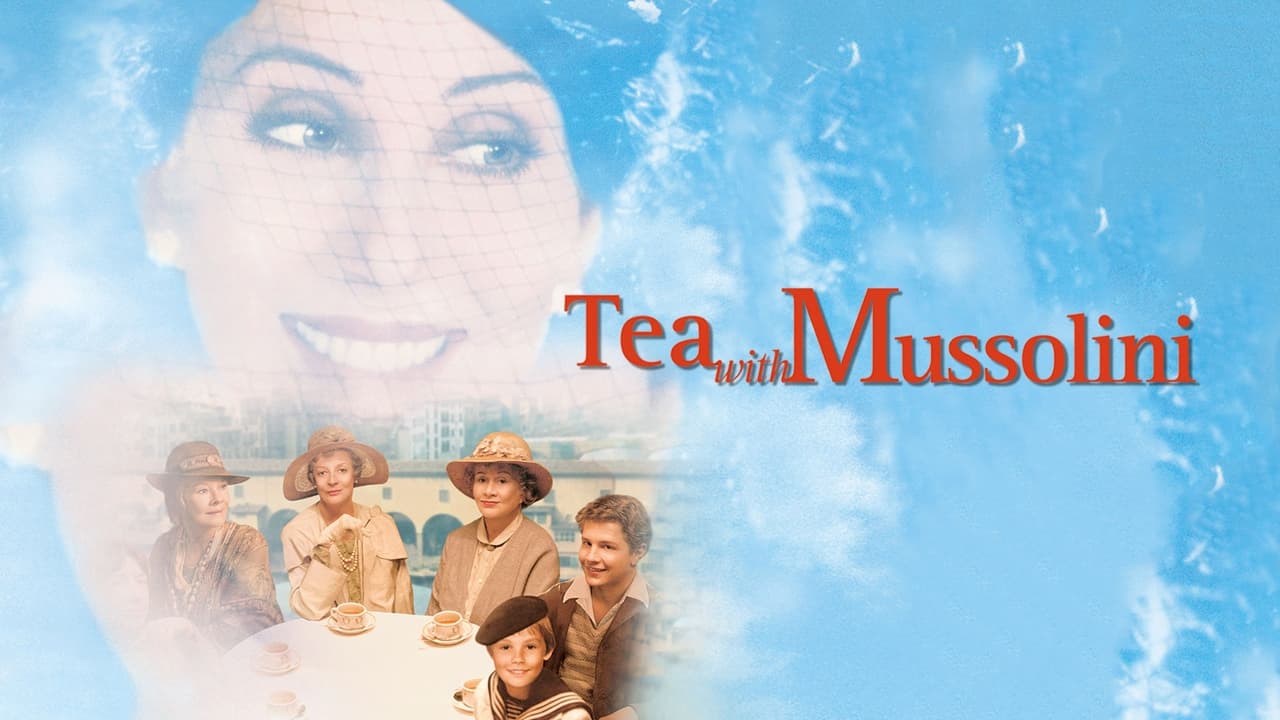
Into this circle comes Luca Innocenti (played as a boy by Charlie Lucas and later by Baird Wallace), the illegitimate son of a local businessman. His mother has died, and his father shows little interest, leaving the boy in the care of Mary. Luca becomes the quiet observer, the lens through which we see the Scorpioni navigate their elegant, increasingly precarious existence. The film itself is a thinly veiled autobiography; Luca is essentially the young Franco Zeffirelli, whose own mother died when he was young, leading to him being informally cared for by a circle of English expatriate women in Florence, supported financially by his father's inheritance. Knowing this connection adds a profound layer of sincerity to the narrative; it’s not just a story being told, but a life being remembered.
A Constellation of Grande Dames (and Cher!)
What truly elevates Tea with Mussolini is, unsurprisingly, the cast. Witnessing Maggie Smith, Judi Dench, and Joan Plowright share the screen is a masterclass in subtle character work and effortless chemistry. Smith delivers Lady Hester’s snobbery and fierce denial with devastating precision, while Dench imbues Arabella with a flighty artistic passion that masks a deep well of feeling. Plowright, as Mary, provides the film’s gentle heart, her quiet compassion anchoring the group. Lily Tomlin’s Georgie offers a welcome dose of American pragmatism and sharp observation.
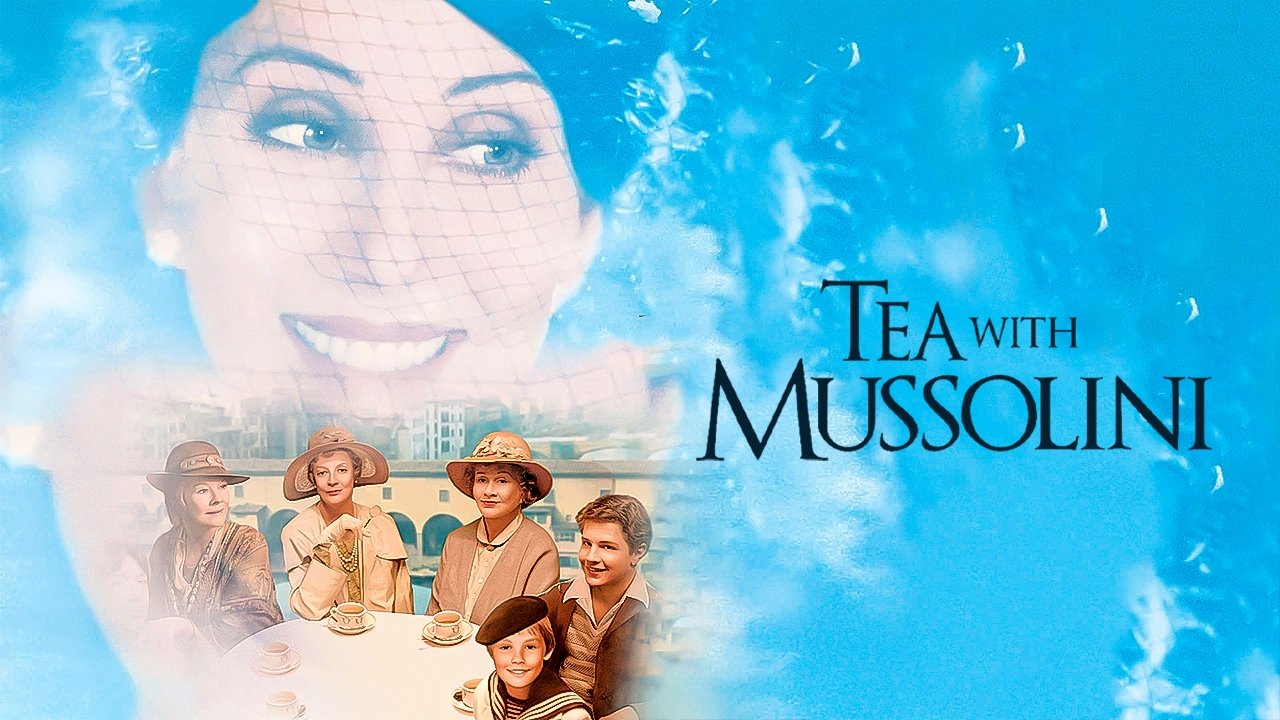
And then there's Cher. As Elsa Morganthal Strauss-Armistan, a wealthy, flamboyant American Jewish former showgirl, her arrival injects a different kind of energy. Initially looked down upon by the more staid Scorpioni for her perceived vulgarity and extravagance, Elsa proves to possess not only immense generosity (she becomes a crucial benefactor for Luca) but also a clearer understanding of the dangers brewing than Lady Hester is willing to admit. Zeffirelli reportedly had to champion her casting against some resistance, feeling she embodied the necessary combination of glamour, strength, and outsider status. It pays off wonderfully; Cher holds her own amidst the theatrical royalty, bringing a warmth and worldly wisdom that complements the ensemble perfectly. Her interactions with the young Luca, nurturing his artistic sensibilities, feel particularly genuine, perhaps echoing Zeffirelli's own patrons.
A Director's Ode to Art and Survival
Franco Zeffirelli, known for lavish productions like Romeo and Juliet (1968) and the monumental miniseries Jesus of Nazareth (1977), brings his signature eye for beauty and period detail to the film. Florence isn't just a backdrop; it's practically a character. The cinematography lovingly captures the city's art and architecture, highlighting the cultural treasures the Scorpioni adore and which stand in stark contrast to the encroaching Fascist regime. There's a palpable sense of love for this city and its heritage woven into the film's fabric.
The screenplay, co-written by Zeffirelli with John Mortimer (creator of Rumpole of the Bailey), gracefully balances the personal story of Luca's upbringing with the larger historical narrative. It explores themes of cultural clash, the blindness of privilege, the unexpected forms family can take, and ultimately, the endurance of the human spirit – and art – even in the face of brutality. We see the initial denial give way to harsh reality as the women, once protected by their foreign status, find themselves declared enemy aliens after Britain declares war on Italy. Their internment, orchestrated with a chilling bureaucratic indifference, forms the film's dramatic core.
One fascinating detail is how the film portrays the women's efforts to protect Florentine frescoes and architecture from potential damage during the conflict, sometimes using their own funds or connections. This wasn't mere invention; Zeffirelli himself, after being looked after by these women, eventually joined the Italian resistance and later served as an interpreter for the British army (the 1st Scots Guards), experiences mirrored in the older Luca's storyline. The film is a tribute not just to the women who raised him, but to the spirit of defiance and the fight to preserve beauty amidst ugliness.
Reflections After the Credits Roll
Watching Tea with Mussolini today, perhaps on a DVD dug out from the back of a shelf, feels like a comforting visit with old friends. It’s a film made with palpable affection, a gentle pacing that allows characters and moments to breathe, something increasingly rare. While its sentimentality might feel pronounced to modern eyes, it feels earned, stemming directly from the director's lived experience. It doesn't shy away from the harshness of the era, but its focus remains resolutely on the bonds of unconventional family and the quiet heroism found in dignity and cultural preservation.
It cost around $12 million to make and brought in roughly $45 million worldwide – a respectable return that proved there was still an audience for thoughtful, character-driven period dramas even as the millennium approached. Did it change the cinematic landscape? Likely not. But does it offer a moving, beautifully acted, and deeply personal story that lingers? Absolutely.
Rating: 8/10
This score reflects the powerhouse ensemble cast firing on all cylinders, the gorgeous cinematography capturing Florence's soul, and the poignant authenticity derived from Zeffirelli's own life story. While its pace is measured and its tone occasionally dips into sentimentality, the film's sincerity and the sheer joy of watching these legendary actresses interact make it a deeply rewarding experience.
It leaves you pondering the nature of belonging, the resilience required to face down intolerance, and the enduring power of art – and a good cup of tea – shared in the company of formidable women. A gentle gem from the end of the VHS era, well worth revisiting.