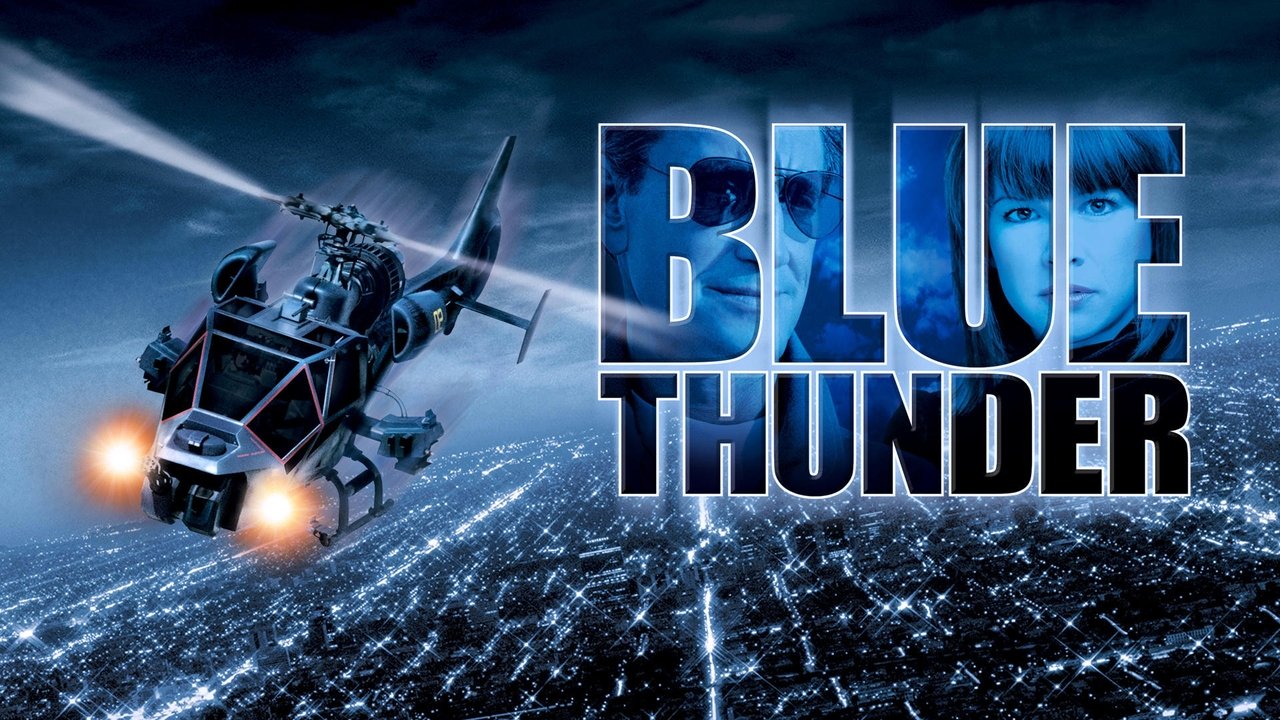
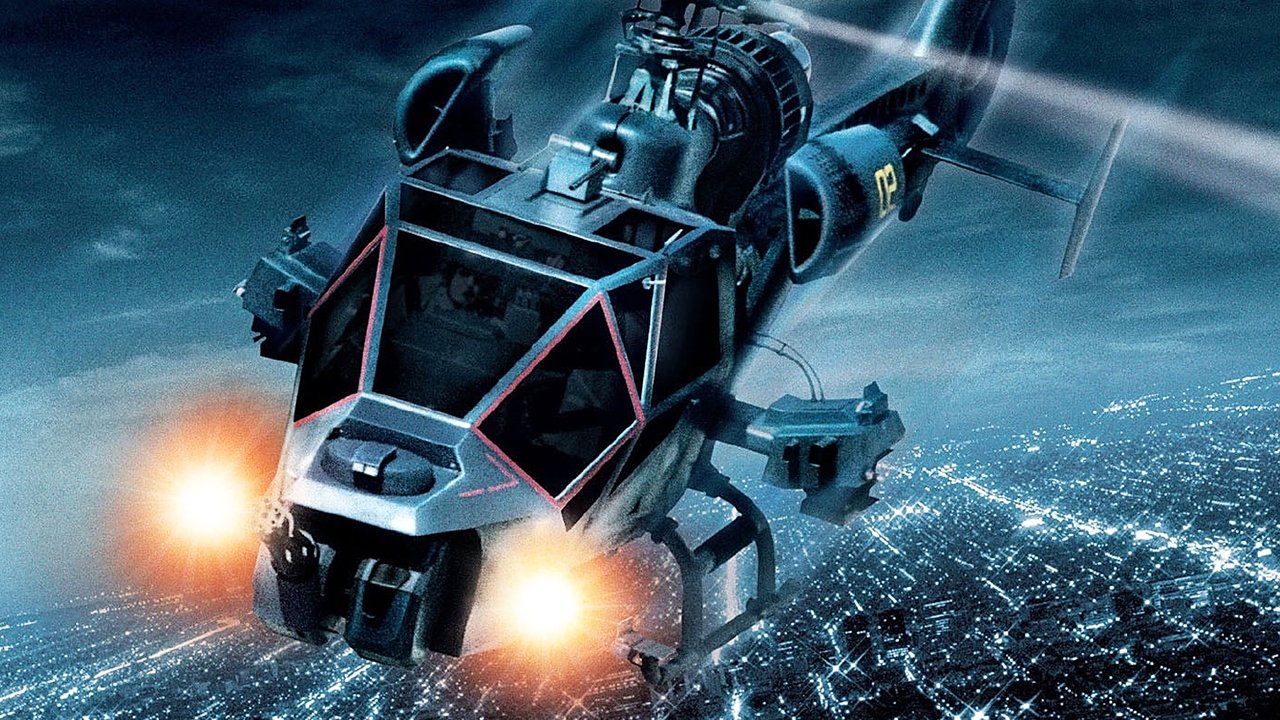
The whispers started long before the rotors turned. Whispers of a new kind of eye in the sky, one that didn't just watch, but listened, recorded, judged. Blue Thunder wasn't just the name of a helicopter; it was the sound of paranoia given form, a sleek, weaponized harbinger of the surveillance state humming menacingly over the neon-streaked streets of 1980s Los Angeles. Even now, pulling that worn VHS sleeve from the shelf, the silhouette of that machine evokes a specific kind of Cold War chill, a technological dread that felt disturbingly plausible.
The Angel of Death with Rotors
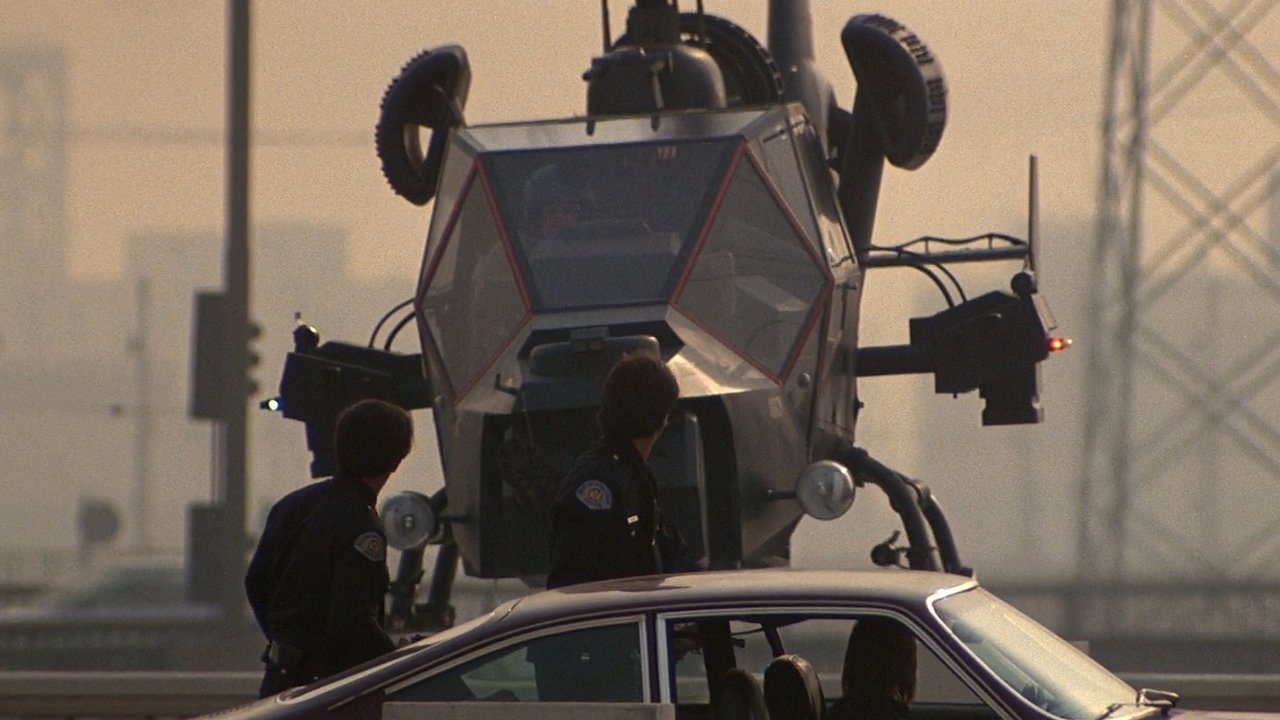
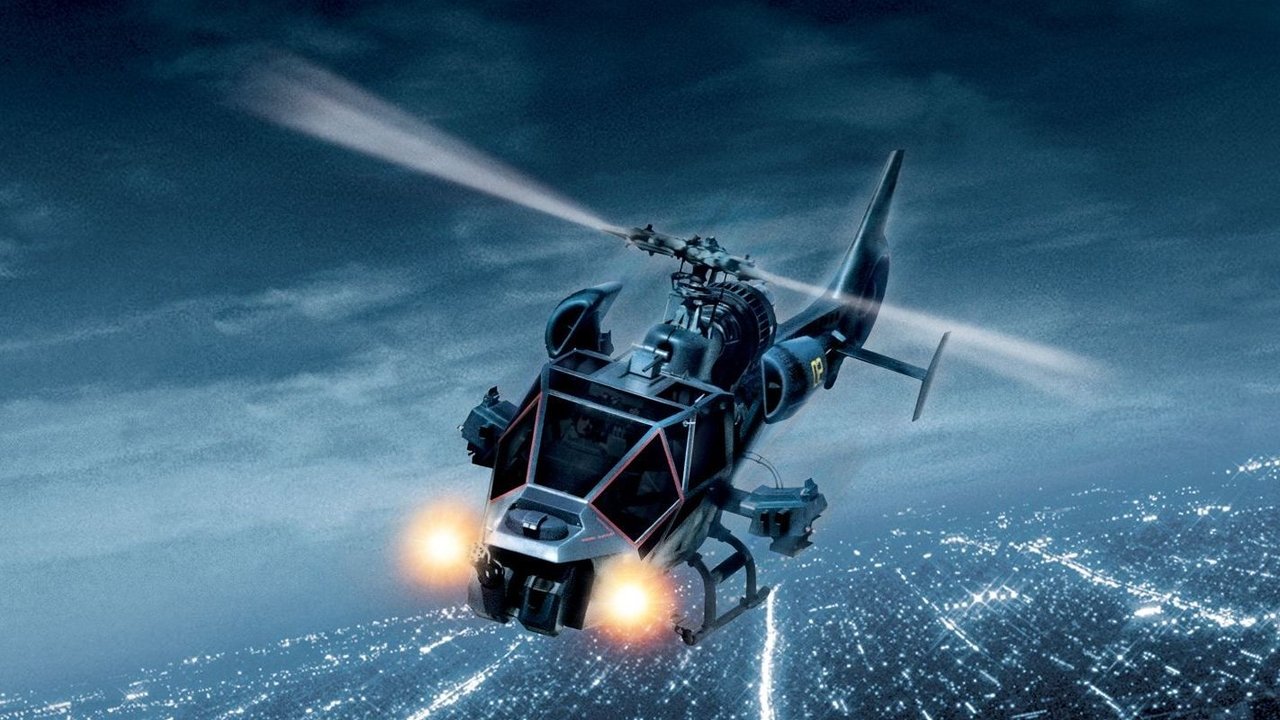
At the heart of this 1983 techno-thriller is the titular machine: a heavily modified French Aérospatiale Gazelle helicopter, transformed into an urban counter-insurgency weapon packing terrifying firepower and unprecedented surveillance gear. Its 'whisper mode' alone, allowing near-silent operation, felt like something ripped from a dystopian nightmare. Director John Badham, who'd already proven his knack for tension with Saturday Night Fever (1977) and WarGames (released the same year!), crafts the Blue Thunder helicopter not just as hardware, but as a character – brooding, powerful, and deeply unsettling. The production team reportedly spent around $2 million (a chunk of the film's hefty $22 million budget, roughly $67 million today) just modifying the two Gazelles used for filming, showcasing a commitment to practical effects that gives the machine a tangible, threatening presence pixels could never replicate. Remember seeing those thermal imaging sequences for the first time on your flickering CRT? Didn't they feel chillingly futuristic?
Scheider in the Crosshairs
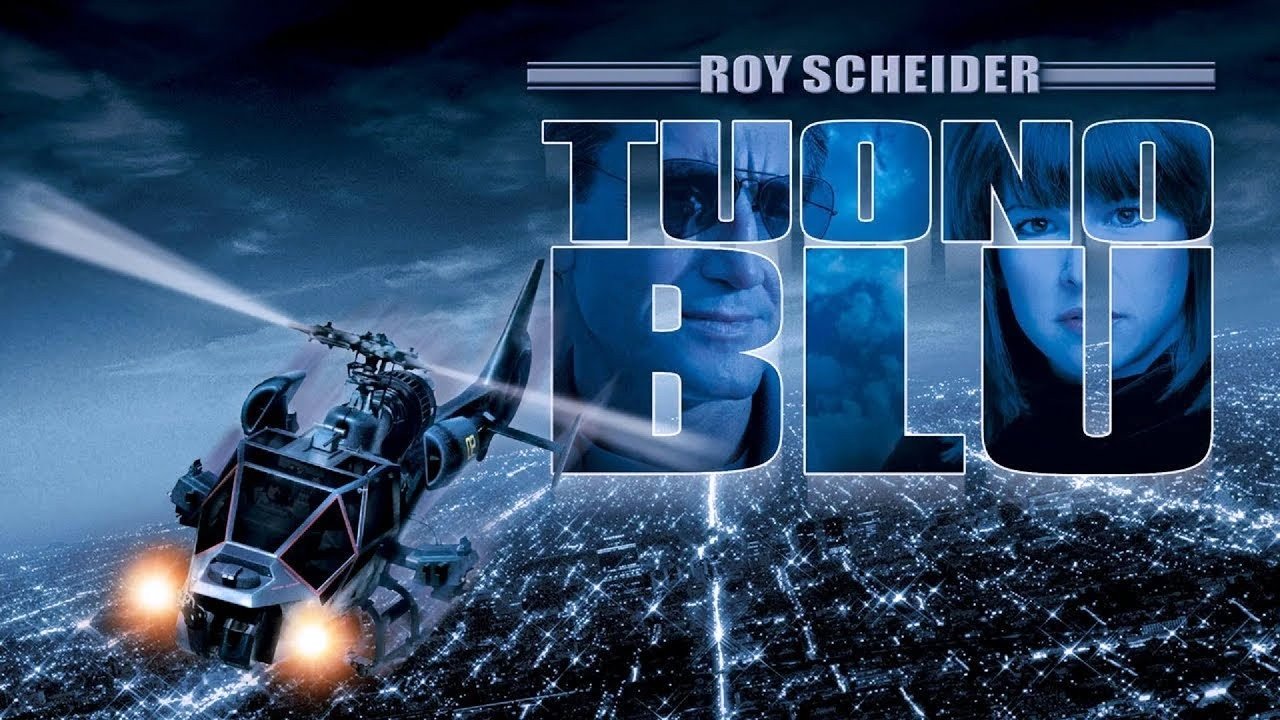
Into the cockpit steps Frank Murphy, played with weary integrity by the great Roy Scheider. Fresh off battling a giant shark in Jaws (1975) and Jaws 2 (1978), Scheider grounds the film's high-concept premise. Murphy is a troubled LAPD pilot, haunted by Vietnam flashbacks (a recurring theme handled with surprising sensitivity for the era), who gets assigned to test the cutting-edge Blue Thunder. He's initially awed by its capabilities, but unease quickly mounts as he uncovers the sinister political conspiracy behind its deployment, orchestrated by the ruthless Colonel Cochrane (Malcolm McDowell, radiating his trademark icy menace). Scheider’s performance is key; his growing suspicion and eventual rebellion feel earned, making the audience complicit in his desperate fight against a system weaponizing technology against its own citizens. Supporting him are Warren Oates in one of his final roles as Murphy's crusty, old-school mentor "JAFO" (Just Another F***ing Observer - a term Oates reportedly improvised!), and Candy Clark as Murphy's resourceful girlfriend Kate.
Aerial Combat Over LA
Where Blue Thunder truly soared, and likely remains etched in the memory of anyone who rented this tape back in the day, is its groundbreaking aerial action. The film culminates in a spectacular dogfight between Blue Thunder and pursuing F-16 fighter jets – not over some desolate desert, but through the urban canyons of Los Angeles itself. Securing permission for such audacious low-level flying over a major metropolis was a logistical nightmare, requiring months of negotiation and intricate planning. Legendary stunt pilots performed breathtaking maneuvers, capturing a sense of speed and danger that feels visceral and real. John Badham meticulously storyboarded these sequences, using multiple camera units (including cameras mounted directly on the helicopters) to immerse the viewer in the chaos. It's edge-of-your-seat stuff, the kind of practical filmmaking spectacle that defined the era. The sheer audacity of staging these chases over familiar cityscapes adds another layer of unease – the warzone coming home.
Echoes in the Static
Co-written by Dan O'Bannon (the mind behind Alien (1979) and Lifeforce (1985)) and Don Jakoby, the script taps directly into the anxieties of the early 80s – government overreach, the militarization of police forces, and the double-edged sword of technological advancement. While the plot might follow some familiar thriller beats, its core themes felt prescient then and remain startlingly relevant today. The film asks uncomfortable questions about privacy and power long before smartphones and ubiquitous CCTV became commonplace. It’s this thematic resonance, coupled with the iconic helicopter and thrilling action, that elevates Blue Thunder beyond mere pulp entertainment. It even spawned a short-lived (and arguably less impactful) TV series in 1984, though sadly marked by the tragic death of stunt pilot Jim Gavin during its production.
The film wasn't without its behind-the-scenes legends either. There were stories about the intense training Roy Scheider underwent to convincingly portray a pilot, and the sheer complexity of coordinating the ground and air units during the climactic chase scenes. The iconic 'whisper mode' sound effect itself became instantly recognizable.
VHS Heaven Rating: 8/10
Blue Thunder earns a solid 8 out of 10. It delivers high-octane thrills fueled by astonishing practical stunt work and aerial choreography that still impresses decades later. Roy Scheider provides a compelling anchor, selling both the awe and the horror of the technology, while the film's exploration of surveillance and governmental power gives it a surprising thematic weight that has aged remarkably well. While the central conspiracy might feel a touch predictable by modern standards, the execution, the atmosphere of technological dread, and the sheer iconic presence of that helicopter make it a standout 80s thriller.
Rewatching it now, Blue Thunder feels like a potent time capsule – capturing the specific anxieties and cinematic ambitions of its era. It’s a film that understood the terrifying allure of unchecked power, packaged within some of the most memorable aerial action sequences ever committed to film. That dark silhouette against the city skyline? It’s still a potent symbol, a reminder that sometimes the scariest monsters are the ones we build ourselves.