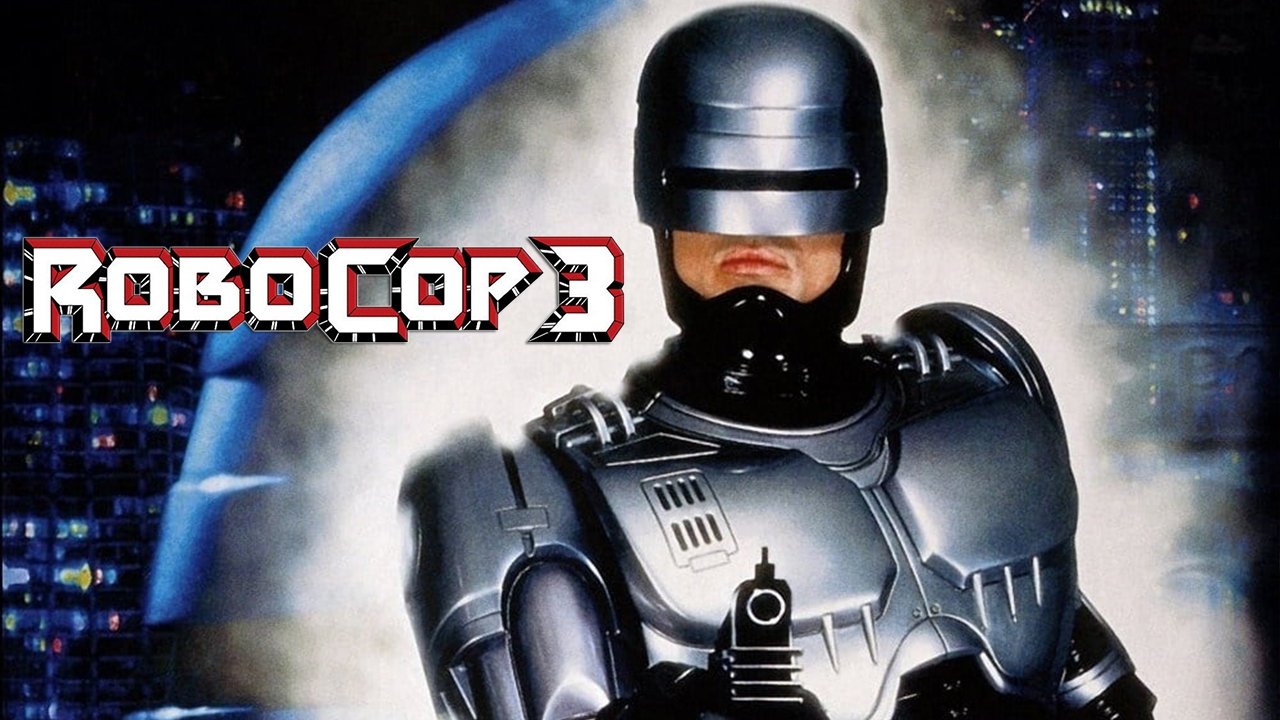
Alright, rewind your minds with me. Picture this: You're wandering the aisles of Blockbuster, the scent of plastic cases and slightly stale popcorn in the air. You spot it – a familiar chrome gleam on the cover, the promise of cybernetic justice. It's RoboCop 3, sitting there on the shelf. You grab it, maybe overlooking the slightly different jawline beneath the visor, eager for another blast of Detroit mayhem. What awaited us back home, popping that tape into the VCR, was... well, it was certainly a RoboCop movie.

More Kid-Friendly Carnage?
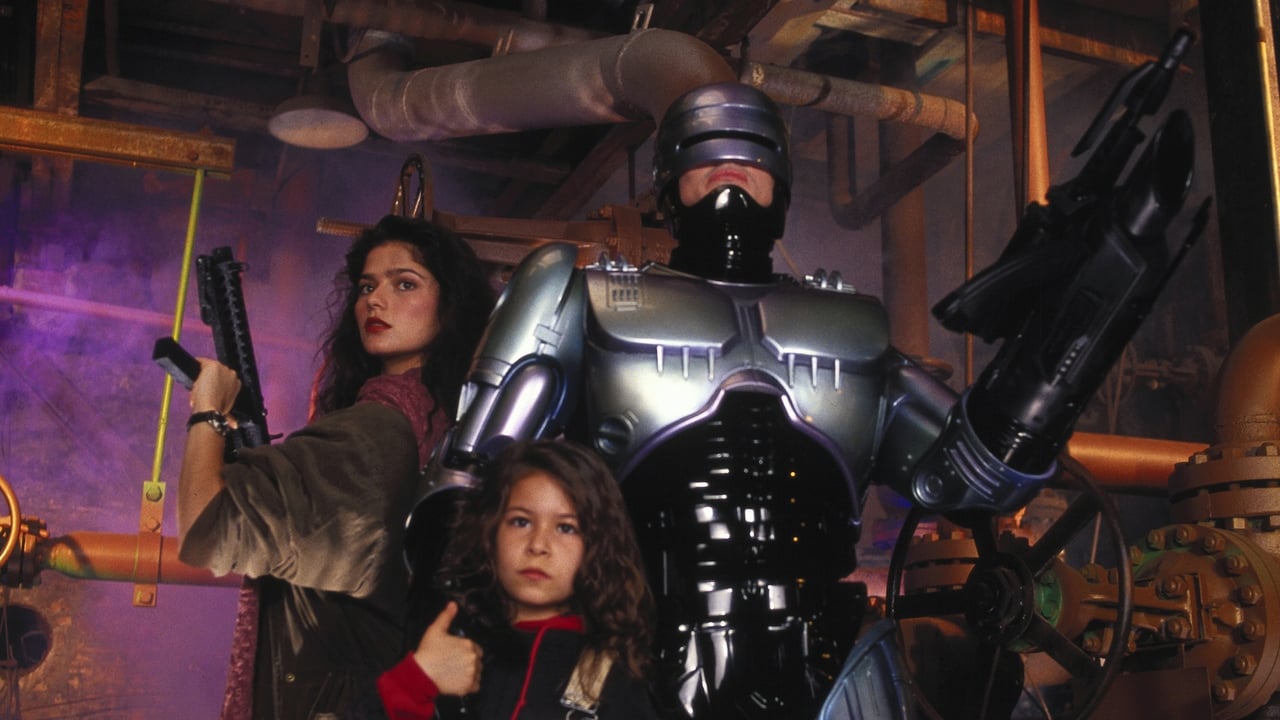
Let's be honest, the arrival of RoboCop 3 in 1993 felt... different. The razor-sharp satire and brutal, boundary-pushing violence of Paul Verhoeven's 1987 original, and even the darker, more chaotic vibe of Irvin Kershner's 1990 sequel, seemed dialed back. This time, OCP is still the big bad, ruthlessly displacing citizens for their Delta City project, but RoboCop (now played by Robert John Burke, stepping into the massive boots left by Peter Weller) finds himself siding with a scrappy band of urban rebels, including a tech-savvy kid named Nikko. The shift is palpable – a clear attempt to snag a PG-13 rating and maybe sell some action figures. Gone are the days of ED-209 reducing executives to bloody salsa; hello, cartoonish ninja androids.
This change in tone might be partly explained by the film's troubled gestation. Penned by comic book legend Frank Miller (whose original, much darker script was heavily rewritten) and Fred Dekker, the director behind beloved cult classics Night of the Creeps (1986) and The Monster Squad (1987), the production was famously plagued by the financial death throes of Orion Pictures. In fact, RoboCop 3 sat on the shelf for nearly two years after filming wrapped in 1991 due to Orion's bankruptcy, finally limping into theatres in late '93, feeling almost like a relic of an earlier action movie cycle. That $22 million budget yielded a mere $10 million at the US box office – a stark contrast to its predecessors.

Practical Effects and 90s Ambition
But hey, this is VHS Heaven! We appreciate the effort, right? And there are moments where that classic 80s/90s action spirit tries to peek through. Director Fred Dekker brings a certain pulpy energy, even if it doesn't quite mesh with the established RoboCop grit. The action sequences, while lacking the visceral punch of the originals, lean heavily on practical effects, which is always worth a nod. Remember those Otomo androids? Sure, they’re basically Power Ranger villains dropped into dystopian Detroit, flipping and posing, but the stunt work involved is undeniable. There’s a commitment to physical performance there that feels distinctly of the era.
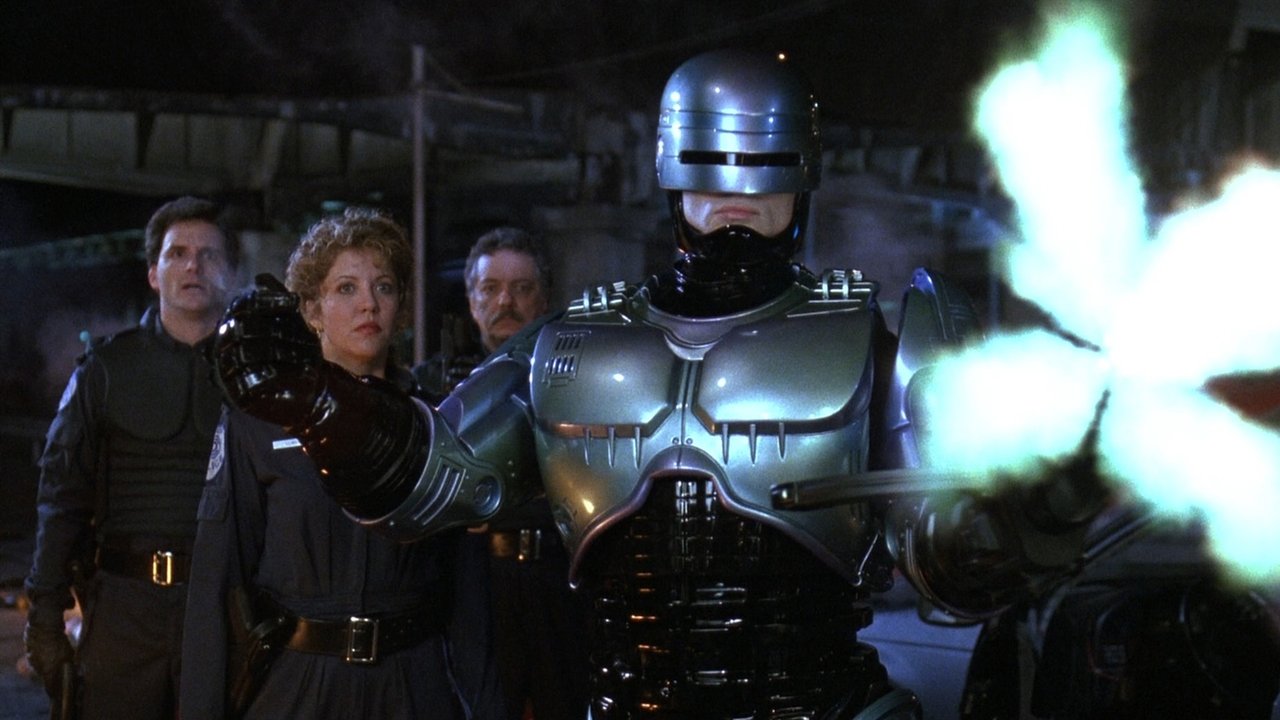
Robert John Burke does his best under the helmet, though capturing Weller's unique blend of robotic stiffness and pained humanity was always going to be a Herculean task. Burke apparently found the suit incredibly uncomfortable, losing weight during the shoot due to the heat inside – a familiar story for actors donning bulky sci-fi armor. We also get Nancy Allen returning as Anne Lewis (Spoiler Alert! though her fate feels somewhat unceremoniously handled) and the always watchable Rip Torn chewing scenery as the new OCP CEO. Plus, hearing Basil Poledouris's iconic, thunderous theme music kick in still gives you a little jolt, even if it feels less effectively deployed here.
The Jetpack in the Room
And then... there's the jetpack. Yes, RoboCop gets a flight pack. On one hand, it’s the kind of ludicrous, toyetic escalation typical of third entries in 90s franchises. On the other, seeing RoboCop awkwardly soar through the air, realised through a combination of wirework, bluescreen, and miniature effects, has a certain charming absurdity. Was it awesome seeing him fly back then? Maybe for a fleeting moment, before the sheer silliness of it registered. It’s pure Saturday morning cartoon logic injected into a franchise previously known for its adult cynicism. The practical effects team certainly worked hard on it, crafting miniatures and figuring out the wire choreography – a testament to the pre-CGI problem-solving spirit.
Legacy of a Lesser Lawman
RoboCop 3 wasn't exactly embraced upon release. Critics were harsh, and fans of the original's tone felt betrayed by the softer edge and sillier plot elements. It effectively killed the theatrical film franchise for decades (until the 2014 reboot), though it did spin off into a (quickly cancelled) live-action TV series and later animated shows, further sanding down the character's rough edges. Watching it now, it feels like a fascinating misstep, an example of a studio trying to mold a uniquely adult property into something more broadly palatable and fumbling the execution.
It lacks the biting satire, the extreme violence, and the philosophical depth of the original. The action feels more staged, less impactful. The plot, involving corporate land grabs and plucky rebels, feels generic compared to the tightly wound narratives of the first two films. Yet... there's a strange nostalgic pull. It's a quintessential early 90s studio product, complete with slightly clunky effects, tonal inconsistency, and that earnest, slightly goofy ambition that permeated so many sequels of the time.
VHS Heaven Rating: 4/10
Why this score? While it carries the RoboCop name and features some dedicated practical effects work (especially considering the budget and studio woes), RoboCop 3 largely misses the mark. The tonal shift to PG-13 neuters the franchise's core identity, the plot is generic, and it lacks the visceral thrills and sharp satire of its predecessors. Robert John Burke tries, but the magic isn't there. Points awarded for the nostalgic charm of its 90s-ness, the return of Poledouris' theme, and the sheer audacity of the jetpack sequence, even if it's utterly ridiculous.
Final Thought: RoboCop 3 is the cinematic equivalent of finding your favorite punk rock band suddenly playing easy listening – the tune is vaguely familiar, but the rebellious spirit has flown the coop... possibly on a jetpack. A curious VHS artifact, best experienced with lowered expectations and maybe a chuckle.