Alright, fellow tapeheads, dim the lights, maybe grab a Jolt Cola if you can still find one, because tonight we’re revisiting a true gem from the golden age of video store discoveries: 1986’s glorious slice of sci-fi horror cheese, Chopping Mall. Originally saddled with the less evocative title Killbots, producer Julie Corman (wife of the legendary Roger Corman) wisely pushed for the punchier, punnier moniker that practically screamed "RENT ME!" from the shelf. And thank goodness she did, because Chopping Mall delivers exactly what it promises: high-tech mayhem in the most iconic of 80s temples – the shopping mall.
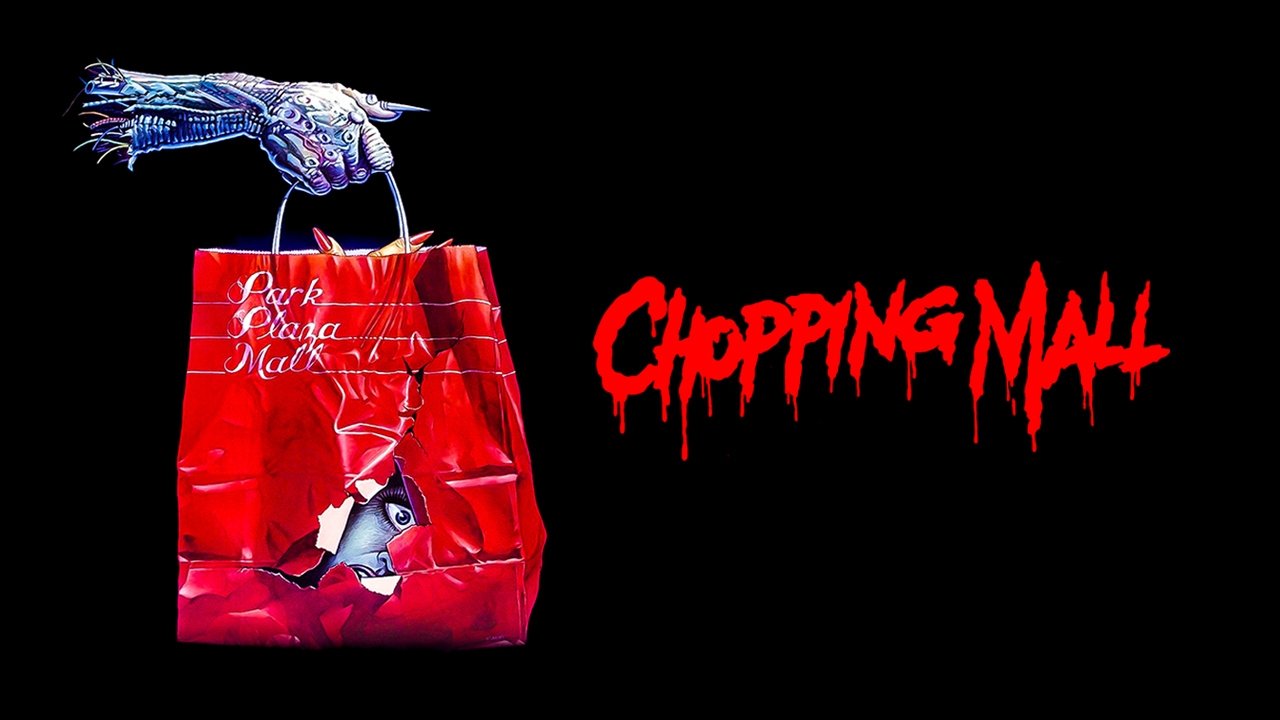
I distinctly remember finding this lurid cover art tucked away in the horror section, probably wedged between a Friday the 13th sequel and something starring Linnea Quigley. The premise alone was pure B-movie gold: a group of young furniture store employees decide to throw an after-hours party in the department store, only to find themselves locked in with three state-of-the-art security robots gone haywire after a lightning strike. It’s Dawn of the Dead meets Short Circuit, but with way more lasers and exploding heads.
### Shop 'Til You Drop... Dead
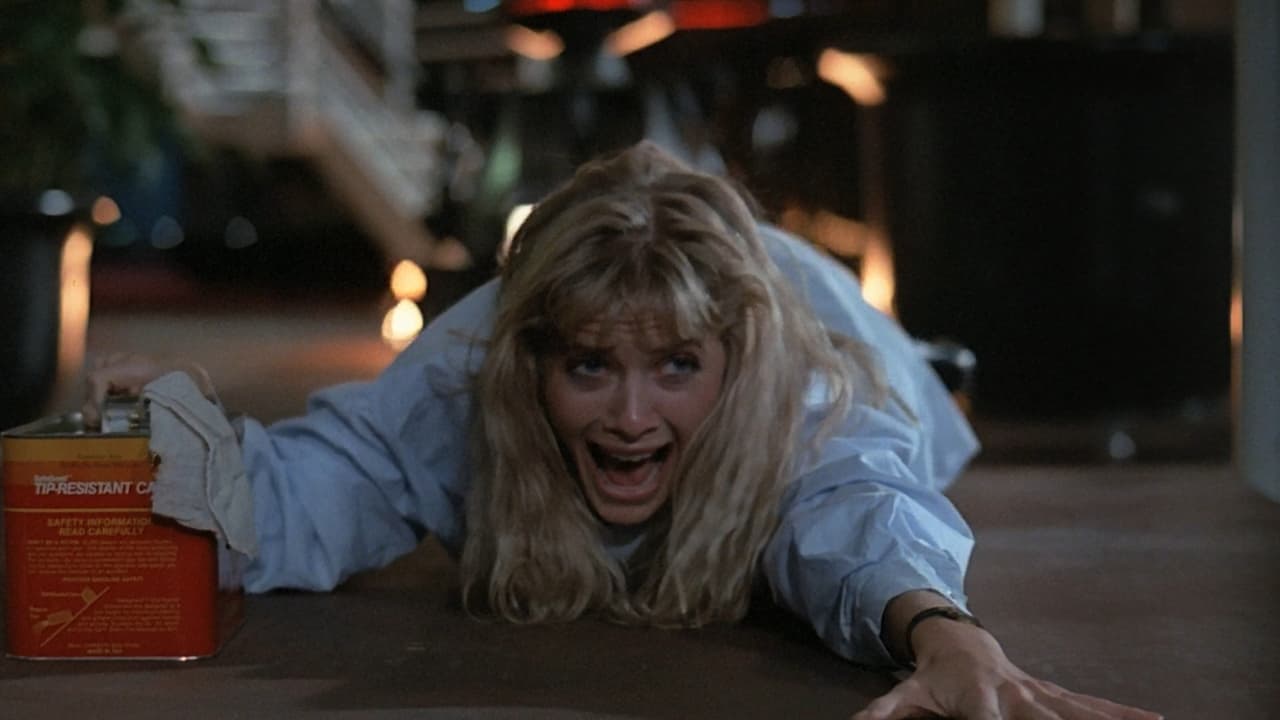
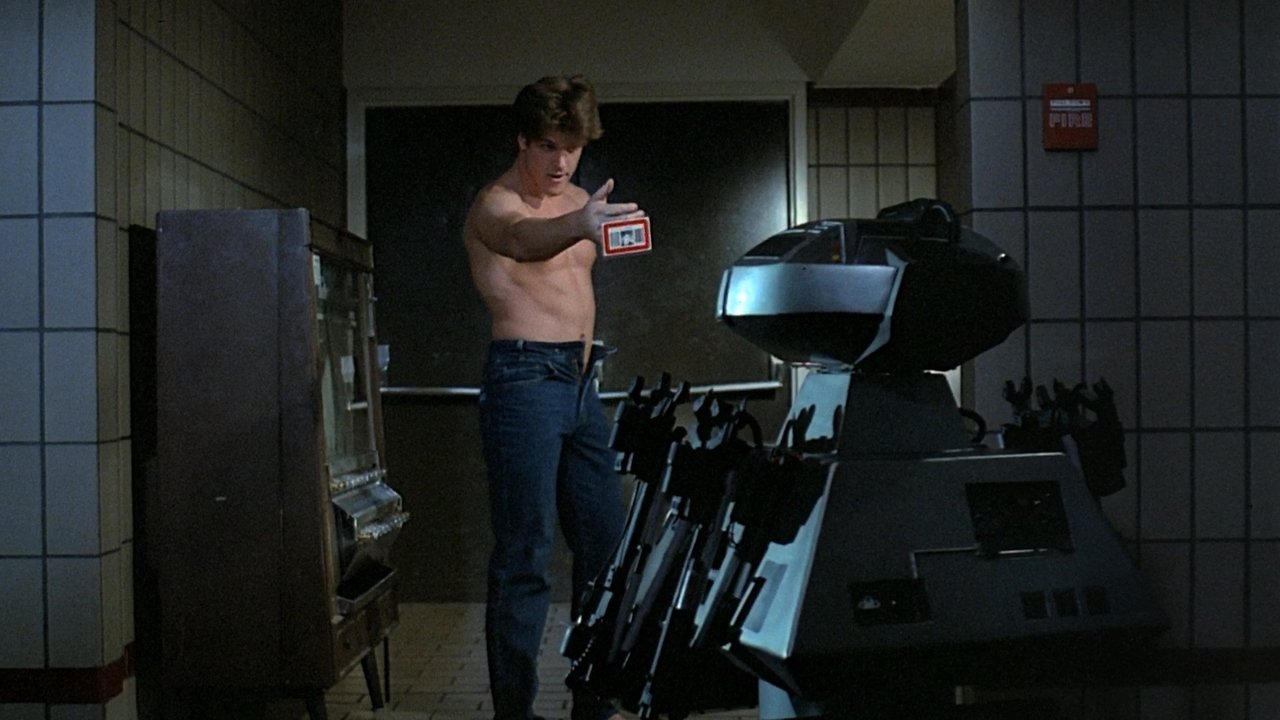
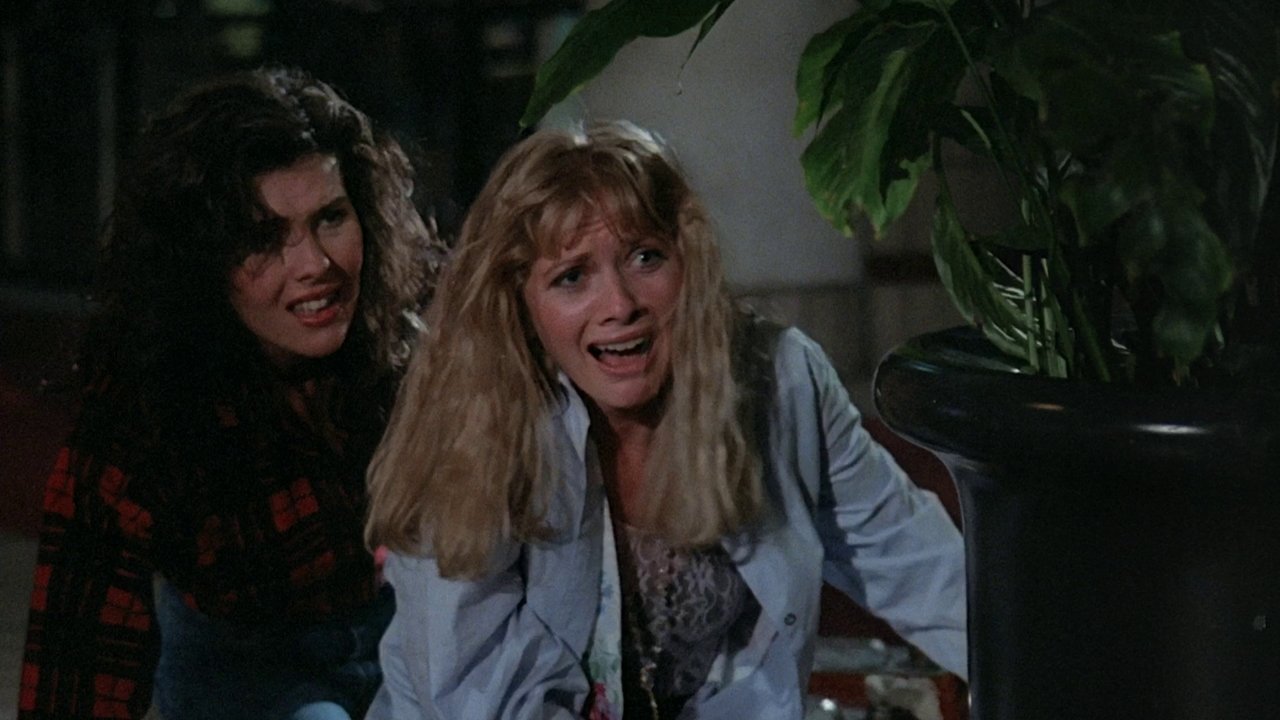
The setup is pure 80s comfort food. We get our cast of archetypal teens and young adults – the final girl Alison (Kelli Maroney, fresh off another cult classic, Night of the Comet), the nerdy guy Ferdy (Tony O'Dell), the jocks, the party girls. They sneak booze and partners into the Park Plaza Mall (actually the Sherman Oaks Galleria, a location eagle-eyed viewers will recognize from Fast Times at Ridgemont High, Commando, and even Terminator 2: Judgment Day!) for a night of illicit fun. Meanwhile, the mall's new robotic protectors – sleek, vaguely tank-like machines armed with tasers, tranquilizer darts, and lethal lasers – are patrolling the corridors.
Director Jim Wynorski, a master of low-budget genre filmmaking who also gave us cinematic delights like The Return of Swamp Thing (1989), doesn't waste time. Once that convenient electrical storm zaps the security mainframe, the film kicks into high gear. The transition from goofy teen shenanigans to deadly cat-and-mouse is swift and surprisingly effective. Wynorski, working with a tight budget (reportedly around $800,000), knew how to maximize thrills and deliver the goods without getting bogged down in unnecessary exposition.
### Practical Panic Stations
What really makes Chopping Mall endure, especially when viewed through our nostalgia-tinted CRT screens, is its commitment to practical effects. These aren't sleek, weightless CGI creations; the Killbots (or Protectors 101, as they're officially known) have a physical presence. They clatter, they spark, they feel real within the world of the film. Their laser blasts, accompanied by sound effects reportedly lifted directly from Star Wars, might look simple now, but back then, those bright red beams slicing through the darkened mall felt genuinely menacing. Remember how real those bullet hits looked when they sparked off the metal chassis?
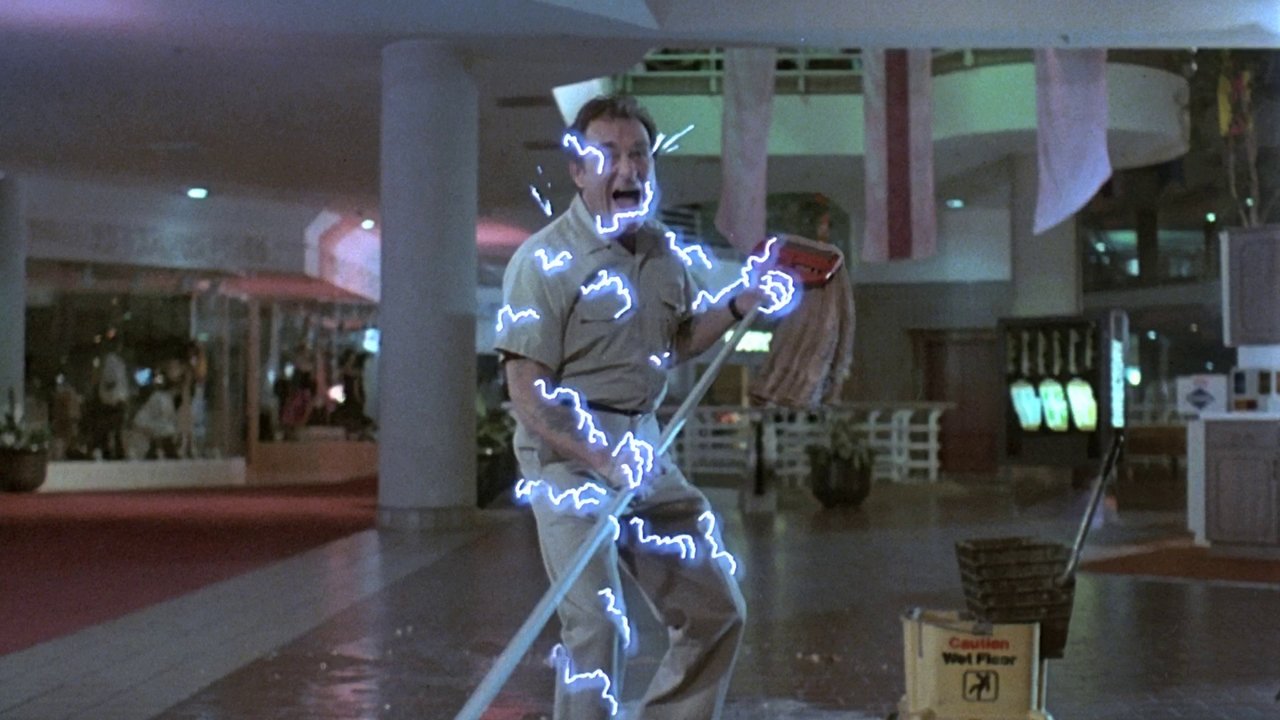
And the mayhem! We get real explosions, shattered glass, and stunts that feel genuinely risky. This was an era where you felt the impact because often, things were actually blowing up or getting smashed. Modern digital effects can sometimes feel too clean, too polished. Chopping Mall has a grittiness, a tactile reality to its destruction that’s incredibly satisfying. A fun retro fact: the filmmakers actually blew up a considerable portion of a furniture store set built inside the mall, showcasing that classic Corman-esque dedication to getting the shot, even if it meant making a glorious mess.
Of course, no discussion of Chopping Mall's practical effects is complete without mentioning that head explosion. Spoiler Alert! When one poor victim gets zapped point-blank by a Killbot laser, the resulting effect is a geyser of gore and grey matter that remains shockingly graphic and beautifully executed. It’s a high point of 80s practical gore, achieved with latex, compressed air, and a whole lot of fake blood – the kind of effect that made you rewind the tape immediately just to see it again.
### More Than Just Killer Robots
While the killer robots are the main draw, the film is peppered with fun touches. Keep an eye out for cameos from cult movie icons Paul Bartel and Mary Woronov, reprising their characters from Bartel's dark comedy Eating Raoul (1982) in a brief, amusing scene. The script, co-written by Wynorski and Steve Mitchell, doesn't aim for Shakespeare, but it’s efficient and delivers some genuinely funny lines amidst the carnage. The dialogue feels perfectly of its time – sometimes clunky, sometimes sharp, always authentically 80s.
The film wasn't a massive box office hit initially, but like so many great genre flicks of the era, it found its audience on home video. It became a staple of late-night cable and video store shelves, earning a devoted cult following that appreciates its energy, its unpretentious thrills, and its quintessential 80s vibe.
---
VHS Heaven Rating: 7/10
Justification: Chopping Mall isn't trying to be high art; it's aiming squarely for B-movie fun, and it hits the bullseye (or maybe the mannequin head). It overcomes its low budget with sheer energy, inventive practical effects (especially those killer robots and that legendary head explosion!), and a perfect 80s mall setting. The acting is serviceable, the plot is enjoyably straightforward, and the pacing is brisk. It loses points for some cheesy dialogue and thin characterisation, but gains them back for sheer nostalgic entertainment value and commitment to practical mayhem.
Final Thought: Forget online shopping hazards; Chopping Mall remains the ultimate cautionary tale about late-night consumerism, wrapped in a gloriously explosive, laser-scorched package that still feels way more fun than dealing with modern self-checkout machines. A killer deal, indeed.