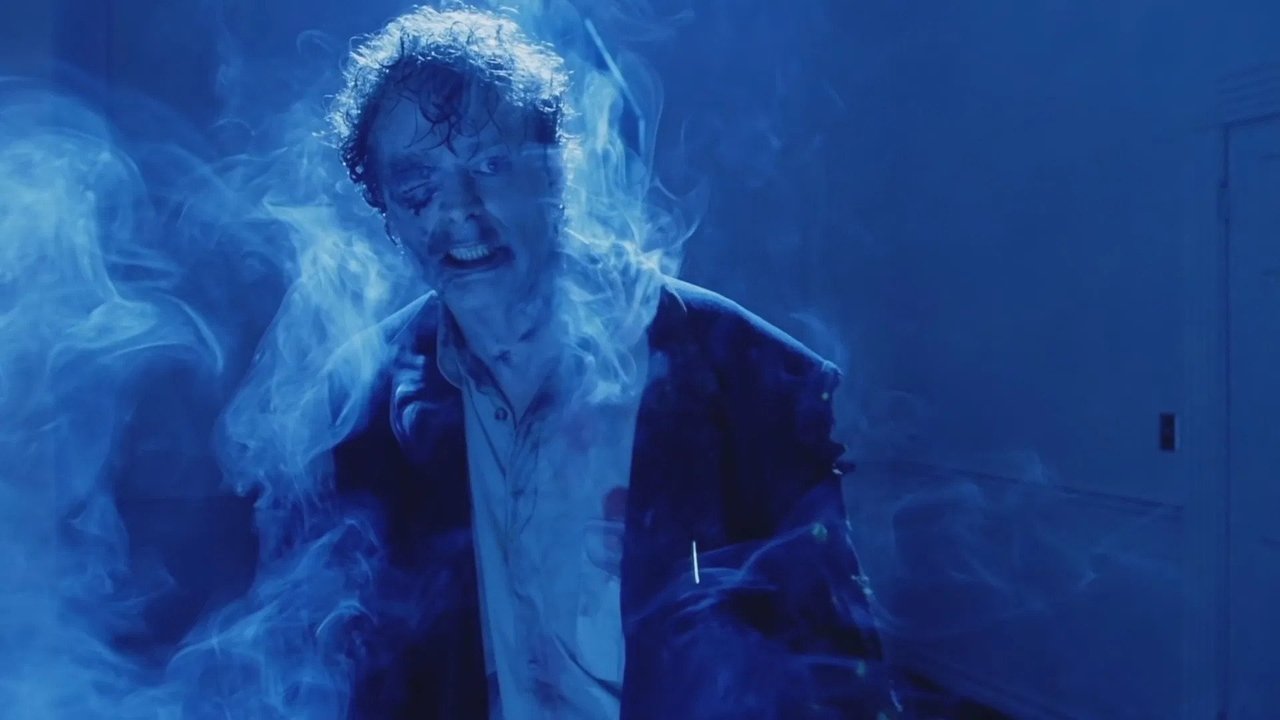
The air crackles before the flesh ignites. Not with warning, but with the sudden, inexplicable finality of a struck match meeting gasoline. That’s the horrifying promise coiled at the heart of Spontaneous Combustion, a film that feels like it emerged directly from the shadowy, conspiracy-laden anxieties simmering beneath the surface of the late Cold War era. It arrived in 1990, bearing the name Tobe Hooper, a director whose pedigree (The Texas Chain Saw Massacre (1974), Poltergeist (1982)) guaranteed a certain level of visceral dread, even if the results here smolder rather than explode into brilliance.
A Slow Burn Conspiracy
The premise itself is pure pulp gold: Sam Kramer (Brad Dourif) discovers his seemingly ordinary life is built on a terrifying secret. His parents were unwitting subjects in a 1950s atomic experiment, codenamed "Project Samson," designed to create humans capable of acting as living atomic weapons. The side effect? Uncontrollable pyrokinetic abilities tied directly to intense emotion, particularly rage. As Sam uncovers the truth, the pressure builds, both psychologically and physiologically, threatening to turn him into the very weapon his creators envisioned – or just a pile of ashes. It’s a potent blend of body horror, sci-fi paranoia, and a surprisingly melancholic character study.
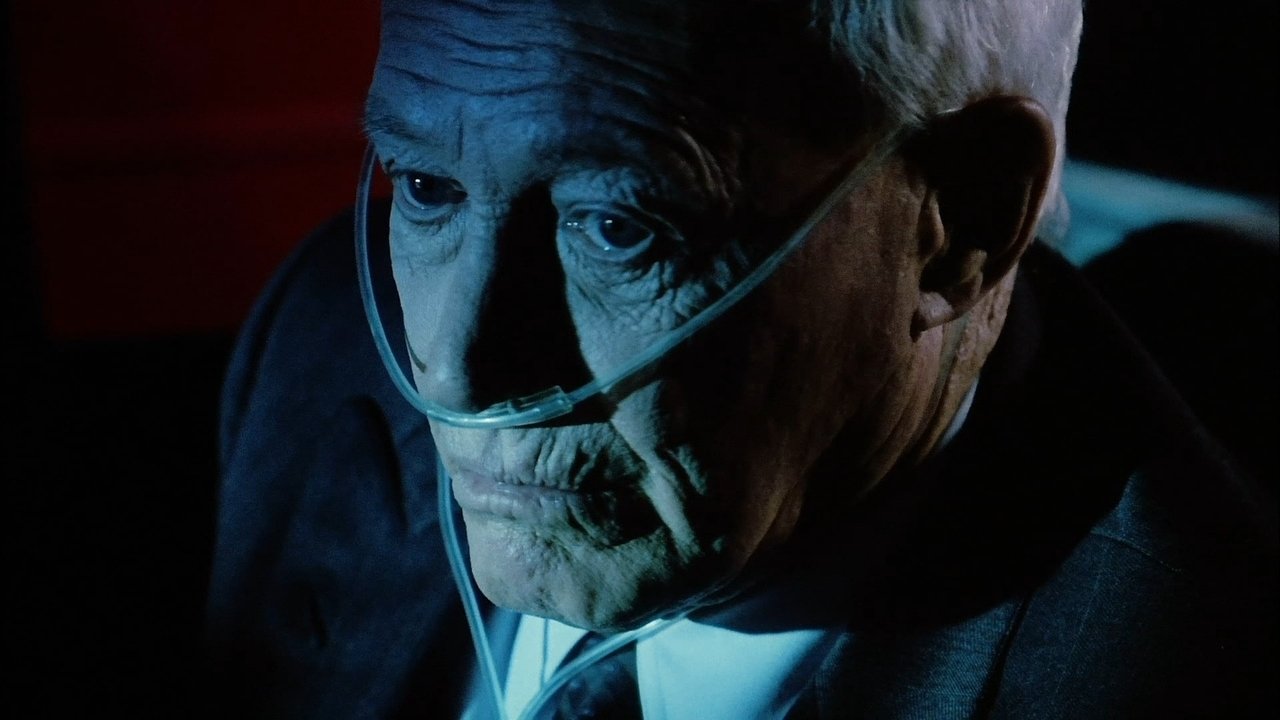
Hooper attempts to weave a complex narrative here, moving between Sam’s present-day unravelling and shadowy flashbacks to his parents' ordeal. The film often feels like two distinct entities vying for screen time: a government conspiracy thriller populated by shady figures like Jon Cypher's menacing executive, and a tragic story about a man literally burning up from the inside out. The atmosphere is thick with a sense of encroaching doom, amplified by Graeme Revell's brooding score, heavy on synthesized choirs and industrial undertones that underscore Sam's isolation and impending meltdown.
Dourif Ablaze
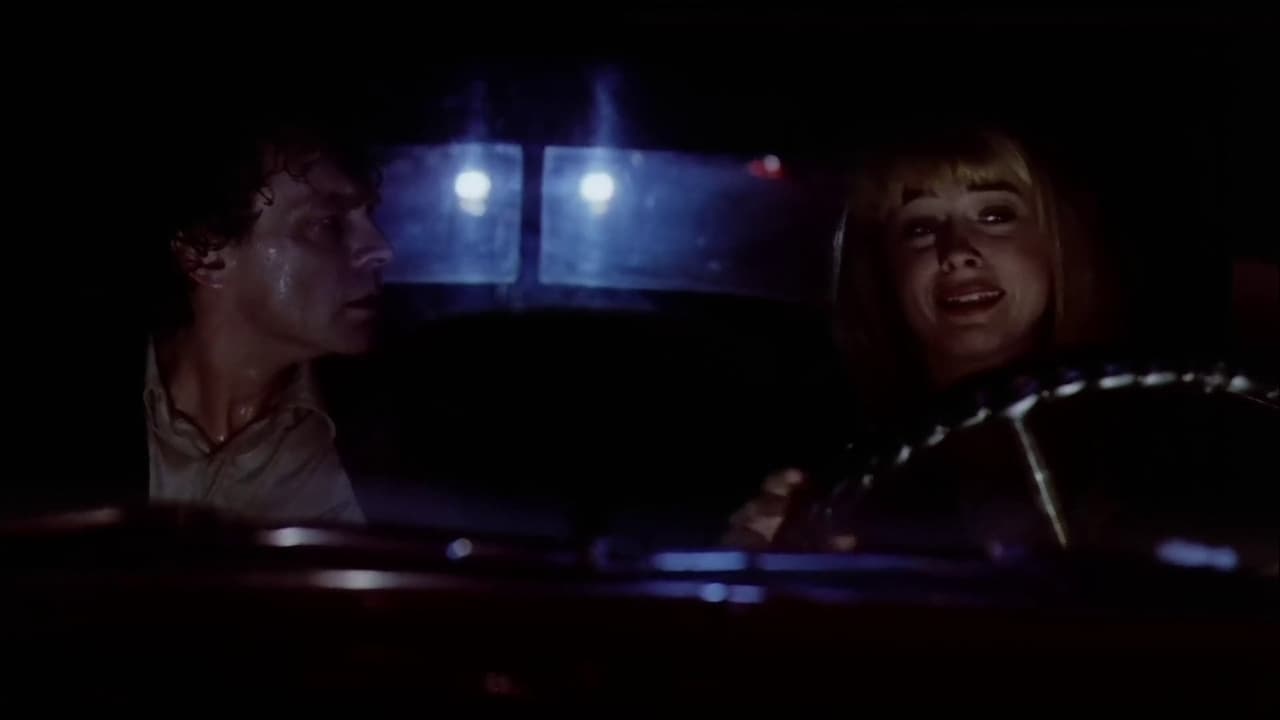
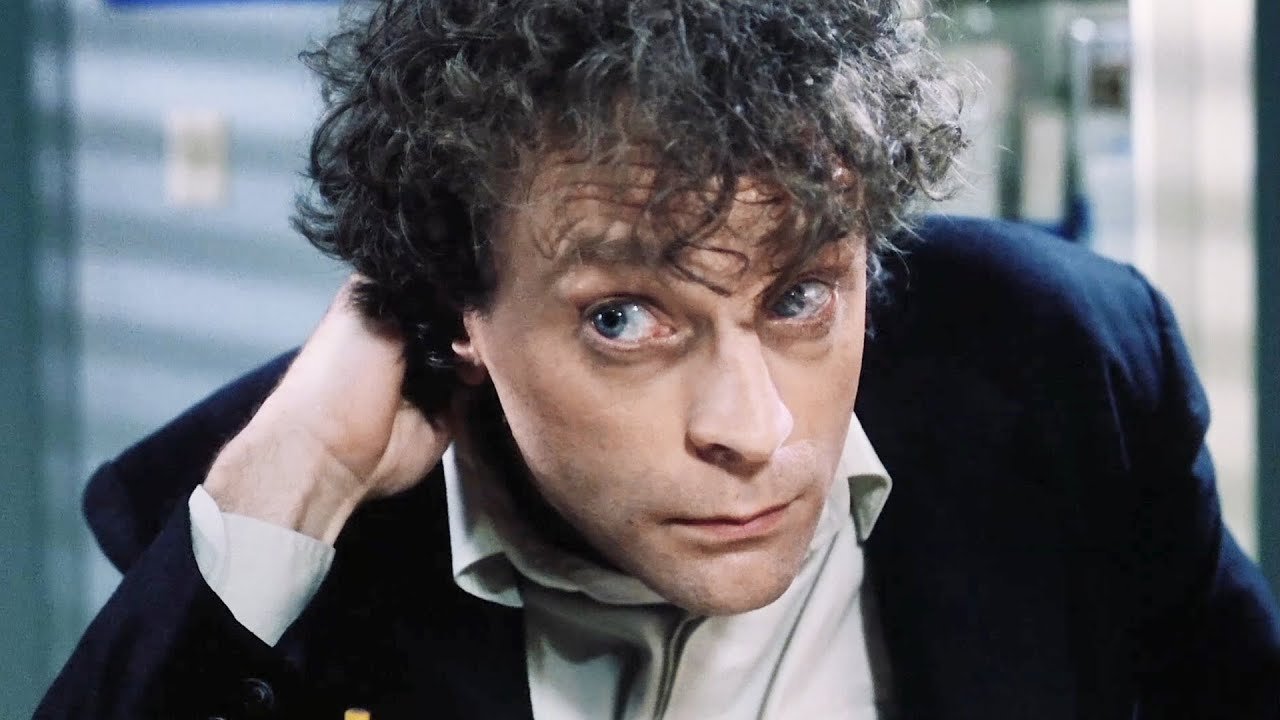
Anchoring this volatile mixture is a typically magnetic performance from Brad Dourif. Fresh off solidifying his horror icon status voicing Chucky in Child's Play (1988), Dourif throws himself into the role of Sam with twitchy, nerve-jangling energy. His wide eyes convey a constant state of anxiety teetering on the edge of panic, making the eventual fiery outbursts feel like a genuine, painful release rather than just a special effect. He sells the internal torment, the fear of his own body betraying him in the most horrific way possible. It’s a performance that often elevates the sometimes clunky script and uneven pacing. Supporting turns, like Cynthia Bain as Sam's concerned girlfriend Lisa, feel somewhat functional, primarily there to react to Sam's escalating crisis.
Retro Fun Facts: Sparks Behind the Scenes
Spontaneous Combustion is a fascinating artifact of its time, particularly regarding its troubled production history. Developed under the wing of Vestron Video, a major player in the VHS boom, the film became a casualty of the company's infamous bankruptcy in 1990. Picked up by the smaller Taurus Entertainment Group, its release was delayed and significantly limited, hindering its ability to find an audience. You can almost feel that behind-the-scenes turmoil reflected on screen – a sense of ambition straining against constraints.
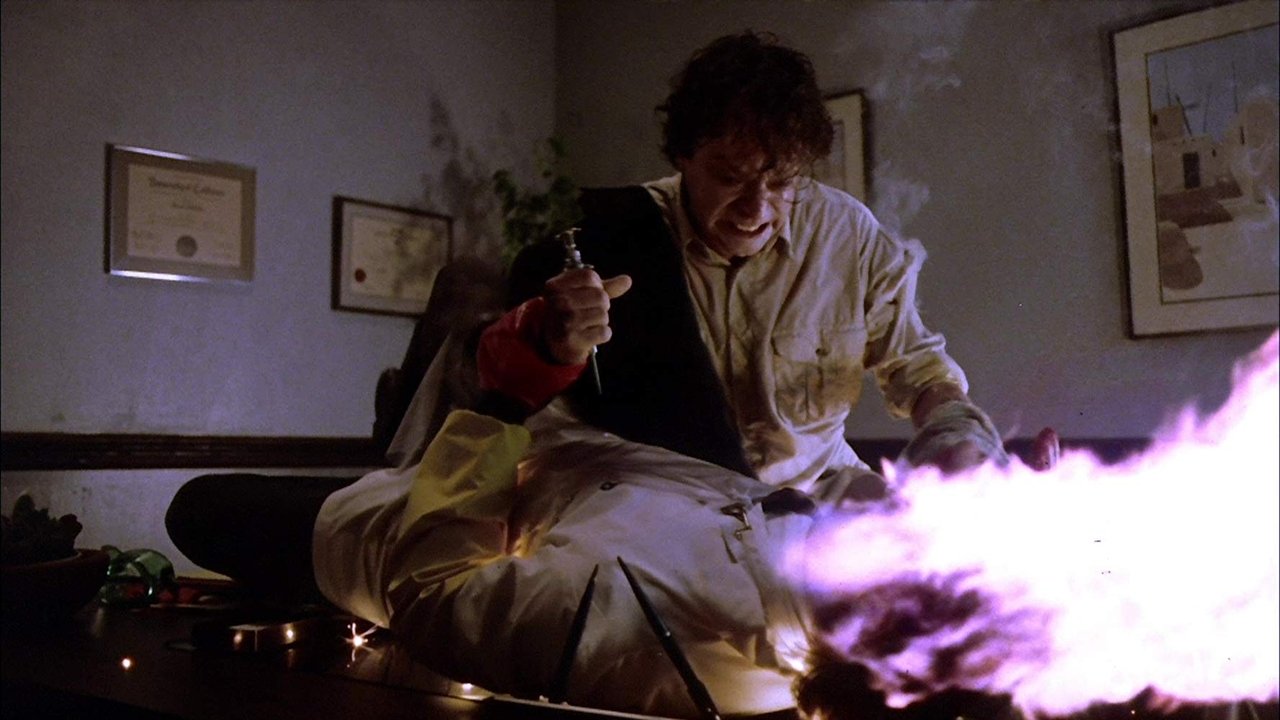
The core idea itself taps directly into the eerie, unexplained phenomenon of Spontaneous Human Combustion, a subject of fascination in fringe circles and tabloid headlines for decades. Hooper leans into the inherent creepiness of the concept. And for genre fans, keep an eye out for a brief cameo by fellow filmmaker John Landis (An American Werewolf in London (1981)) – a little nod between horror maestros. The budget was reportedly tight, around $5 million, forcing Hooper and his team to rely heavily on practical fire effects, which, viewed today, have that tangible, often dangerous-looking quality that defined the era. There's a certain sweaty intensity to the burn sequences, achieved with gels, flame bars, and stunt performers that CGI rarely replicates.
Flickering Flames of Potential
Despite Dourif's commitment and Hooper's undeniable visual flair in certain sequences (particularly the initial combustion scenes and the eerie laboratory flashbacks), Spontaneous Combustion never quite catches fire the way it seemingly intends. The conspiracy plot feels underdeveloped, relying on genre tropes without adding much novelty, and the pacing often drags between the pyrotechnic set pieces. The script, co-written by Hooper and Howard Goldberg, sometimes struggles to balance the personal drama with the sci-fi thriller elements, leaving both feeling slightly short-changed.
Yet, there’s an undeniable B-movie charm here, a sense of earnest effort to tell a weird, unsettling story. Watching it on VHS back in the day, perhaps late at night with the lights down low, the film’s rough edges and inherent strangeness likely felt more potent. The graininess of the tape, the buzz of the VCR – it all contributed to a specific kind of viewing experience where the film's flaws might have seemed less glaring, and its moments of intense body horror or paranoid dread hit harder. Doesn't Brad Dourif's agonized face, just before the flames erupt, still feel genuinely unnerving?
The Verdict
Spontaneous Combustion is ultimately a fascinating misfire from a horror legend. It boasts a killer concept, a powerhouse central performance from Brad Dourif, and moments of genuine atmospheric dread that showcase Tobe Hooper's lingering talent for the unsettling. However, it's hampered by an uneven script, pacing issues, and the visible scars of a troubled production. It feels like a film yearning to be a major genre statement but ultimately relegated to the cult curiosity shelf – a perfect find in the dusty horror section of your local video store back in the day.
Rating: 6/10
Final Thought: While it doesn't reach the searing heights of Hooper's masterpieces, Spontaneous Combustion remains a worthwhile watch for fans of the director, Brad Dourif, or anyone with a fondness for ambitious, slightly strange early 90s sci-fi horror that tried to light up the screen, even if it only managed a flickering glow. It's a testament to a time when even a film's imperfections felt part of its gritty, tangible charm on that beloved VHS format.