The static hiss of the tracking adjustment fades, and the screen flickers to life. Sometimes, digging through those dusty stacks at the back of the rental store unearthed something truly… peculiar. Not just bad, not just good, but strange. A film that lodges itself in your memory less for coherent brilliance and more for its sheer, unadulterated weirdness. John McNaughton’s 1991 sci-fi horror oddity, The Borrower, is precisely that kind of tape – a grimy, baffling transmission from another cinematic dimension.
### Not Quite Henry, Not Quite Anything Else
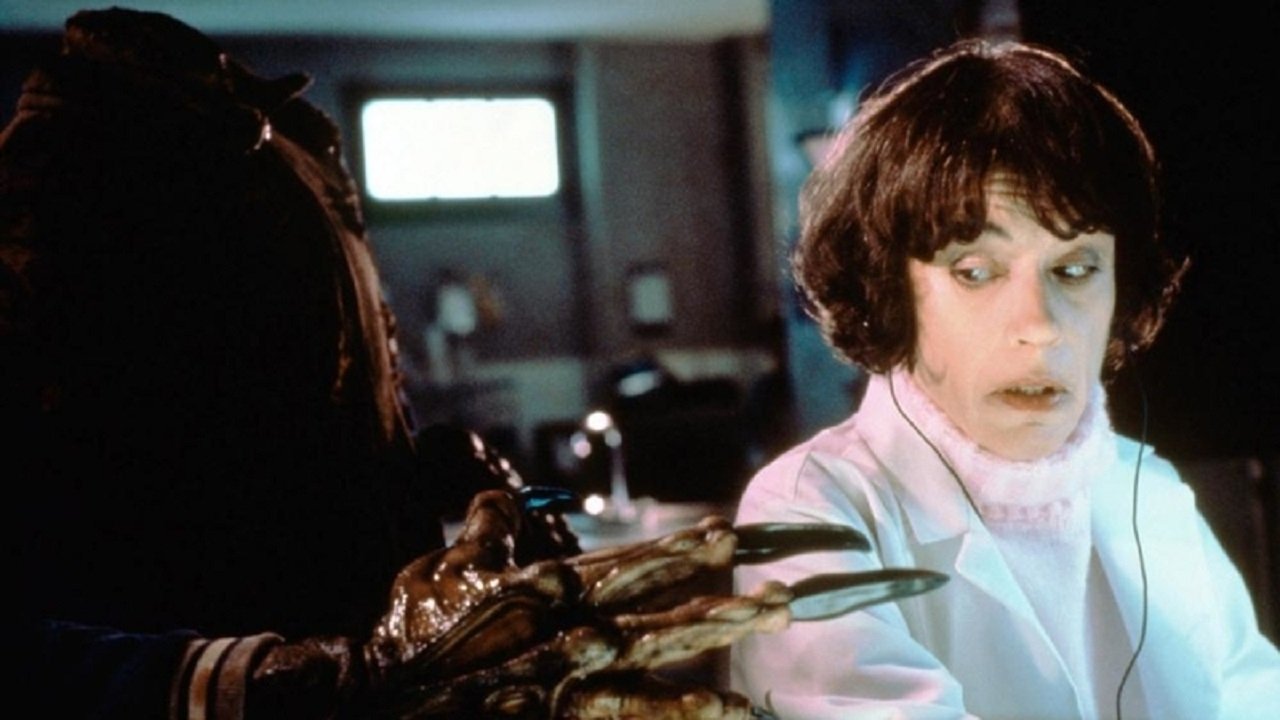
Fresh off the chillingly nihilistic success of Henry: Portrait of a Serial Killer (1986), a film that still feels dangerous to watch alone, John McNaughton seemed an unlikely candidate for a B-movie creature feature involving decapitations and alien biology. Yet, here we are. The Borrower jettisons Henry's stark realism for something far more outlandish, though a certain bleakness lingers around the edges. The premise itself is pure pulp: an extraterrestrial felon, guilty of heinous intergalactic crimes, is punished by being biologically devolved into a primitive form and exiled to Earth. The catch? Its unstable physiology requires it to periodically shed its head and commandeer a new human one, often with explosively messy results. This isn't E.T. phoning home; this is a parasitic menace turning unsuspecting citizens into unwilling organ donors.
### Urban Decay and Exploding Heads
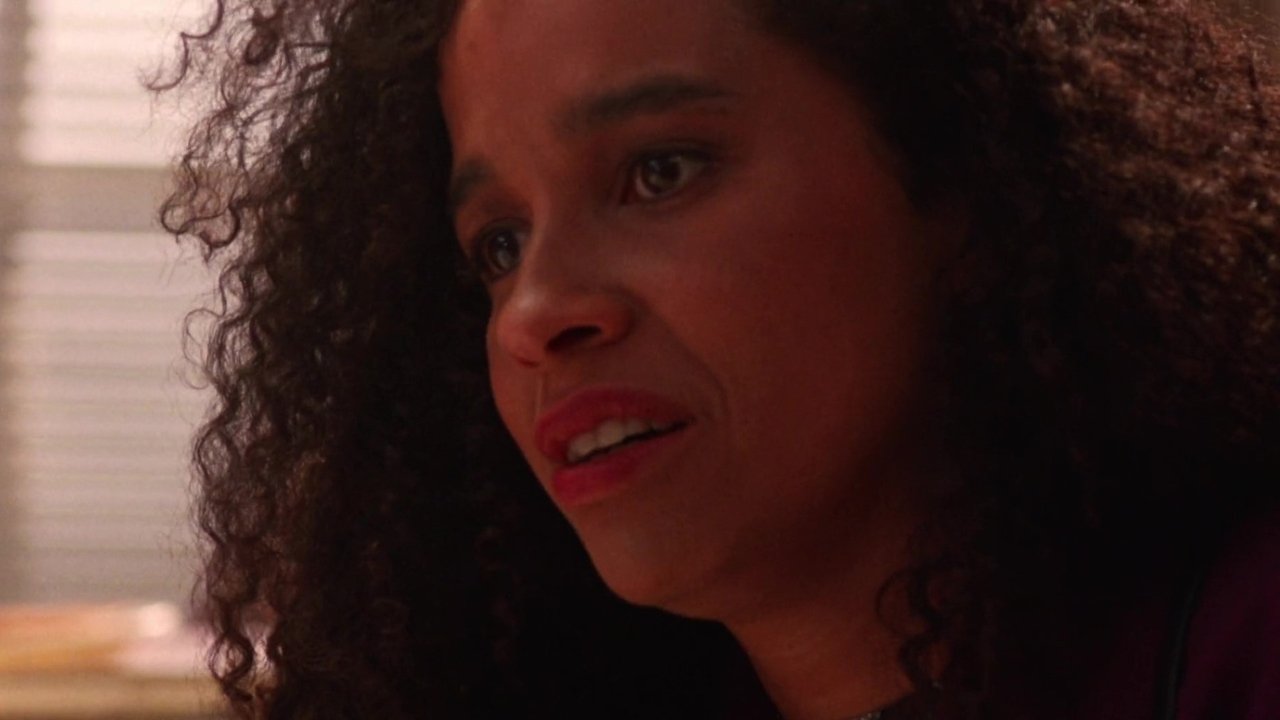
The film drops us into the grimy streets of Chicago, following detectives Diana Pierce (Rae Dawn Chong) and Charles Krieger (Don Gordon) as they investigate a series of increasingly bizarre and gruesome murders. Chong, familiar from hits like Commando (1985), brings a weary toughness to Pierce, grounding the film slightly amidst the escalating insanity. She's the procedural anchor in a sea of sci-fi horror chaos, trying to make sense of headless corpses and inexplicable patterns. McNaughton uses the urban landscape effectively, capturing a sense of decay and indifference that feels like a faint echo of Henry's bleak worldview. The city isn't just a backdrop; it feels like another character – indifferent, perhaps even complicit in the ugliness unfolding.
Of course, what most people likely remember – or rediscovered – about The Borrower are the practical gore effects. This was the era before CGI sanitized screen violence, and the head-swapping sequences are appropriately visceral and grotesque. There’s a certain tactile unpleasantness to the exploding craniums and the creature’s various unsettling forms, achieved through latex and squibs. It's not sophisticated, perhaps, but doesn't it possess a certain raw power that often feels missing today? McNaughton regular Tom Towles (memorable as Otis in Henry) turns up as a sleazy vagrant who becomes one of the alien's unfortunate hosts, bringing his unique brand of unsettling energy to the proceedings. It’s a reminder of how effective character actors could elevate even the strangest material back then.
### A Film Adrift


Behind the schlock, there’s an interesting production story. The Borrower was actually filmed in 1989 but sat on the shelf for two years before finally getting a release through the struggling Cannon Films in 1991. This delay often signals trouble, and you can feel a certain unevenness in the film. Was it studio interference? Budgetary constraints forcing compromises? It’s hard to say for sure, but the blend of police procedural, creature feature horror, and hints of social commentary never fully gels. One minute it’s a gritty cop drama, the next it’s a monster movie, then it throws in moments that feel almost darkly comedic. This tonal whiplash can be jarring, preventing the film from building consistent dread, even as individual scenes land with squishy impact. It feels less like a confident vision and more like a collection of intriguing, sometimes repulsive, ideas searching for a unifying thread.
It reportedly cost around $2.5 million, a modest sum even then, and it certainly looks it, though McNaughton uses the limitations to enhance the grimy aesthetic rather than trying to fake grandeur. The creature design itself is… memorable, in a lumpy, low-budget B-movie kind of way. It’s not iconic, perhaps, but its constant, messy transformations contribute to the film’s overall sense of biological horror and unease.
### A Cult Curiosity Worth Unearthing?
The Borrower isn’t a lost masterpiece, nor is it a straightforward genre exercise. It’s a fascinating anomaly, a film caught between the director’s previous grim preoccupations and the demands of a more commercial (if still decidedly weird) concept. It’s the kind of movie that thrived in the VHS era – something you might rent on a whim, intrigued by the lurid cover art, and come away from feeling bewildered but strangely satisfied by its sheer audacity and occasional bursts of inspired gore. It lacks the focused intensity of Henry but offers its own unique, grimy pleasures. Did its bizarre nature genuinely surprise you back then, stumbling across it on the rental shelf?
Rating: 6/10
Justification: The score reflects the film's undeniable cult appeal, its effectively grimy atmosphere, memorable practical gore, and Rae Dawn Chong's solid central performance. However, it's held back by its inconsistent tone, somewhat disjointed narrative, and the feeling that it never fully realizes the potential of its bizarre premise. It's more interesting as a curiosity and a snapshot of John McNaughton's post-Henry career than as a wholly successful film.
Final Thought: For the dedicated VHS hunter, The Borrower remains a worthwhile, if slightly uneven, dig – a grimy slice of early 90s sci-fi horror that reminds you just how strange and unpredictable genre filmmaking could be back when tapes ruled the earth.