Alright, fellow tapeheads, dim the lights, maybe crack open a Tab Cola if you can find one, and let's talk about a true artifact from the flickering glory days of the neighborhood video store: 1986's Deadtime Stories. This isn't your slick, polished Blumhouse fare; oh no, this is pure, uncut, slightly wonky 80s horror anthology weirdness, the kind of movie you’d grab based solely on the lurid cover art promising thrills and chills it mostly delivered, albeit with a mischievous, low-budget wink.
Remember stumbling across this one on the horror shelf, maybe nestled between Creepshow and something truly obscure? It felt like discovering a secret handshake amongst horror fans. The premise itself is pure campfire comfort food: Uncle Mike (played by a trying-his-best Scott Valentine, fresh off charming audiences as Nick Moore's pal Skippy on Family Ties) is trying to coax his nephew to sleep by spinning some twisted variations on classic fairy tales. Let's just say these aren't the bedtime stories Grandma used to tell.
Twisted Tales and Practical Magic
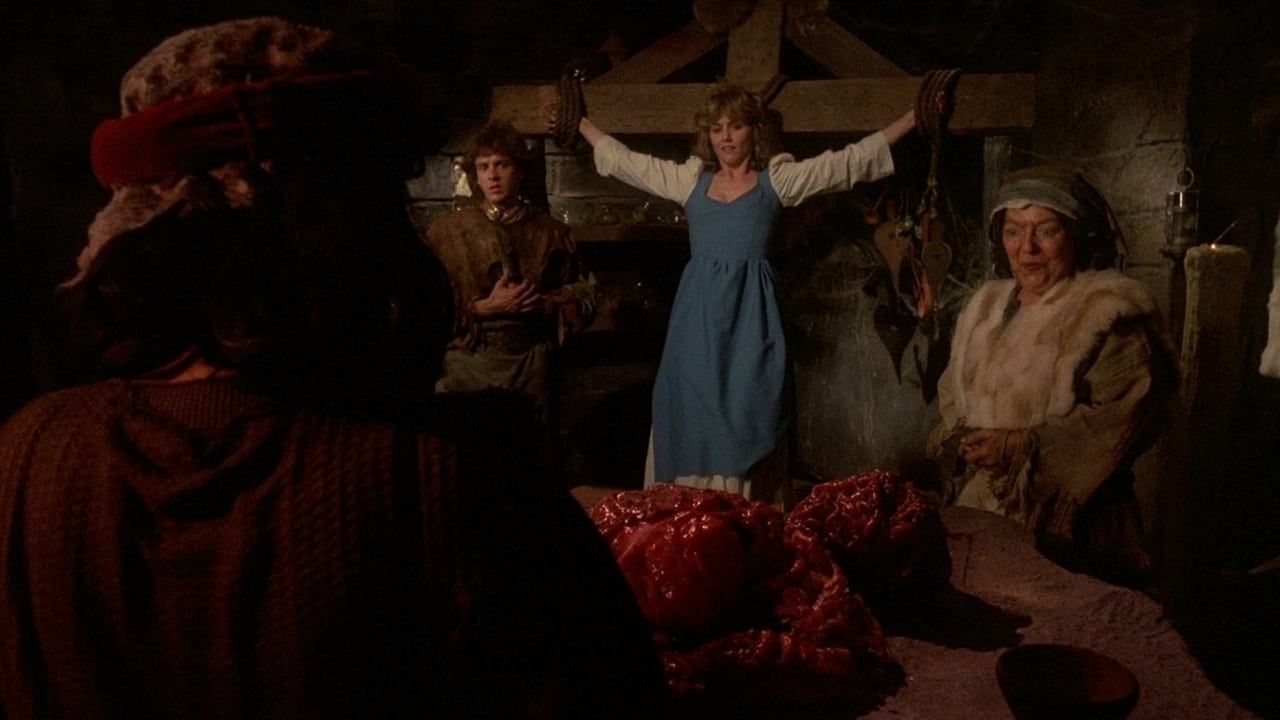
First up, we get "Peter and the Witches," a bizarre little number featuring medieval shenanigans, some truly committed cackling from the witch coven, and a resurrected boy. This segment sets the tone: earnest effort mixed with moments of delightful absurdity. The practical effects here, like the witches' bubbling cauldron and eerie makeup, have that tangible, handmade quality that defined the era. You can almost smell the latex and stage smoke. It's worth noting director Jeffrey Delman, who also penned the script, was making his feature debut here (and, surprisingly, his only one to date). He clearly had ambition, even if the budget sometimes felt like it was held together with duct tape and hope. Reportedly filmed primarily around Long Island, New York, you can feel that regional, almost homemade energy infusing the picture.
Running with Wolves (and Lycra)
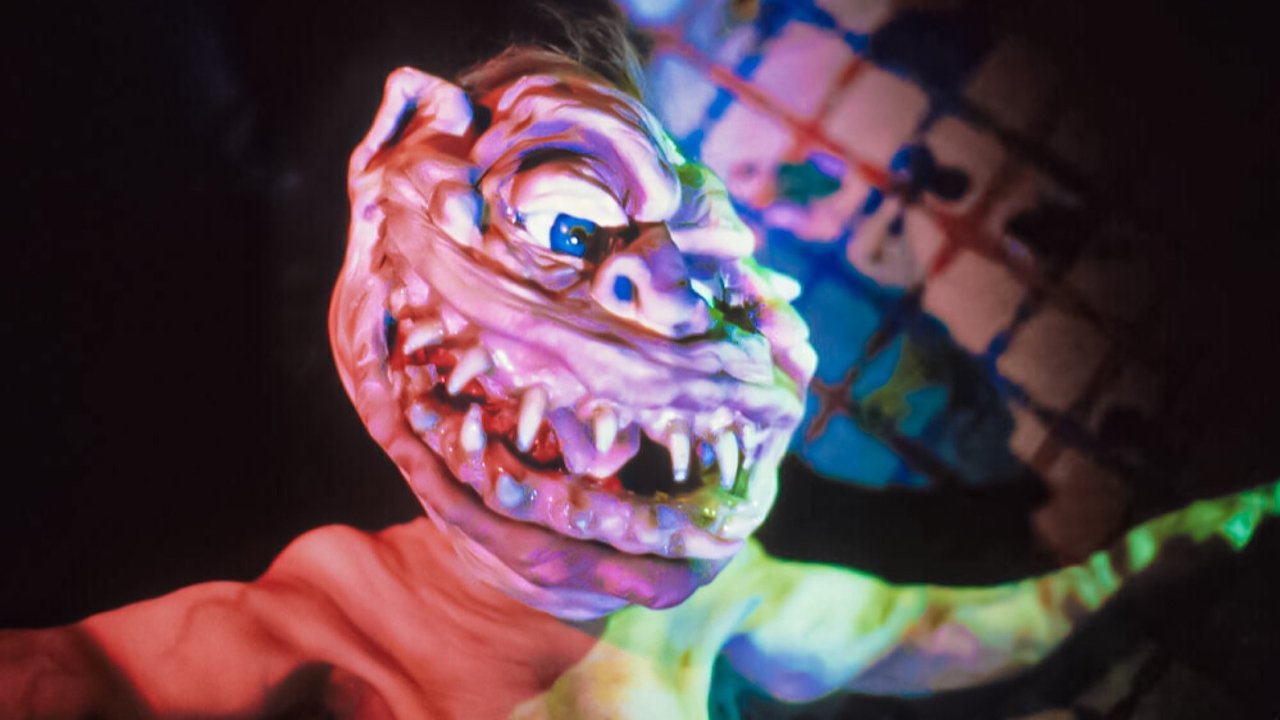
Then we pivot to "Little Red Running Hood," arguably the segment people remember most fondly, or perhaps infamously. Matt Mitler plays the lycanthropic boyfriend, and Nicole Picard (who also pops up briefly as the doomed babysitter in the framing story) is our imperiled Red. Forget subtle transformations; this segment leans into the gooey, prosthetic-heavy werewolf change that was all the rage post-An American Werewolf in London. Remember how utterly mind-blowing those practical transformation effects felt back then? This one might not reach Rick Baker levels, but the sheer effort involved – the bladder effects for shifting skin, the expanding snout – is undeniable. It's messy, it's physical, and it feels real in a way CGI struggles to replicate. And yes, the werewolf’s choice of athletic wear is pure, unadulterated 80s gold. It’s moments like these that make Deadtime Stories such a charming time capsule.
Goldi Lox and the Three... Psychos?
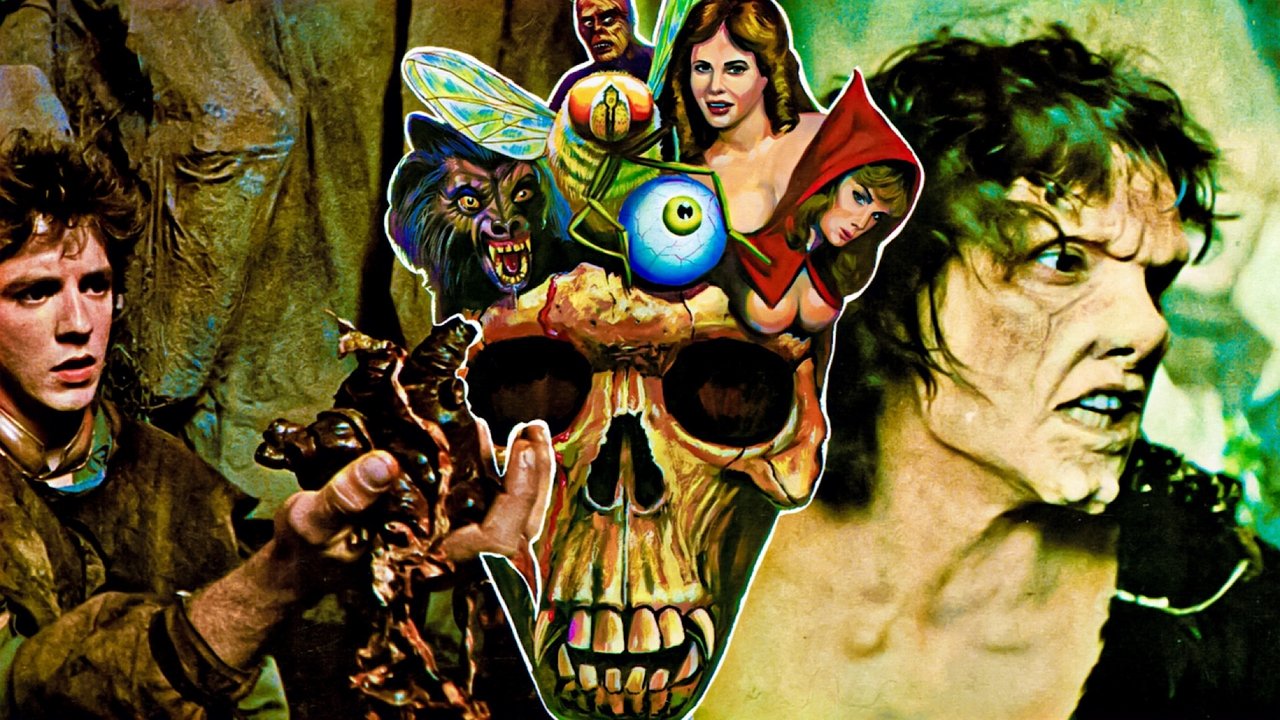
Finally, the film unleashes its most notoriously unhinged segment: "Goldi Lox and the Three Bears." Forget porridge; this Goldi (played with unnerving intensity) is a telekinetic psychopath on the run, stumbling into the home of... well, the "Bears." Scott Valentine pulls double duty here as Papa Bear, alongside Mama Bear and the deeply unsettling Baby Bear. This is where the film fully embraces its darker, grislier comedic impulses. The gore effects are surprisingly potent for the budget, leaning into splatter territory with gleeful abandon. It's jarring, funny in a deeply uncomfortable way, and feels like Delman decided to just throw caution (and good taste) to the wind for the finale. Fun fact: despite its low budget (estimated around $1 million), the film actually pulled in a respectable $2.7 million at the box office via De Laurentiis Entertainment Group, proving there was definitely an audience hungry for this kind of off-kilter horror back in '86.
That Sweet VHS Glow
Watching Deadtime Stories today is like excavating a specific layer of cinematic history. The synth score by Larry Juris buzzes with that quintessential 80s vibe, the pacing feels slightly looser than modern films, and the blend of genuine creepiness with outright silliness is uniquely endearing. It’s uneven, absolutely. Some jokes land with a thud, and the acting ranges from genuinely effective to enthusiastically amateurish. But that’s part of the charm, isn’t it? It feels authentic to its time, a product of passion rather than committee. It wasn’t a critical darling by any stretch, often dismissed as derivative or clumsy, but it found its audience on home video, becoming a cult favorite passed around on dubbed tapes and rented countless times.

Rating: 6/10
Why the score? Deadtime Stories is undeniably flawed, uneven, and often quite silly. However, its earnest commitment to practical effects, its moments of genuinely bizarre creativity (especially in the Goldi Lox segment), and its overall nostalgic charm as a quintessential piece of 80s video store horror elevate it beyond mere B-movie fodder. It earns points for sheer audacity and memorable, tangible gore effects. It's not high art, but it's a heck of a lot of fun if you're in the right, retro-loving mood.
Final Take: For a generation raised on tracking adjustments and the smell of magnetic tape, Deadtime Stories remains a delightfully warped fairy tale nightmare – proof that sometimes, the slightly fuzzy, low-budget nightmares are the ones that stick with you the longest. Definitely worth digging out of the video crypt for a late-night viewing.