Okay, settle in, maybe grab a Tab Cola if you can still find one, because we’re diving deep into the neon-soaked, synth-pulsing, slightly grimy alleys of mid-80s weirdness with 1986’s Vamp. This wasn’t the slick, romantic vampire of later years, nor the gothic monster of Hammer Films. No, Vamp was something else entirely – a bizarre, often hilarious, and visually unforgettable collision of college comedy and urban creature feature that felt perfectly at home viewed on a slightly fuzzy rented VHS tape late on a Saturday night.

### Neon Nights and Naughty Needs
Remember the classic 80s setup? Two hapless college buddies, Keith (Chris Makepeace, fresh off being the sensitive kid in My Bodyguard) and AJ (Robert Rusler, who seemed to be everywhere in the mid-80s, including Weird Science and A Nightmare on Elm Street 2: Freddy's Revenge), need to score a stripper for a frat party to impress the big shots. Their quest, naturally fueled by AJ's borrowed Cadillac (because of course), leads them and the eternally awkward Duncan (Gedde Watanabe from Sixteen Candles) out of their safe suburban campus and into the seedy underbelly of the city after dark. What could possibly go wrong? Well, pretty much everything, especially when they stumble upon the After Dark club.
### Enter the Queen
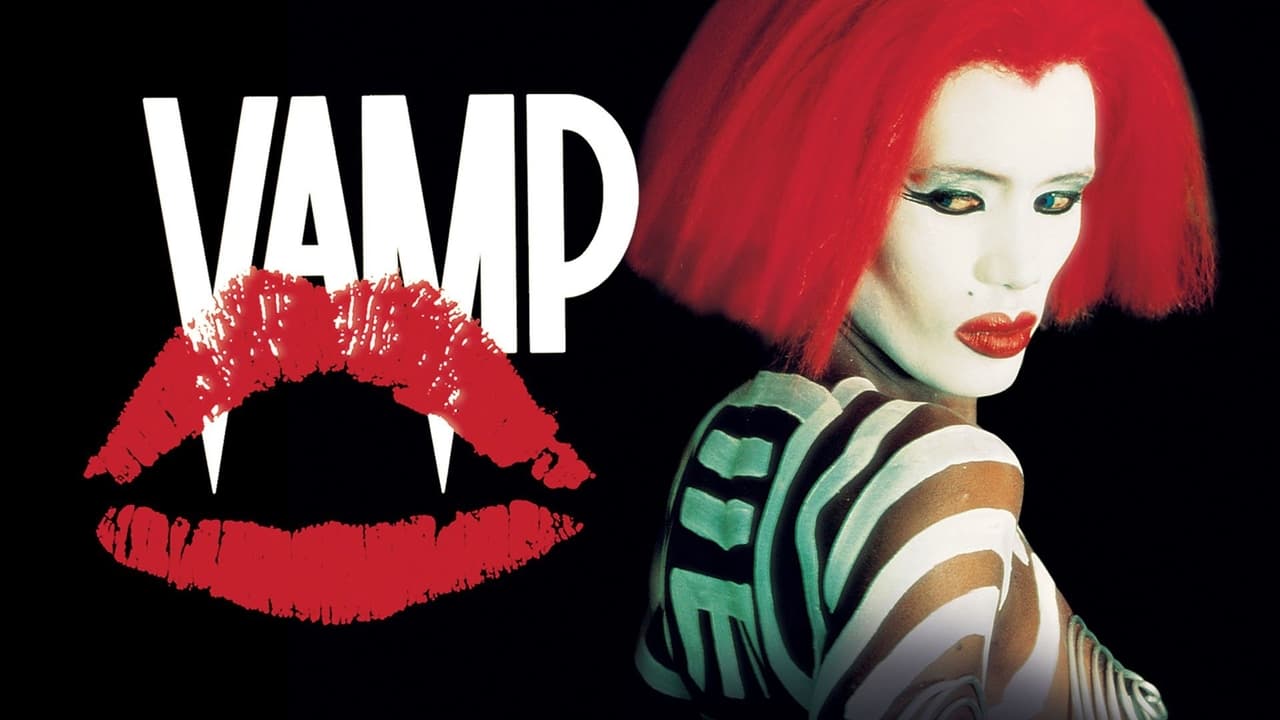
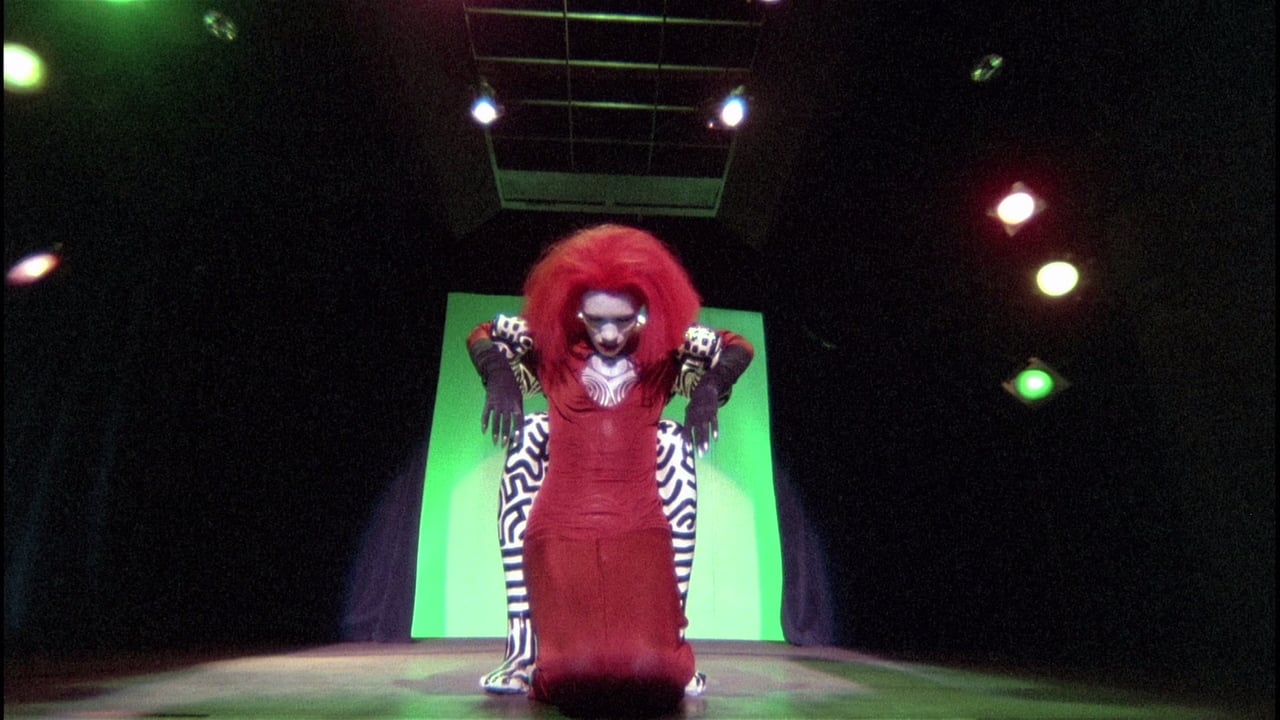
The film absolutely ignites the moment Grace Jones appears as Katrina, the club's star performer and, spoiler alert (though is it really after all these years?), queen vampire. Let’s be honest, Jones is the movie for many people. Already a formidable icon of music and fashion, her casting was a stroke of genius. Her entrance performance is pure, hypnotic 80s art-house weirdness – silent, menacing, utterly captivating. That incredible, almost tribal body paint? That was the work of legendary artist Keith Haring, reportedly applied in painstaking sessions before filming her scenes. Jones barely speaks a word throughout the film, conveying everything through predatory stares and feline movements. It’s a performance that leans heavily on her unique persona, and it works beautifully, creating a truly otherworldly and intimidating presence.
### From Laughs to Blood Loss
Director Richard Wenk (who, in a fascinating career trajectory, would later co-write modern action flicks like The Equalizer and The Expendables 2) masterfully handles the film's tricky tonal shifts. It starts almost like a Porky's knock-off, full of awkward teenage antics and cruising montages set to bubbly synth-pop. But once the boys enter the After Dark, bathed in lurid greens, pinks, and blues, the atmosphere thickens considerably. Wenk, who reportedly conceived the idea after working on Martin Scorsese's After Hours (1985), clearly knew how to build urban dread. The club itself, mostly constructed on soundstages which added to the claustrophobic feel, becomes a character – a labyrinthine nightmare world where danger lurks behind every beaded curtain.
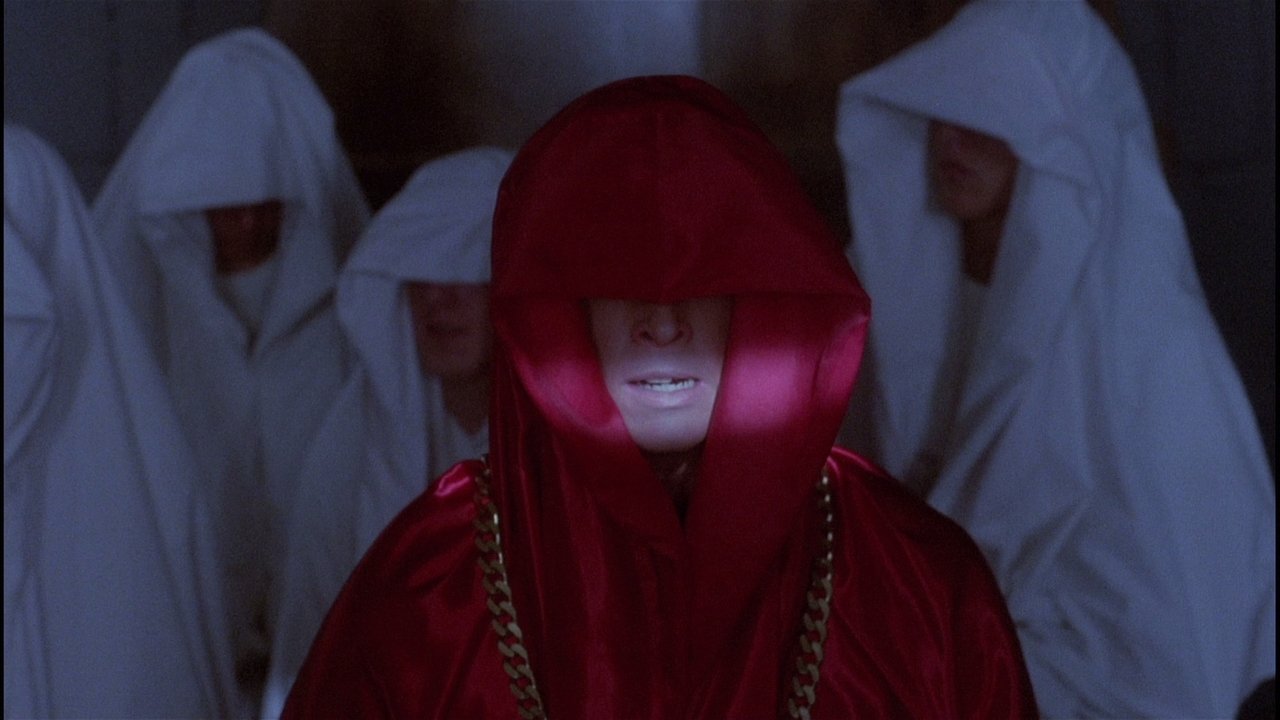
The supporting cast adds layers to the madness. Sandy Baron is pitch-perfect as Vic, the sweaty, desperate club owner who seems slightly less dangerous than his main attraction, but only just. And who could forget Billy Drago as Snow, the albino gang leader who provides a very human, yet equally bizarre, threat? His intense stare could curdle milk through the TV screen.
### That 80s Bite: Practical Gore and Grime
Now, let's talk effects. This was 1986, folks. CGI wasn't painting over every imperfection. When a vampire gets staked or meets the sun (or sewer water, in one memorable scene), you felt it because it was often achieved through makeup, prosthetics, and gooey practical effects. Remember how startling those transformations looked back then? The sudden fangs, the distorted features – maybe a bit rubbery by today's standards, but they had a tangible, messy quality that digital effects often lack. The gore isn't overwhelming, likely constrained by its estimated $3 million budget, but it's effective within the film's darkly comic context. The fight scenes feel scrappy and desperate, not overly choreographed, adding to the sense of real peril for our increasingly terrified heroes. This wasn't slick Hollywood action; it was down-and-dirty survival horror with laughs.
### Cult Status Cemented on Magnetic Tape
Vamp wasn't a box office smash, nor was it particularly beloved by critics upon release. It was perhaps too strange, too tonally inconsistent for mainstream audiences expecting either a straight comedy or a full-bore horror film. But oh, did it find its audience on home video! My own well-worn VHS copy is testament to that. It became a staple of late-night cable and video store shelves, a cult classic passed around among fans who appreciated its unique blend of humor, horror, striking visuals, and, of course, the unforgettable Grace Jones. It perfectly captured that specific mid-80s aesthetic – part new wave art project, part creature feature, part adolescent romp.
Watching it again now evokes pure nostalgia – the synth score, the fashion (questionable even then!), the sheer audacity of its premise. It’s a film that doesn't take itself too seriously but still manages to deliver genuine atmosphere and a few decent scares. Makepeace and Rusler have a believable camaraderie, evolving from goofy pledges to desperate survivors, grounding the increasingly bizarre events.

Rating: 7/10
Justification: While the plot is thin and the initial comedy feels dated, Vamp scores high on sheer style, atmosphere, and the iconic central performance by Grace Jones. The practical effects hold a certain charm, the tonal shifts are ambitious (if not always seamless), and its status as a unique 80s cult artifact is undeniable. It’s flawed, yes, but memorably so.
Final Thought: Vamp is a time capsule of 80s midnight movie madness – visually arresting, hilariously strange, and powered by one of the most unique vampire performances ever committed to film. It’s the kind of weird gem you’d excitedly discover on a dusty video store shelf, and thankfully, its electric bite still feels sharp today.