Dragon Ball: Curse of the Blood Rubies
Okay, fellow time-travelers of the tape deck! Let's rewind to a time before screaming power-ups echoed across galaxies, before Saiyan lineages became common knowledge. Cast your minds back, if you will, to the bright, bouncy beginnings of a legend. For many of us clutching worn-out rental copies, Dragon Ball: Curse of the Blood Rubies (originally Doragon Bōru: Shenron no Densetsu in Japan, 1986) wasn't just a movie; it was perhaps our very first cinematic dive into the boundless, bizarre world crafted by the inimitable Akira Toriyama. It felt like discovering a secret treasure map, sketched in vibrant cel animation.
### An Alternate Beginning, Same Wild Energy
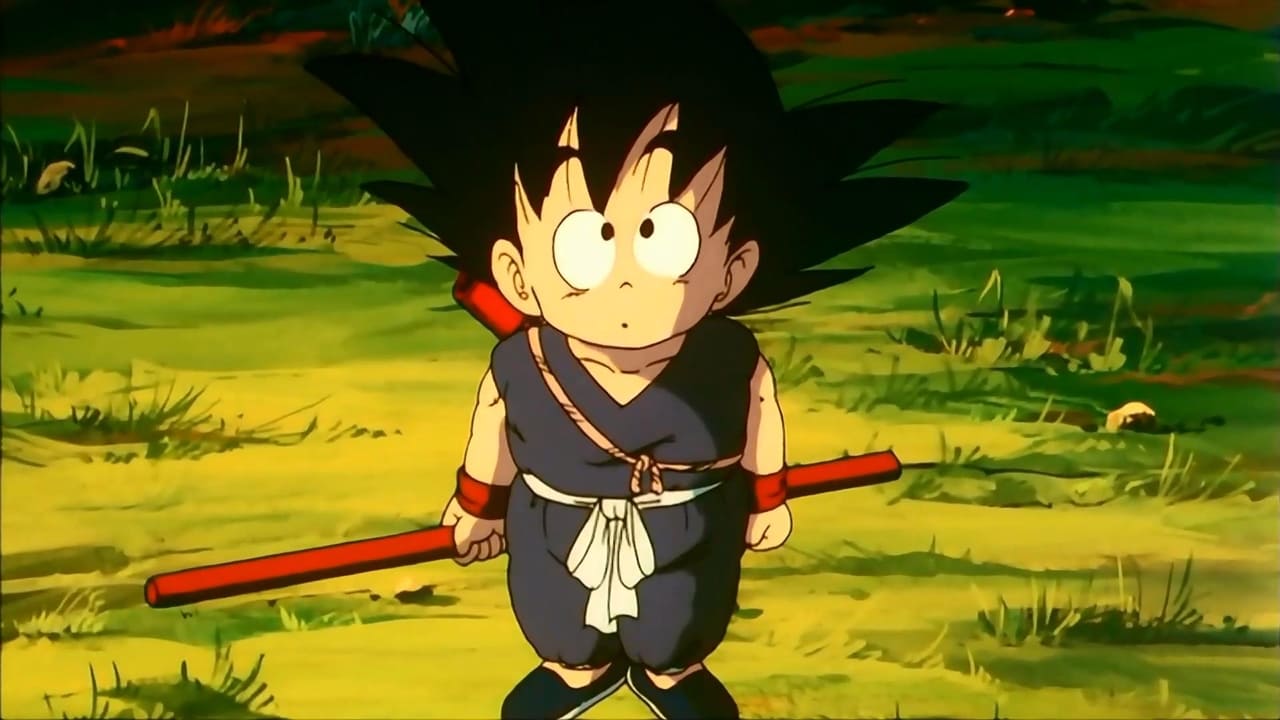
Right off the bat, seasoned fans of the original manga or the long-running TV series will notice something's different. Directed by Daisuke Nishio, a veteran of the Dragon Ball anime franchise, Curse of the Blood Rubies isn't a direct continuation but rather an alternate retelling of how our core group first assembled. Forget Emperor Pilaf for a moment; here, the initial Dragon Ball hunt gets tangled up with the plight of a kingdom cursed by the tyrannical King Gurumes. This greedy monarch is obsessed with finding delicious food and the mystical Blood Rubies, artifacts unique to this particular adventure.
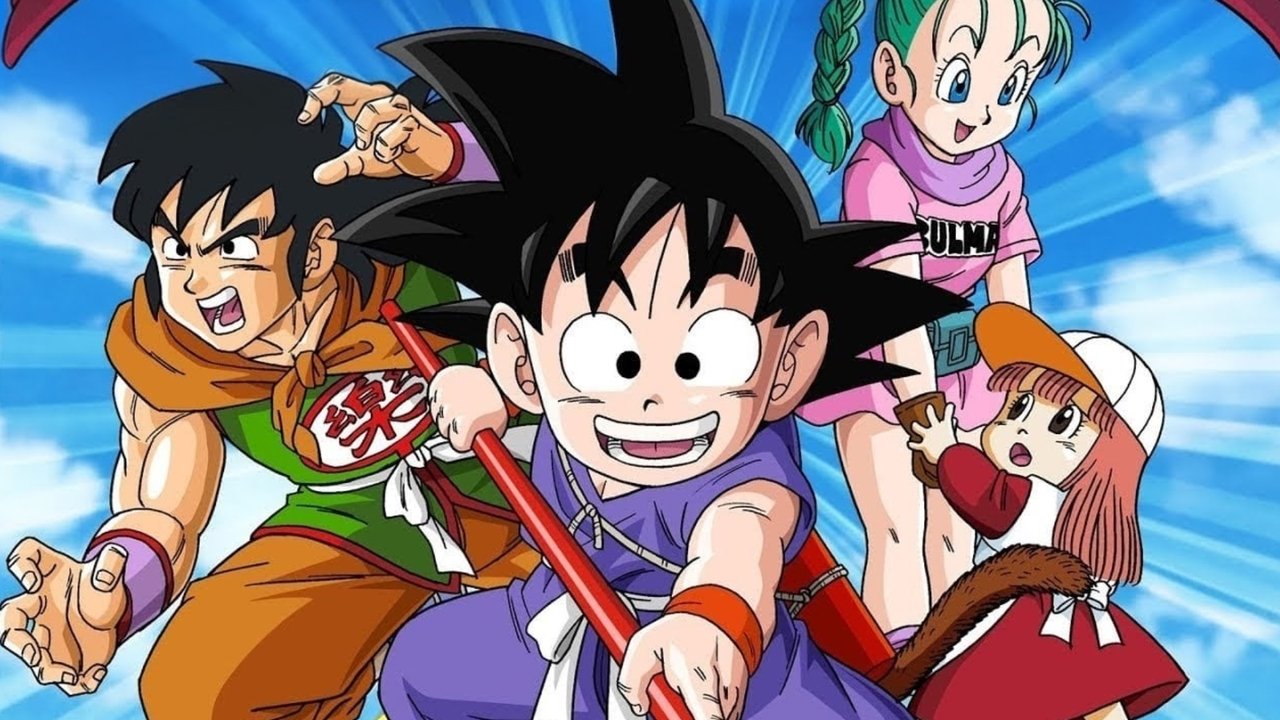
While it condenses and remixes Goku's initial encounters with Bulma, Oolong, Yamcha, and Puar, the film absolutely nails the feel of early Dragon Ball. It captures that intoxicating blend of slapstick comedy, surprisingly dynamic martial arts (before energy beams became the default solution), and wide-eyed adventure that defined the series' genesis. Watching it again feels like flipping through the well-loved pages of an early manga volume – simpler times, perhaps, but brimming with imagination.
### The Gang's Mostly Here
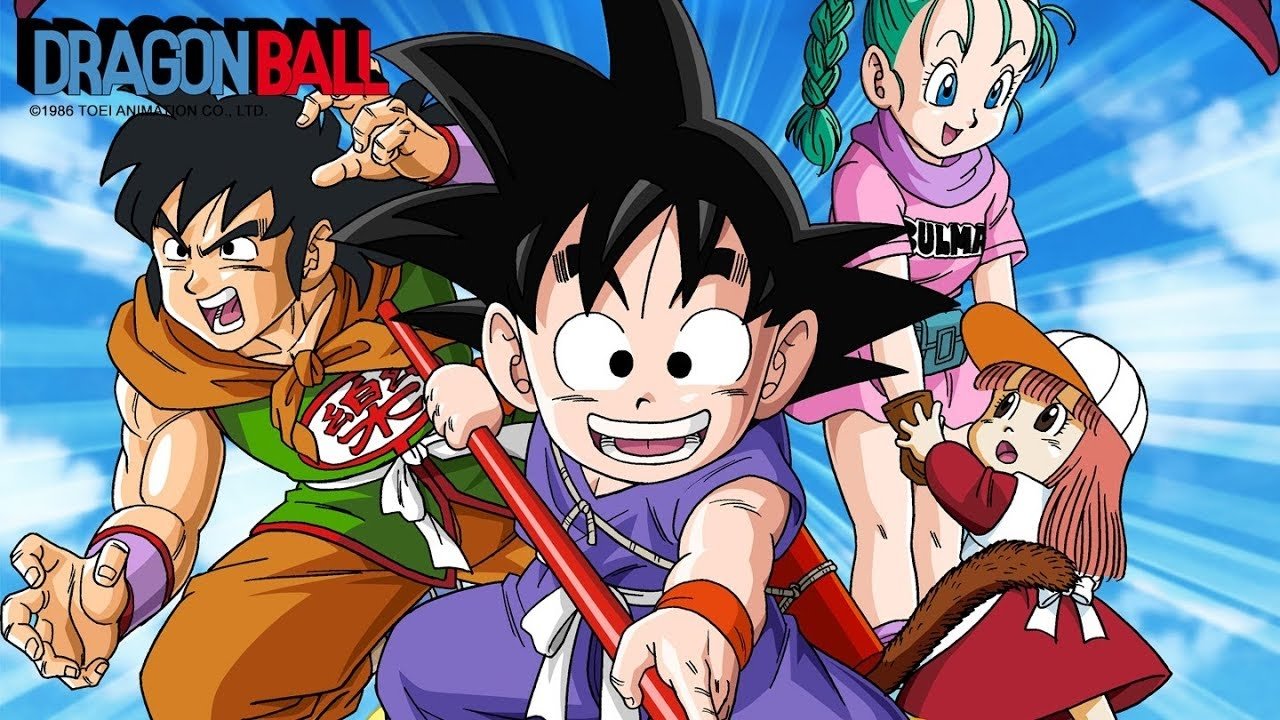
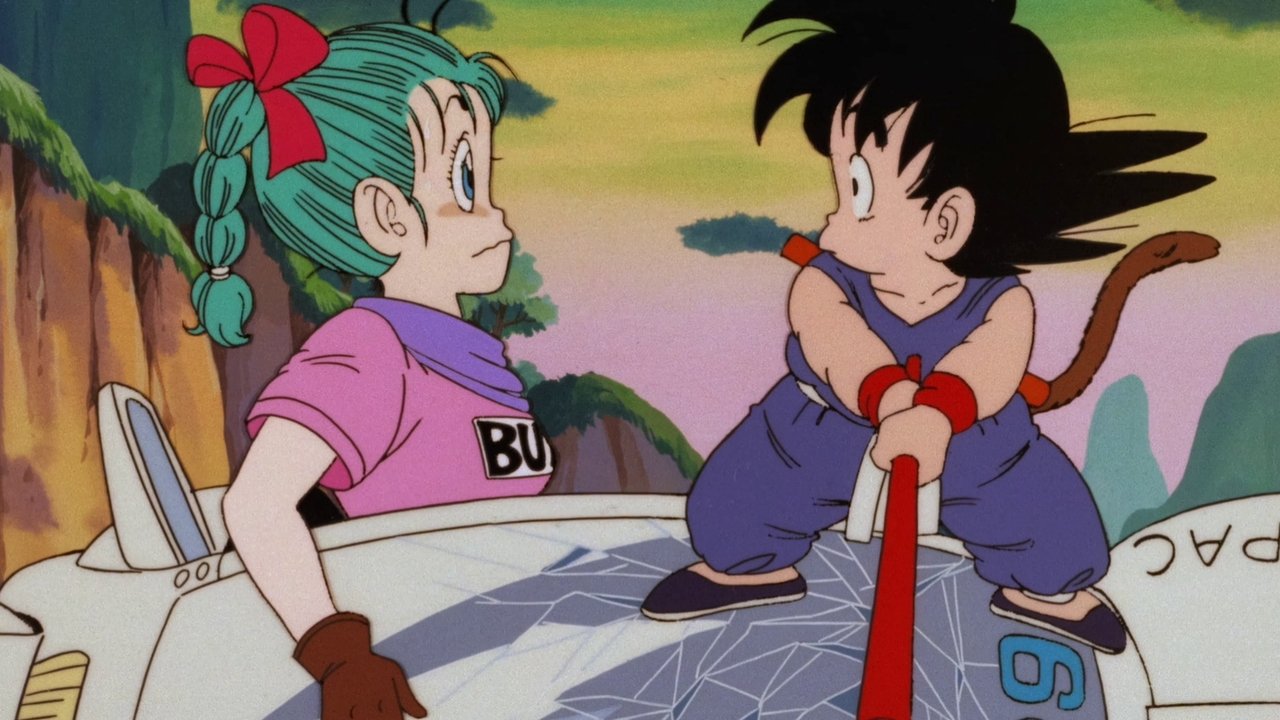
The heart of the film, naturally, is the characters. We get the pure-hearted, impossibly strong Son Goku, voiced with that irrepressible energy only the legendary Masako Nozawa could provide (a voice synonymous with Goku for generations). Opposite him is the brilliant, gadget-obsessed Bulma, brought to life by the equally iconic Hiromi Tsuru. Their clashing personalities – Goku's naivete versus Bulma's worldly (and sometimes exasperated) knowledge – form the comedic and adventurous backbone.
Joining them are the familiar faces: the initially fearsome (but ultimately lovestruck) desert bandit Yamcha, voiced by Tōru Furuya, and the hilariously cowardly shapeshifters Oolong and Puar. Even Master Roshi makes his requisite appearance, bringing his own brand of pervy humor and unexpected wisdom. It’s a whirlwind introduction, but their core dynamics click instantly, showcasing Toriyama's knack for creating memorable ensembles. The new villain, King Gurumes, serves his purpose as a monstrous glutton, a physical manifestation of greed, but admittedly lacks the quirky charm of Pilaf and his gang.
### That Vibrant 80s Anime Sheen
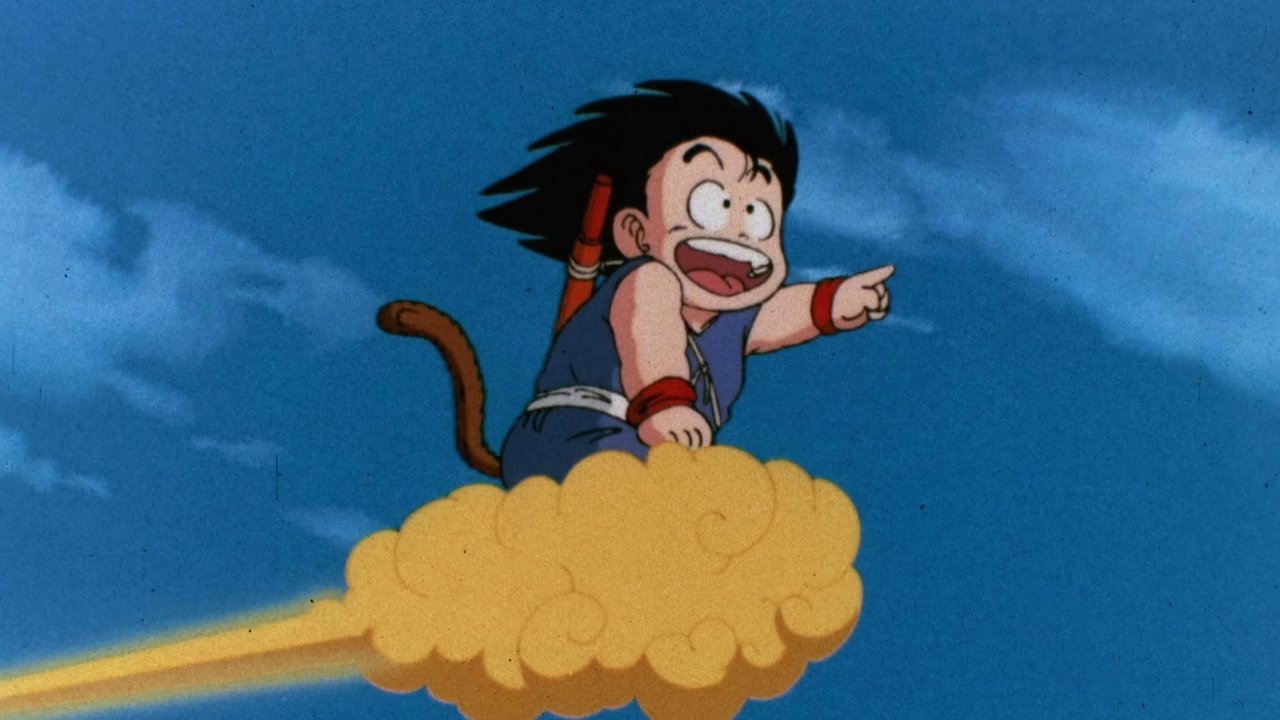
Visually, Curse of the Blood Rubies is a delightful time capsule. Released in December 1986, less than a year after the TV series began airing in Japan, it boasts that distinct mid-80s anime feature film quality. The colors are bright, the character designs (Toriyama's unmistakable rounded, expressive style) are clean and appealing, and the animation, while perhaps not as fluid as later theatrical outings, has a certain energetic charm. The action sequences lean heavily on physical comedy and acrobatic martial arts, feeling grounded (well, as grounded as Dragon Ball gets!) compared to the cosmic scale of Z. There's a tactile quality to it, a reminder of the hand-drawn craft that defined the era.
Retro Fun Facts: This being the very first Dragon Ball movie makes it a significant piece of the franchise's history. It wasn't just adapting existing stories; writer Toshiki Inoue had to weave a new threat (King Gurumes and the Blood Rubies) into the established framework of the first Dragon Ball hunt. For many international fans, tracking down this movie (and its immediate successors, Sleeping Princess in Devil's Castle and Mystical Adventure) on VHS involved scouring specialty shops or trading tapes – often leading to encounters with various English dubs of fluctuating quality before Funimation standardized things much later. Seeing that Toei Animation logo flash up, followed by Goku bursting onto the screen, was always a thrill, regardless of the tape's condition.
### Simple Fun, Enduring Appeal
Let's be clear: Curse of the Blood Rubies doesn't have the intricate plots or staggering power levels that would later define Dragon Ball Z. Its narrative is straightforward – find the Dragon Balls, stop the bad guy, maybe learn a little something about friendship along the way. But honestly? That's a huge part of its enduring charm. It represents Dragon Ball in its purest, most adventurous form. It’s about the joy of exploration, the humor found in bizarre situations, and the simple thrill of watching a kid with a monkey tail punch dinosaurs and foil villains with infectious optimism.
Watching it today is like revisiting a cherished childhood memory. It might seem basic compared to what came later, but the foundation is solid gold. The world feels vast and full of possibilities, the humor lands (mostly!), and the action, particularly Goku's staff-wielding prowess, is genuinely fun to watch. It perfectly captures that feeling of embarking on a grand, unpredictable quest. Didn't we all, at some point, wish we could just hop on a Flying Nimbus and see where the wind took us?
***
VHS Heaven Rating: 7/10
Justification: Curse of the Blood Rubies earns a solid 7 for being a charming, energetic, and historically significant first cinematic outing for Goku and pals. It perfectly captures the adventurous, humorous spirit of early Dragon Ball, boasting lovely 80s animation and establishing the core character dynamics effectively. While the plot is a simple, alternate retelling and the villain isn't the most memorable, its sheer nostalgic value and faithfulness to the original tone make it a delightful watch. It’s pure, unadulterated fun from a simpler time in the Dragon Ball universe.
Final Thought: Before the fate of the universe hung in the balance, it was just about finding seven magic balls and maybe getting a wish. This movie is a wonderful reminder of those bright, adventurous beginnings, a perfect dose of uncomplicated nostalgia.