## The Wish We Didn't Know We Needed: Revisiting Dragon Ball's Youth

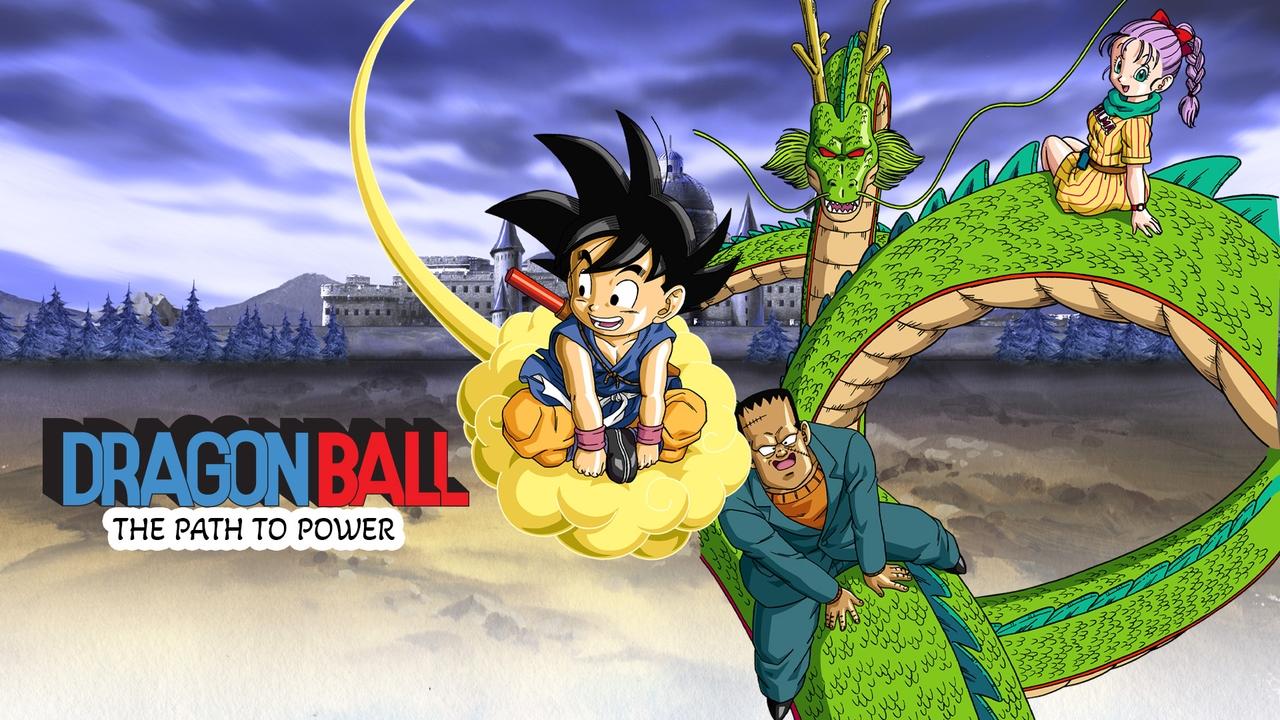
By 1996, many of us who followed Goku's adventures were deep into the planet-shattering chaos of Dragon Ball Z. Power levels were astronomical, villains were galactic threats, and the quiet charm of a little monkey-tailed boy meeting a blue-haired city girl felt like a lifetime ago. Then, seemingly out of the blue (or perhaps summoned by a wish?), came Dragon Ball: The Path to Power. This wasn't just another movie; it was a time machine, a beautifully animated love letter celebrating the 10th anniversary of Akira Toriyama's phenomenal creation, taking us right back to where it all began, but with a fresh coat of paint and a slightly different map. Finding this on VHS felt like discovering a secret chapter, a chance to relive the wonder of those early days through a slick, modern lens.
A Familiar Road, A Different Journey
Directed by Shigeyasu Yamauchi, a veteran who helmed some of the most visually striking DBZ movies (like Cooler's Revenge and Broly – The Legendary Super Saiyan), The Path to Power is essentially a reimagining of the initial arcs of Dragon Ball. We see Goku, the pure-hearted wild child, encounter Bulma and her quest for the mystical Dragon Balls. Familiar faces like Oolong, Yamcha, Puar, and Master Roshi appear, triggering that warm wave of recognition. But screenwriter Aya Matsui doesn't just retrace old steps. The narrative cleverly condenses and remixes events, most notably integrating the formidable Red Ribbon Army as the central antagonists much earlier than in the original storyline.

This merging works surprisingly well, giving the film a tighter focus and a more immediate sense of threat than the episodic nature of the early manga and anime allowed. Seeing Commander Red, General White, and the imposing Metallic Sergeant woven into the initial Dragon Ball hunt provides a different kind of tension. It streamlines the adventure, making it feel like a self-contained epic, perfect for a feature film format. Some purists might miss certain detours or character beats from the original telling, but the core spirit – the blend of goofy humor, earnest friendship, and burgeoning martial arts action – remains wonderfully intact.
Polished Power: Animation That Shines
One of the most immediate joys of The Path to Power is its visuals. Released theatrically in Japan, the animation quality is a significant step up from the TV series of the era. Character models are sharp and expressive, benefiting from the refined designs common in mid-90s anime features. Backgrounds are lush and detailed, bringing the whimsical world of early Dragon Ball to life with vibrant colour. Yamauchi's direction shines in the action sequences. While not reaching the cosmic scale of later DBZ, the fights are fluid, dynamic, and creatively choreographed, perfectly capturing Goku's scrappy, instinctual fighting style and the slightly more grounded (by Dragon Ball standards!) threats he faces. The Kamehameha wave reveal, for instance, feels appropriately momentous, rendered with more cinematic flair than ever before.
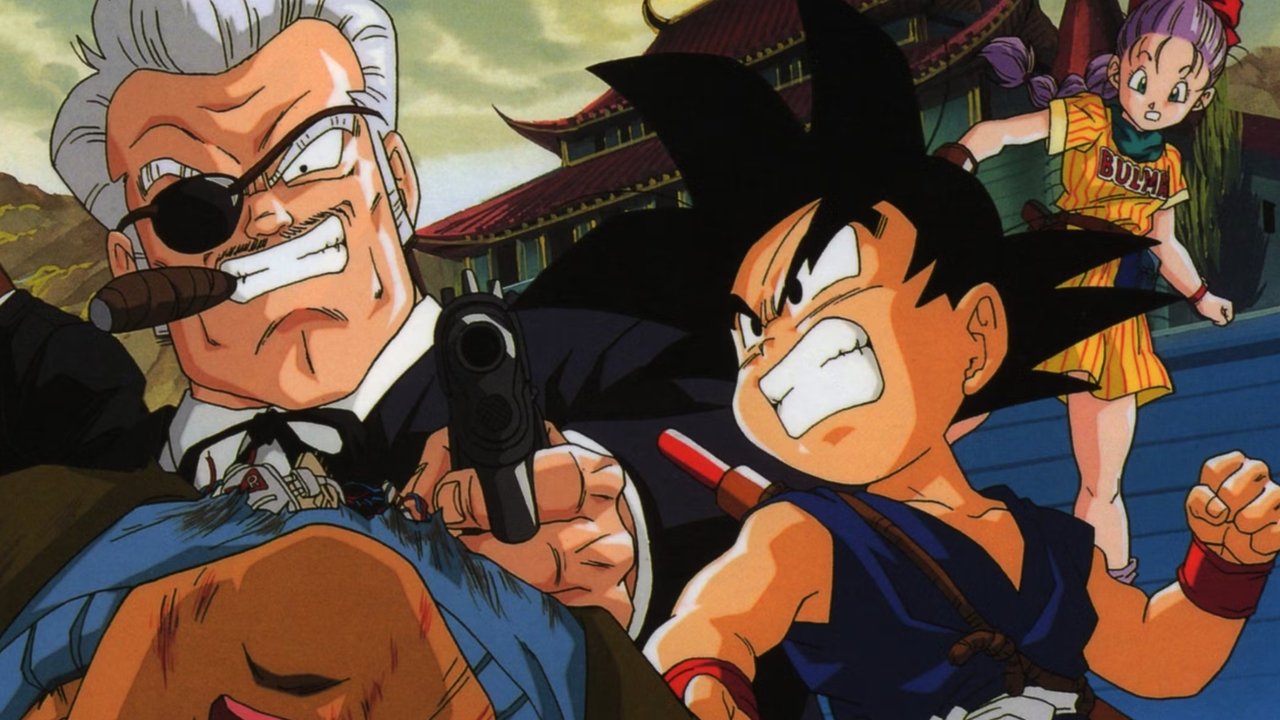
And let's talk about the Red Ribbon Army's tech! Their mechs and contraptions, always a highlight, look particularly menacing and cool here. It’s that perfect Toriyama blend of militaristic hardware and slightly goofy, almost toy-like design that defines so much of Dragon Ball's aesthetic charm. Seeing it all rendered with this level of polish was, and still is, a genuine treat.
Voices of Our Childhood Adventures
Hearing the original Japanese cast reprise their roles is like slipping on a comfortable old pair of sneakers. Masako Nozawa is Goku, capturing both his naive innocence and fierce determination with unparalleled energy. Hiromi Tsuru brings her trademark sass and smarts to Bulma, the perfect foil for Goku's wilderness upbringing. And Naoki Tatsuta's Oolong remains the lovably cowardly shape-shifter we remember. Their familiar voices ground the slightly altered narrative, ensuring these characters feel exactly right, even when navigating a slightly unfamiliar plot. For many Western fans who discovered this later on potentially dubbed VHS, the experience might differ, but the strength of the original performances is undeniable.
A Nostalgic Anniversary Gift
Understanding The Path to Power's context enriches the viewing. Created to mark a decade of Dragon Ball, it arrived at a curious time – Dragon Ball GT had just begun airing in Japan. So, while the main franchise was venturing into new (and sometimes controversial) territory, this film served as a poignant look back. It wasn't just retelling the story; it was celebrating its roots, reminding everyone of the simple charm and adventurous spirit that started it all. It might not have garnered the same international box office attention as Hollywood blockbusters, but for fans, it was a precious commodity, another piece of the sprawling Dragon Ball puzzle to track down and cherish on tape. I distinctly remember the buzz when fans realized this wasn't just another movie, but a retelling of the very beginning – it felt special.
It skillfully balances action with the lighthearted comedy that defined early Dragon Ball. Moments like Goku’s confusion about technology or Bulma’s exasperation still land beautifully. It’s a reminder that before the universe-ending stakes, Dragon Ball was often just about a weird little kid having incredible adventures and making friends. This film captures that feeling wonderfully, compressing the joy of discovery into a brisk 80 minutes.
Final Verdict
Dragon Ball: The Path to Power is more than just a footnote in the franchise's history. It's a beautifully animated, cleverly streamlined retelling of the story's origins, bursting with charm, action, and affection for its source material. It works brilliantly as both a nostalgic trip for longtime fans and a surprisingly effective introduction to the world of Dragon Ball for newcomers curious about where the legend began. The condensed plot might skip some beloved moments, but it crafts a satisfying and energetic adventure in its own right.
Rating: 8/10 - This score reflects the superb animation quality for its time, the successful remixing of classic story elements into a cohesive film, the enduring charm of the characters, and its value as both a celebration and a standalone adventure. It captures the heart of early Dragon Ball with style and energy.
It’s a reminder that sometimes, the most powerful wish is simply the chance to experience a beloved adventure all over again, maybe even finding something new along the path.