Dragon Ball: Sleeping Princess in Devil's Castle
Okay, rewind that tape! Remember digging through the slightly chaotic "Animation" or maybe even the "Martial Arts" section of the video store, past the endless rows of action heroes and slasher flicks, and stumbling upon something… different? If you were lucky, maybe you pulled out a slightly worn copy of Dragon Ball: Sleeping Princess in Devil's Castle. Released in 1987, this wasn't quite the Dragon Ball Z that would later explode across Western TVs, but something earlier, quirkier, and possessing a raw energy all its own. Finding this felt like uncovering a secret history, a glimpse into the origins of Goku's adventures before the planet-shattering power levels became the norm.
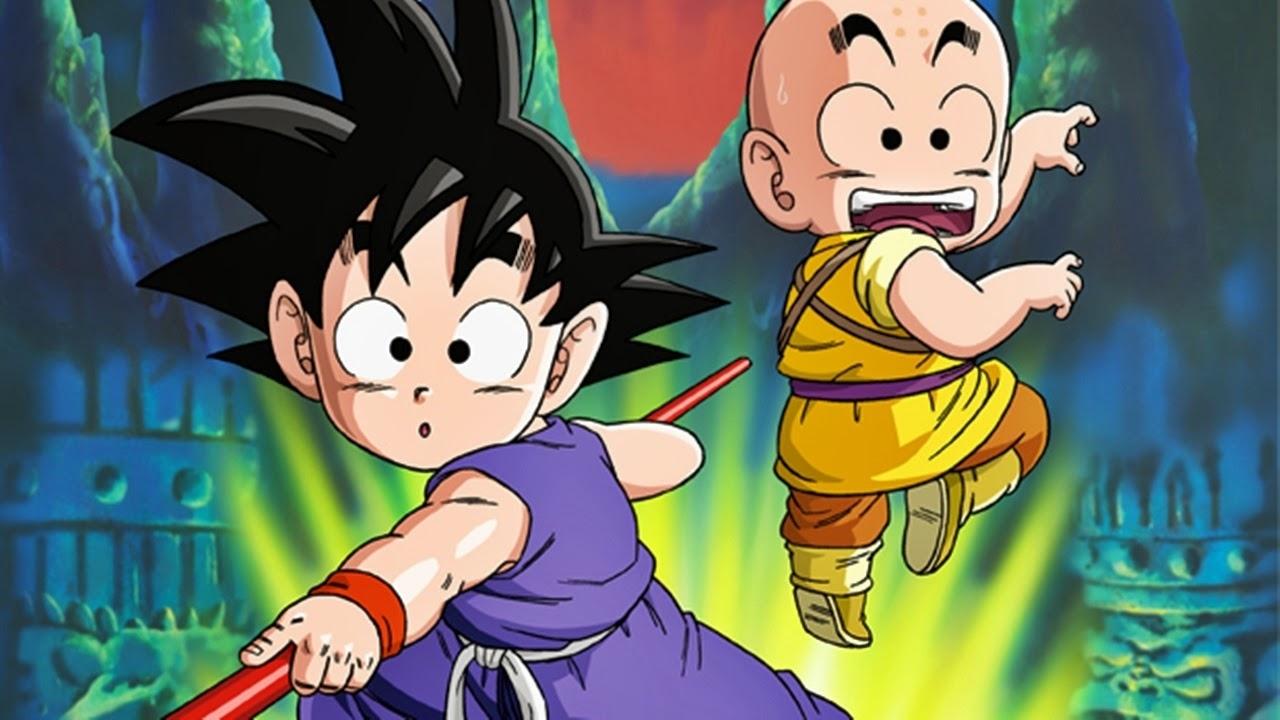
This second theatrical outing for the Dragon Ball franchise throws us right back into that wonderful, weird period where Master Roshi's training methods involved, well, frankly bizarre fetch quests. Instead of just lifting weights or sparring, Goku and a newly arrived Krillin (Mayumi Tanaka giving him that perfect initial scrappiness) are tasked with retrieving the legendary Sleeping Princess from the ominous Devil's Castle for the lecherous old master. It’s a premise that immediately screams classic Akira Toriyama – blending high-stakes adventure with pure, unadulterated silliness.
### A Different Kind of Training Montage
What’s fascinating about Sleeping Princess is how it remixes early Dragon Ball lore. Penned by Toshiki Inoue, who would later work on numerous tokusatsu shows and even Death Note, the script takes familiar elements – Goku meeting Krillin, their rivalry, training under Roshi (Kōhei Miyauchi's iconic original voice work shining through) – and weaves them into a completely new, non-canon narrative. Forget finding Roshi a "girlfriend" like in the manga; here, the quest is framed as a test of worthiness. It’s a compact adventure that captures the spirit of early Dragon Ball even as it plays fast and loose with the established timeline. You also get early appearances from Bulma (Hiromi Tsuru’s unmistakable energy), Yamcha, Puar, and Oolong, all converging on the castle for their own reasons, adding to the delightful chaos.
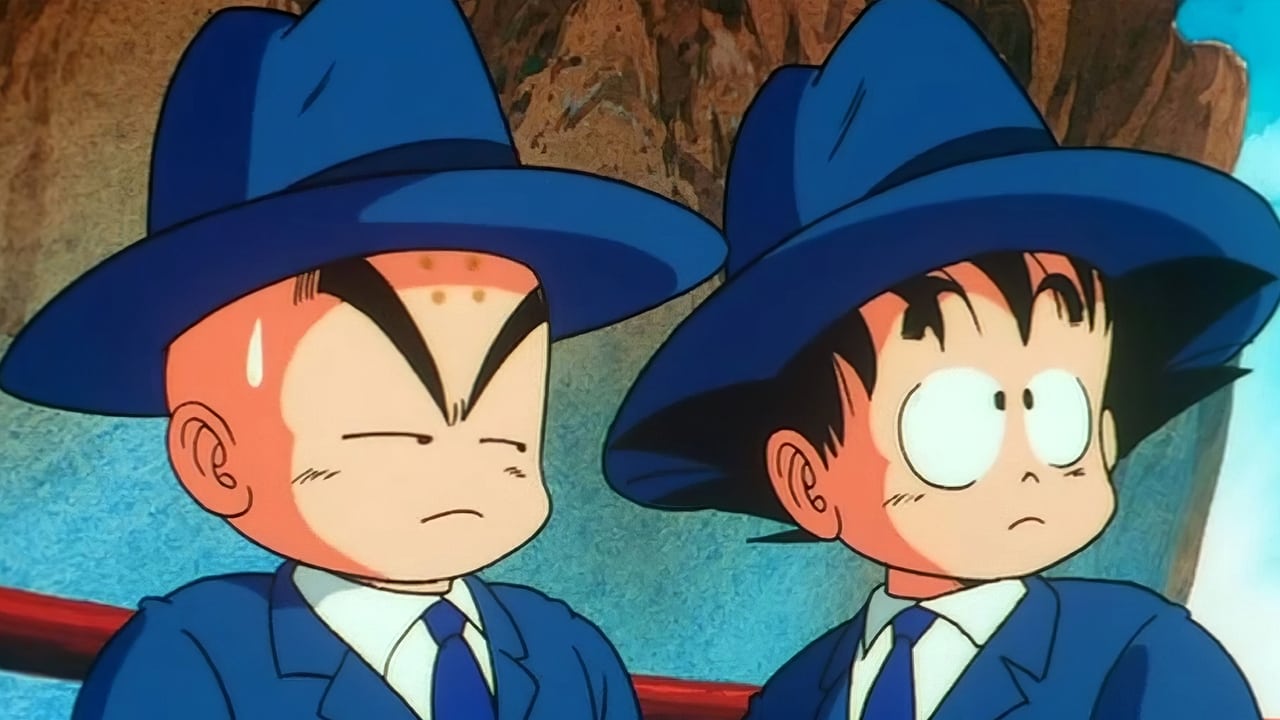
The direction, handled by Daisuke Nishio (who also helmed the first film, Curse of the Blood Rubies (1986), and countless TV episodes), keeps things moving at a brisk pace typical of the era's anime features, often screened as part of the "Toei Manga Matsuri" film festivals alongside other animated shorts. There’s no fat here; it’s a lean 45-minute blast of action and comedy. The animation itself is pure 80s Toei – sometimes wonderfully fluid and dynamic, especially during the fight scenes, other times charmingly off-model in ways that just wouldn't fly today. But isn't that part of the appeal? That hand-drawn imperfection, the slight flicker on the CRT screen, felt so vibrant and alive.
### Hand-Drawn Havoc in Devil's Castle
Let's talk about that action. This is pre-Z power scaling, remember. Fights are grounded (mostly!), relying on speed, technique, and cleverness rather than just raw energy output. When Goku (Masako Nozawa, already embodying his infectious optimism and battle spirit) squares off against the demonic inhabitants of the castle, led by the suave, anime-original villain Lucifer, the choreography feels tangible. You see the impact, the quick dodges, the satisfying thwack of fists and feet connecting. These weren't the hyper-smooth, digitally assisted sequences of modern anime; they had a certain grit, a feeling that actual artists were pouring energy onto every cel. Remember how impressive even a simple energy blast, like Goku's early Kamehameha, looked back then? It felt like a monumental effort, not just another Tuesday.
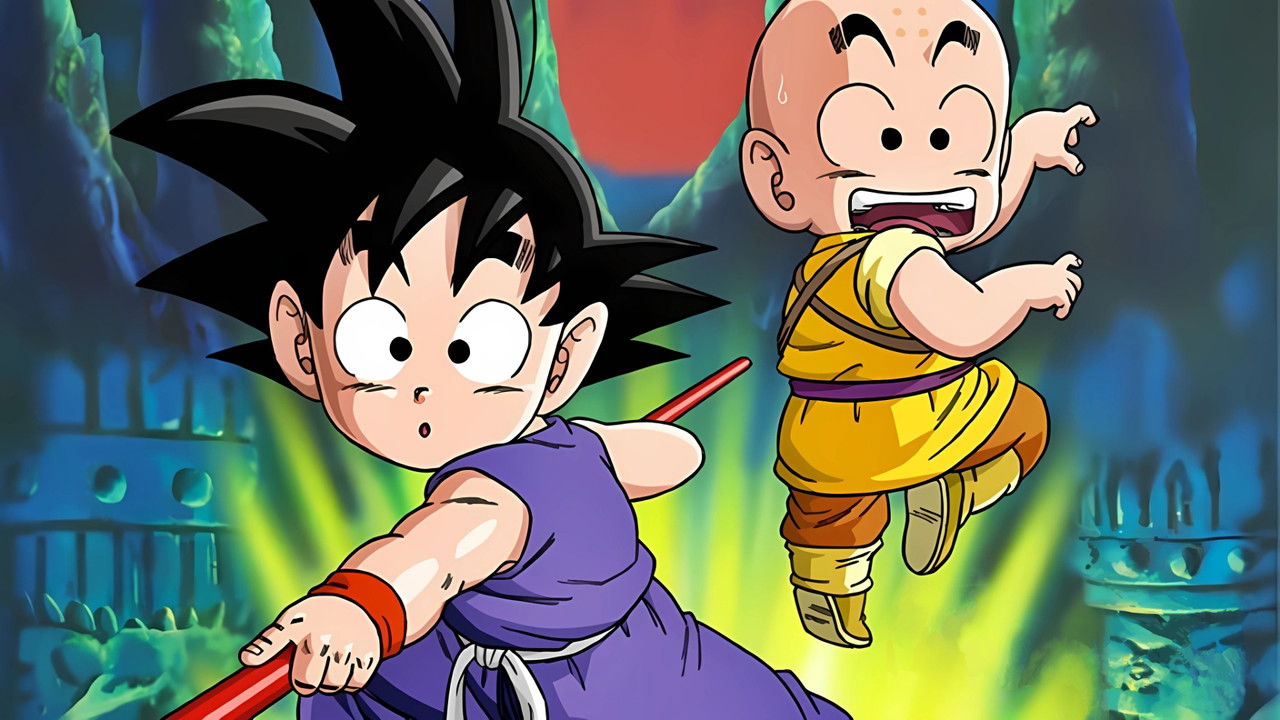
The castle itself provides a great backdrop – spooky, filled with traps, and populated by classic movie monsters given a Toriyama twist. Seeing Launch pop up (in both her blue-haired and blonde, trigger-happy forms!) is always a treat for fans of the original series, especially since she sadly got sidelined later on. It’s these little nods, these character moments squeezed between the fights and gags, that really make Sleeping Princess feel like a warm slice of Dragon Ball history. The score, by the legendary Shunsuke Kikuchi, instantly transports you back, hitting all those nostalgic adventure and fight cues that became synonymous with the franchise.
Finding details about the specific budget for these festival films is tough, but they were clearly made efficiently, designed to entertain kids on school holidays. Yet, they laid crucial groundwork. While maybe not a box office titan internationally at the time (the big Dragon Ball wave was yet to crest outside Japan), films like this kept the franchise alive and kicking, building the momentum that would lead to global phenomenon status. It’s a vital piece of the puzzle.
### Final Thoughts from the Castle
Dragon Ball: Sleeping Princess in Devil's Castle isn't essential viewing to understand the main story, but it's a ridiculously fun side quest. It captures that early adventurous spirit, the blend of goofy humor and exciting martial arts that defined the original series, all packed into a bite-sized runtime perfect for a late-night VHS session. The animation has that distinct 80s charm, the voice acting is iconic, and the plot, while simple, is pure Toriyama-inspired entertainment.
Rating: 7/10 - A thoroughly enjoyable, non-canon romp that perfectly distills the early Dragon Ball magic. It’s energetic, funny, and packed with familiar faces in a fresh scenario. The animation might show its age, but its hand-drawn vitality and classic character work more than compensate, offering a delightful snapshot of the series before it went Super Saiyan.
VHS Verdict: A fantastic find in the video store archives, capturing the raw, adventurous fun of 80s anime before digital polish smoothed everything out. Still a charming blast today.