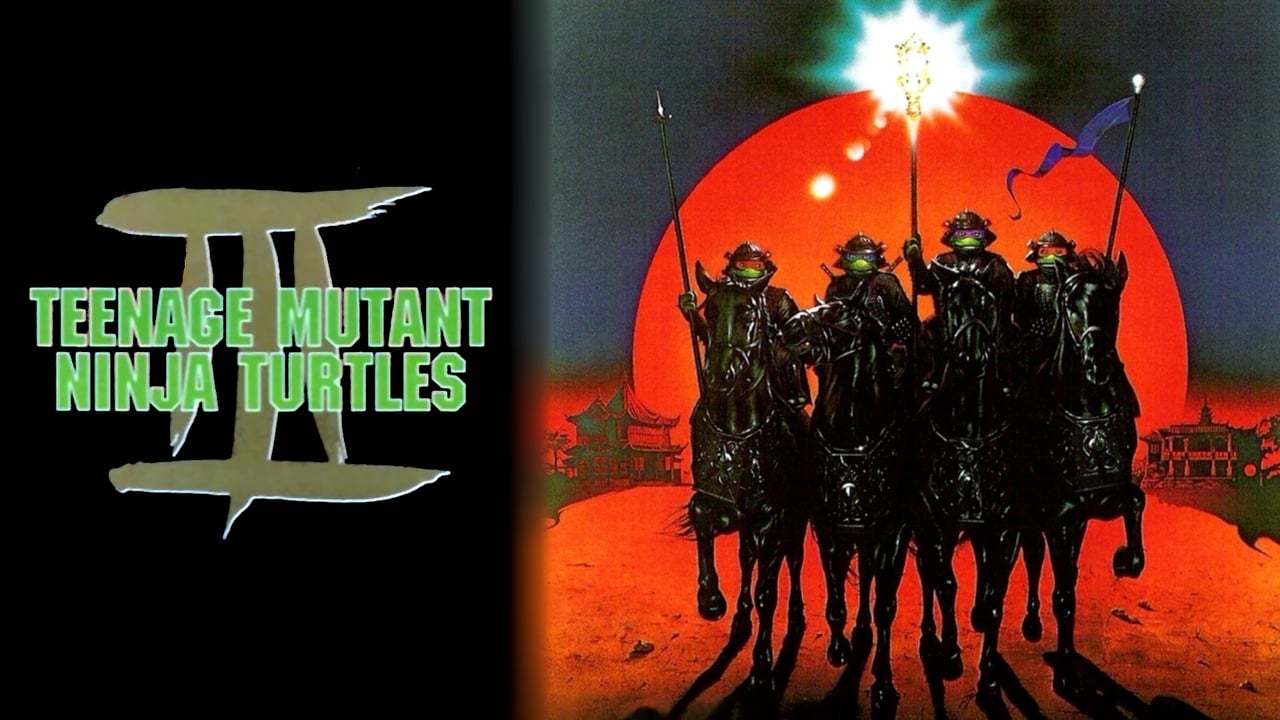
Alright, grab your slice of pizza (extra cheese, obviously) and settle in. Let's rewind the tape back to 1993, a time when Turtle Power was still riding high, though perhaps starting to show a few cracks in its shell. We'd devoured the gritty original Teenage Mutant Ninja Turtles (1990) and cheered through the slightly goofier, Vanilla Ice-infused Secret of the Ooze (1991). Anticipation for a third outing was palpable. Then, Teenage Mutant Ninja Turtles III landed, whisking our heroes not through the sewers of New York, but back to feudal Japan via a magical antique scepter. And let’s be honest, something felt… different right out of the box.
### Shell Shocked by the Sequel?
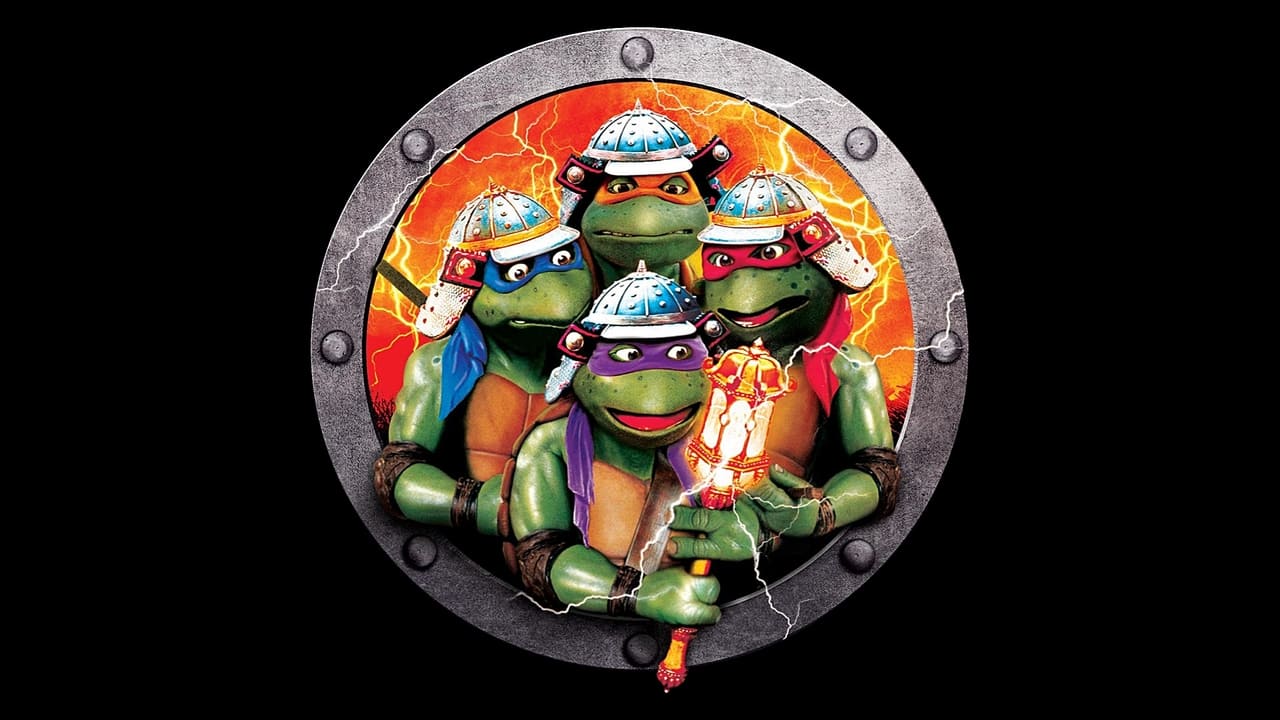
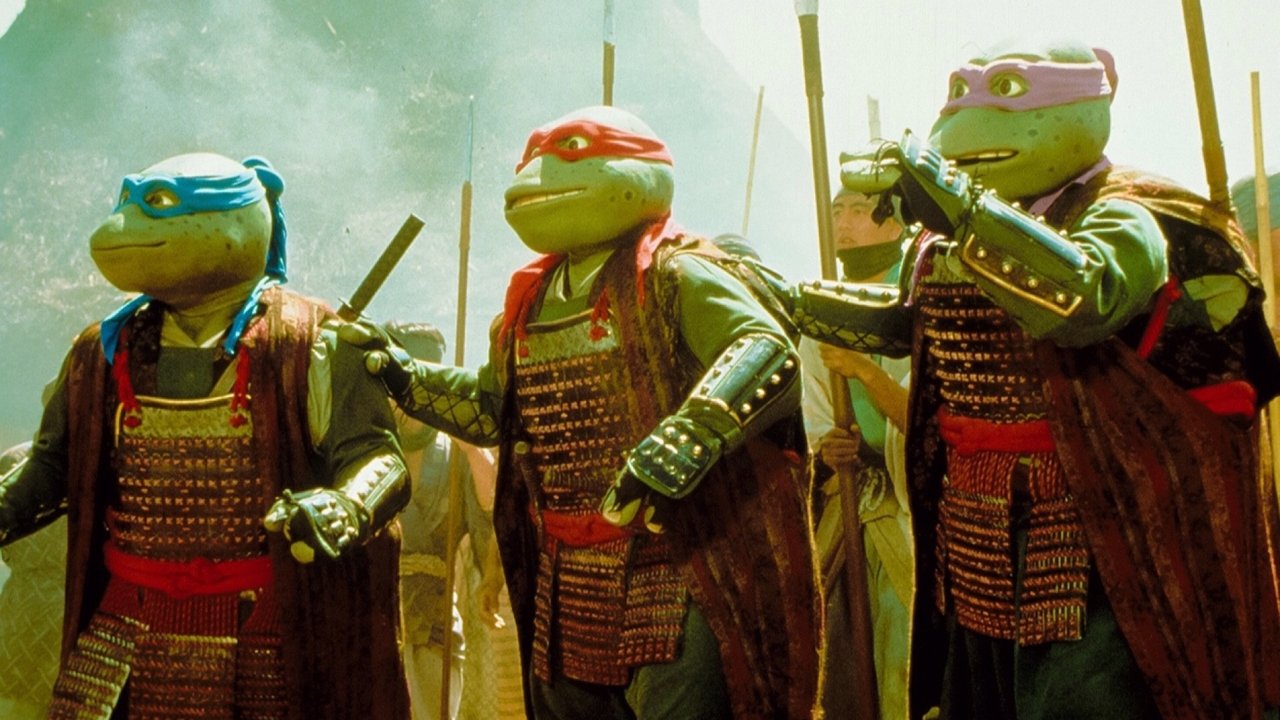
The premise itself is a classic fish-out-of-water setup, multiplied by four turtles and their reporter friend April O'Neil (Paige Turco, returning from Ooze). When April accidentally activates a mystical Japanese artifact – a time-traveling scepter – she finds herself transported to 17th-century Japan, swapping places with Kenshin, a young prince from that era. Naturally, Leonardo, Donatello, Michelangelo, and Raphael follow her through time, landing knee-deep in a conflict between rebellious villagers and the ruthless English trader Walker (Stuart Wilson) and the local Daimyo Norinaga.
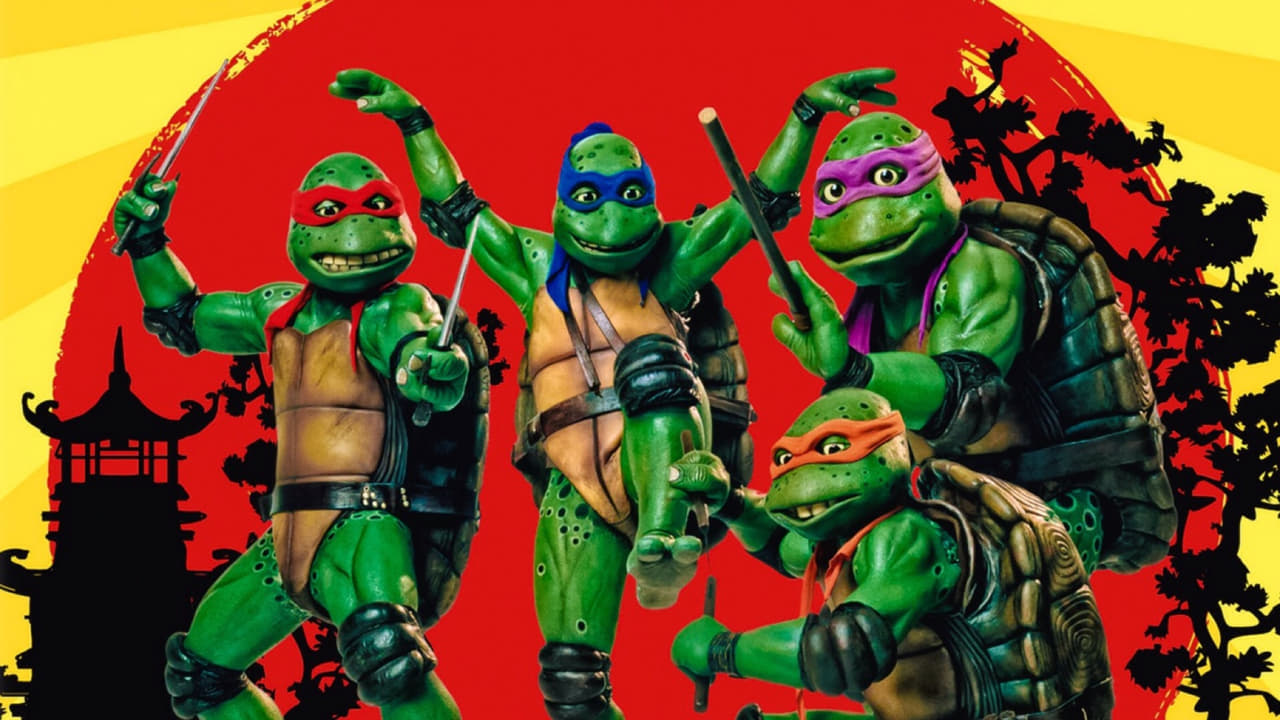
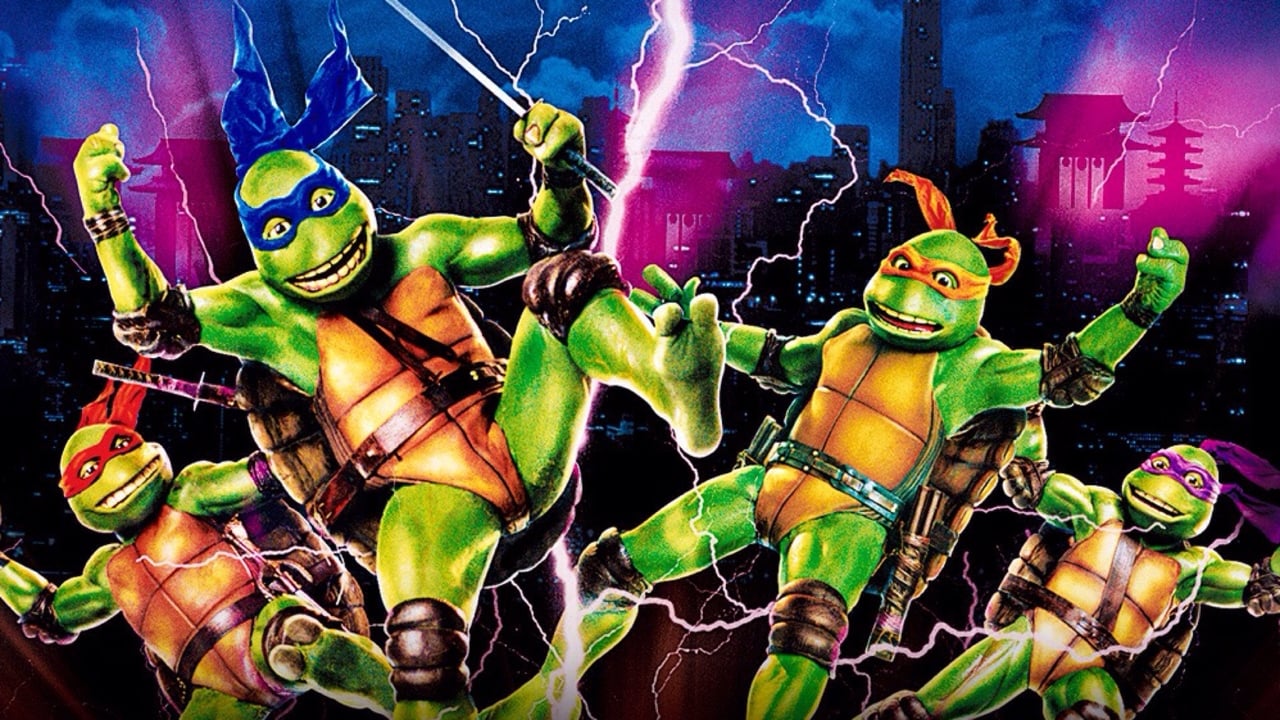
It sounds like prime adventure fodder, right? And yet, the execution felt like a noticeable step down from the previous entries. Part of the initial jolt, felt even back then on fuzzy CRT screens, was the look of the Turtles themselves. The magic conjured by Jim Henson's Creature Shop for the first two films, which gave the Turtles such incredible personality and texture, was absent here. Due to budget constraints (the film was made for around $21 million, significantly less than its predecessors), the animatronic duties fell to the All Effects Company. While they certainly tried, the resulting Turtle suits often looked bulkier, less expressive, and dare I say, a bit cheaper. The nuanced facial movements that made the Henson creations feel so alive were replaced with broader, sometimes clunkier expressions. It was a difference you could feel, even as a kid just wanting more Turtle action.
### Not Quite Henson, Not Quite Shredder
Compounding the visual downgrade was the absence of the Turtles' iconic adversaries. No Shredder, no Foot Clan (well, not the modern Foot Clan), no Krang (who was still confined to the cartoon at this point). Instead, we get Stuart Wilson’s Walker, a sneering, profit-obsessed Englishman who feels more like a villain from a lesser swashbuckler than a genuine threat to our ninjutsu-trained heroes. While Wilson chews the scenery adequately, Walker lacks the personal menace and history that made Shredder such a compelling foe. The conflict in feudal Japan, while offering potential for samurai action, feels somewhat generic and lacks the unique urban grit and bizarre charm of the earlier films.
On the plus side, we do get the welcome return of Elias Koteas, not just as the beloved vigilante Casey Jones (in a slightly reduced, modern-day framing role), but also as Whit, a cynical, roguish ancestor trapped in 17th-century Japan alongside Walker. Koteas brings his usual charisma, and seeing him interact with the Turtles again, even briefly as Casey, provides a spark of the old magic. Paige Turco also remains a solid April O'Neil, handling the time-travel absurdity with aplomb.
### Samurai Shenanigans and Production Quirks
The film was directed and written by Stuart Gillard, perhaps better known for Disney Channel fare later in his career. He attempts to blend the Turtles' established personalities with the samurai setting, leading to moments like Michelangelo trying to introduce surfing ("Cowabunga! Surf's up, dude!... Or down?") and Donatello geeking out over rudimentary mechanics. Some of the humor lands, particularly the fish-out-of-water gags, but the overall tone feels lighter and more aimed at a younger audience than even Secret of the Ooze. The action sequences, mostly involving swordplay and staff-fighting against samurai warriors, are competently staged but lack the dynamic, hard-hitting choreography orchestrated by Pat Johnson in the first two films. Fun fact: much of the feudal Japan setting was actually filmed in the scenic, but decidedly non-Japanese, landscapes around Astoria, Oregon!
Despite its ambitions, TMNT III struggled to recapture the lightning in a bottle of the original. Its box office take reflected this, pulling in around $42 million domestically – a respectable sum, but a steep drop from the first film’s massive $135 million haul (over $280 million adjusted for today!). Critics at the time weren't particularly kind either, and it currently sits at a rather telling 19% on Rotten Tomatoes and a 4.7/10 on IMDb. It effectively marked the end of the Turtles' big-screen dominance for over a decade. You could practically hear the air slowly hissing out of the Turtle blimp.
### Cowabunga Cut Short?
Looking back through the warm glow of the VCR tracking lines, Teenage Mutant Ninja Turtles III is undeniably the weakest link in the original trilogy. The diminished creature effects, the less compelling villains, and the slightly flatter execution prevent it from reaching the heights of its predecessors. Yet, for those of us who grew up during Peak Turtle Mania, there's still a strange, nostalgic fondness for it. It was another Turtles movie, another chance to see our heroes cracking wise and kicking shell, even if the setting was unfamiliar and the magic felt a little faded. It’s like that slightly worn-out action figure in your collection – not the prize piece, but still part of the set, holding memories of a time when four mutated reptiles felt like the coolest heroes on the planet.
VHS Heaven Rating: 4/10
The Verdict: While it lacks the grit of the original and the polished fun of the second, TMNT III's time-traveling adventure offers a few chuckles and some nostalgic value for die-hard fans. The visible step down in production quality, particularly the Turtle suits, and the less-than-memorable villains keep it firmly in the "lesser sequel" category. It’s a curious detour that didn’t quite work, but for a rainy afternoon trip down memory lane? Maybe just maybe.