There's no comfortable entry point to Henry: Portrait of a Serial Killer. No easing you in, no sympathetic hero to latch onto. From its jarring opening moments – a series of chilling, static tableaus depicting the aftermath of violence, set against the detached sounds of the acts themselves – John McNaughton throws the viewer headfirst into the void. This isn't entertainment in the conventional sense; it's a stark, unflinching gaze into the abyss of psychopathy, filmed with a vérité rawness that felt dangerously real on a grainy VHS tape back in the day and still chills to the bone now.

Into the Mundane Darkness
The film, loosely inspired by the alleged confessions of real-life serial killer Henry Lee Lucas, follows Henry (Michael Rooker in a career-defining, terrifyingly vacant performance) as he drifts through a grimy, low-rent Chicago landscape. He works odd jobs, lives quietly, and kills seemingly at random, without passion or remorse. His routine is disrupted by the arrival of Otis (Tom Towles), a former prison buddy, and Otis's sister, Becky (Tracy Arnold), who is fleeing an abusive past. This toxic triangle forms the festering heart of the narrative, pulling Becky towards Henry's quiet intensity while Otis finds a horrifying kinship in Henry's capacity for violence.
What makes Henry so deeply unsettling isn't just the violence itself – though it is brutal and often sudden – but its chilling matter-of-factness. McNaughton refuses to sensationalize. The murders are often shown obliquely, or we see only the lead-up and the aftermath, forcing our imagination to fill in the blanks, which is often far worse. The horror lies in the mundane settings – cheap apartments, dimly lit highways, anonymous streets – where unspeakable acts occur with the same casual indifference Henry exhibits towards fixing a television. The film’s notoriously low budget (around $110,000, a figure almost unbelievable for the impact it achieved) inadvertently became its greatest asset, grounding the horror in a gritty, depressingly familiar reality. There are no slick Hollywood sets here, just the oppressive atmosphere of urban decay.
A Trinity of Unease
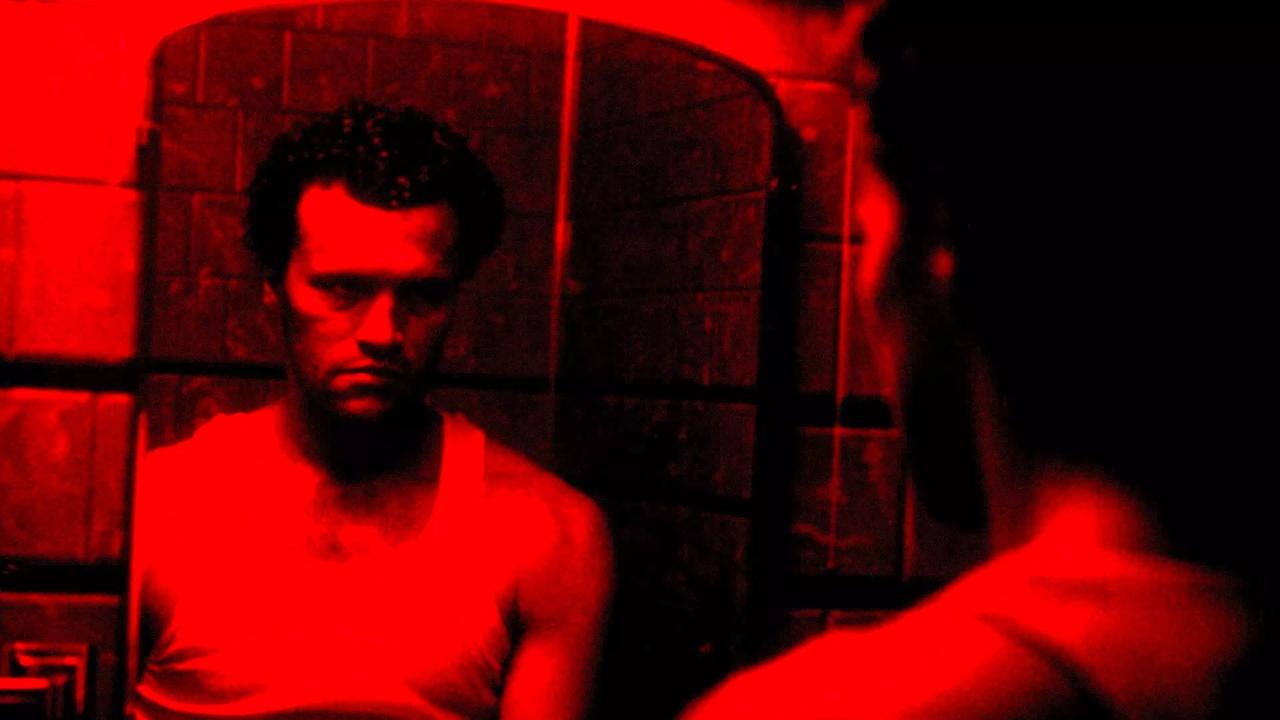
Michael Rooker’s portrayal of Henry is a masterclass in understated menace. His face is often a blank mask, his eyes conveying a terrifying emptiness. There are no grand speeches, no theatrical flourishes – just a flat, affectless demeanor that makes the occasional flicker of emotion (usually irritation or cold calculation) even more disturbing. Legend has it that Rooker remained deeply immersed in the character during the shoot, rarely speaking to the crew, contributing to the palpable tension on set. This wasn't just acting; it felt like channeling something truly dark.
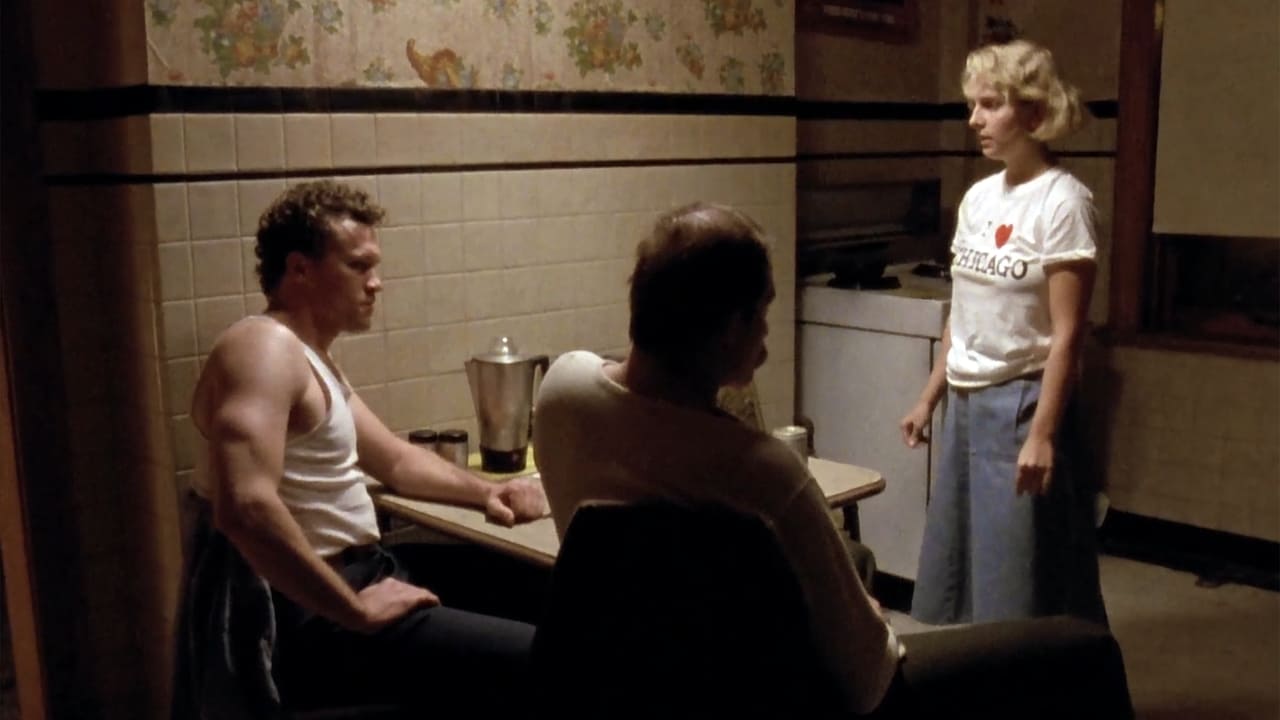
Complementing Rooker is Tom Towles as Otis, perhaps even more viscerally repellent. Where Henry is cold and detached, Otis is leering, volatile, and crudely impulsive. His descent into violence alongside Henry feels both inevitable and sickeningly enthusiastic. The dynamic between the two men is one of the film's most disturbing elements, a symbiotic relationship built on shared pathology. Tracy Arnold as Becky provides the film's fragile emotional core. She's damaged and desperate, seeking refuge in the seemingly calm waters of Henry's personality, tragically unaware of the monster beneath the surface. Her vulnerability makes the escalating dread almost unbearable. Does that scene with the home video camera still rank as one of the most profoundly disturbing sequences committed to film?
The Long Road to Infamy
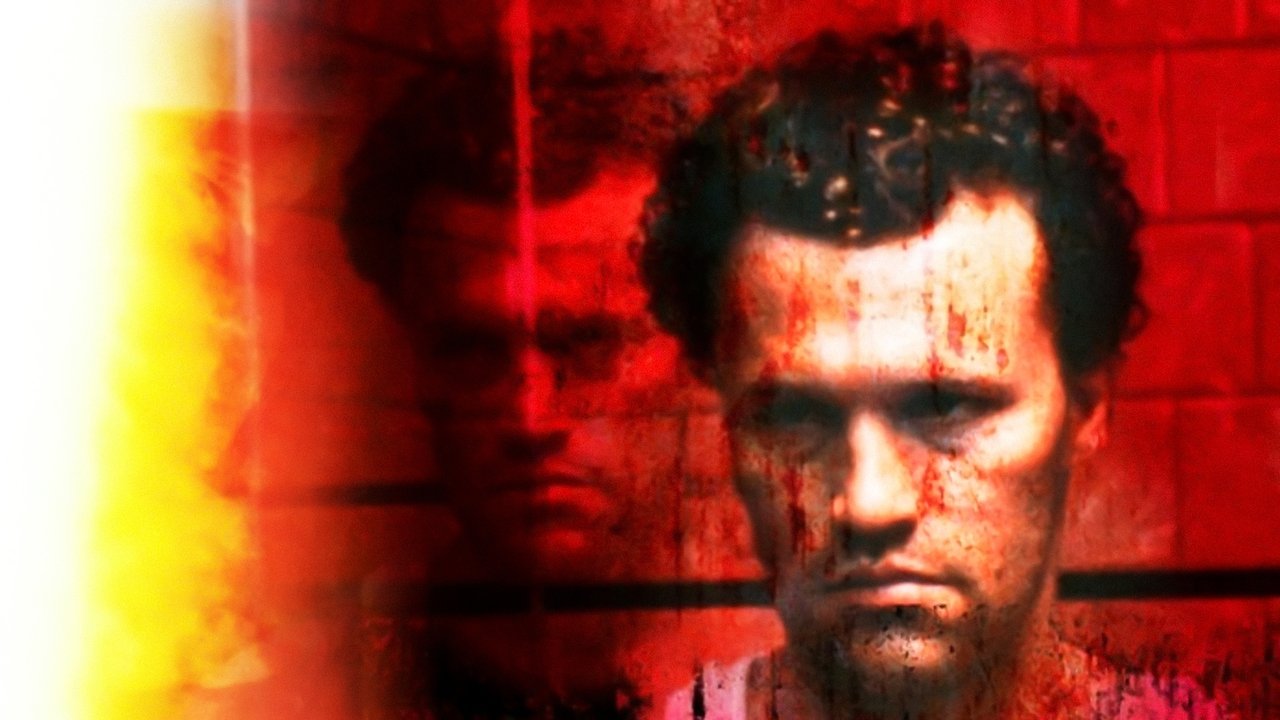
Shot in 1986, Henry famously languished for years without distribution, facing a fierce battle with the MPAA. Its unflinching depiction of violence and its refusal to offer easy moral judgments earned it an X rating, effectively condemning it in the mainstream market. It wasn't until 1990 that it received a limited, unrated release, becoming an instant cult phenomenon and a lightning rod for controversy. Critics were deeply divided, some hailing it as a masterpiece of realism, others condemning it as exploitative. Its journey mirrors its content – difficult, confrontational, and impossible to ignore. It bypassed the usual horror tropes, offering something far more insidious: a plausible glimpse into the banality of evil. Its influence can be seen in the wave of gritty true crime dramas and serial killer studies that followed, but few have matched its raw, uncompromising power.
The film deliberately lacks a conventional score, relying instead on unsettling ambient sounds, distorted noise, and source music that often feels jarringly inappropriate, amplifying the sense of disconnect and dread. This stark sound design contributes significantly to the film's oppressive atmosphere, leaving the viewer with no auditory comfort, no emotional cues on how to feel.
Legacy of Discomfort
Henry: Portrait of a Serial Killer is not a film you "enjoy." It’s a film you endure, experience, and are likely haunted by. It offers no catharsis, no tidy resolution, just the chilling implication that monsters walk among us, hidden behind ordinary faces. It strips away the glamour often associated with cinematic serial killers and presents something far more terrifying: the void. Watching it on VHS, often late at night, felt like handling forbidden material, something raw and dangerous that had somehow slipped through the cracks. That feeling hasn't diminished with time.
Rating: 9/10
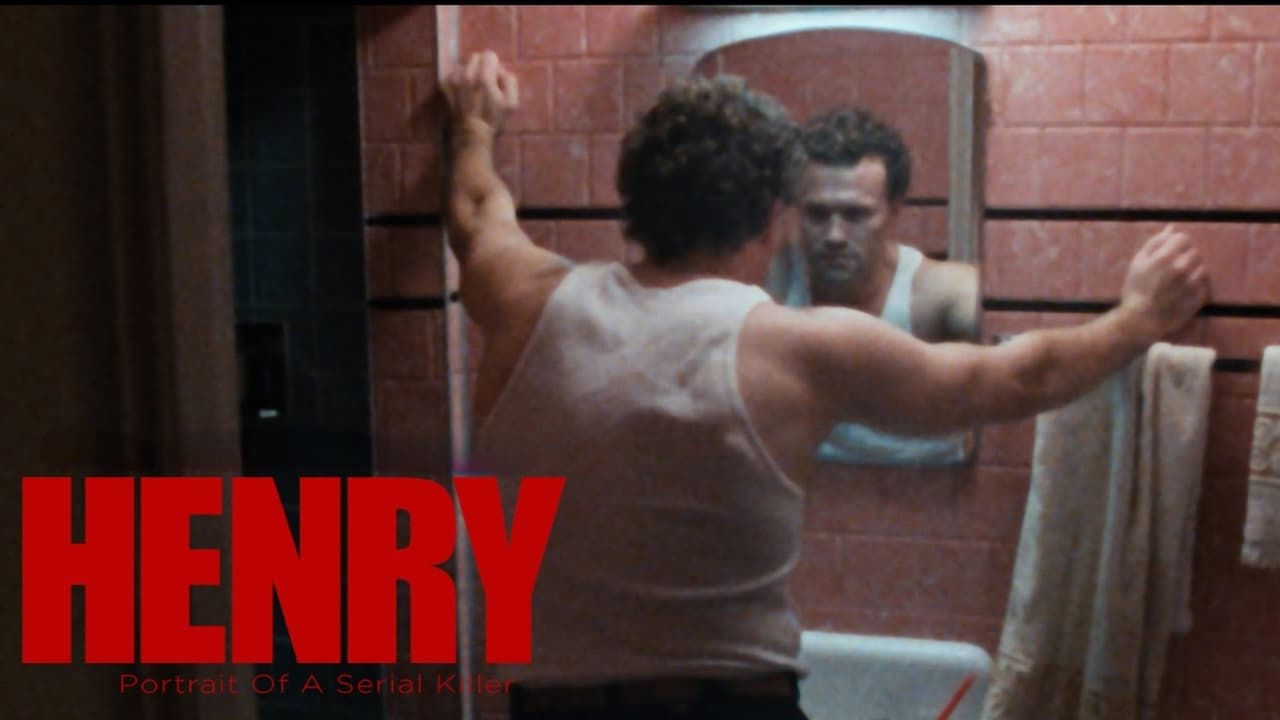
Justification: This score reflects the film's undeniable artistic merit, its groundbreaking realism within the genre, Michael Rooker's monumental performance, and its sheer, unrelenting effectiveness in creating a profound sense of dread and unease. It's a difficult but essential piece of independent filmmaking, losing only a point for its almost prohibitive bleakness which makes it nearly impossible to revisit casually, despite its power.
Henry remains a benchmark in confrontational cinema, a brutal and necessary reminder that sometimes the most terrifying horrors are rooted not in fantasy, but in the chillingly mundane realities of human behavior. It’s a tape that, once watched, stays with you long after the static fades.