There's a certain kind of grime that coats the celluloid of early 80s exploitation cinema, a palpable layer of sleaze and desperation that feels uniquely tied to the flickering cathode ray tube glow. Some films merely dip their toes into this murky water; Gary Sherman's Vice Squad (1982) dives headfirst into the deep end and drags you down with it, leaving you gasping in its neon-drenched, morally bankrupt vision of Hollywood after dark. Forget glamour; this is the Hollywood Boulevard of broken dreams and predatory nightmares.
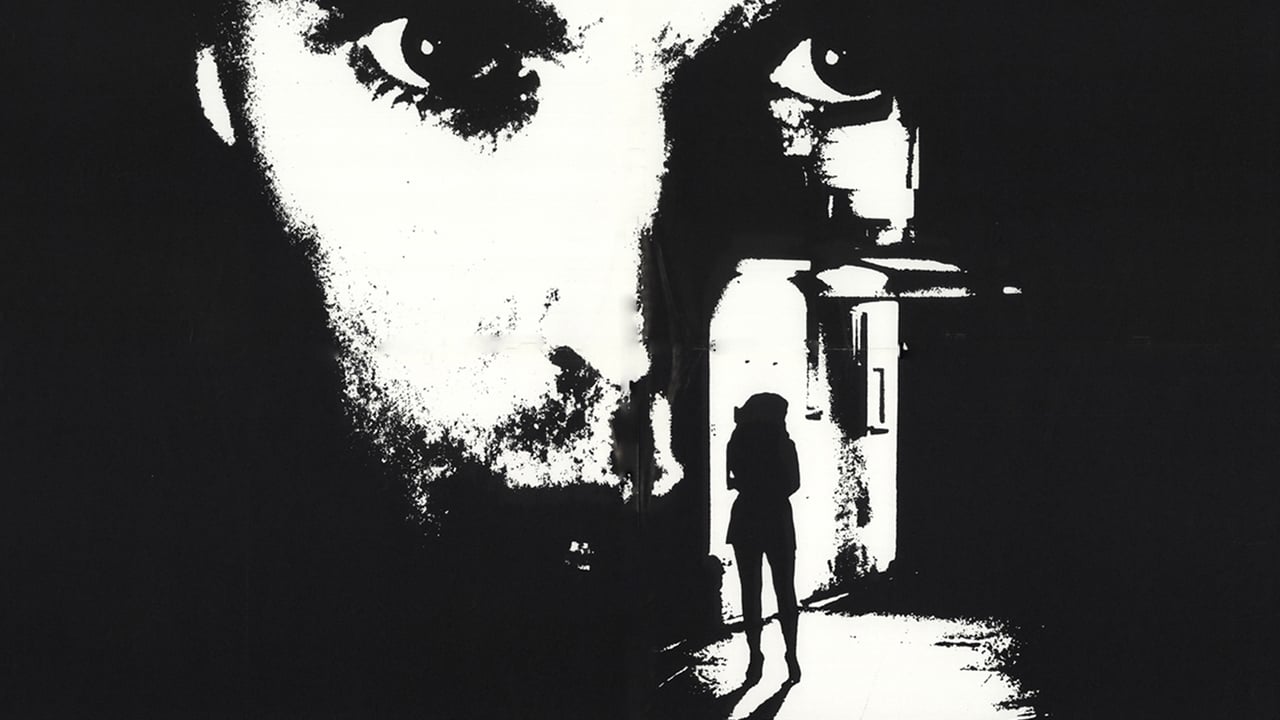
Hollywood After Dark
The premise is brutally simple, echoing the stark efficiency of classic noir filtered through a distinctly Reagan-era lens. Season Hubley plays Princess, a single mother working as a street prostitute who finds herself caught in a terrifying bind. After witnessing the savage murder of her friend and colleague Ginger (played with heartbreaking vulnerability by Nina Blackwood, yes, that Nina Blackwood, one of the original MTV VJs!), she's strong-armed by the LAPD's weary Detective Tom Walsh (Gary Swanson) into acting as bait to catch the perpetrator: a monstrously violent pimp known only as Ramrod. What follows is a harrowing journey through one night on the unforgiving streets, a landscape populated by hustlers, addicts, and the constant threat of explosive violence.
Enter Ramrod
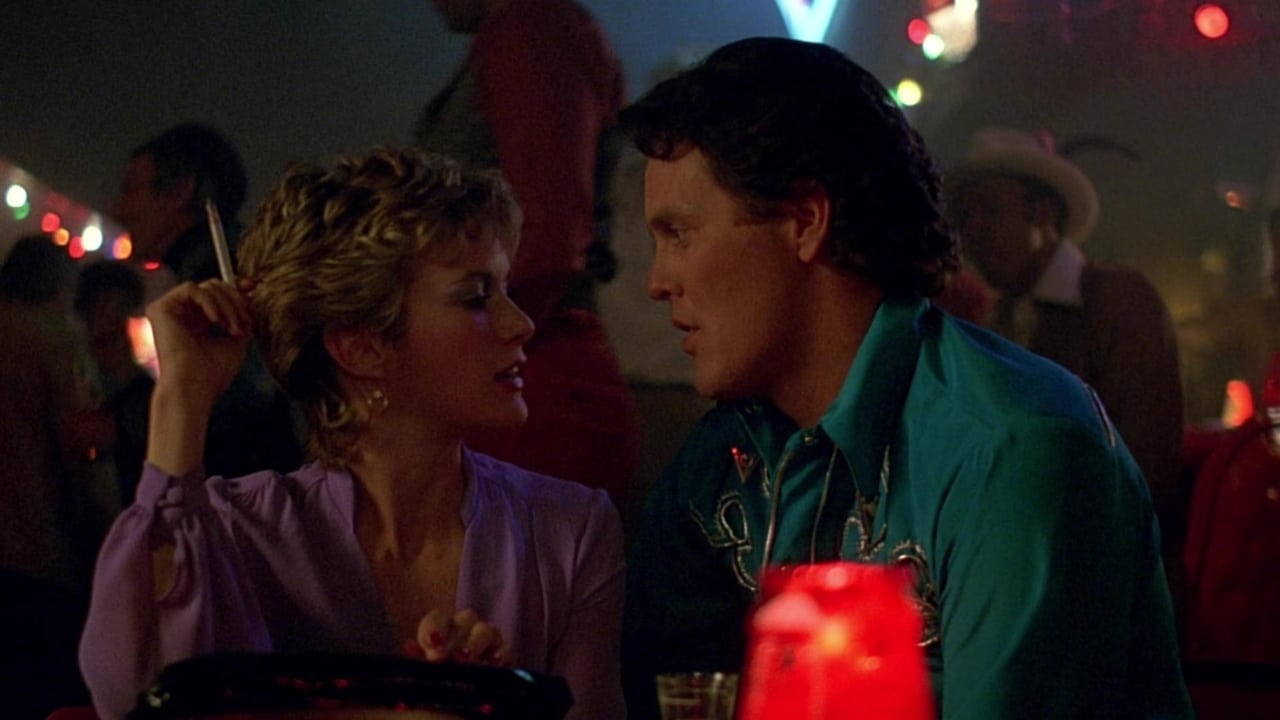
Let's be blunt: the reason Vice Squad still drills itself under your skin decades later is largely down to one utterly magnetic, terrifying performance. Wings Hauser is Ramrod. This isn't just acting; it's a full-blown possession. Ramrod isn't merely a villain; he's a force of chaotic, nihilistic evil wrapped in cowboy boots and a leather jacket, radiating pure menace from beneath his mirrored sunglasses. Hauser reportedly immersed himself completely in the role, rarely breaking character on set, a dedication that bleeds through the screen. He moves with a coiled, predatory energy, his drawling pronouncements laced with chilling sadism. Scenes like his brutal assault in the motel room, or his later rampage through the city, are genuinely disturbing, less about jump scares and more about the sickening dread of encountering pure, unhinged brutality. Doesn't his quiet intensity in some moments feel even more unnerving than the outright violence?
Crafting the Grindhouse Vibe
Director Gary Sherman, who chilled audiences the year before with the atmospheric folk horror Dead & Buried (1981), proves equally adept at capturing urban decay. He shoots Vice Squad with an unflinching eye, utilizing real, seedy Los Angeles locations that lend the film an undeniable authenticity. You can almost smell the stale cigarette smoke and desperation clinging to the air. It’s gritty, it’s raw, and it’s surprisingly well-shot, thanks in part to the uncredited work of legendary cinematographer John Alcott (who shot Barry Lyndon and The Shining for Kubrick!). Alcott reportedly stepped in to help finish the film, lending a visual quality that elevates it above typical exploitation fare. The driving, synthesizer-heavy score by Joe Renzetti (who also scored Child’s Play) perfectly complements the relentless pace and nocturnal dread.
Surviving the Night
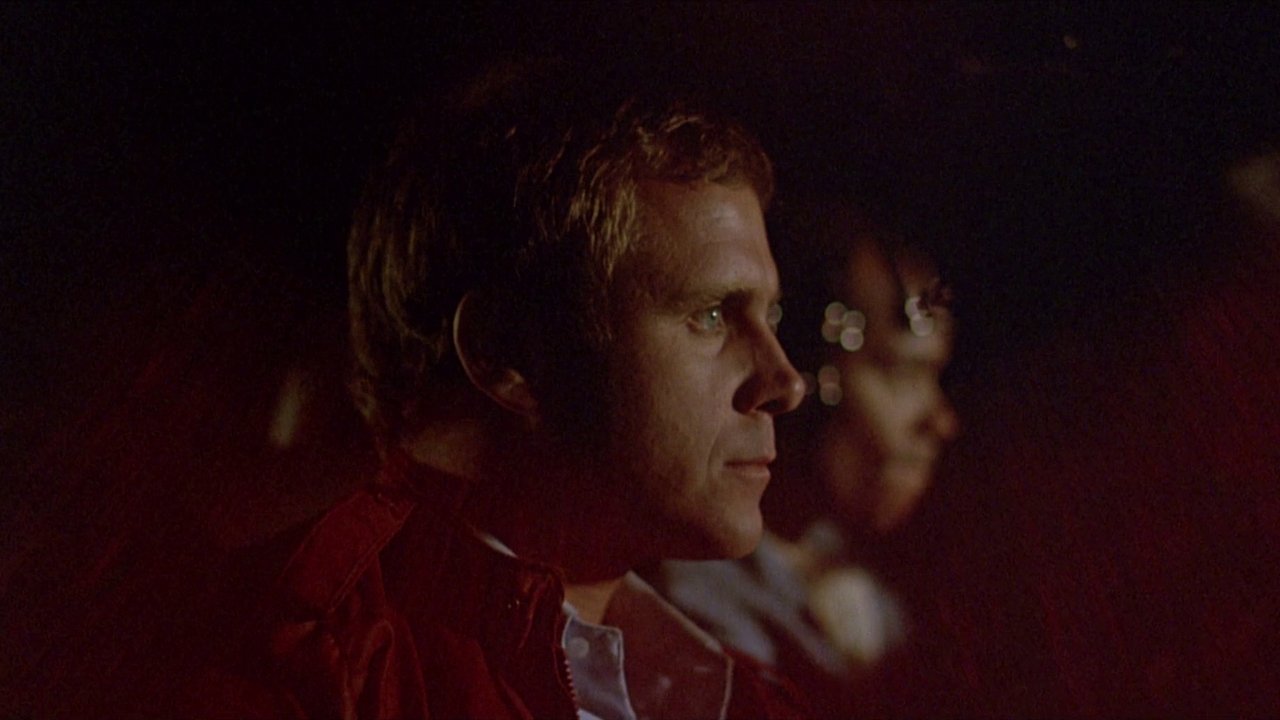
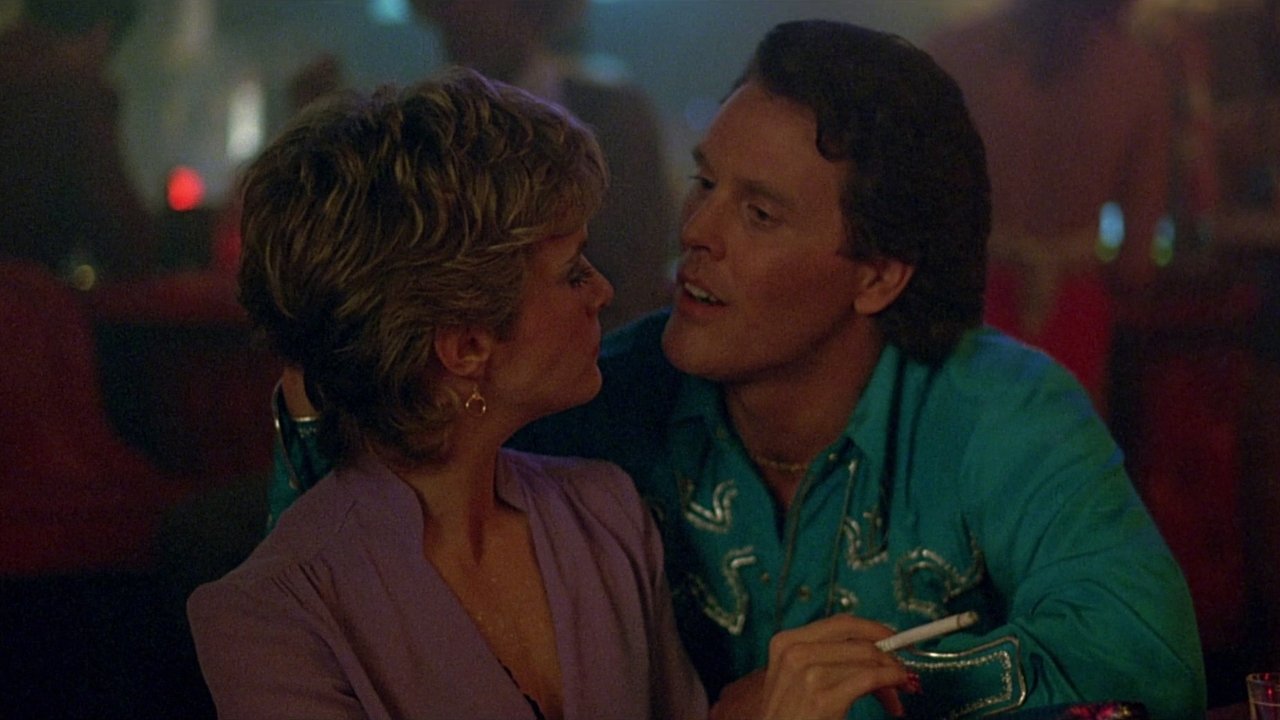
While Hauser dominates, Season Hubley delivers a compelling performance as Princess. She’s not a superhero; she’s a woman pushed to the absolute limit, forced to navigate a terrifying world while desperately trying to protect herself and get back to her daughter. Her fear feels real, her moments of defiance hard-won. The film walks a fine line with its portrayal of sex work, undeniably leaning into exploitation tropes common for the era. It doesn't shy away from the ugliness and danger, but viewed today, some elements feel undeniably dated in their perspective. Yet, Hubley grounds the film, giving the audience a human anchor amidst the chaos orchestrated by Ramrod. Gary Swanson as Walsh provides the weary counterpoint, a cop seemingly resigned to the cesspool he polices daily.
Retro Fun Facts Unearthed
- Vice Squad was a surprise hit, made for around $3.5 million, it pulled in over $13 million at the US box office – a testament to its raw power connecting with audiences hungry for something grittier than mainstream fare.
- The film faced considerable controversy for its violence and subject matter, pushing boundaries for what was acceptable in mainstream theaters at the time. Some scenes were trimmed to avoid an X rating.
- Wings Hauser’s intensity wasn’t just an act. Reports from the set describe him as deeply committed, sometimes unnerving fellow cast members with his dedication to Ramrod’s persona. He even performed some of his own stunts, adding to the raw physicality of the role.
- The iconic white Cadillac Eldorado convertible driven by Ramrod became almost as memorable as the character himself, a symbol of his menacing presence cruising the L.A. streets.
The Enduring Stain
Watching Vice Squad now, especially if you first encountered it on a worn-out VHS tape rented from a dimly lit corner store shelf, is a potent hit of nostalgia, albeit a dark and unsettling one. It’s a film that feels dangerous, transgressive even today. The violence remains shocking, less for its graphic nature (though it has its moments) and more for its psychological brutality, embodied so completely by Hauser. It captures a specific moment in time – the pre-gentrified grime of early 80s Hollywood, the anxieties bubbling beneath the surface of the era – with an intensity few films matched. It’s not subtle, it’s not always comfortable, but it is undeniably powerful.
Rating: 8/10
This score reflects Vice Squad's effectiveness as a gritty, unrelenting thriller anchored by one of the great unhinged villain performances of the 80s. While undeniably belonging to the exploitation genre with all the baggage that entails, its atmospheric direction, authentic locations, and Hauser's terrifying turn elevate it to cult classic status. It's rough, raw, and unforgettable.
Vice Squad remains a potent slice of early 80s cinematic nihilism, a film that grabs you by the throat and doesn't let go until the harsh light of dawn breaks over the credits. It’s a reminder that sometimes, the most effective horror doesn't come from monsters or ghosts, but from the darkness lurking within humanity itself, cruising down a neon-lit street in a white Cadillac.