Okay, fellow travellers through the magnetic tape archives. Tonight, we’re not just dipping our toes into the murky waters of forgotten VHS gems; we’re diving headfirst into an abyss. Forget the comfortable chills of your standard slasher. We’re talking about Gerald Kargl’s 1983 nightmare, Angst – a film that doesn’t just depict madness, it mainlines it directly into your senses. This isn't a movie you watch; it's an ordeal you survive, leaving you feeling complicit, unclean, and utterly shaken. I remember stumbling upon whispers of this Austrian shocker back in the day, a notorious title spoken of in hushed tones, often relegated to the dustiest, most questionable shelf at the back of the rental store. Finding a copy felt like unearthing forbidden knowledge.
Inside the Mind of Madness
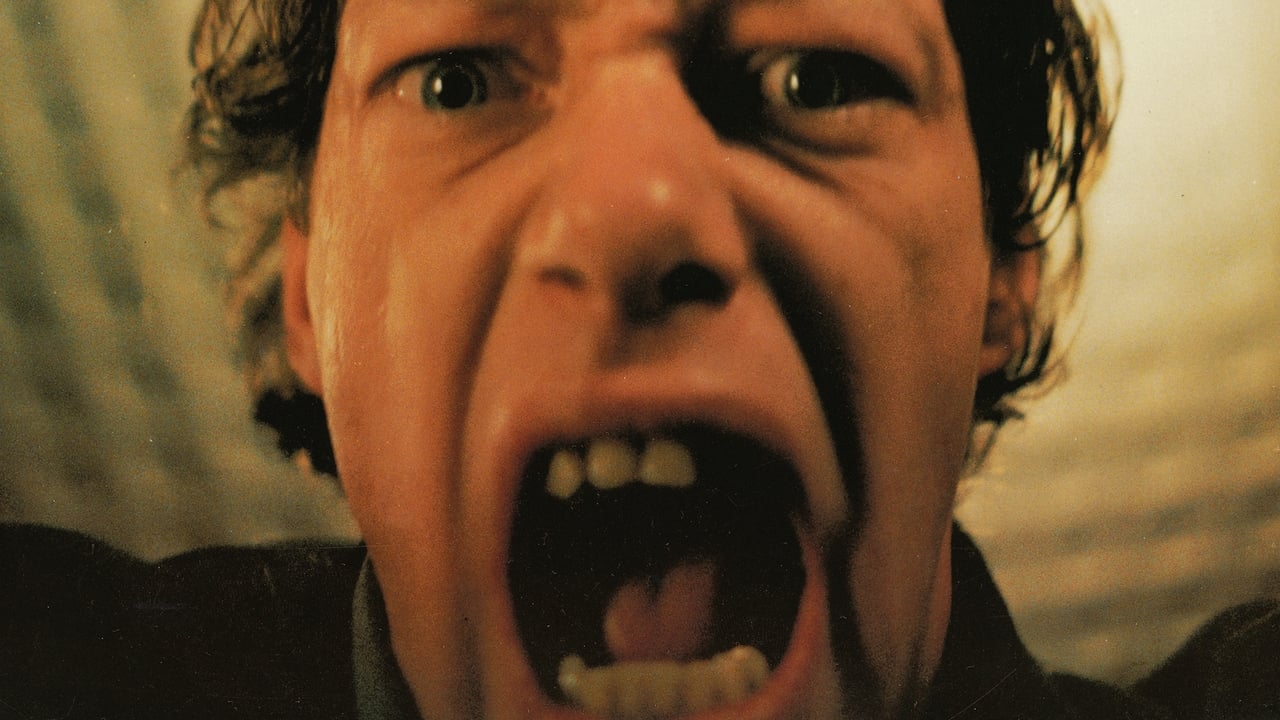
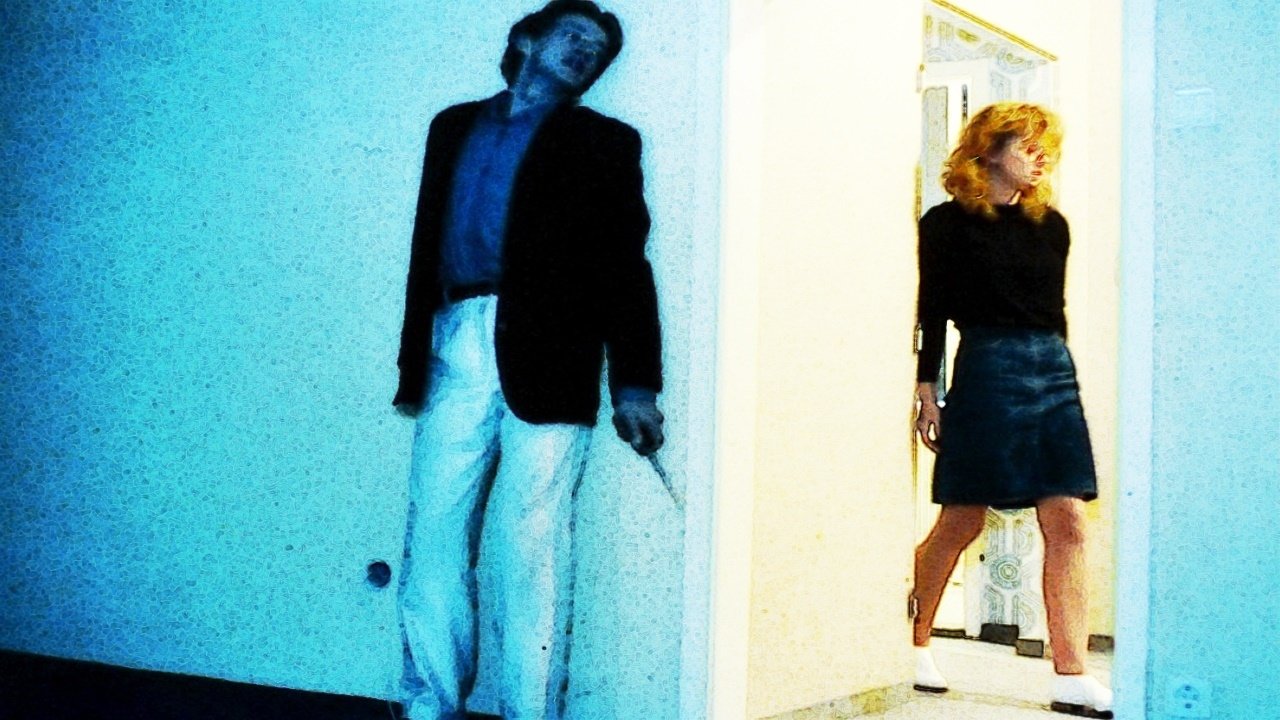
From the opening moments, Angst establishes its horrifying intimacy. We are locked inside the perspective – visually and sonically – of K. (a terrifyingly committed Erwin Leder), a psychopath recently released from prison. His flat, affectless internal monologue narrates his compulsive thoughts, his immediate descent back into violent urges. There’s no attempt to psychoanalyze or provide easy answers; we are simply immersed in his diseased worldview. The plot itself is brutally simple: K. seeks a house, finds one occupied by a mother, her daughter, and disabled son, and unleashes his horrors upon them. It’s based, chillingly, on the real-life crimes of Austrian serial killer Werner Kniesek, a fact that adds another layer of cold dread to the proceedings. Kargl, who co-wrote the screenplay with cinematographer Zbigniew Rybczyński, strips away any semblance of conventional storytelling, focusing instead on the raw, procedural horror of the killer’s actions and the suffocating atmosphere of his psyche.
A Camera That Never Blinks
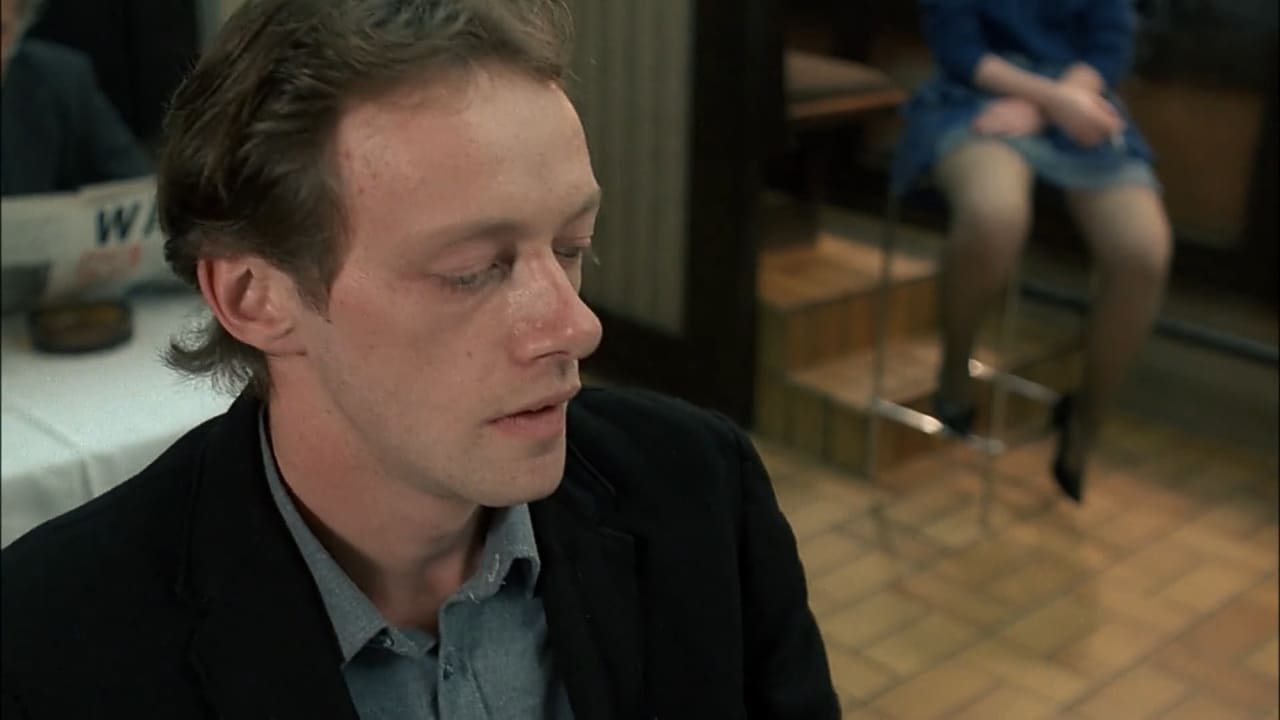
What truly elevates Angst from exploitation fare to something far more disturbing and artistically audacious is its groundbreaking cinematography. Rybczyński, who had won an Oscar for his short film Tango just before Angst, employed revolutionary techniques. Much of the film utilizes a custom-built body-rig camera system, strapping the camera to Leder or Rybczyński himself, creating dizzying, swirling movements that mirror K.’s agitated state. The camera glides, swoops, hovers impossibly low to the ground, cranes high above, often in long, unbroken takes. It's disorienting, nauseating, and utterly compelling. You feel trapped with K., seeing the world through his warped, predatory gaze. Remember how certain camera moves in films like The Evil Dead (1981) felt revolutionary? Angst takes that visceral energy and applies it to a stark, terrifying realism. It’s a technical marvel born from a nightmare vision. This relentless visual style is key to the film’s title – the German word for ‘fear’ or ‘anxiety’ – it doesn't just show you fear, it induces it through sheer technique.
The Sound of Dread
Complementing the visuals is the unnerving score by Klaus Schulze, a pioneer of electronic music perhaps best known for his work with Tangerine Dream. His synthesizers create pulsing, atmospheric soundscapes that rarely offer melody or comfort. Instead, they throb and drone, enhancing the sense of unease and reflecting K.’s fractured mental state. Combined with Leder’s chillingly calm narration and the stark, often amplified sounds of the environment – a dog barking, footsteps, ragged breathing – the audio design becomes another layer of the psychological assault. It's the kind of sound that crawls under your skin and stays there long after the credits roll.

One Film, Lasting Scars
Angst proved too much for audiences and censors upon its initial, troubled release. Banned in numerous countries across Europe, it effectively destroyed Gerald Kargl's burgeoning directorial career; astonishingly, this remains his only feature film. The production itself was reportedly fraught, partially self-financed by Kargl after initial funding dried up, adding a layer of desperate intensity to the project. Despite its commercial failure and controversial reception, its reputation festered in the underground, passed around on grainy VHS tapes among horror aficionados craving something genuinely extreme. Its influence, though perhaps not widely acknowledged, can be felt in the works of later provocateurs like Gaspar Noé, who has cited Angst as a direct inspiration for his own unflinching portrayals of violence and subjective experience. Watching it now, it hasn't lost an ounce of its power to shock and disturb. Does that raw, almost documentary-style depiction of violence still feel uniquely unsettling compared to more stylized horror?
Brutal Artistry, Unforgettable Terror
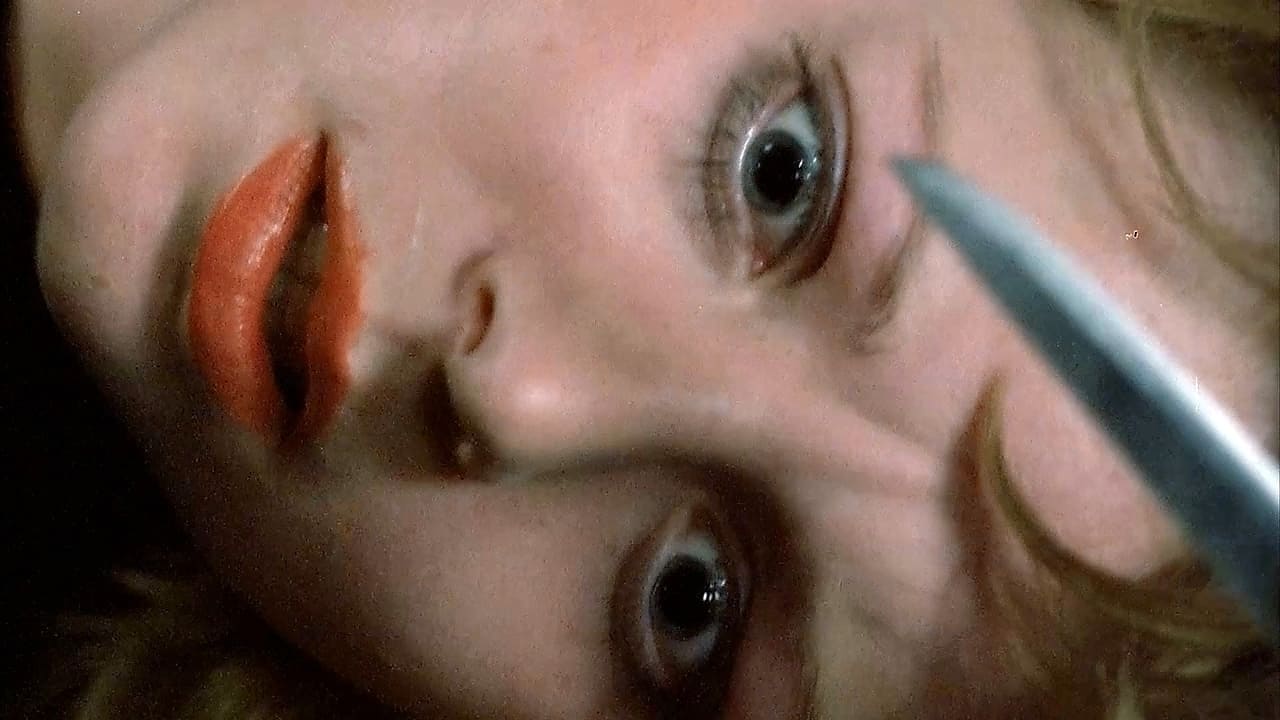
Angst is not a film for the faint of heart, nor is it easily recommended. It's a harrowing, repellent, and deeply unpleasant viewing experience. However, it's also a masterclass in atmospheric horror filmmaking, a technically brilliant and uncompromising descent into a killer's mind. The cinematography is breathtakingly innovative, Erwin Leder's performance is utterly chilling, and the overall effect is unlike almost anything else committed to celluloid from that era. It pushes boundaries not through gore (though it is brutal), but through its suffocating perspective and relentless psychological dread. It’s the kind of film that truly earned its notorious reputation on the VHS circuit.
Rating: 9/10
This score reflects Angst's undeniable artistic achievement and its terrifying effectiveness. It’s a near-perfect execution of a singular, nightmarish vision, utilizing groundbreaking techniques to create an unparalleled sense of immersion and dread. The point deduction acknowledges its extreme nature, making it a film many will find simply unwatchable. Yet, for students of transgressive cinema and fans of truly boundary-pushing horror, it remains an essential, albeit deeply disturbing, landmark.
Angst is a scar on the landscape of cinema – ugly, perhaps, but impossible to ignore and undeniably powerful. It’s a reminder that sometimes, the most terrifying monsters aren't hiding under the bed; they're walking among us, and this film forces you, however briefly, inside their head. Sleep well... if you can.