Some films arrive like a quiet dread creeping up your spine in the dead of night. Others, like Gaspar Noé’s I Stand Alone (original title: Seul contre tous), detonate on screen like a fragmentation grenade tossed into a crowded room. This isn’t a film you casually stumble upon; it’s an experience that confronts, assaults, and lingers like the metallic taste of blood long after the static hiss of the VCR takes over. It arrived near the tail-end of the 90s, a brutalist monument to nihilism that felt ripped from the grimiest corners of the human psyche, a stark counterpoint to the decade's glossier exports.

### The Butcher's Fury
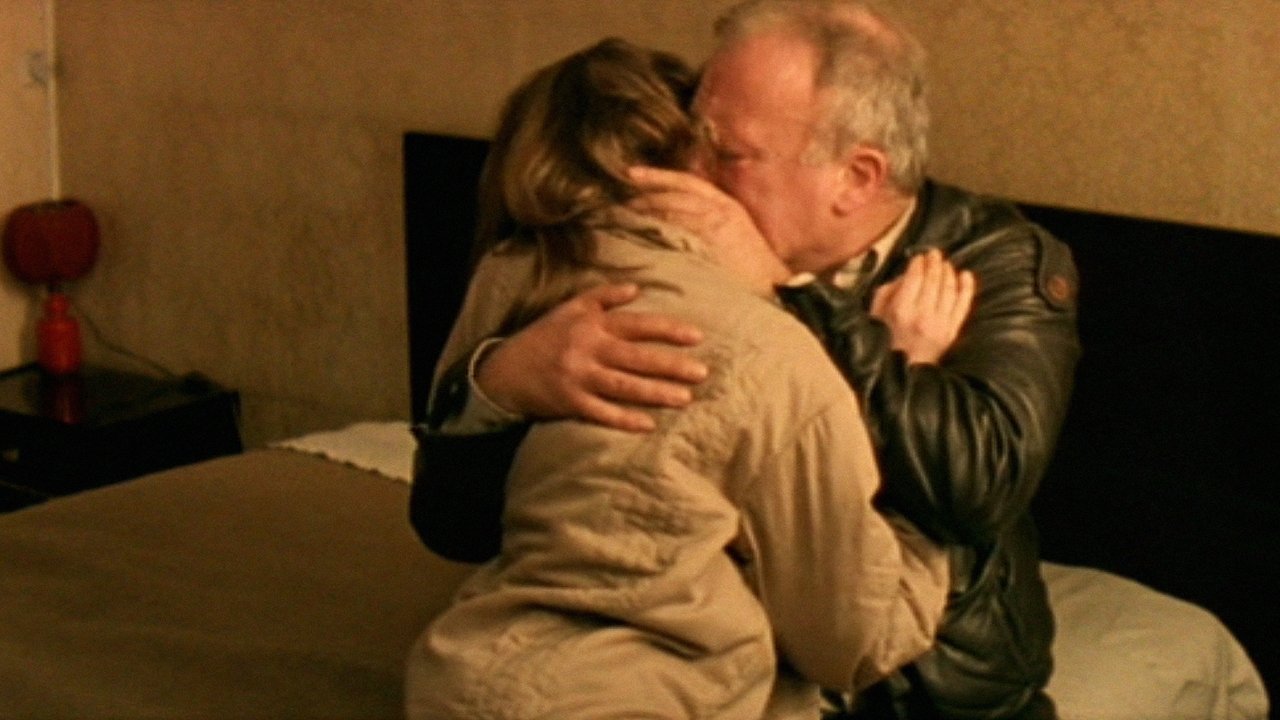
At its corroded heart is ‘The Butcher’, played with terrifying, consuming rage by Philippe Nahon. We first met this unnamed misanthrope in Noé's earlier short film, Carne (1991), and I Stand Alone picks up his story years later. Released from prison after assaulting the man he wrongly believed molested his mute daughter, he drifts through a bleak, unforgiving France. His internal monologue – relentless, hateful, filled with bile directed at everyone and everything (immigrants, homosexuals, women, the bourgeoisie, himself) – forms the film’s punishing backbone. It's a torrent of raw sewage thoughts, the kind society pretends don't exist, laid bare without filter or apology.
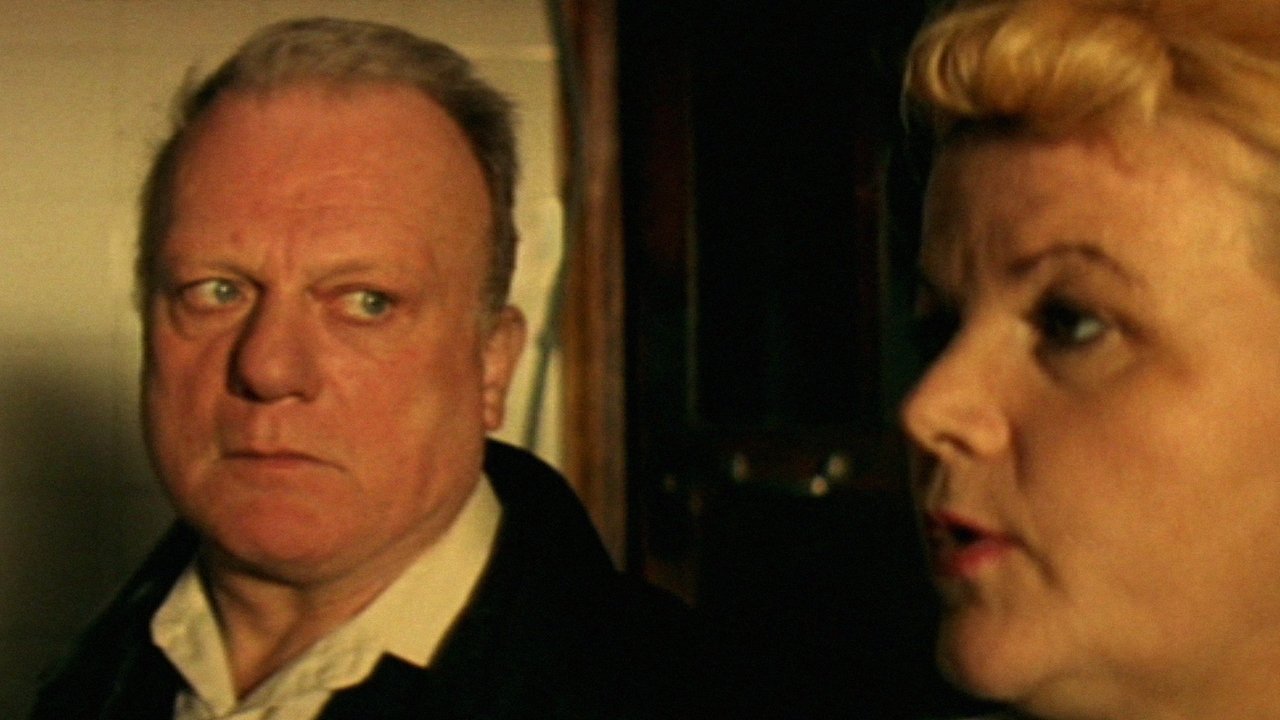
Noé, who also wrote the screenplay, doesn't just present this character; he forces you inside his head. The claustrophobic framing, often tight on Nahon's weathered, expressive face, combined with the staccato editing and jarring sound design (those sudden, gunshot-like percussion hits!) creates an atmosphere of profound discomfort. You're trapped with The Butcher, privy to his venomous worldview, unable to look away. It’s a testament to Nahon’s powerhouse performance that, amidst the ugliness, flickering moments of vulnerability – warped and pathetic as they are – occasionally surface. This wasn't his first collaboration with Noé, and their established trust surely allowed them to plumb these truly dark depths together.
### A Warning Shot Across the Bow
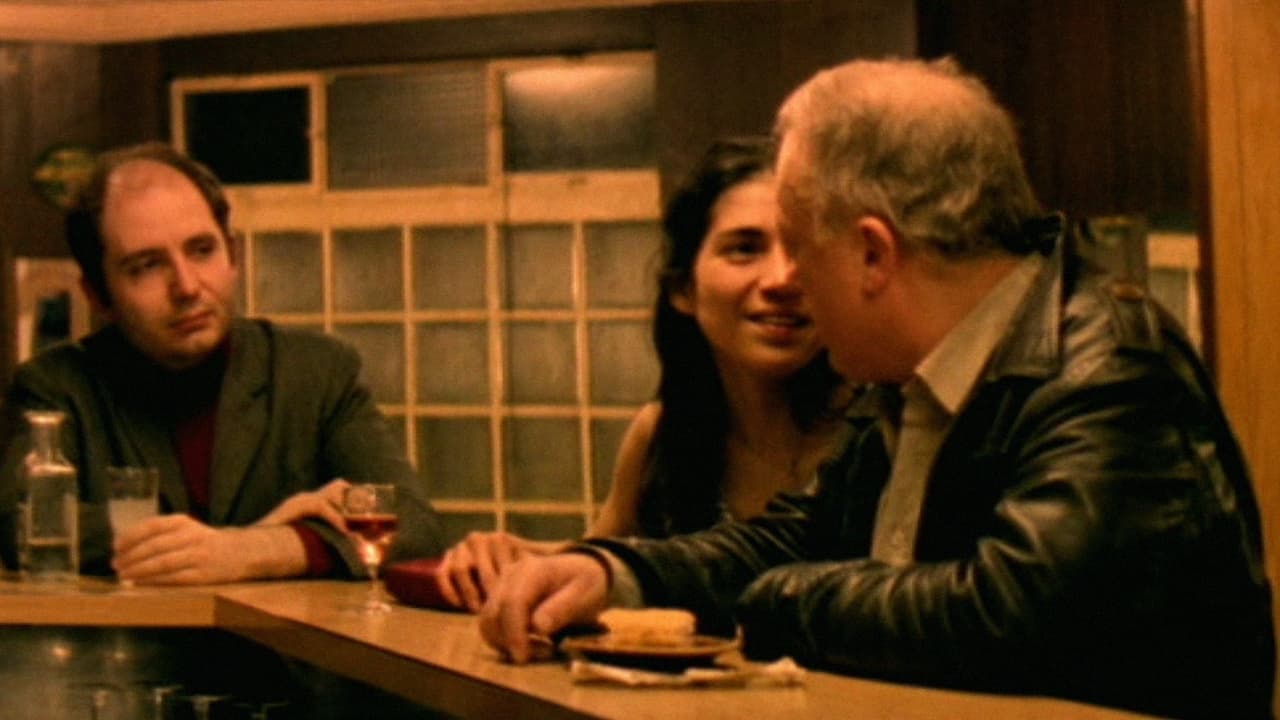
Remember that infamous warning card? The one appearing late in the film, giving audiences a literal 30-second countdown to leave the theatre before the final, potentially most transgressive act? It wasn't just a gimmick; it was a declaration of intent. Noé knew precisely how provocative his material was. This film was part of the vanguard of what critics later termed the "New French Extremity," a wave of confrontational, often violent and sexually explicit cinema that challenged taboos head-on. I Stand Alone, shot on gritty 16mm film stock that enhances its raw, documentary-like feel (a choice partially born from necessity, given its notoriously difficult, years-long, budget-strapped production), feels like its mission statement.
The production itself was reportedly arduous. Noé scraped together funding over several years, a process reflected in the film's desperate, urgent energy. Finding locations that matched the script's pervasive grimness wasn't just set dressing; it was integral to the film's suffocating worldview. Apparently, Nahon fully committed, sometimes alarming passersby with the intensity of his performance during street shoots. This wasn't slick Hollywood filmmaking; it was raw, confrontational art forged in the fires of conviction and constraint.
### The Unflinching Gaze
What makes I Stand Alone so potent, even decades later, is its refusal to offer easy answers or redemption. The Butcher is not an anti-hero; he's a vortex of negativity. The film doesn't excuse him, but it does present his worldview, steeped in societal resentment and personal failure, as a terrifyingly plausible product of his environment. The socio-political commentary, though filtered through a lens of pure hate, touches on anxieties about unemployment, xenophobia, and societal decay that felt potent in late-90s France and remain disturbingly relevant.
Did the film's stark nihilism shock you back then? It certainly caused a stir at the 1998 Cannes Film Festival, winning the Mercedes-Benz Award during International Critics' Week but polarizing audiences and critics alike. Finding this tape tucked away in the "World Cinema" section of a video store felt like discovering forbidden knowledge – something potent, dangerous, and utterly unlike the mainstream fare dominating the shelves. Its unflinching nature made it a benchmark for extremity, a film whispered about among cinephiles who dared to seek it out.
### Legacy in Bleakness
I Stand Alone isn't an easy watch. It's deliberately repellent, designed to provoke and disturb. It’s a cinematic endurance test. Yet, its technical skill, Nahon's unforgettable performance, and Noé’s uncompromising vision make it a landmark of confrontational filmmaking. It paved the way for Noé's even more controversial works like Irreversible (2002), solidifying his reputation as an auteur provocateur.
Rating: 8/10
The score reflects the film's undeniable power, masterful execution, and fearless commitment to its bleak vision, balanced against its extreme, often unbearable subject matter. It’s technically brilliant and artistically audacious, achieving exactly what it sets out to do – horrify and provoke thought. However, its relentless misanthropy makes it a film many will find difficult, if not impossible, to stomach. This isn't entertainment; it's an artistic assault, and its effectiveness in that regard is undeniable.
I Stand Alone remains a brutal, unforgettable dispatch from the darkest corners of the human condition, a corroded artefact from the late VHS era that still radiates palpable menace. It doesn't ask for your affection, only your attention – and it commands it, whether you want it to or not.