Alright, settle back into that comfy armchair, maybe grab a Crystal Pepsi if you can find one, because we're sliding a tape into the VCR that still sparks debate, bewilderment, and a strange sort of affection: 1993’s Super Mario Bros. Forget the sunny landscapes of the Mushroom Kingdom you spent hours conquering on your NES or SNES. This wasn't that. Not even close. Instead, Hollywood decided to take the world's most cheerful plumbers and plunge them headfirst into a grimy, alternate-dimension cyberpunk dystopia. It was… a choice.
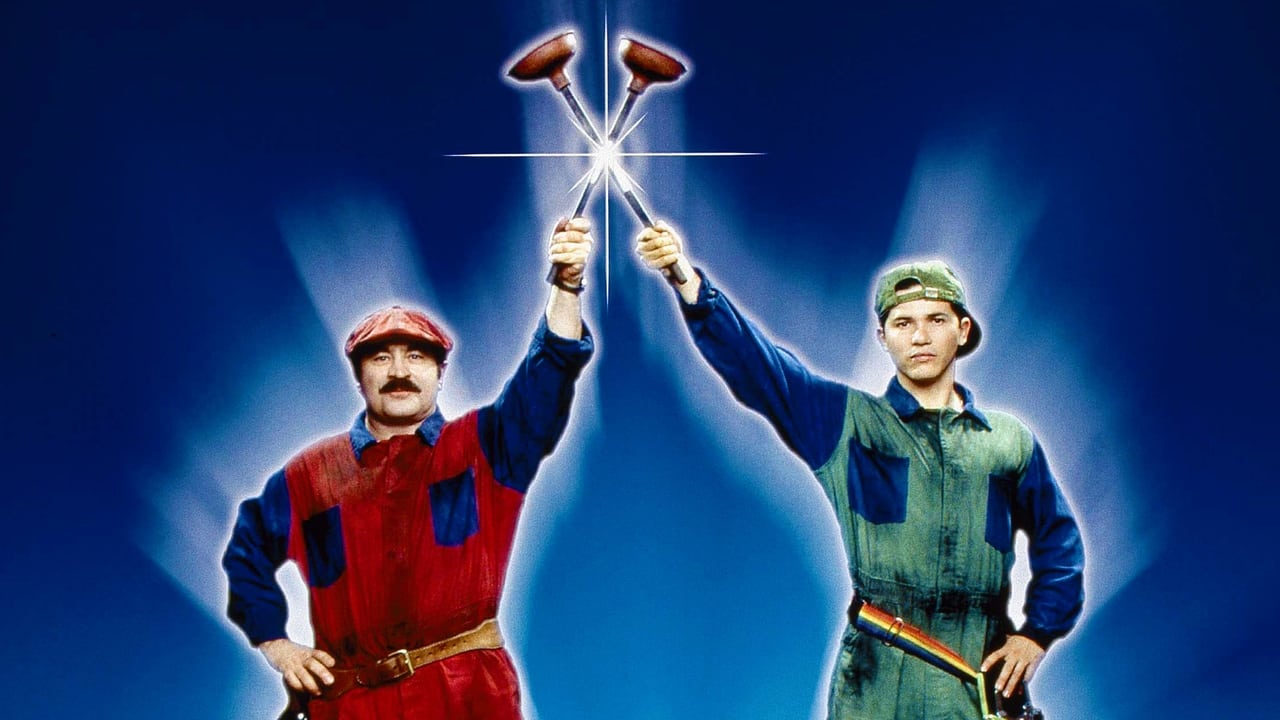
Directed by the husband-and-wife team Annabel Jankel and Rocky Morton, known for their visually arresting work like the Max Headroom TV movie, the film certainly had a look. They traded pixelated pipes and floating blocks for oozing fungus, decaying infrastructure, and a parallel New York called Dinohattan, ruled by the reptilian President Koopa. It’s a vision born from late-80s grit and early-90s weirdness, a world away from the source material's primary colors. And honestly? That visual ambition, however misplaced it might feel for a Mario movie, is part of what makes it such a fascinating artifact today.
Brooklyn's Finest (in Overalls)
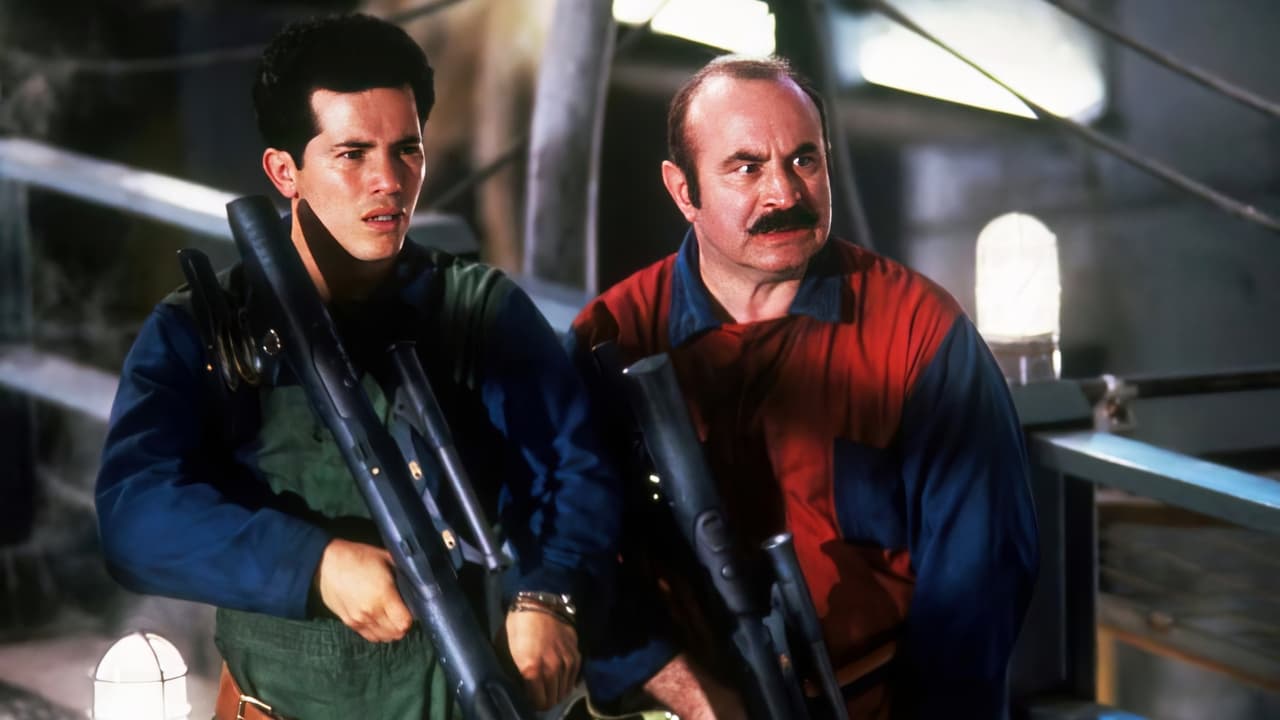
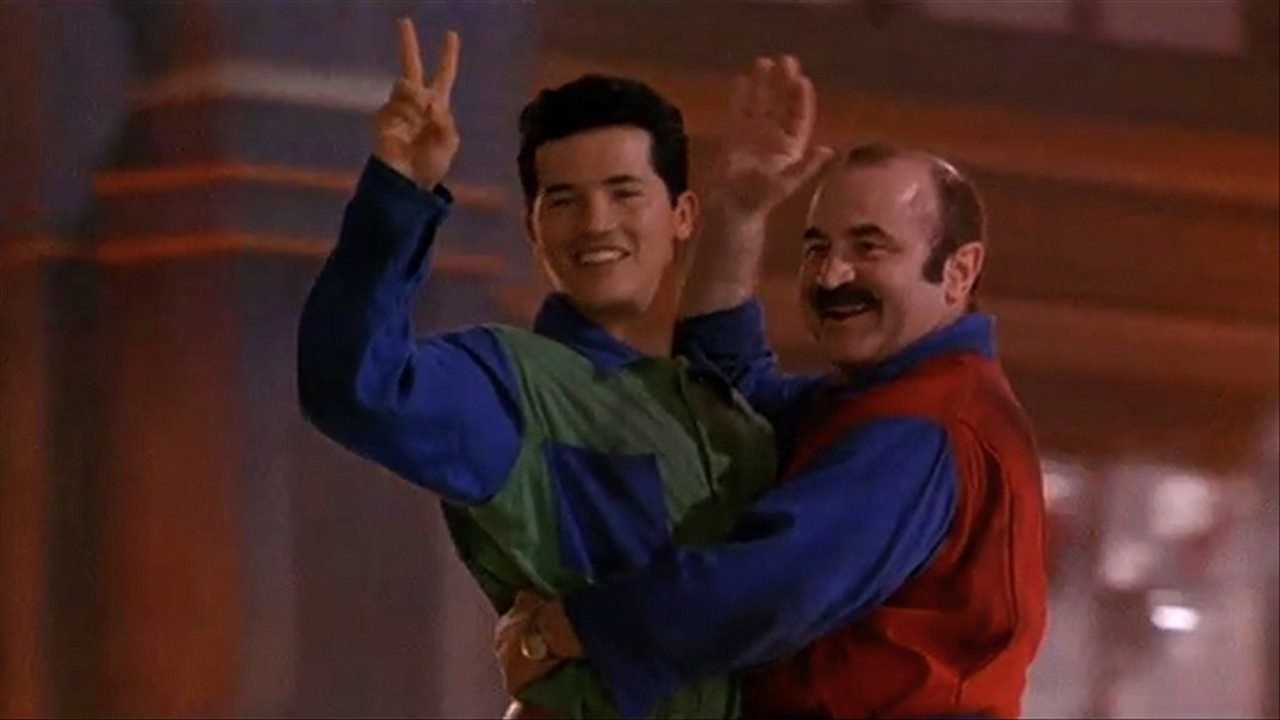
Leading the charge into this bizarre dimension were the late, great Bob Hoskins as Mario and a young, energetic John Leguizamo as Luigi. Hoskins, a consummate professional known for grounding even the most fantastical scenarios (like in Who Framed Roger Rabbit), brought a certain weary determination to Mario Mario (yes, that's his full name here). Leguizamo, meanwhile, gave Luigi a youthful uncertainty mixed with surprising bravery. Their chemistry as bickering but loyal brothers is one of the film's more successful elements, providing a human anchor amidst the escalating strangeness.
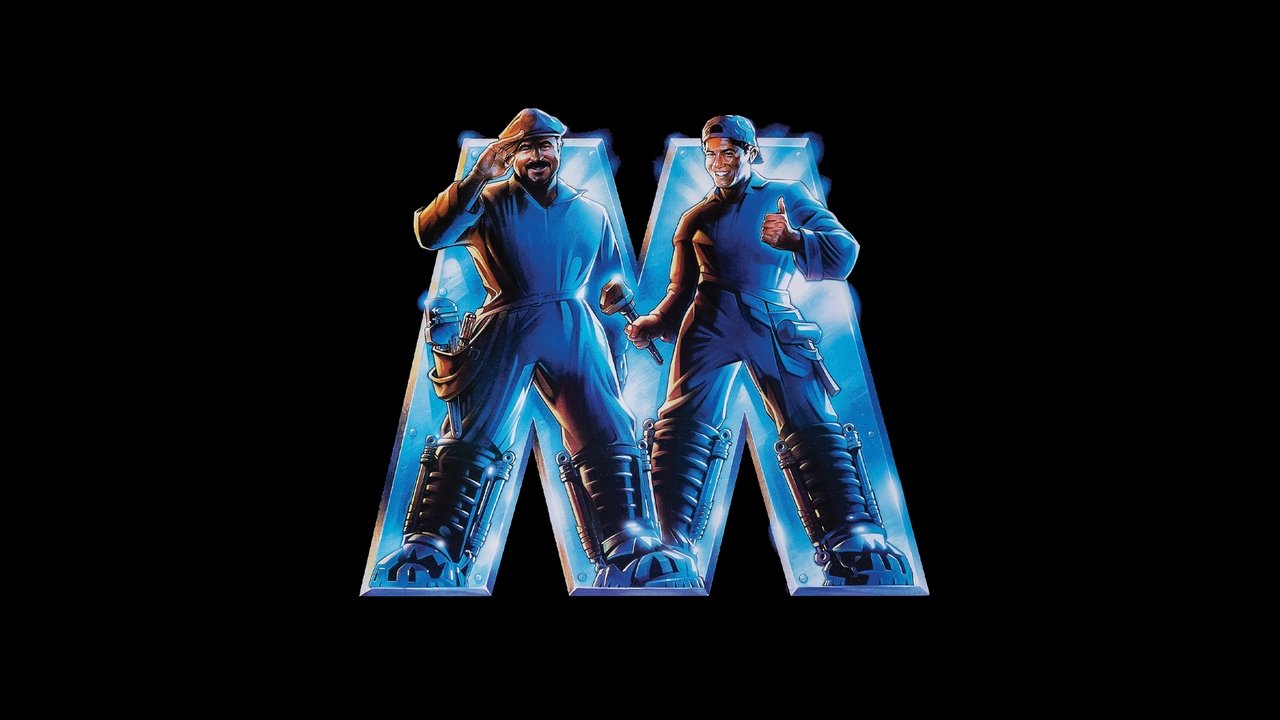
Of course, the behind-the-scenes stories are almost as legendary as the game itself. Hoskins famously called the film the worst job he ever did, citing a chaotic set, constant script rewrites, and a general sense of confusion. Both he and Leguizamo have admitted to drinking on set to cope with the stressful production – a detail that adds a layer of almost tragicomic understanding when you watch their often bewildered reactions on screen. Despite the turmoil, they do feel like brothers, even if they look less like Italian plumbers and more like guys who stumbled off the set of a gritty urban drama.
Welcome to the Dino-Dimension
And then there’s Dennis Hopper as President Koopa. Forget the lumbering turtle king; Hopper delivered a performance that was part corporate sleaze-ball, part unhinged dictator, complete with bizarre hairstyles and a penchant for de-evolution. Apparently, Hopper spent hours arguing about his lines and character motivations, famously ad-libbing choice phrases that somehow made the final cut. He’s chewing the scenery, spitting it out, de-evolving it, and then chewing it again. It's utterly bonkers, often nonsensical, but undeniably memorable. Alongside him, Samantha Mathis as Daisy (reimagined here as an NYU archaeology student who is also a princess from another dimension... it's complicated) does her best to navigate the madness with wide-eyed determination.
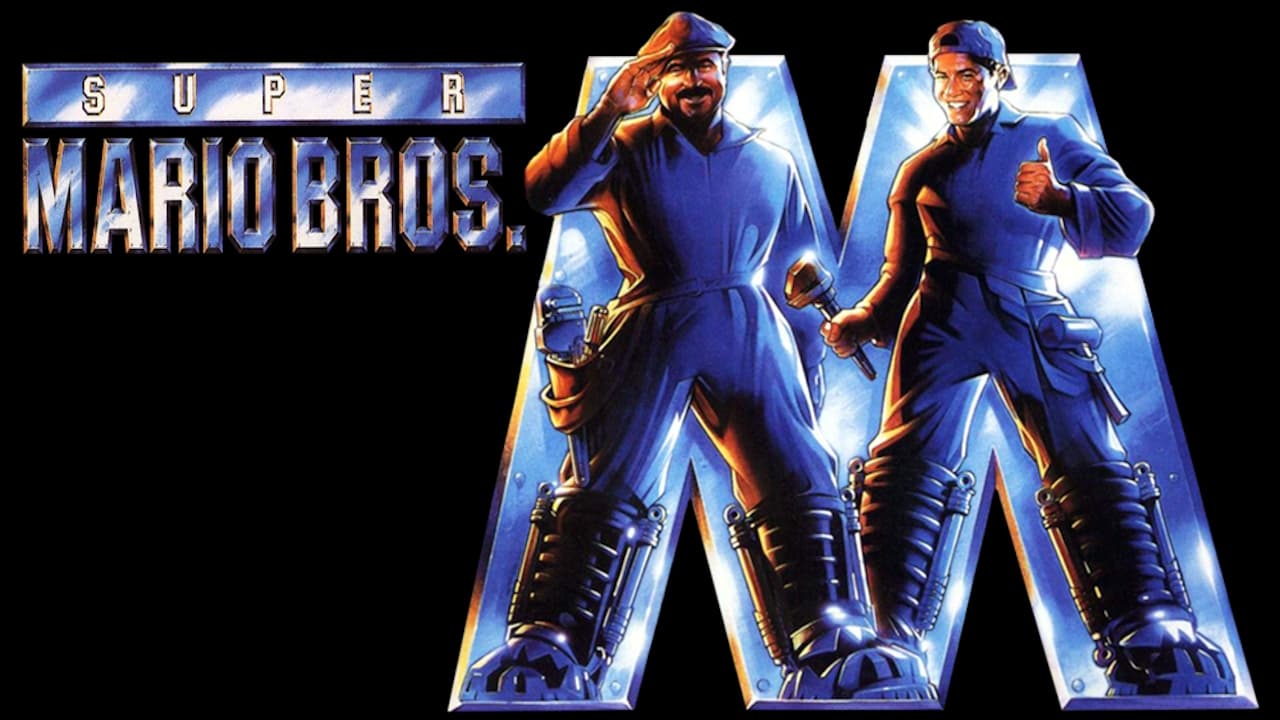
The film’s interpretation of iconic game elements is where things truly go off the rails into cult territory. Goombas aren’t mushroom-shaped minions but towering, reptilian humanoids with tiny heads. Yoshi is a realistically rendered (for 1993), somewhat terrifying baby T-Rex. Bob-ombs are tiny wind-up toys with cartoon feet that pack a surprising punch. It’s like the filmmakers took the game's glossary, threw it into a blender with Blade Runner and Brazil, and just hit 'puree'.
Behind the Fungus: Retro Fun Facts
The journey of Super Mario Bros. to the screen was notoriously troubled. The initial script was reportedly much darker, aiming for a more mature audience, but studio interference led to constant rewrites attempting (and largely failing) to inject more kid-friendly elements and direct game references. Co-writer Ed Solomon, who also penned the wonderfully goofy Bill & Ted's Excellent Adventure, was brought in late to try and salvage things, but the conflicting visions were deeply ingrained. The production ballooned to a hefty $48 million budget (a significant sum back then, maybe around $100 million today), a gamble that sadly didn't pay off, grossing just under $21 million domestically. It was considered a major flop, putting a swift end to Nintendo's immediate Hollywood ambitions.
There were even near-misses in casting – apparently, Tom Hanks was considered for Mario early on, and Danny DeVito was also in the running. Imagine those alternate universes! The practical effects, while ambitious, often look cumbersome, and the early CGI used for moments like Yoshi’s appearance feels distinctly of its time. Yet, there's a certain charm to the tactile nature of the Dinohattan sets and the creature designs – a commitment to building a bizarre, tangible world, even if it wasn't the one fans expected or, perhaps, wanted.
Legacy of a Noble Failure?
Critically savaged upon release and disowned by many involved, Super Mario Bros. could have easily faded into obscurity. Yet, it hasn't. It occupies a unique space in pop culture history – the first major Hollywood adaptation of a video game, and a spectacular example of how not to do it, according to many. But over the years, a cult following has emerged. People watch it because it's so strange, so divorced from the source material, so unapologetically weird. Is it a "good" movie in the traditional sense? Probably not. Is it endlessly fascinating? Absolutely. It’s a testament to a specific, strange moment in early 90s filmmaking, full of ambition that wildly overshot its mark. Remember that post-credits scene setting up a sequel? Yeah, that wasn't happening.
For those of us who rented this from Blockbuster back in the day, perhaps expecting a live-action cartoon, the confusion was real. But looking back, there’s an odd fondness for its sheer audacity. It dared to be different – perhaps too different – but it swung for the fences with its grimy, fungus-covered bat.
VHS Heaven Rating: 3/10
Let's be honest, judged purely as a film, and especially as an adaptation, it's a mess. The plot is convoluted, the tone is all over the place, and it barely resembles the beloved game. However, that score reflects its conventional quality, not its watchability as a cult artifact. The disastrous production history, the bizarre creative choices, and the earnest performances trapped within the chaos make it a uniquely compelling viewing experience for retro film fans. It earns points for sheer ambition and unintentional hilarity.
It wasn't the Mario adventure we ordered, but it's the one we got, forever preserved on those chunky VHS tapes – a bewildering, bizarre, but undeniably unforgettable trip down the wrong pipe.