Alright, settle in, grab your Hi-C Ecto Cooler (or maybe something stronger these days), and let’s talk about a VHS tape that practically screamed “Rent me, I dare you!” from the dusty shelves of Blockbuster. We’re venturing where no Leprechaun had gone before… space. Yes, you read that right. Leprechaun 4: In Space (1997) took the already bonkers premise of a killer Irish fairy and strapped a rocket to its back, consequences (and good taste) be damned. This wasn't just a sequel; it felt like a fever dream someone had after eating too much pizza during a Star Wars and Alien marathon.
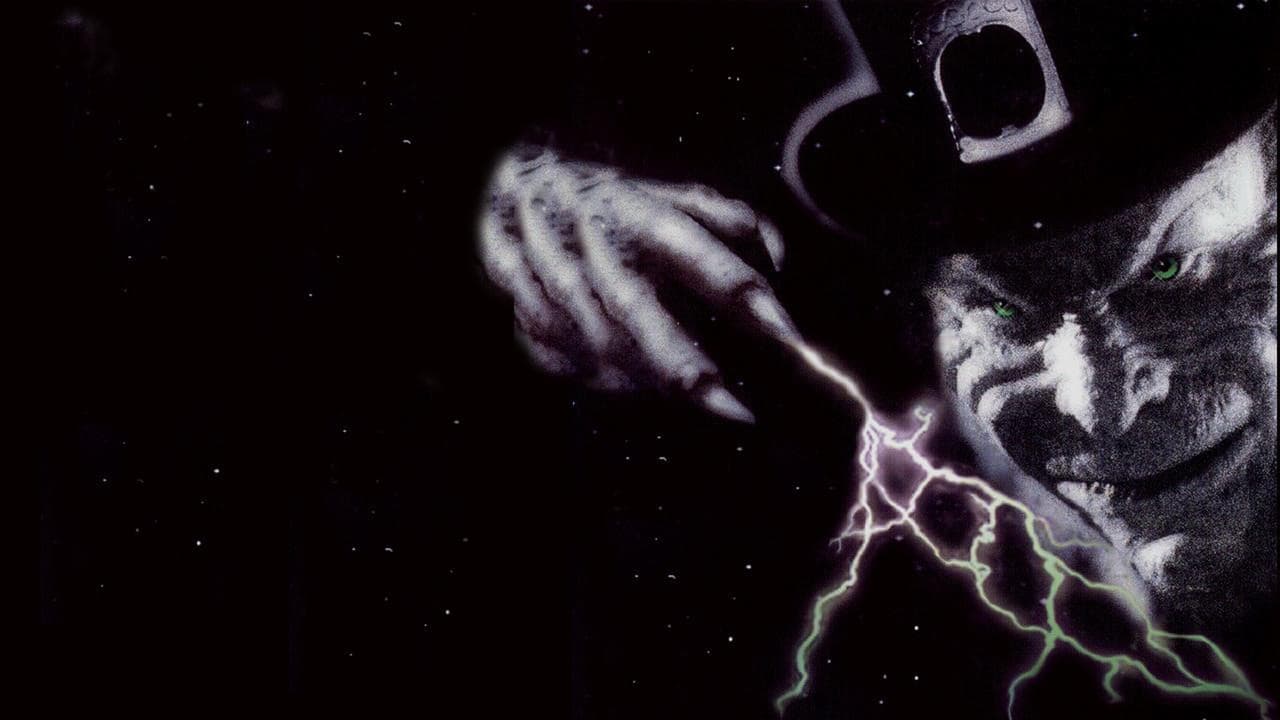
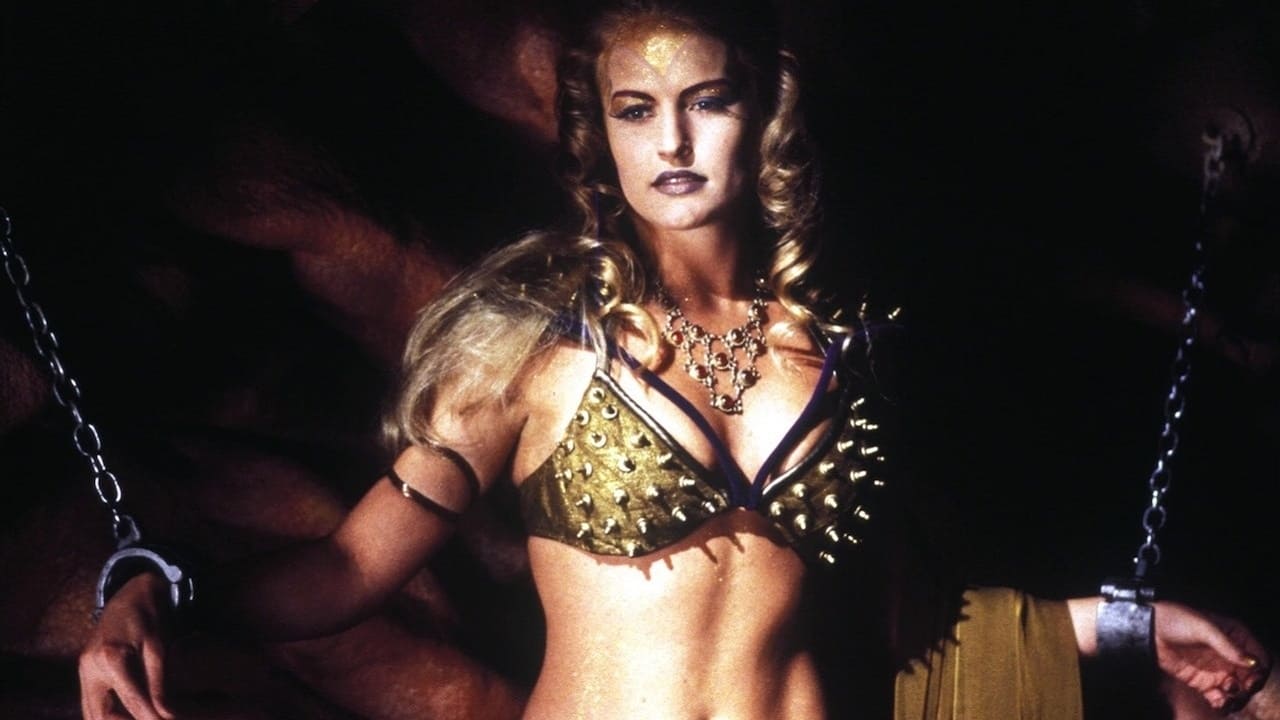
Seeing that title card, often mimicking the iconic Star Wars font, you knew you were in for something special, or at least something memorable. The sheer, unadulterated gall of the concept is almost admirable. Forget the quaint farmhouses and Vegas casinos of the previous installments; this time, our diminutive terror, the ever-game Warwick Davis, finds himself aboard a spaceship in the distant future, tangling with dimwitted space marines and attempting to woo an alien princess, Zarina (Rebekah Carlton), to become queen of… well, wherever leprechauns come from. Why? Because she's rich in gold, naturally. What other motivation does he need?
Houston, We Have a Problem (and He's Wearing Buckled Shoes)
The plot, as you might expect, is gloriously nonsensical. A platoon of space marines, led by the curiously named Metal Head Malloy (whose head is, disappointingly, not metal) and featuring the scene-stealing, cross-dressing Sgt. Hooker (played with delightful theatricality by Guy Siner, whom many might remember as Lieutenant Gruber from 'Allo 'Allo!), rescues Princess Zarina. Unfortunately, they also accidentally resurrect the Leprechaun, who promptly begins his usual rhyming, murdering spree across the decks of their clunky, low-budget starship.

This is where the genius, or perhaps madness, of director Brian Trenchard-Smith comes into play. A legend in the world of Ozploitation and efficient B-movie filmmaking (BMX Bandits, Turkey Shoot), Trenchard-Smith was known for delivering action and thrills on shoestring budgets and tight schedules. He reportedly embraced the inherent silliness, aiming to make it fast, funny, and bloody. He understood the assignment: give the people the Leprechaun, give them creative kills, and don't worry too much about logic. His workmanlike approach keeps things moving, even when the script (by Dennis A. Pratt, working from Mark Jones' original creation) threatens to drift off into the vacuum of space.
Practical Magic (and Mayhem) in Zero-G
Let's talk about those kills and effects, because that’s half the fun, right? Forget sleek, modern CGI. This is pure 90s direct-to-video charm. The spaceship sets look like they were cobbled together from leftover industrial parts (and probably were), the lighting is flatter than Kansas, but there's an undeniable tactile quality to it all. When the Leprechaun uses his magic (or is it alien tech now? Who cares!), it’s done with practical flashes, bangs, and the occasional dodgy-but-lovable optical effect.
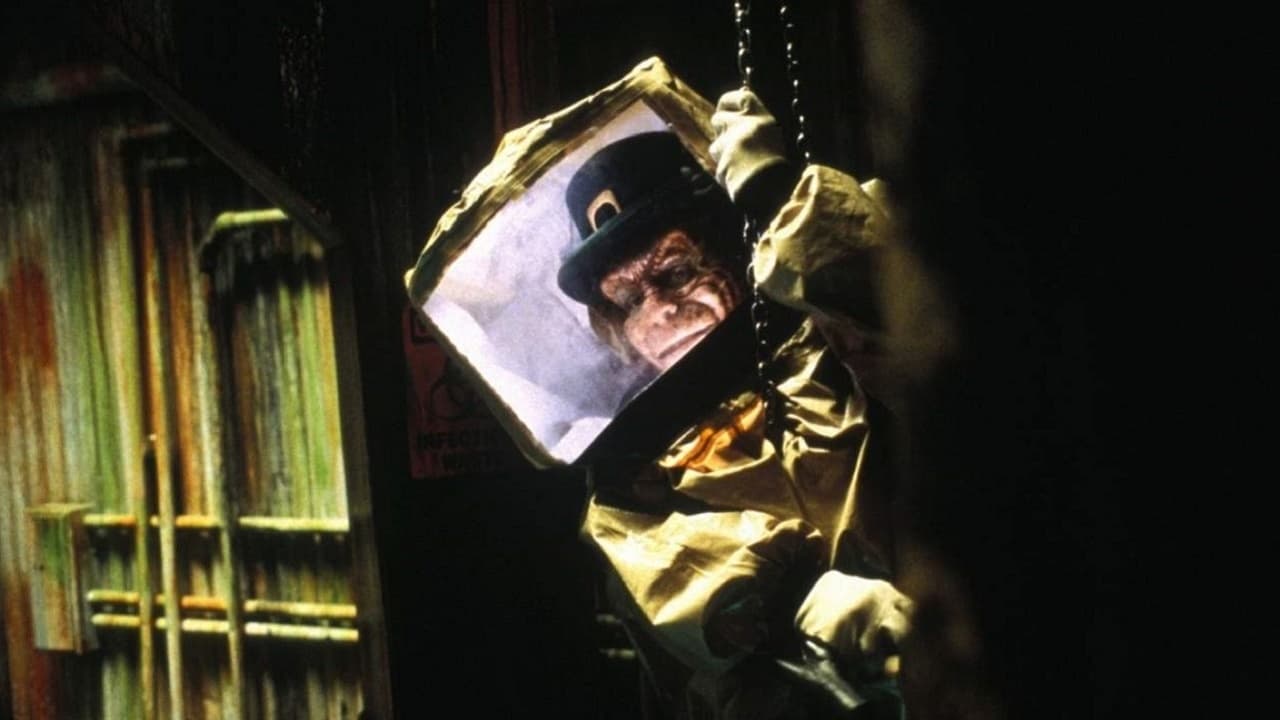
And the gore! Oh, the gore. Trenchard-Smith doesn't hold back within the DTV limitations. We get shrink rays, exploding bodies, light-saber rip-offs (because why not?), and that scene. Yes, the infamous moment where the Leprechaun emerges, fully formed, from… well, let's just say an unfortunate space marine's nether regions. It’s juvenile, shocking, and utterly unforgettable – the kind of moment whispered about in schoolyards after a forbidden late-night viewing. Remember how sequences like that, even if technically crude, felt genuinely outrageous back then? There was a certain "anything goes" energy to DTV horror that often feels sanitized today.
Warwick Davis: The Emerald Anchor
Through it all, Warwick Davis remains the absolute anchor. By the fourth film, he is the Leprechaun, delivering rhymes dripping with malicious glee and throwing himself into the physical comedy, even when shrunk down or battling giant alien spiders. His commitment sells the absurdity. Without him, the whole flimsy enterprise would collapse like a poorly constructed space station. The supporting cast does their best, gamely playing space marines who seem perpetually confused by the tiny terror systematically wiping them out. Brent Jasmer as the bookish M.O.W. (Marine of War?) Brooks tries to bring some reason, while Miguel A. Núñez Jr. provides some comic relief as Sticks.
Filmed efficiently, likely reusing sets and keeping costs incredibly low (as was the DTV way), Leprechaun 4 was never destined for critical acclaim. It landed squarely in the video stores, relying on its outrageous title and Warwick Davis's face on the cover to lure in unsuspecting renters looking for cheap thrills. And you know what? It kind of worked. It delivered exactly what it promised: a leprechaun… in space. No more, no less.
Final Verdict & Rating:

Leprechaun 4: In Space is objectively ridiculous. The effects are cheap, the plot is nonsensical, and the science is non-existent. But judged on its own terms – as a piece of 90s direct-to-video B-movie insanity – it’s surprisingly entertaining. Brian Trenchard-Smith directs with pace and a wink, Warwick Davis is clearly having a blast, and the sheer audacity of the premise generates plenty of unintentional (and maybe some intentional) laughs. It perfectly encapsulates that era when sequels just kept getting weirder in the hunt for dwindling video store returns.
Rating: 6/10 – A score earned through sheer commitment to its ludicrous concept, Warwick Davis's unwavering performance, and its status as a wonderfully cheesy artifact of the DTV space race.
Final Thought: It boldly went where no horror franchise had logically gone before, proving that sometimes, the most valuable pot of gold is found in the silliest corners of the VHS universe. Beam this one up if you're in the mood for cosmic camp.