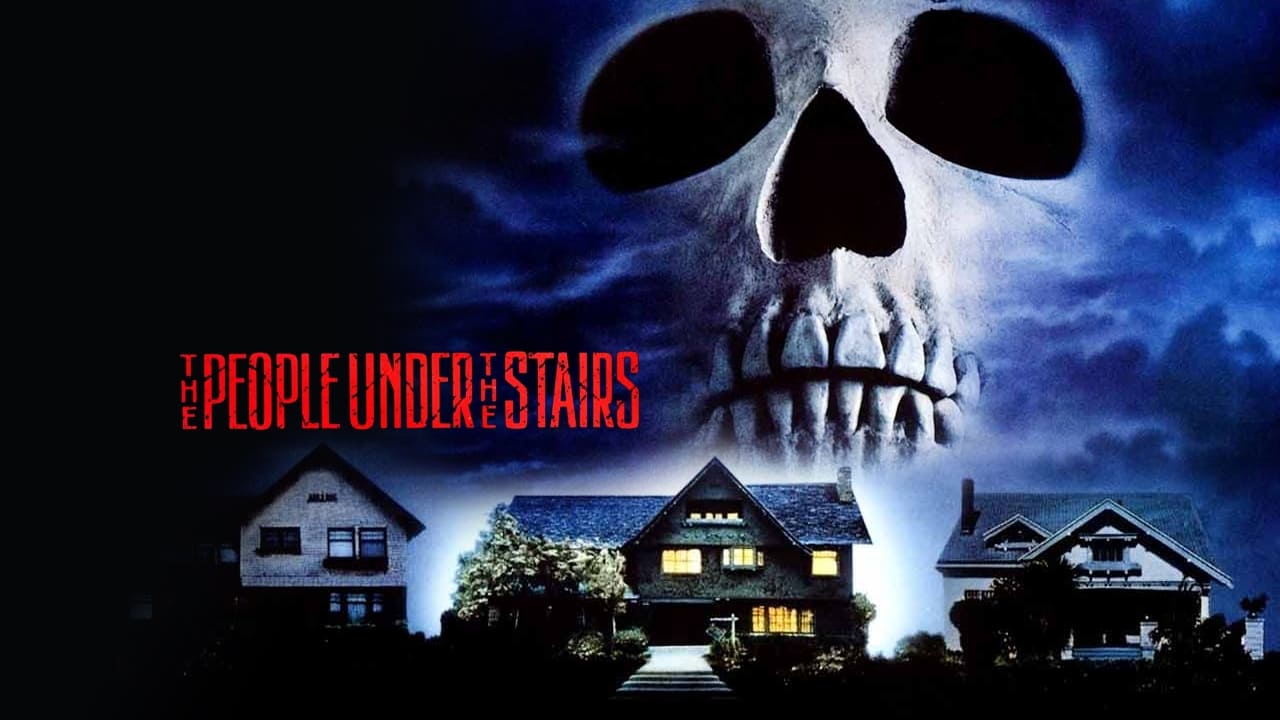
Some houses you just know are wrong. Not just neglected, but actively malevolent, radiating a chill that has nothing to do with the weather. The Robeson house, looming fortress-like over its decaying Los Angeles neighbourhood, is one such place. And stepping inside, even vicariously through the flickering glow of a CRT screen back in the day, felt like descending into a uniquely American nightmare, courtesy of the late, great Wes Craven. The People Under the Stairs (1991) wasn't just another haunted house flick; it was a warped fairy tale soaked in social commentary and Grade-A suburban dread.

### Welcome to the Neighborhood
The premise hits close to home, especially revisiting it now. Young Poindexter "Fool" Williams (Brandon Adams) lives in a crumbling tenement, his family facing eviction by their heartless landlords, the Robesons. Desperate, Fool joins Leroy (Ving Rhames, bringing his trademark intensity even in an early role) and Spencer (Jeremy Roberts) on a misguided B&E mission into the Robeson fortress, seeking rumoured gold coins. What they find isn't treasure, but a meticulously booby-trapped house of horrors ruled over by a couple who make Norman Bates' mother look well-adjusted. Forget ghosts; the monsters here are terrifyingly human, albeit operating on a logic far removed from anything sane.
### Meet the Landlords from Hell
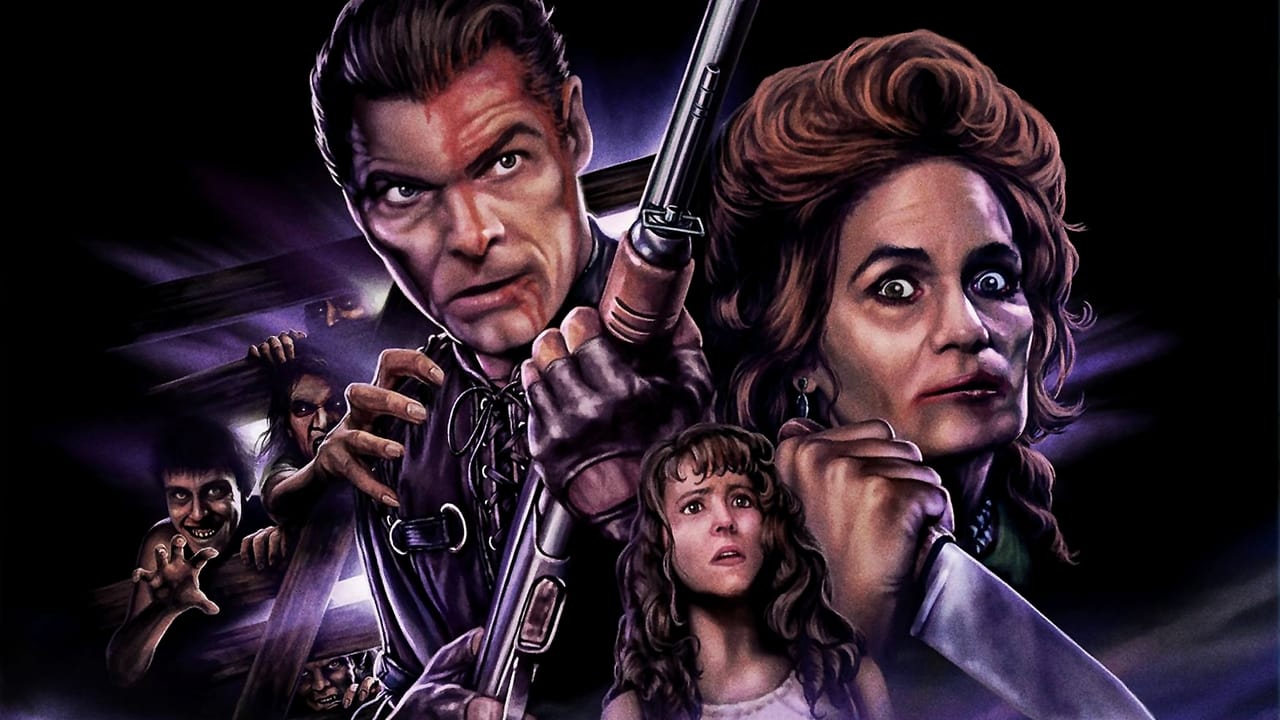
The masterstroke of the film lies in the casting of Everett McGill and Wendy Robie as "Daddy" and "Mommy". Fresh off their iconic, unsettling roles as Big Ed and Nadine Hurley in David Lynch's Twin Peaks, their presence here immediately dials up the weirdness factor to eleven. Seeing them reunited, not as a troubled small-town couple but as shotgun-toting, leather-clad, incestuous sibling psychopaths, felt like a dark joke Craven was sharing directly with the audience. McGill’s Daddy is pure, bellowing menace in his gimp-like hunting gear, while Robie’s Mommy floats through the decaying opulence with a terrifyingly serene madness. They aren't just villains; they're grotesque caricatures of Reagan-era avarice and twisted family values, hoarding wealth while the world outside crumbles. Their performances are pitched perfectly to the film's heightened reality – genuinely scary, yet disturbingly absurd. Legend has it Wes Craven was partly inspired by a real, horrifying news story from the late 70s about parents who kept their children locked away, never allowing them outside – a grim seed for this cinematic nightmare.
### Craven's Funhouse of Fear
This is Wes Craven operating in a mode slightly different from the supernatural terror of A Nightmare on Elm Street (1984) or the raw brutality of The Hills Have Eyes (1977). The People Under the Stairs blends genuine suspense and startling violence with sharp social satire and moments of outright dark comedy. The house itself is a character – a labyrinth of hidden passages, locked doors, pressure plates, and deadly traps. Craven masterfully uses the claustrophobic setting, turning a simple burglary into a desperate fight for survival. Remember the tension as Fool navigates the walls, desperately trying to evade Daddy and his loyal Rottweiler, Prince? It still works. Shot primarily on soundstages at Universal Studios, the intricate, decaying interior set was crucial for achieving this sense of entrapment and hidden menace. The film, made for a relatively modest $6 million, became a surprise hit, pulling in over $31 million worldwide, proving Craven still had his finger firmly on the pulse of what audiences wanted – and feared.
### Those Unforgettable Faces
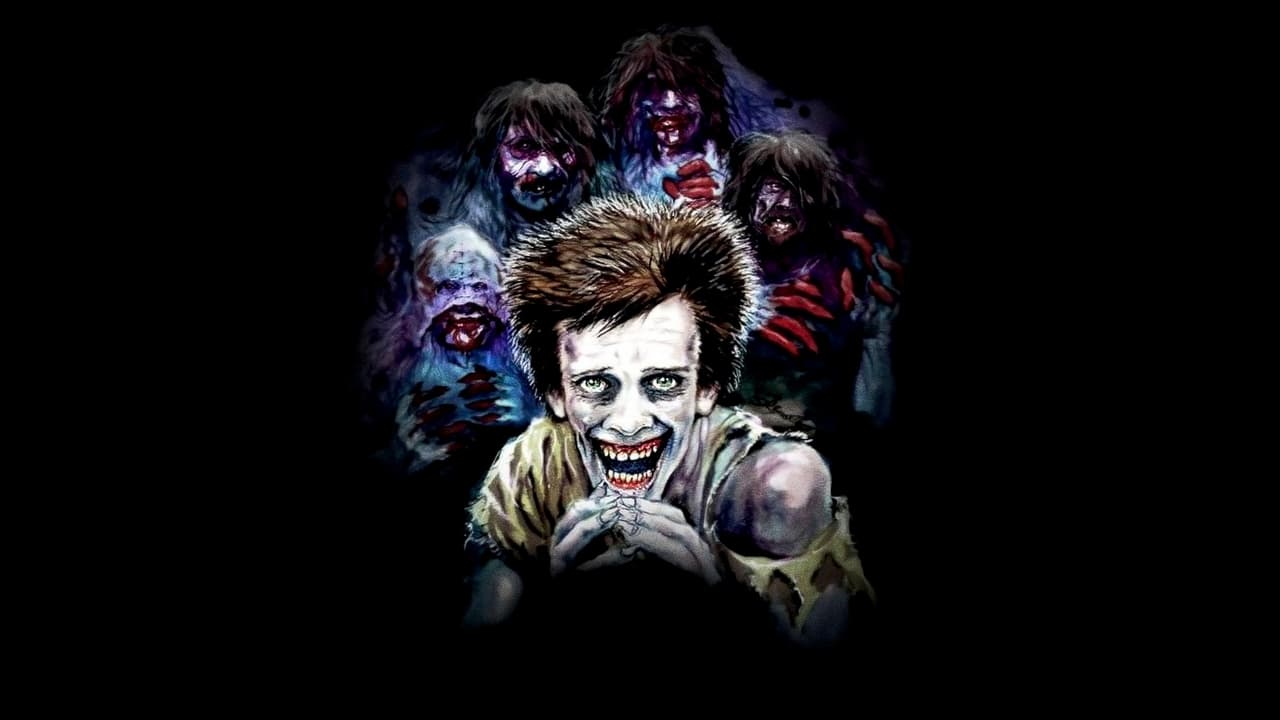
And then there are the titular "people." The pale, mutilated, cannibalistic figures living in the walls and basement – the Robesons' discarded "children" who failed to meet their impossibly cruel standards. The practical makeup effects, while perhaps showing their age slightly now, were deeply unsettling back on VHS. Their reveal is a moment of genuine shock, transforming the film from a home invasion thriller into something far stranger and more tragic. Roach (Sean Whalen in a memorable, nearly silent role), the boy who helps Fool from within the walls, adds a layer of pathos to the horror. These weren't just monsters; they were victims, trapped in the same horrifying system as Fool. The film cleverly plays with who the real monsters are. Doesn't that monster design still feel unnerving, precisely because of its tragic humanity?
### A Cult Classic Crawlspace
The People Under the Stairs occupies a unique space in 90s horror. It’s not easily categorized – part siege film, part dark fairy tale, part biting social commentary on race, class, and gentrification that feels startlingly relevant today. Its blend of tones can sometimes feel jarring, lurching from intense chase sequences to moments of broad, almost cartoonish villainy. Yet, this tonal instability is also part of its strange charm. It's a film that feels deeply personal to Craven, reflecting his anger at social injustices while still delivering the genre thrills he was known for. My own well-worn tape of this got plenty of play back in the day; it was just so weird and unpredictable compared to slicker studio fare.
***

Rating: 8/10
Justification: The People Under the Stairs earns its high marks for sheer audacity and originality. Wes Craven delivers a potent cocktail of horror, satire, and adventure, anchored by unforgettable performances from Everett McGill and Wendy Robie. While the tone occasionally wobbles, the claustrophobic atmosphere, inventive set pieces, and underlying social critique remain powerful. It's a genuinely creepy, often funny, and surprisingly thoughtful slice of early 90s cult horror that sticks in your crawlspace long after the credits roll.
Final Thought: More than just a horror film, it's a furious and freaky fable about fighting the monsters who own the house – a theme that, sadly, never seems to go out of style.