Alright, settle in, grab your Jolt Cola (or maybe something stronger these days), and let’s rewind the tape to a truly bizarre little corner of the 80s comedy shelf. Remember stumbling across those foreign film sections in the video store? Sometimes you’d find absolute gold, other times… well, you found things like Jean-Marie Poiré's 1988 Franco-Soviet farce, Twist Again in Moscow (or Twist again à Moscou for the purists). This wasn't exactly Lethal Weapon, but finding it felt like uncovering a weird, slightly crumpled postcard from a very strange holiday.
### From Paris Dumpster Fire to Moscow Mayhem
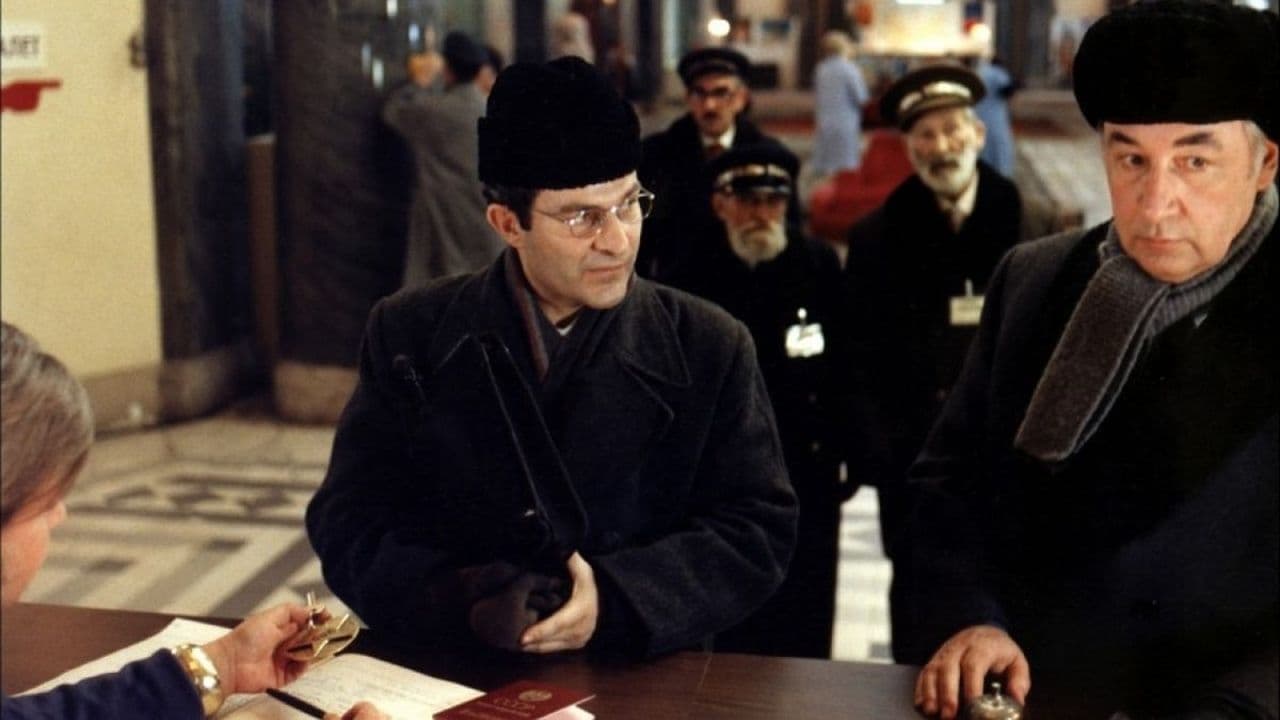
First things first, for many outside of France, the biggest head-scratcher is understanding where these characters even came from. Twist Again is technically a follow-up – albeit a loosely connected one – to the legendary, pitch-black French Christmas comedy Le Père Noël est une ordure (1982). Imagine taking the gloriously dysfunctional misfits from that Parisian suicide hotline disaster, played by the brilliant Le Splendid theatrical troupe (Christian Clavier, Martin Lamotte, Thierry Lhermitte - though Lhermitte sits this one out), and dropping them smack-dab into the paranoia and drab bureaucracy of Cold War Moscow. It’s a premise so audacious, so fundamentally weird, you almost have to admire the sheer nerve. Jean-Marie Poiré, who also helmed the outrageous time-travel hit Les Visiteurs (1993) with Clavier, clearly had a taste for high-concept absurdity.
The "plot," such as it is, involves Igor Tatischeff (Philippe Noiret, bringing a touch of class and gravitas amidst the chaos), the weary head of the state hotel where his daughter Natacha (Agnès Soral) works. Trouble arrives in the form of Alexei (Christian Clavier), a rock musician desperate to defect, and Yuri (Martin Lamotte), a bumbling black marketeer who sees opportunity. Throw in a suspicious Colonel (Jacques François) and Tatischeff’s returning wife Irina (Marina Vlady, a fascinating casting choice given her Russian heritage), and you have the recipe for pure French farce colliding head-on with Soviet stereotypes.
### Cold War Capers on a Budget
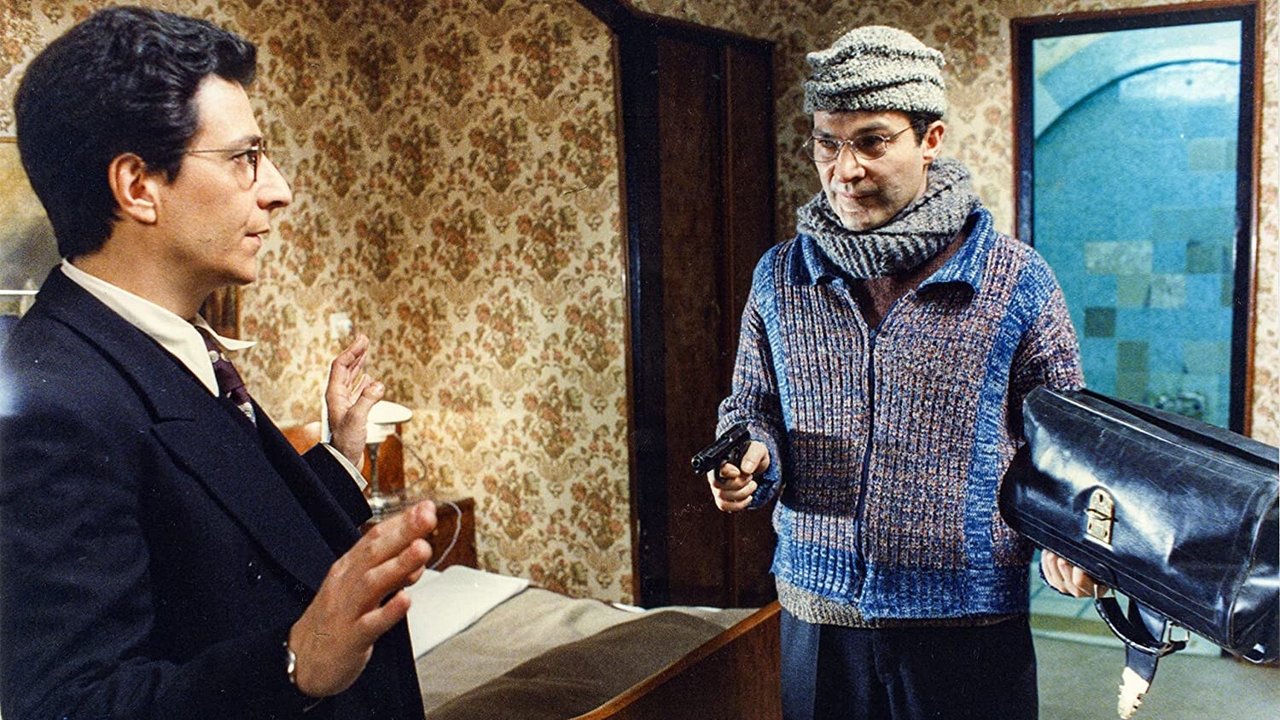
Let's be honest, the "action" here isn't exploding helicopters or rooftop chases. The thrill comes from the frantic energy of the misunderstandings, the near-misses, and the sheer cultural clash. It's less about pyrotechnics and more about the escalating panic in Philippe Noiret's eyes as his carefully controlled world unravels thanks to these Gallic buffoons. Remember how 80s comedies often relied on rapid-fire dialogue and increasingly ludicrous situations rather than seamless CGI? That’s the vibe here. The humour stems from the characters’ desperation and the claustrophobic absurdity of their predicament within the Soviet system – a system portrayed with broad, comedic strokes, naturally.
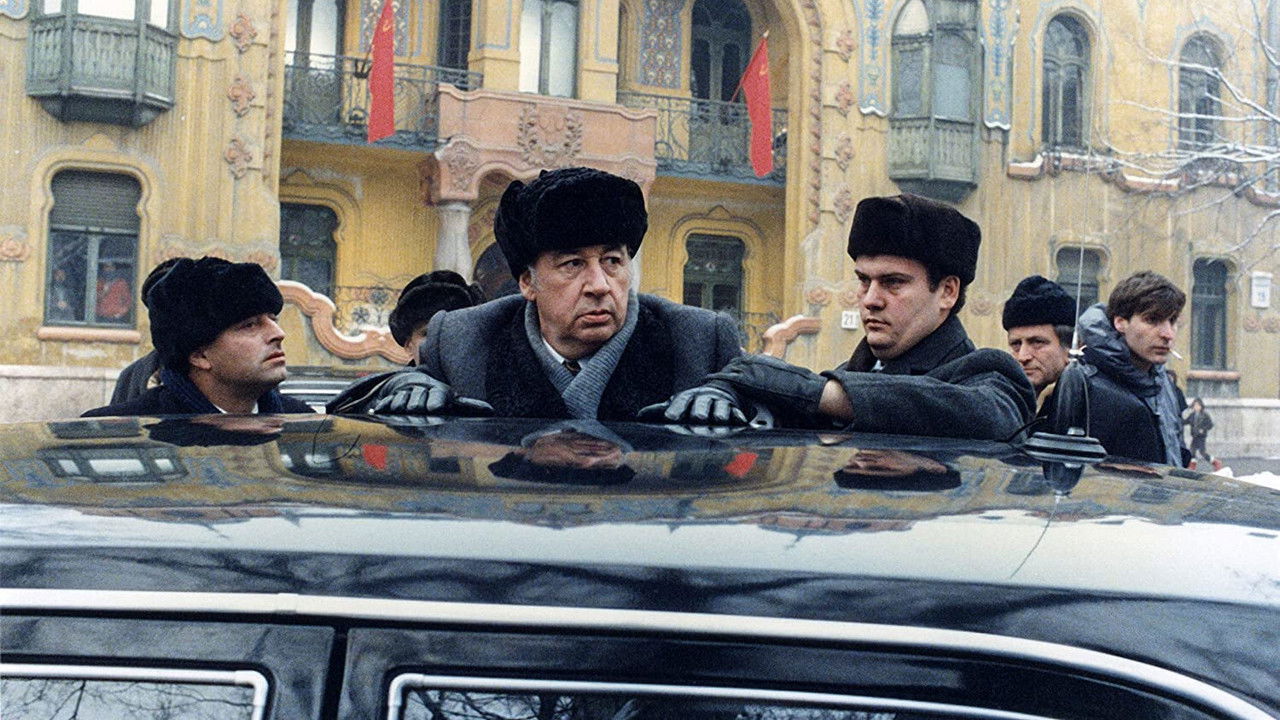
One interesting "retro fun fact" is how they achieved the Moscow setting. While some exterior shots might have captured the real deal, much of the film was reportedly shot in Zagreb, Yugoslavia (now Croatia), a common stand-in for Moscow in Western films during the Cold War era when filming in the actual Soviet capital could be logistically and politically nightmarish. It gives the film that slightly off-kilter, not-quite-Moscow look that many productions of the time had, adding to its specific 80s charm. You can almost feel the production team wrestling with the limitations, using clever angles and set dressing to evoke the atmosphere.
### The Splendid Charm Offensive
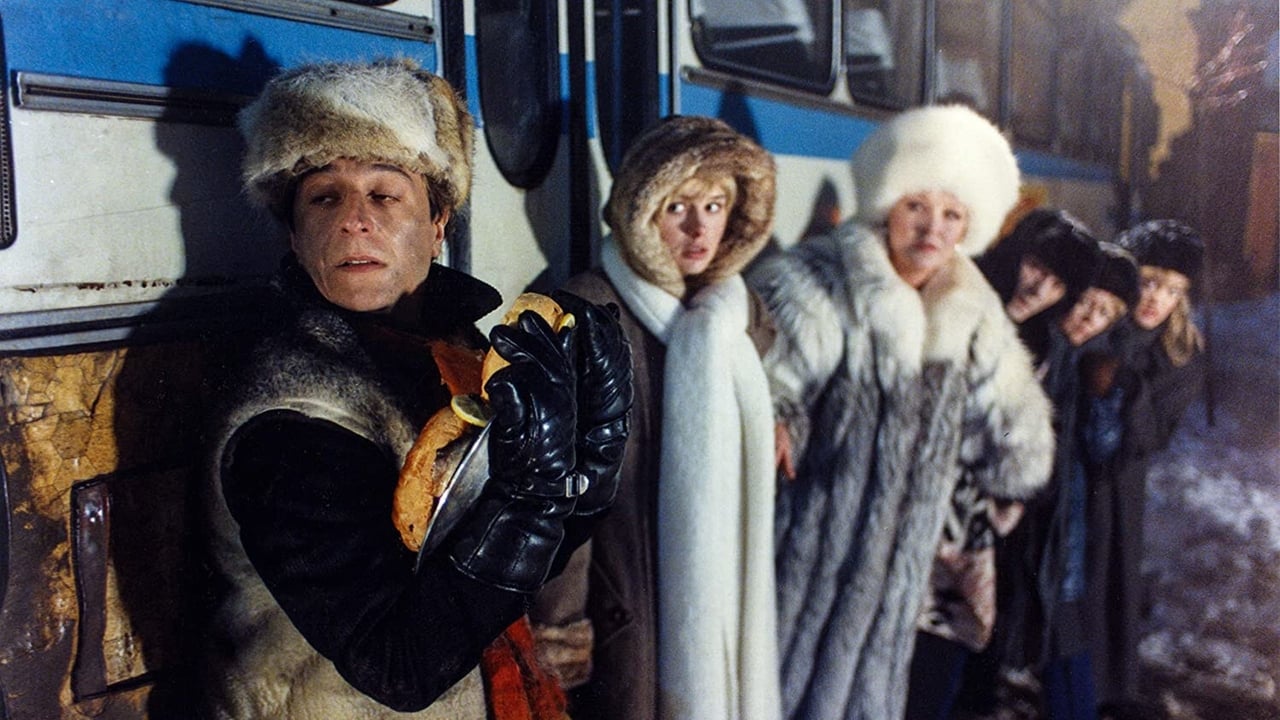
What really carries the film, despite its sometimes scattershot plotting, is the cast. Seeing Christian Clavier dial up his manic energy as the wannabe defector is a treat, especially for fans familiar with his later work like Les Visiteurs. Martin Lamotte provides reliable sleazy comic relief. But it's the legendary Philippe Noiret (Cinema Paradiso) who anchors the film. Watching this esteemed actor navigate the utter chaos generated by the Splendid regulars is the film's secret weapon. His masterful portrayal of exasperation and quiet dignity crumbling under pressure is genuinely funny. He lends a weight that prevents the whole thing from floating away entirely on its own silliness.
The film wasn't a massive hit like Le Père Noël or Les Visiteurs, perhaps because the specific brand of French farce didn't translate as easily to the Cold War spy spoof genre, or maybe the sequel connection wasn't strong enough. It remains more of a curiosity, a footnote in the careers of those involved. Yet, rediscovering it feels like digging up a time capsule – a specific blend of French comedic sensibility meeting Western anxieties about the Soviet Bloc, all filtered through that unmistakable 80s lens.
### Final Reel
Twist Again in Moscow isn't high art, nor is it the most coherent comedy ever made. It’s frantic, episodic, and relies heavily on knowing the previous film (or at least the actors' established personas) for maximum impact. The portrayal of Soviet Russia is pure caricature, seen through a distinctly Western, comedic prism. But there’s an undeniable, goofy energy to it, powered by a game cast clearly enjoying the absurdity. It captures that particular strain of 80s international comedy – slightly clunky, culturally specific, but possessing a certain unpolished charm.
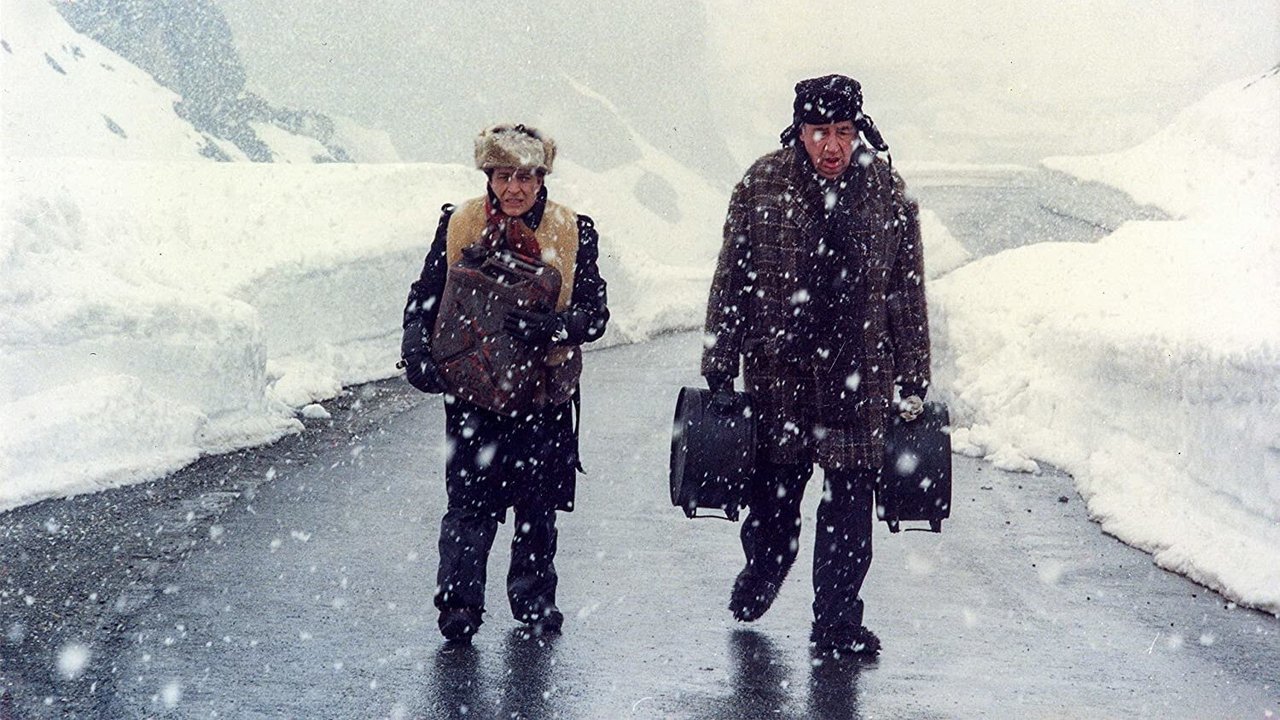
Rating: 6/10
Justification: The rating reflects the film's niche appeal and unevenness, balanced by the strong comedic performances (especially Noiret), the sheer audacity of the premise, and its value as a quirky 80s artifact. It's genuinely funny in places, but drags in others, and its reliance on French comedic tropes might limit its reach. It earns points for sheer oddity and the presence of the Splendid crew.
Final Thought: A bizarre cocktail of Cold War clichés and Gallic farce, Twist Again in Moscow is the kind of cinematic curiosity that reminds you the 80s weren't afraid to get weird – a fizzy, frantic, and slightly flat souvenir from the video store shelf.